By Donna Richardson
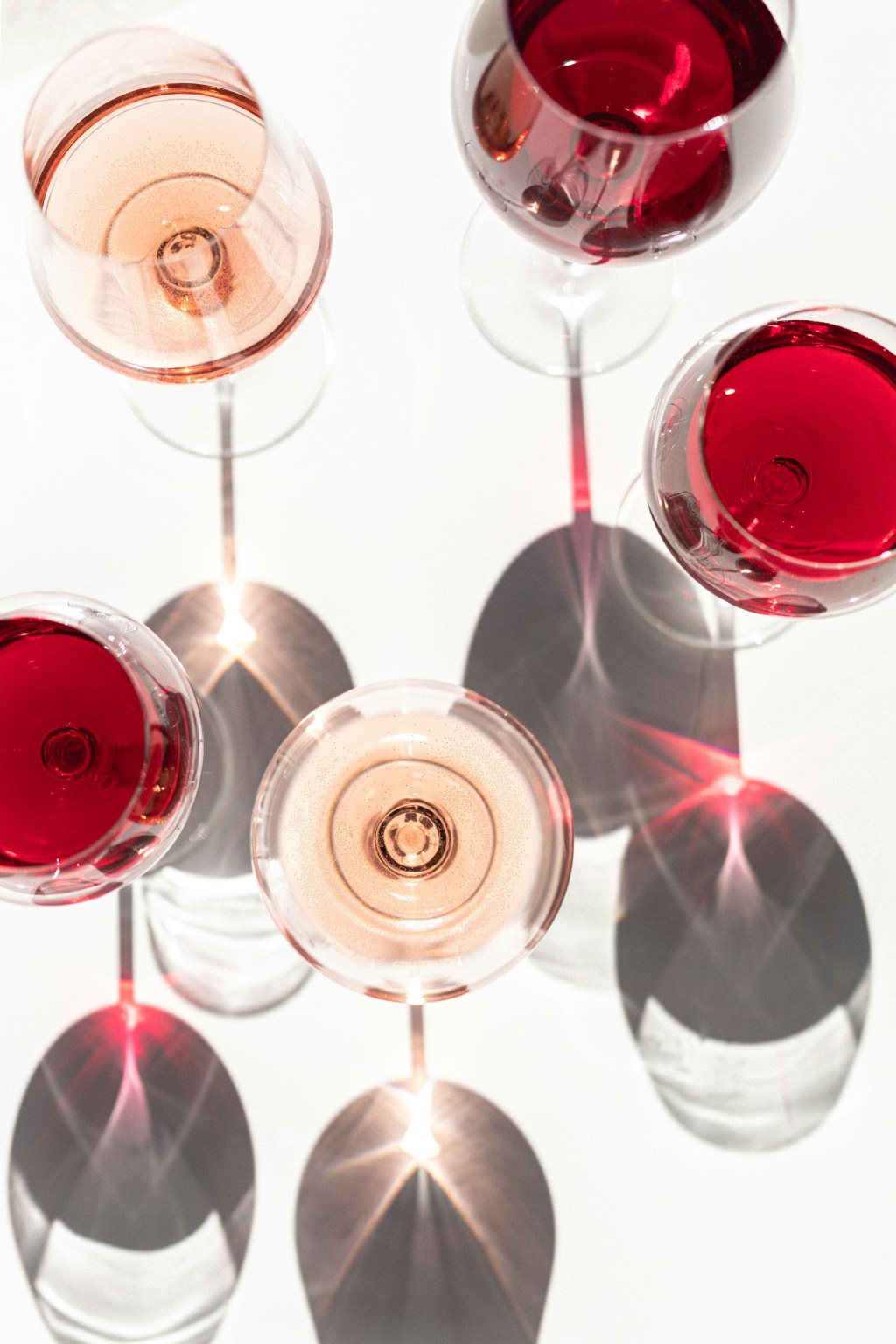
There’s a moment – a small, quiet revelation – that happens when you really see wine for the first time. You swirl the glass, tip it toward the light, and catch the pale straw hue of a Riesling or the deep garnet glow of a Rioja. You lean in, breathe deeply, and find not just fruit, but flowers, spice, earth, and memory.
It’s this moment of awakening that the Wine & Spirit Education Trust (WSET) exists to cultivate – a way of seeing the world through taste, culture, and craftsmanship.
For anyone who’s ever travelled through vineyards, browsed a foreign wine list with hesitation, or simply wanted to deepen their enjoyment of life’s most storied drink, the WSET is the key to unlocking the language of wine.
What Is the WSET?
Founded in London in 1969, the Wine & Spirit Education Trust has become the global benchmark for wine education. With courses taught in over 70 countries and in 15 languages, WSET qualifications are recognised and respected from Bordeaux to Buenos Aires, from Cape Town to California.
But WSET is not just for sommeliers. It’s for travellers, storytellers, and curious minds -for anyone who wants to understand the world one glass at a time.
Your First Pour: The Level 1 Award in Wines
Most journeys begin with the WSET Level 1 Award in Wines — an approachable, one-day introduction that blends theory, tasting, and a touch of adventure.
You’ll taste a selection of wines from around the globe:
- A crisp Sauvignon Blanc from Marlborough, shimmering with lime and passionfruit.
- A silky Merlot from Bordeaux, soft with plum and cedar.
- A bright Italian Pinot Grigio, all pear and lemon zest.
- A velvety Malbec from Mendoza, lush with blackberry and spice.
Under your instructor’s guidance, you’ll use WSET’s Systematic Approach to Tasting (SAT) — a methodical framework that helps you describe what you taste with accuracy and confidence. Colour, aroma, body, acidity, sweetness, tannin — it all starts to make sense.
And when you pair food and wine, creamy goat’s cheese with a zesty Sauvignon, or grilled salmon with a silky Pinot Noir, you’ll discover why certain flavours harmonise and others clash.
The Practicalities: What You’ll Actually Do
The WSET classroom is equal parts science and storytelling. A typical day combines interactive theory sessions, guided tastings, and small-group discussions.
You’ll learn to:
- Identify wine styles and grape varieties by sight, smell, and taste.
- Understand winemaking basics – from vineyard to bottle.
- Read a wine label like a professional.
- Pair wines with food using principles of balance and contrast.
- Develop sensory memory – learning to recall aromas like lemon peel, green apple, vanilla, or pepper.
At the end of Level 1, you’ll take a short multiple-choice exam — straightforward but satisfying, proof of your first step into the wider world of wine.
For those continuing to Level 2 and Level 3, the curriculum expands into geography, climate, vineyard management, and wine service – even the chemistry of fermentation and ageing.
Many courses offer online options or flexible evening sessions, while in-person classes often include guided tastings led by sommeliers, wine buyers, and producers who bring their travel stories straight from the vineyards.
The Lightbulb Moment
Every WSET student remembers their first breakthrough: that precise instant when a glass of wine transforms from beverage to revelation.
It might happen as you identify green pepper in a Chilean Cabernet, or taste the wet-stone minerality of a Chablis and suddenly understand what “terroir” means. From then on, every sip becomes a story — of place, of process, of people.
Wine lists stop feeling intimidating; vineyards become destinations. You no longer drink; you interpret.
Why Wine Education Matters
To study wine is to study the world. Every grape tells a story of soil, sun, and survival. Learning about it connects you to artisans who prune vines by hand in winter, to generations who’ve shaped the landscapes we love to visit.
It also encourages mindfulness – tasting with attention, travelling with purpose, and valuing sustainability. You begin to understand how changing climates alter the taste of a region, and how biodiversity keeps ecosystems (and wines) alive.
Wine education enriches travel, too. When you visit Tuscany, you’ll no longer just see vines – you’ll understand the tension between clay and limestone that gives Chianti its edge. In Napa, you’ll read the landscape in the layers of your glass.
A Journey of Taste and Discovery
The WSET doesn’t simply teach you to taste wine – it teaches you to listen to it. To recognise the echo of mountains in a Malbec, or the whisper of the sea in a Muscadet.
As your palate sharpens, so does your sense of wonder. You learn that every bottle is a piece of geography, a fragment of history, and an act of artistry.
So, whether you’re a traveller in search of meaning, a professional seeking mastery, or simply someone who loves the quiet poetry of a good glass of wine – the WSET is your passport.
Raise your glass. Your education and your adventure – begin here.
Practical Tips for Your First WSET Course
1. Start with an open mind.
Don’t worry if you can’t identify every aroma, wine appreciation is a learned skill, not a natural talent.
2. Build your tasting toolkit.
Bring a notebook. Jot down first impressions: colour, smell, texture, emotion. Your notes will become your personal flavour map.
3. Taste widely.
Visit local wine bars or tastings to practise your palate. Compare Old World and New World styles side by side.
4. Connect travel with learning.
If you’re visiting a wine region, book a local vineyard tour or tasting. Seeing the vines makes every WSET lesson come alive.
5. Enjoy the process.
Wine education isn’t about pretence – it’s about curiosity, culture, and joy. Each glass teaches you something about the world, and yourself.
My Journey Through WSET Level 1: Discovering the World of Wine
When I signed up for the WSET Level 1 Award in Wines, I wasn’t entirely sure what to expect. I loved wine—who doesn’t?—but my knowledge was limited to vague ideas like “red with meat” and “white with fish.” The moment I opened the course materials, though, I realized that wine was a much deeper world than I’d ever imagined.
Why I Took the Course
I’d been growing increasingly curious about wine, especially when dining out or traveling. I wanted to understand why a Sauvignon Blanc from New Zealand tastes so different from one made in France, or how to describe flavors beyond the generic “dry” or “sweet.” The Wine & Spirit Education Trust (WSET) courses kept popping up in my searches, and Level 1 seemed like the perfect starting point — approachable but structured.
The Learning Experience
The course itself was surprisingly interactive and fun. We covered everything from how wine is made to the main grape varieties and classic styles. I learned about fermentation, sweetness levels, and even how serving temperature can completely change the taste of a wine.
The best part? The Systematic Approach to Tasting (SAT). It’s WSET’s method for describing wines consistently – focusing on appearance, nose, and palate. Before, I might have said a wine “smelled nice.” After the course, I found myself saying things like “aromas of ripe stone fruit and vanilla, with a hint of oak.” It felt empowering to have a language for something I’d only experienced intuitively before.
The Tasting Sessions
Tasting was, of course, the highlight. We sampled a range of wines — crisp whites, fruity reds, and even a few sparkling styles. Each tasting built on what we’d just learned: acidity, tannins, body, and sweetness. I began to notice subtleties I’d never picked up on before. Suddenly, I understood why certain wines pair beautifully with specific foods – it’s all about balance and contrast.
The Exam
The exam was a 45-minute multiple-choice test. I was nervous, but the course had prepared me well. It wasn’t about memorising facts – it was about truly understanding how wine is made and described. Now I need to wait for the email to find out if I have passed,
What I Took Away
Completing WSET Level 1 changed how I experience wine entirely. Now, I feel more confident ordering at restaurants, talking to sommeliers, and even choosing bottles for friends. More than that, it deepened my appreciation — wine stopped being just a drink and became a story of climate, soil, and craftsmanship.
If you’re even slightly curious about wine, I can’t recommend the WSET Level 1 course enough. It’s approachable, engaging, and opens the door to a lifelong journey of taste and discovery.
 LUXE Serendipity magazine
Leave a comment