By Donna Richardson
In Porto’s historic heart, where the air hums with the scent of roasted coffee and sea salt from the Douro, there stands a bookshop so beautiful it feels like it belongs to another world. Step through the arched doorway of Livraria Lello, and the city’s bustle fades into a hush of reverence – the sound of pages turning, footsteps creaking, and whispers caught beneath a stained-glass sky.
A Staircase That Spirals Like a Ribbon
Livraria Lello’s magic is instant, like stepping inside a dream built for readers. The grand red staircase curls through the centre of the store like a ribbon caught mid-air, its polished wood glowing beneath the light that streams through a jewel-toned skylight. Every detail – the carved balustrades, the neo-Gothic arches, the dust-softened rows of books – feels like a love letter to craftsmanship and to literature itself.
Opened in 1906 by brothers José and António Lello, the shop quickly became a cultural landmark, a meeting place for Porto’s writers, poets, and dreamers. More than a century later, its spell hasn’t dimmed. Livraria Lello remains both a sanctuary and a stage, where the act of choosing a book feels as ceremonious as prayer.
The Myth and the Magic
Rumour has it J.K. Rowling drew inspiration for Hogwarts from this bookshop while living in Porto – a story the author later denied. But the myth persists, and it’s easy to see why. The curling staircase could lead to a potions classroom; the second-floor balcony feels like a common room filled with scholars and secrets. Whether or not Rowling ever passed through its doors, the spirit of magic is unmistakable.
Yet what gives Livraria Lello its true power is something subtler: a reverence for books themselves. The motto inscribed in its stained glass, Decus in Labore – “Dignity in Work” – reminds visitors that this is not merely a tourist site, but a temple to the written word.
How to Visit
Livraria Lello now attracts thousands of visitors each day, and entrance requires a ticket (redeemable against the purchase of any book). The best times to visit are early morning or late afternoon, when the light glows amber through the skylight and the crowd thins to a quiet hum.
Address: Rua das Carmelitas 144, Porto
Website: www.livrarialello.pt
Other Ways to Explore Porto
Beyond the bookshop’s doors, Porto unfolds like a story waiting to be read – each chapter rich with texture and colour and its a great place for a girl’s weekend. From the sun-dappled streets of Ribeira to the sweeping terraces along the Douro, the city invites exploration at every turn. It’s a place where cobbled alleyways reveal hidden cafés, where vibrant azulejo tiles tell tales on every façade, and where centuries-old architecture meets contemporary boutiques and art galleries. For a girls’ weekend, Porto offers the perfect mix of culture, indulgence, and playful discovery: savor pastel de nata in a riverside café, toast to the sunset over a glass of chilled vinho verde, browse quirky independent shops, and linger in lively bars where laughter and music spill into the streets. In Porto, every stroll becomes a story, and every shared moment feels like a memory in the making.

Climb Clérigos Tower. Just a stone’s throw from Livraria Lello, the 18th-century Clérigos Tower rises like a sentry over Porto’s skyline. Designed by Italian architect Nicolau Nasoni, this Baroque masterpiece is as much a sculptural delight as it is a vantage point. Inside, a narrow spiral staircase of 225 steps winds upward, the stone worn smooth by centuries of footsteps. Each turn offers glimpses through small windows of terracotta rooftops, the Douro River, and the sprawl of the city below.
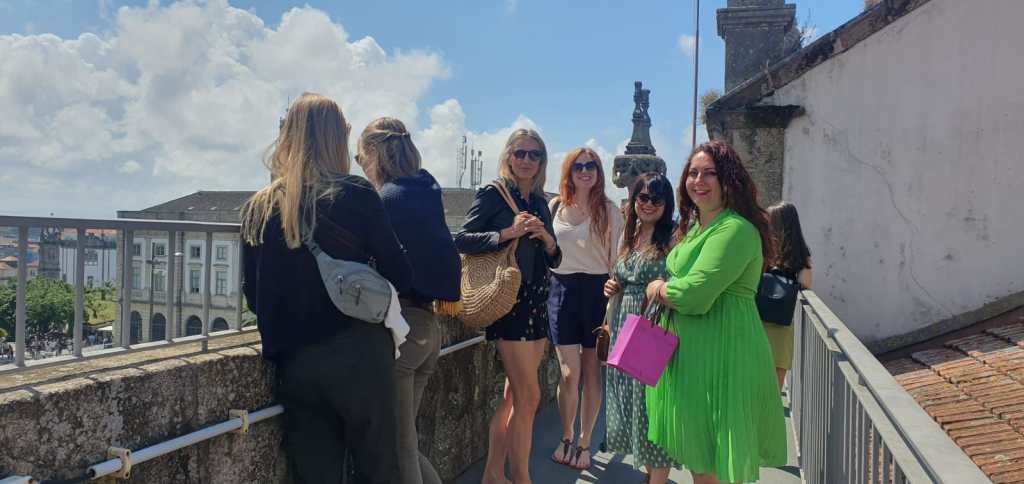
When you reach the top, the effort is rewarded with a breathtaking panoramic view: the cathedral and historic Ribeira district stretch out in one direction, the meandering Douro sparkles in another, and on clear days, the Atlantic shimmers at the horizon. The city’s mosaic of red roofs, tiled façades, and winding streets unfolds like a living painting. Whether bathed in morning light, golden afternoon, or the rosy hues of sunset, Clérigos Tower gives travelers a rare moment to pause, breathe, and see Porto in its full grandeur – a cityscape that feels timeless yet alive.
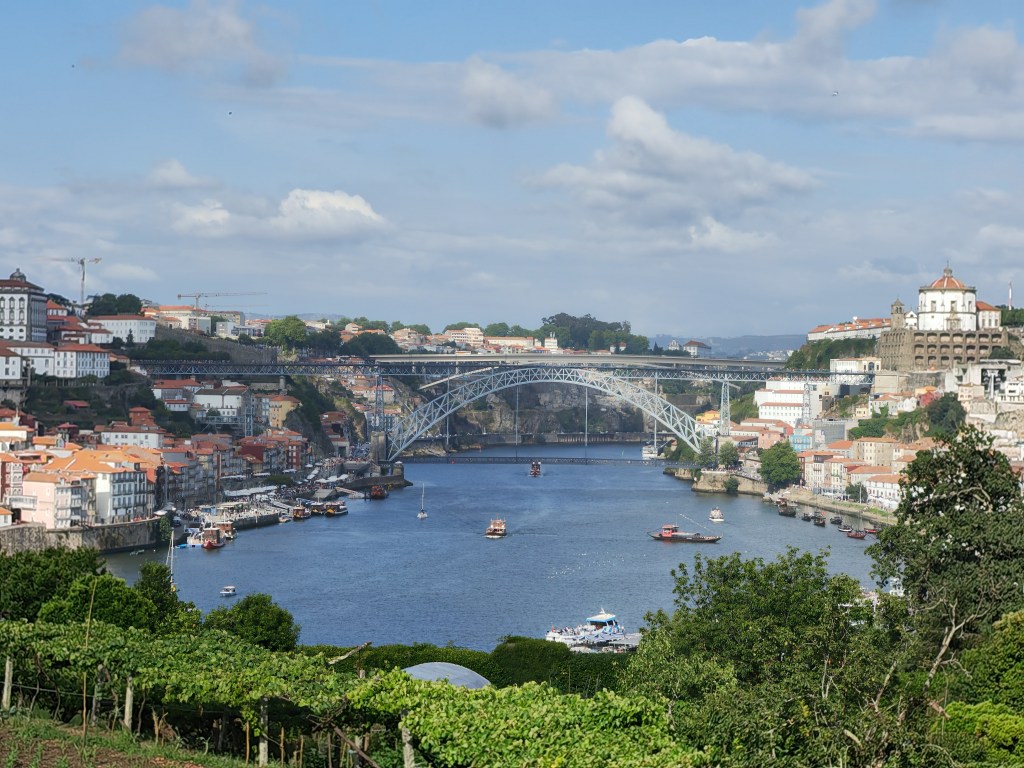
Wander the Ribeira District. Lose yourself among the narrow cobbled streets that tumble down to the Douro River, where azulejo-tiled houses lean close as if to whisper secrets. Ribeira is the beating heart of Porto a- mosaic of pastel façades, stone alleyways, and tiled balconies spilling with geraniums. By day, sunlight dances on the cobblestones and laughter drifts from cafés serving grilled sardines and vinho verde by the glass. By night, the district glows with a golden warmth reflected off the Douro River, music spilling from tucked-away bars and the clink of glasses echoing between the arches. Stroll the Cais da Ribeira promenade, where laundry flutters above restaurant terraces and the boats that once carried barrels of port now glide beneath the great steel curve of the Dom Luís I Bridge. Ribeira isn’t simply picturesque – it’s Porto at its most alive, a living postcard that still beats with the pulse of the past.

Cross the Dom Luís I Bridge. Designed by a disciple of Gustave Eiffel, its double-decker iron arch offers one of the best vantage points in the city — especially at sunset, when Porto’s rooftops glow in gold and rose. Spanning the Douro River like a feat of iron lacework, The bridge is both an engineering marvel and a symbol of Porto’s grandeur. Designed by Théophile Seyrig, a student of Gustave Eiffel, its sweeping double-decker arches connect Porto to Vila Nova de Gaia, offering pedestrians and vehicles alike a dramatic passage over the water. On the upper deck, the pedestrian walkway feels suspended between sky and river – a perfect vantage point to watch traditional rabelo boats glide beneath, their reflections shimmering in the rippling current.
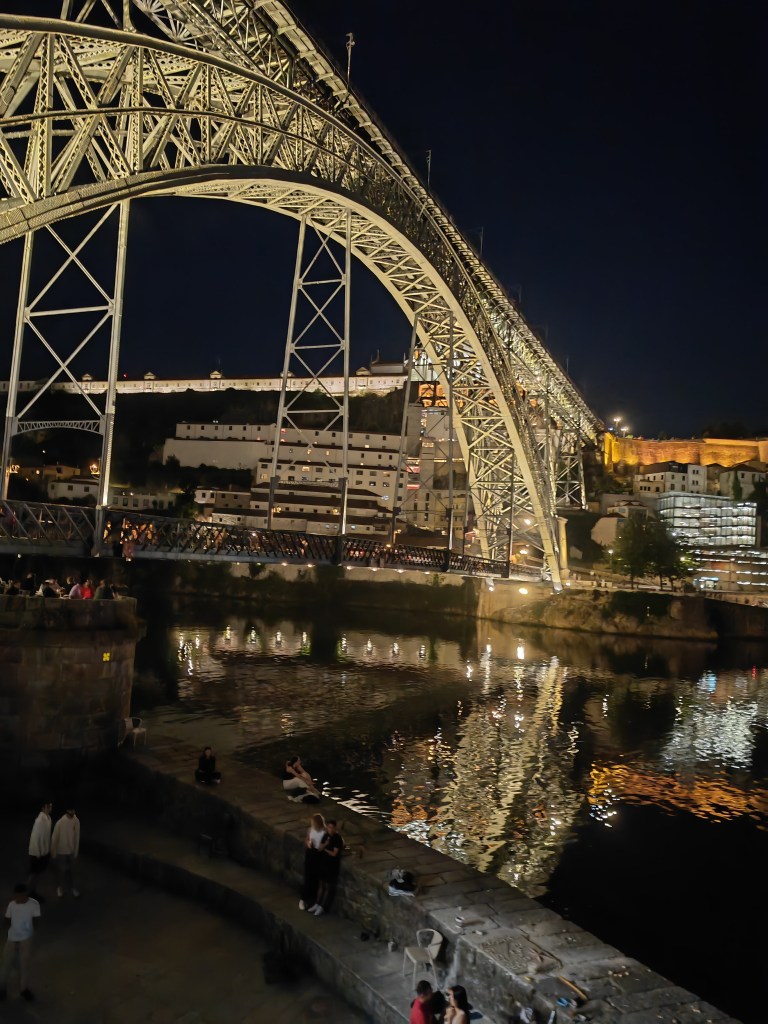
Below the bridge, the Ribeira waterfront hums with life. Cafés spill onto cobbled streets, and terraces brim with locals and travelers sharing glasses of vinho verde, petiscos (Portuguese tapas), and laughter that echoes off the river. As the sun dips, lights flicker on in the bustling bars and taverns, casting warm reflections onto the water and blending with the golden glow of the setting sun. It’s a scene of perpetual motion, musicians playing on street corners, couples strolling along the promenade, and friends gathering for evening drinks — that captures Porto’s charm and vitality.
Vila Nova in Gaia. Discover the World of Wine (WOW Porto). Across the river in Vila Nova de Gaia, the World of Wine – or WOW Porto — is a cultural district built within former wine cellars. Part museum complex, part culinary hub, it celebrates the region’s identity through immersive experiences that blend heritage, art, and taste. You can wander through galleries dedicated to cork and chocolate, linger over Michelin-starred dining, or sip a perfectly aged tawny on a terrace with a view that frames Porto like a postcard. It’s not just a destination, but an expression of the city’s evolution – from its maritime past to its cosmopolitan present.


Sip the city’s namesake. Across the river in Vila Nova de Gaia, the centuries-old port wine lodges of Graham’s, Taylor’s, and Sandeman invite you to linger over a glass and a view that seems to slow time itself. Across the river in Vila Nova de Gaia, Porto’s iconic port wine lodges have been aging and guarding barrels of fortified wine for centuries. Step inside, and the scent of oak, grapes, and time itself envelops you. Each lodge is a story in wood and stone: the cool, dimly lit cellars where thousands of casks rest quietly, the stone staircases winding up to tasting rooms with panoramic views of Porto’s terracotta rooftops, and the knowledgeable guides who share tales of vintners, vineyards, and the delicate alchemy that transforms grapes into liquid gold.

We went to Grahams where, tasting a glass of tawny or ruby port is more than a sip — it’s a moment suspended. The flavours linger: rich caramel, dried fruit, a whisper of spice. Outside, the Douro reflects the changing sky, and the gentle clatter of passing rabelo boats adds a soundtrack to the experience as you look over the river. Whether you linger over a single pour or explore the full range of vintages, time seems to slow here, and Porto’s history flows as smoothly as the wine itself.

Sail the Douro. Take a “Six Bridges” river cruise and watch Porto’s layers unfold from the water. Step aboard a traditional rabelo boat and drift along the Douro River. The “Six Bridges” river cruise offers a leisurely passage beneath the city’s iconic spans, each arch framing a different chapter of Porto’s history — from medieval fortifications to modern bridges of steel and glass. As you glide past the Ribeira waterfront, the pastel façades, cascading staircases, and lively cafés reflect in the water, creating a moving tapestry of color and life. On the opposite bank, Vila Nova de Gaia’s port wine lodges rise like sentinels, their barrels aging quietly behind centuries-old stone walls. The soft lapping of the river, the warm light on terracotta rooftops, and the distant chatter of locals along the quay all combine into a rhythm uniquely Porto. By the time the boat returns to shore, you’ve experienced the city not just as a place, but as a living, breathing panorama — one best savoured slowly.
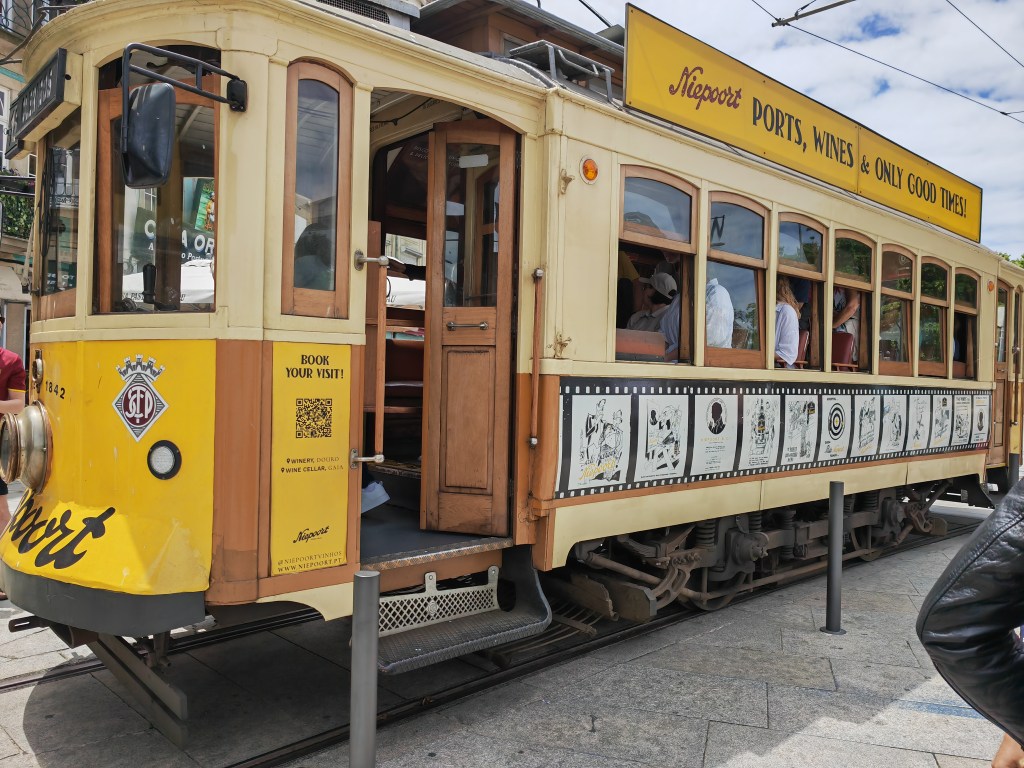
Ride Porto’s Trams. For a touch of nostalgia, there’s nothing quite like Porto’s historic trams, which rattle along narrow streets and steep hills with a sense of old-world charm. Painted in bright yellows and greens, these vintage vehicles offer a slower, scenic alternative to buses, allowing travelers to watch the city’s layers unfold at every turn. Route 1 along the riverside, for example, winds past the Ribeira district, under the Dom Luís I Bridge, and alongside the shimmering Douro, providing postcard-perfect views with every stop. Inside, the wooden seats and brass fittings whisper of decades past, while locals and visitors mingle in the cosy carriage. Riding a tram isn’t just transportation – it’s a journey through Porto’s history, a chance to savour the rhythm of the city at an unhurried pace, and an experience that feels quintessentially Portuguese.
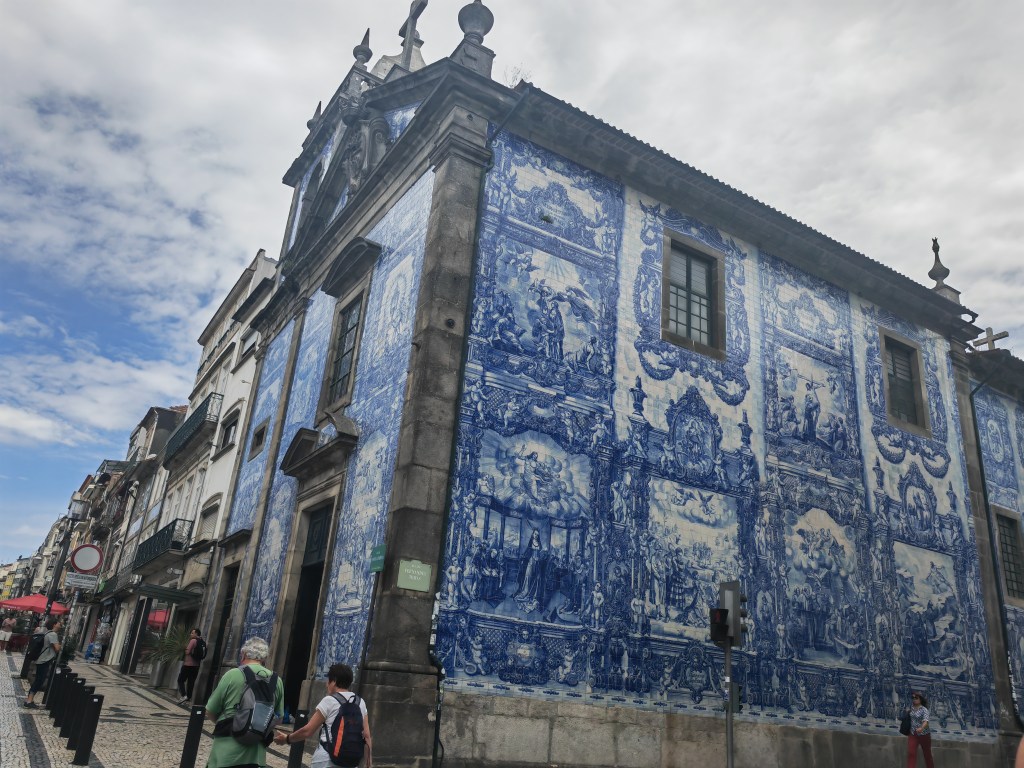
Marvel at Porto’s Tiles and São Bento Station. Few places capture the soul of Porto like its azulejos – hand-painted ceramic tiles that turn ordinary facades into works of art. The city shimmers with them: blue and white stories unfolding across churches, walls, and stairways. Nowhere is this artistry more breathtaking than São Bento Station, where 20,000 tiles depict Portugal’s history in sweeping, cinematic panels from royal processions to pastoral scenes. Step inside during the morning light, and the entire concourse seems to glow in porcelain hues, transforming a train station into a gallery of national memory.
Taste Porto: A Feast of Tradition.
Porto’s culinary scene is as vibrant and layered as the city itself, where centuries-old traditions meet contemporary flair. Begin your day with a warm pastel de nata, the iconic Portuguese custard tart: its flaky, golden pastry melts on your tongue, giving way to creamy custard delicately dusted with cinnamon. For lunch or dinner, indulge in francesinha, a decadent sandwich stacked with layers of meat and cheese, smothered in a rich beer-and-tomato sauce; or try tripas à moda do Porto, a hearty tripe stew rooted in the city’s medieval past. Summer calls for freshly grilled sardines along the riverside, paired with a crisp vinho verde, while evenings are perfect for sampling Porto’s famed fortified wine. In Porto, every dish is a story — a window into history, culture, and the warmth of local life — and no visit is complete without trying the city’s beloved custard tarts – or Pastel de Nata as they like to call them. Sardine’s are also a delicacy.

The Final Page
There are places that remind us why we travel – not for photographs or itineraries, but for moments that feel eternal. Livraria Lello is one of those places. It’s where stories breathe, where beauty still matters, and where, just for a moment, you can believe that a staircase can indeed float like a ribbon, carrying you upward into the imagination itself.
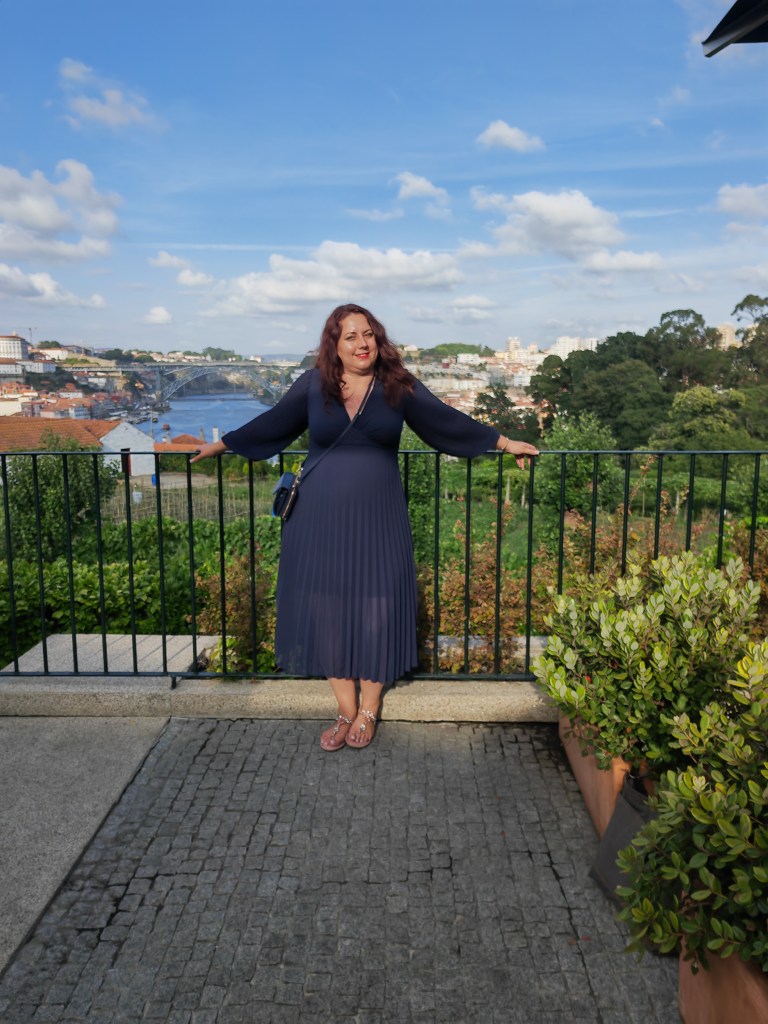
As you step back into the city’s sunlight, book in hand, Porto continues its story — in the laughter from nearby cafés, in the shimmer of the river below, and in the quiet realization that you’ve just read one of the world’s most beautiful chapters. Porto is a city of layers, where history, culture, and flavour intertwine at every turn. Porto is more than a destination – it’s a story waiting to be read, a sensory journey best experienced slowly, and a place that leaves every visitor with memories as rich and enduring as its streets, food, and wine.
Fly to Porto – EasyJet flies to Porto from 30 airports across Europe, including London Gatwick
 LUXE Serendipity magazine
Leave a comment