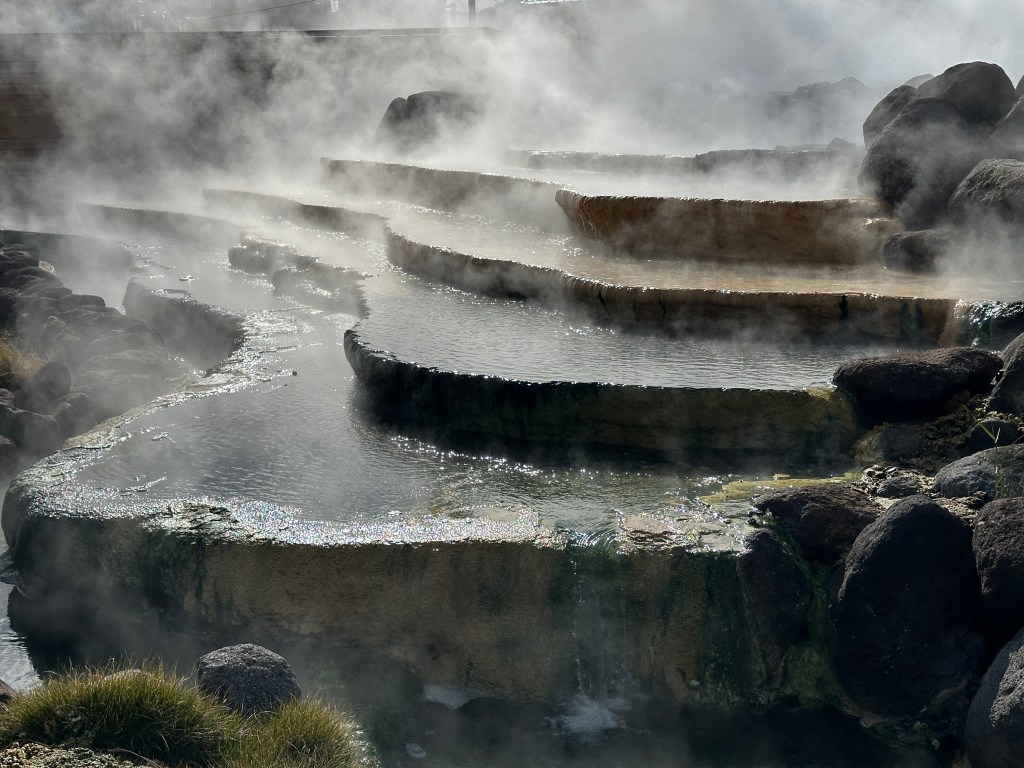
By Donna Richardson
The first thing you notice in Nagasaki is the light. It slips in from the harbour, refracting off water and hillside, catching on church spires and tiled roofs in a way that feels distinctly un-Japanese – softer, more Mediterranean somehow. That, perhaps, is the point.
For centuries, this corner of western Kyushu has been Japan’s looking glass to the wider world. Long before Tokyo became a global metropolis, before Yokohama opened its port, Saga and Nagasaki were where Japan met China, Korea, South-east Asia and Europe – cautiously, profitably, and sometimes explosively. Traders, missionaries, potters, revolutionaries and opportunists all passed through here, leaving behind a region whose culture feels subtly, intriguingly hybrid.
Walk Japan’s newest itinerary, Saga and Nagasaki: Cultural Crossroads, taps into that layered history with the company’s trademark restraint. This is not a greatest-hits tour of temples and shrines, but a slow, thoughtful walk through porcelain villages, forgotten ports, coastal paths and onsen towns – places where global history once slipped quietly ashore.
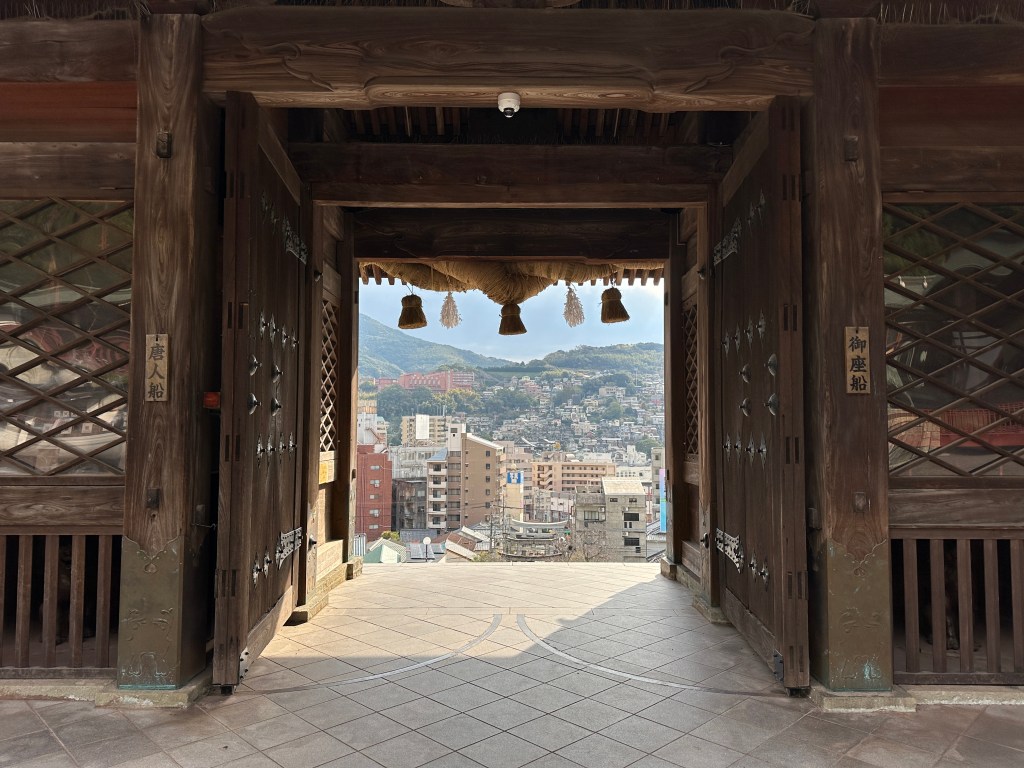
The story begins in Saga Prefecture, a land of low mountains, tea fields and kilns. In the 17th century, Korean potters brought here against their will helped ignite Japan’s porcelain revolution, discovering kaolin in the hills around Arita. What followed was an industry so valuable it was guarded like a state secret. Today, those once-clandestine villages are calm, elegant places, where climbing kilns snake up wooded slopes, and porcelain galleries range from museum-grade antiques to minimalist contemporary work.
Walking here is gentle and meditative. Paths wind through bamboo groves and along rivers, past workshops where clay still turns slowly on the wheel. Even lunch – meticulously arranged, seasonal, quietly beautiful – feels like part of the cultural education.
Further west, the coast opens up and history thickens. Karatsu, with its handsome bay and ruined castle, was once a strategic port for trade with the Asian mainland. Hirado, reached by bridge, feels even more remote – and yet in the 16th and 17th centuries it was a crucible of international exchange. Portuguese missionaries, Dutch traders and English adventurers all arrived here, seeking profit and souls in equal measure.
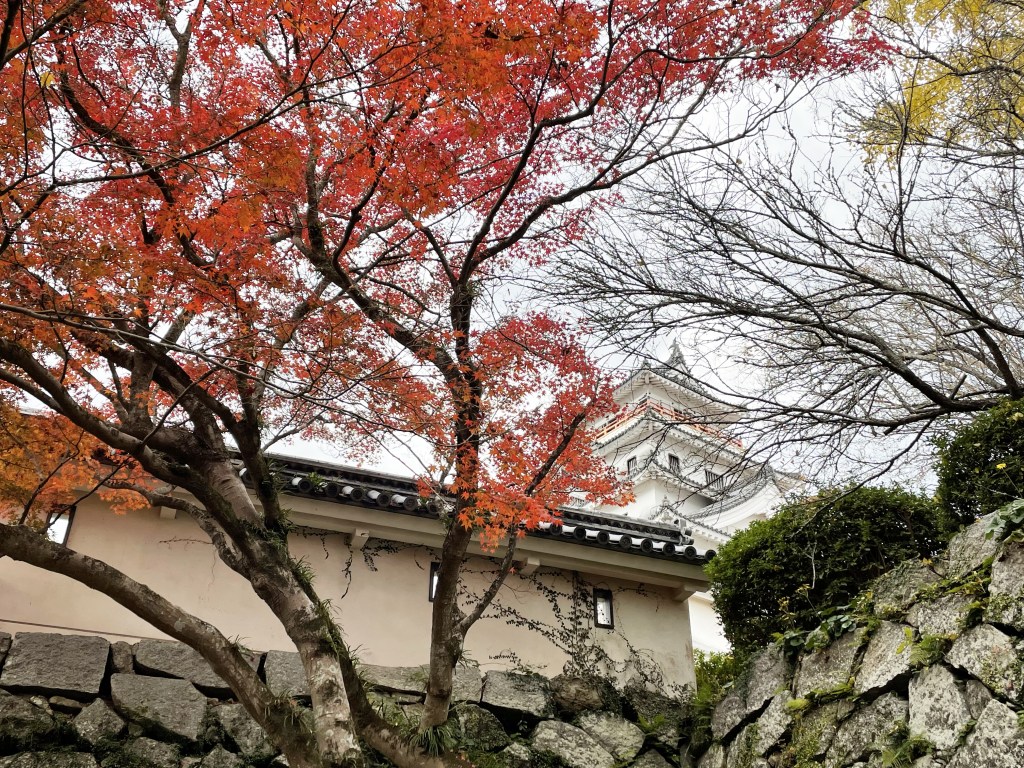
One of them was William Adams, the English navigator whose improbable rise to samurai status would later inspire Shōgun. Others include Zheng Chenggong (known in the West as Koxinga), the Ming loyalist and maritime powerbroker born in Nagasaki, and Thomas Glover, the Scottish merchant whose dealings helped usher in Japan’s modern age. Their stories surface not as lectures, but as context – a chapel ruin here, a trading post there, a quiet grave overlooking the sea.
The walking days rarely exceed ten kilometres, but the terrain changes constantly: coastal paths with salt on the wind, rural lanes through rice fields, stone-paved approaches to shrines half-swallowed by forest. And then there are the onsen.
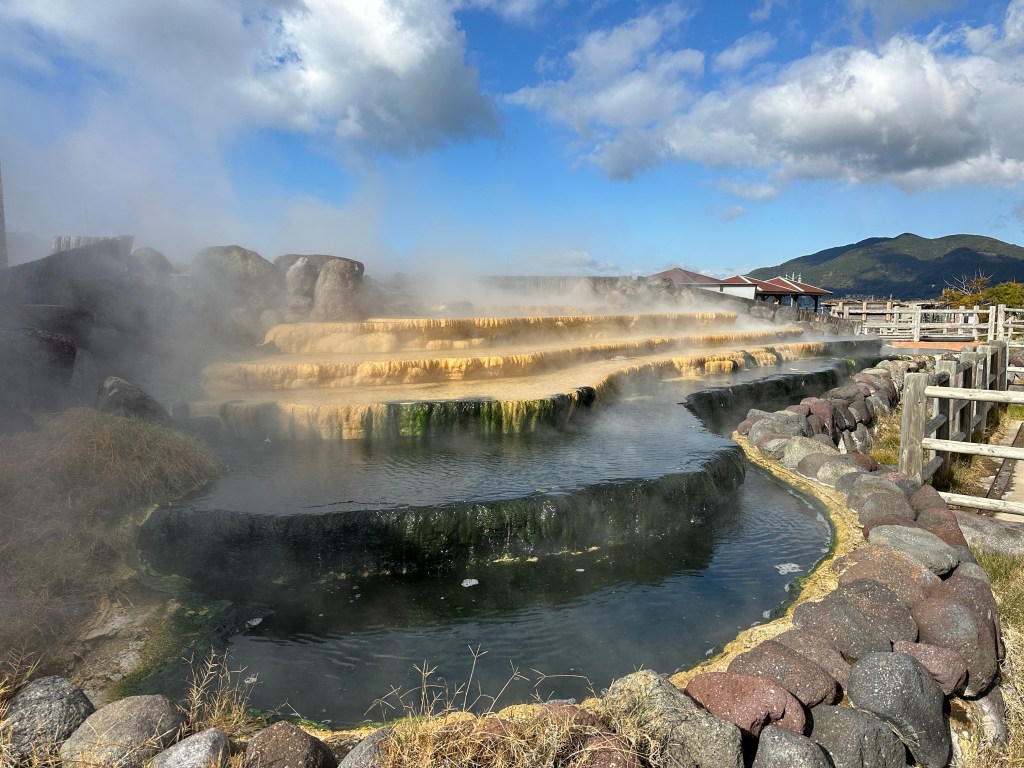
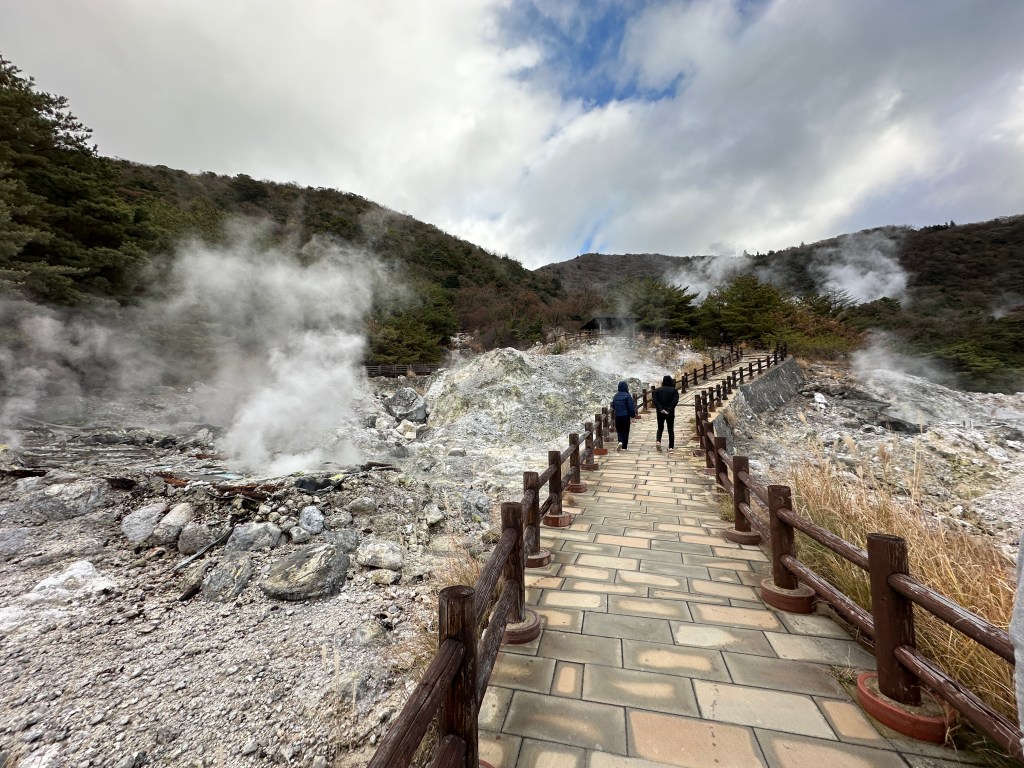
In Ureshino and Unzen, bathing is both ritual and reward. Ureshino’s silky, mineral-rich waters have been prized for centuries – so much so that even the local tofu is famously soft, set with spring water. Unzen, higher and cooler, is a place of steaming fumaroles and old resort hotels, once favoured by foreign diplomats escaping the summer heat.
Food, too, tells its own story of exchange. Alongside immaculate sashimi and local wagyu are dishes subtly shaped by European influence: castella sponge cake (introduced by the Portuguese), hearty stews, and Nagasaki’s beloved champon noodles – a dish born of Chinese cooks feeding international traders.
The journey culminates in Nagasaki City, one of Japan’s most compelling and least predictable urban landscapes. Built between hills and sea, threaded with tram lines and staircases, it feels intimate and outward-facing at once. Christian churches sit alongside Buddhist temples; Western houses overlook traditional neighbourhoods. The city’s tragic 20th-century history is inescapable, but it exists alongside – not in place of — a much longer narrative of resilience, curiosity and cosmopolitanism.
What distinguishes this walk is not just where it goes, but how it moves. Walk Japan’s small groups (never more than 12) and deeply knowledgeable guides create a rhythm that feels unforced – time to linger, ask questions, and notice details. There is no sense of ticking boxes, only of following a thread.
In a country often experienced at high speed, Saga and Nagasaki invite a different pace. One that rewards attention. One that reveals how Japan, for all its reputation as an island unto itself, has always been shaped by the wider world – and nowhere more beautifully than here.
 LUXE Serendipity magazine
Leave a comment