By Donna Richardson
Barcelona captivates the senses with its dazzling blend of modernist facades and Gothic spires. The Mediterranean sparkles nearby as locals enjoy vermouth in charming plazas and artisans create traditional espadrilles. The enticing aroma of freshly baked bread and seafood fills vibrant markets. From Gaudí’s masterpieces to the narrow streets of the Gothic Quarter, Barcelona offers a unique mix of history and creativity.
Whether you are getting lost in its ancient streets, cheering for FC Barcelona at Camp Nou or savouring Catalan cuisine under swaying palms, the city invites discovery at every turn.
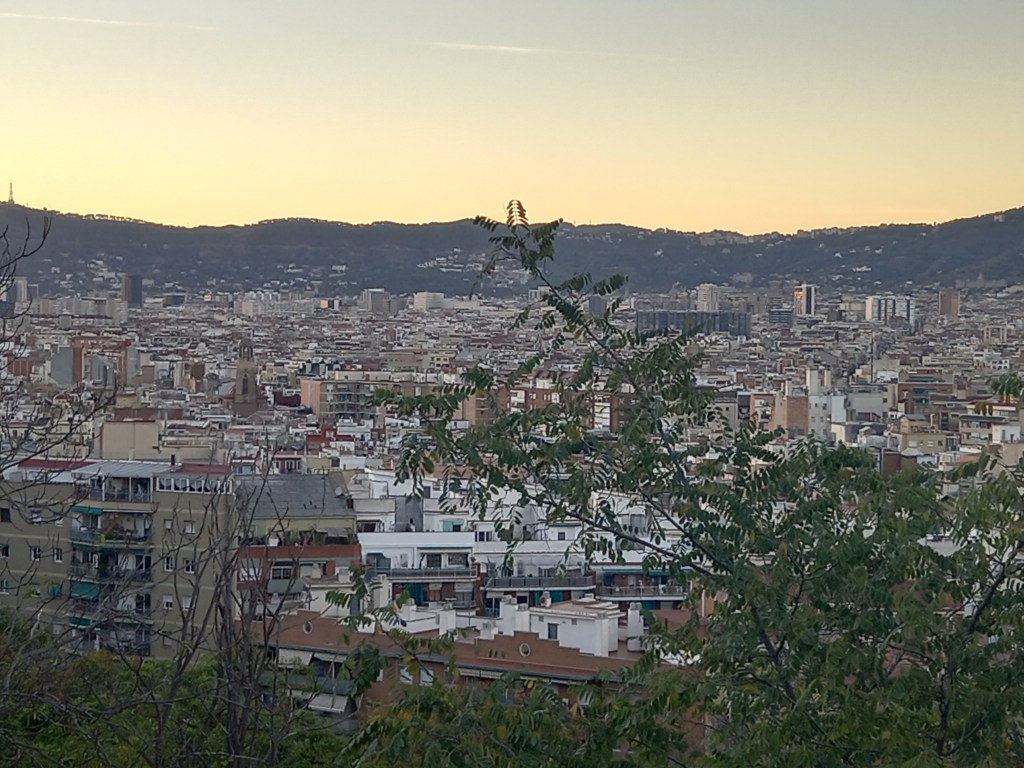
Barcelona is a vibrant metropolis celebrated for designer shopping, fine dining, five-star hotels and, of course, football. Yet beneath its glossy exterior lies a city rich in Catalan culture, dramatic mountain backdrops, and a medieval heart shaped by Roman roots. Wandering through labyrinthine streets, admiring historic architecture from the Picasso Museum to sun-drenched Gothic squares, and lingering over wine and exquisite Catalan dishes beneath swaying palm trees, I felt Barcelona’s perfect blend of history, hedonism, and style.
With frequent flights from the UK, the city makes an ideal long-weekend escape. While FC Barcelona’s global reputation draws football fans from around the world, the city’s deeper appeal lies in its unique neighbourhoods, where history and modernity coexist.
Step Back in Time
Barcelona is a city of contrasts. The Gothic Quarter preserves the medieval heart, with narrow, winding streets, hidden squares, and centuries-old cathedrals that whisper tales of Roman and medieval times. Walking its cobblestone streets, I felt the city’s history seep into every corner: artisans still practice centuries-old crafts, cafés have been serving locals for generations, and the occasional chime of church bells reminds you that the past is ever-present. Built during the 19th century, as Barcelona’s textile industry flourished, the city was meticulously planned as a grid of self-contained blocks, where homes, shops, cafés, and plazas are seamlessly integrated. It’s a testament to Barcelona’s blend of innovation and tradition, and walking through it feels like strolling through a living work of art.

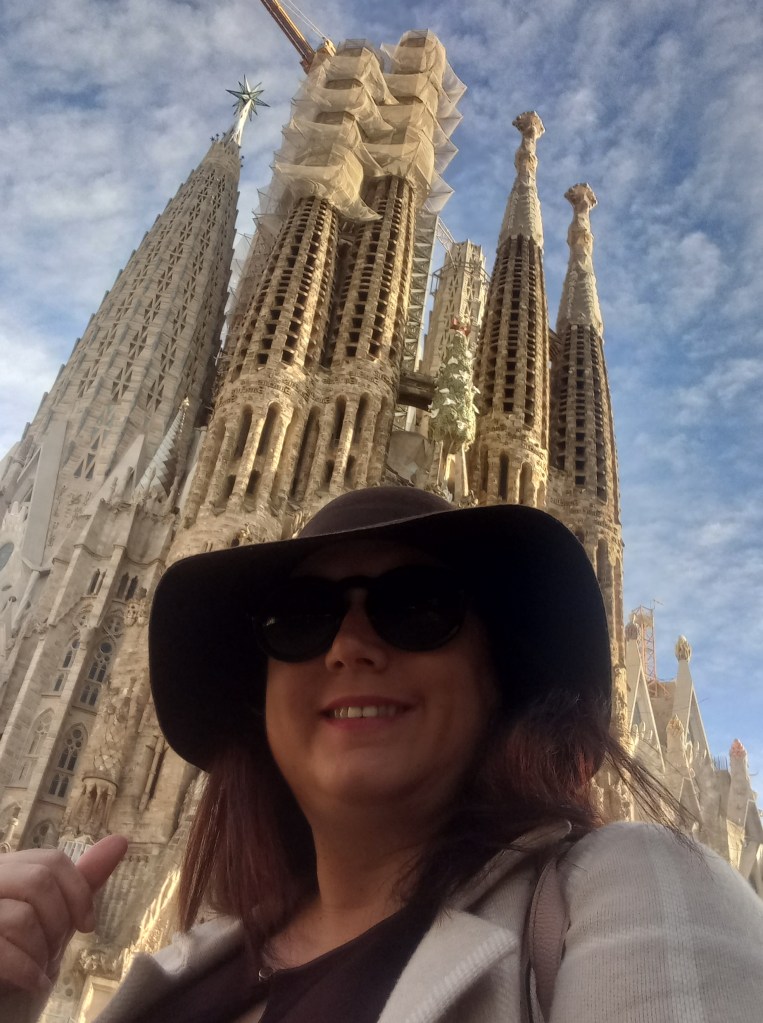
Barcelona’s Roman and medieval roots are interwoven with its modern identity. Antoni Gaudí’s extraordinary Sagrada Família dominates the skyline, a symbol of the city’s unique architectural genius. The Gothic Quarter retains streets seemingly frozen in time, yet just a short walk away, light-filled boulevards and contemporary galleries reveal Barcelona’s ongoing evolution.
El Born: A Neighbourhood of Discovery
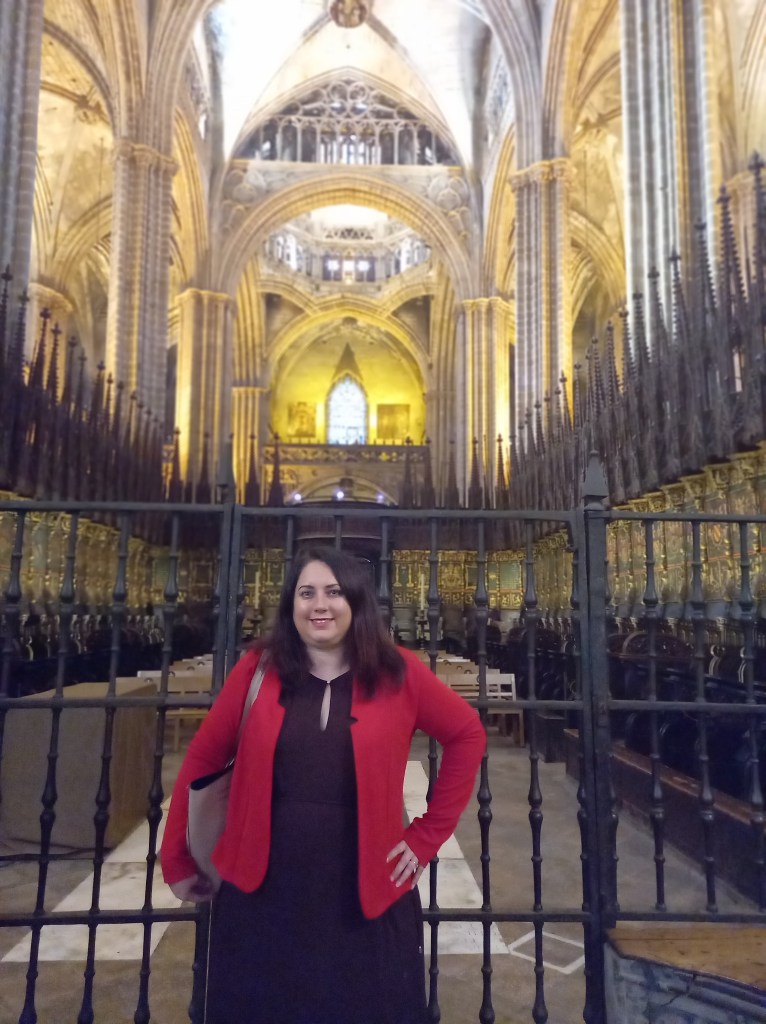
El Born is one of Barcelona’s most enchanting neighbourhoods, where medieval charm meets contemporary culture. Narrow cobbled lanes lead to sunlit squares, tucked-away boutiques, artisan workshops, and intimate tapas bars. I lingered at Mercat del Born, marvelling at the fresh produce, cured meats, cheeses, and local delicacies, each bite a lesson in Catalan flavour. The Santa Maria del Mar Basilica, a Gothic marvel, stands at the heart of the district, its soaring columns and stained-glass windows a spiritual anchor amid the city’s bustle.
El Born is also a hub for creativity. Art galleries and cultural spaces abound, and street art adorns historic walls, adding a modern, colourful layer to centuries of tradition. In the evenings, music spills from intimate bars, and the neighbourhood pulses with energy — a perfect blend of old and new. Every corner offers a story: a local café where I sipped a rich café con leche and I walked to the Arc de Triomph for a pastry..
Yurbban Passage Hotel: Hidden Elegance
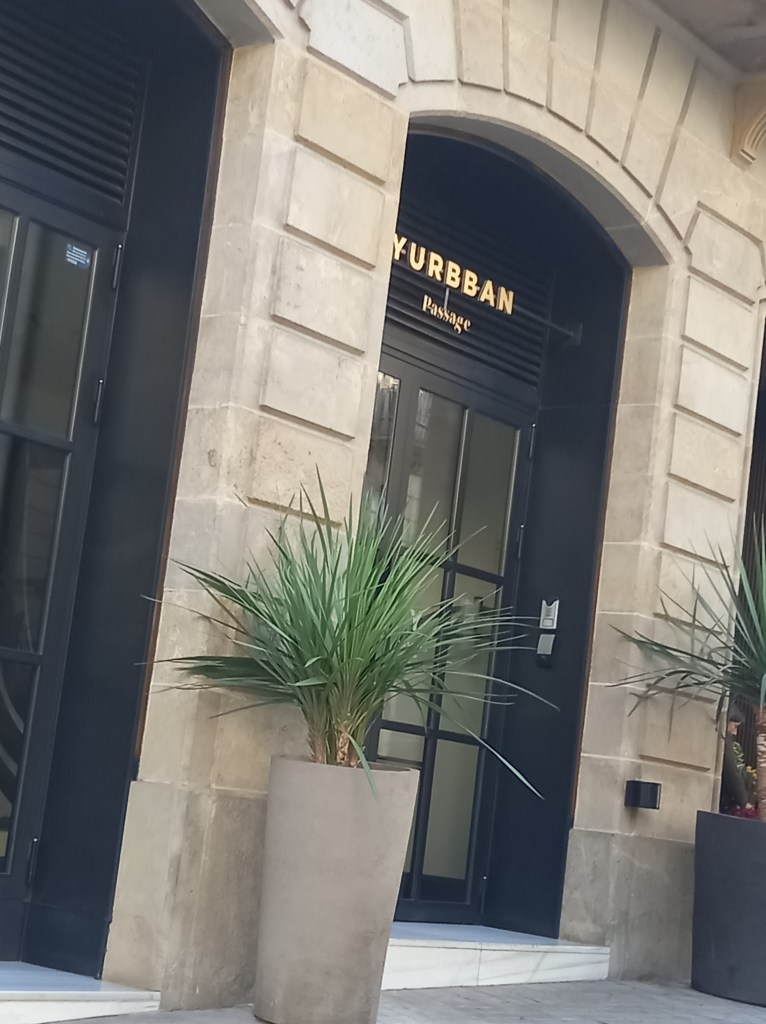
In the heart of El Born, the Yurbban Passage Hotel exemplifies Barcelona’s unique ability to marry history and modern luxury. Housed within a centuries-old merchant passage, the hotel is a jewel of understated elegance. Its rooms blend vintage character and contemporary comfort, with plush bedding, gramophones, walk-in showers, and tasteful décor that reflects the city’s creative energy. Every corner tells a story, antique light fixtures, original woodwork, and carefully curated artwork create a living narrative of Barcelona’s past and present.
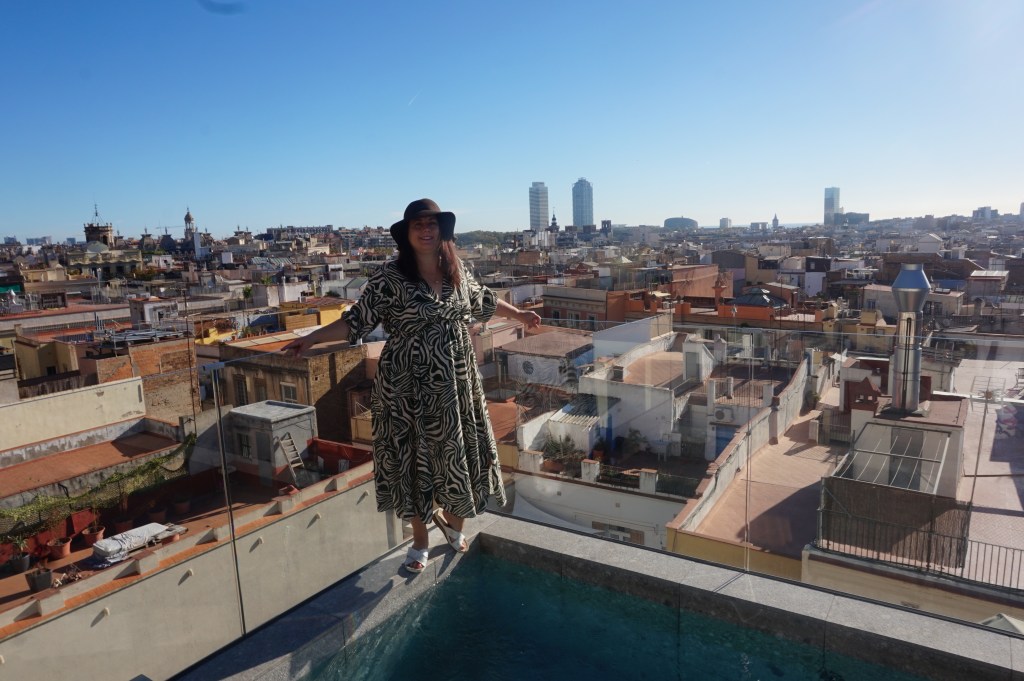
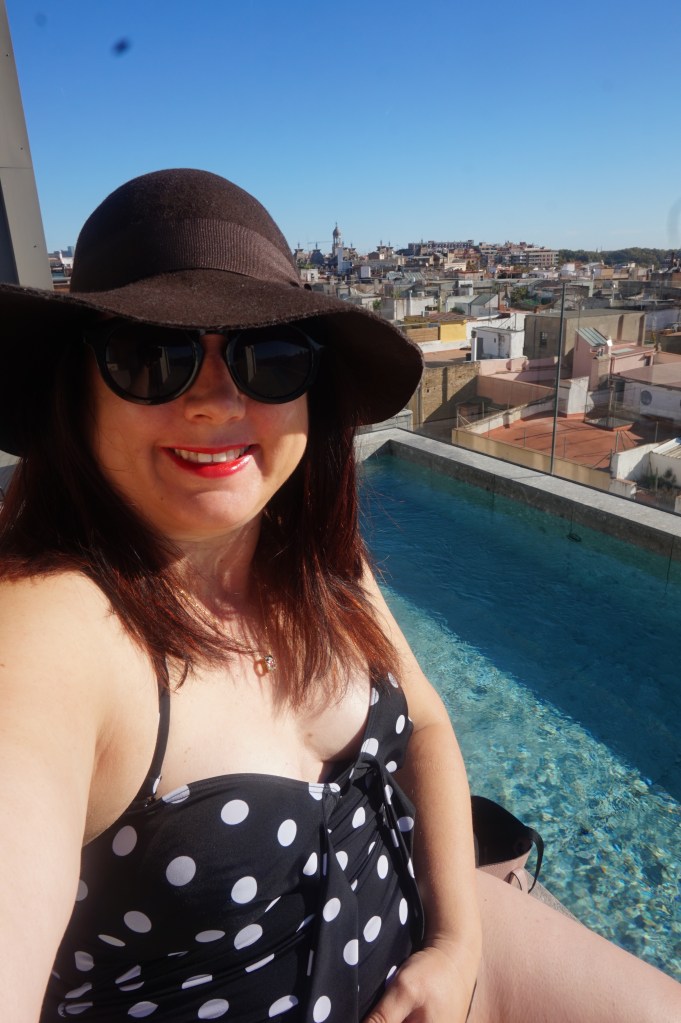
The rooftop pool and terrace offer panoramic city views, from the spires of La Sagrada Família to the twisting streets of the Gothic Quarter. Here, I sipped a cocktail as the sunset painted the sky over the rooftops, feeling both relaxed and exhilarated by the city’s pulse below. The Signature Organic Spa provides a sanctuary of wellness, with massages, facials, and holistic treatments that invite you to linger. Downstairs, a cozy cocktail bar and communal spaces encourage interaction and reflection, making every visit feel intimate and personal. Breakfast is a luxurious affair: butifarra amb mongetes, fresh pastries, seasonal fruits, and artisan cheeses fuel a day of exploration. Visiting Yurbban Passage felt less like checking into a hotel and more like stepping into a living piece of Barcelona itself.
Barcelona by car
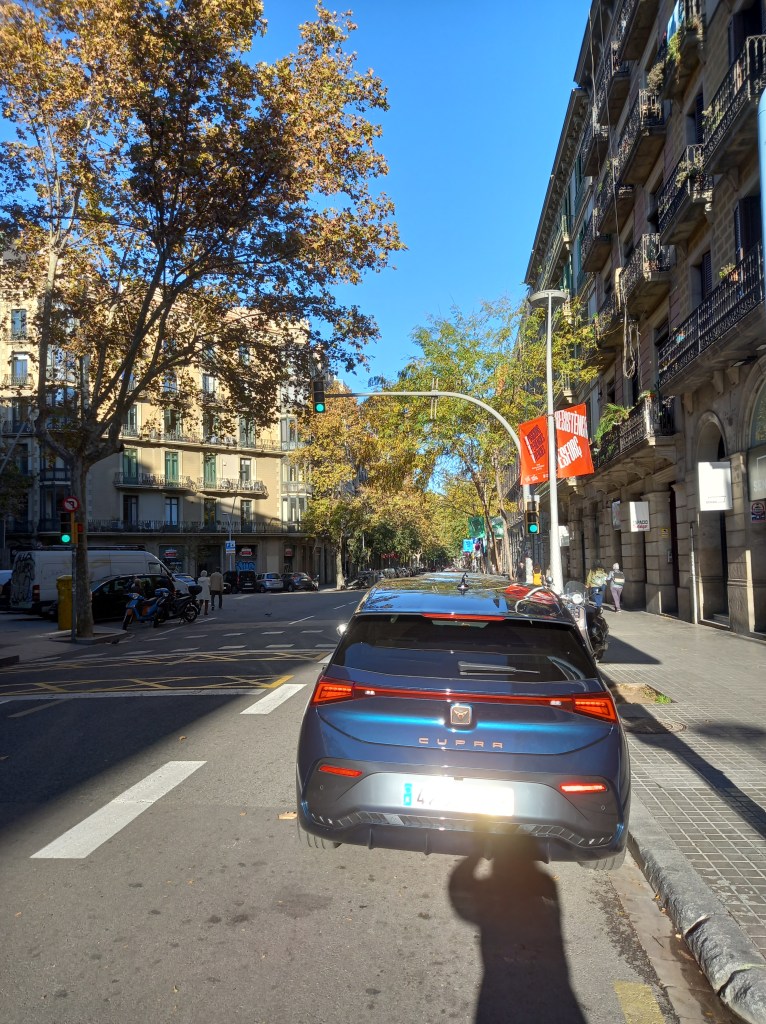
Barcelona is a city which is best explored by car, we took a spin around the city in the new Cupra Born and found it great It is an agile car with precise steering which is a compact size for easy parking. Barcelona’s grid like formation makes exploring the neighbourhoods easy and when it comes to driving outside the city, the Monserat mountains are just 30km away.

Catalan Cuisine and Language
Catalan cuisine is a celebration of bold, vibrant flavours. I savoured pa amb tomàquet, rustic bread rubbed with ripe tomatoes and olive oil, and escalivada, roasted vegetables with smoky sweetness. Seafood lovers delight in suquet de peix, a fragrant fish stew infused with saffron and fresh herbs, while canelons, pasta tubes filled with seasoned meats, offer hearty, comforting indulgence. Desserts such as crema catalana, silky custard with a caramelised top, offer a delicate, aromatic finish that lingers on the palate. Sampling these dishes, I felt immersed in Catalonia’s culinary heritage, each bite revealing layers of tradition, passion, and flavour.
The Catalan language is central to the city’s identity. Though suppressed under Francisco Franco’s dictatorship (1939–1975), Catalan survived and now flourishes in schools, markets, theatres, and daily conversation. Listening to it in cafés and markets, I felt a connection to the city’s resilience, pride, and cultural richness. Barcelona is also famous for its hand-crafted espardenyes, traditional Catalan rope-soled shoes that were famously made for Salvador Dalí and even commissioned for the Pope, and a tapas bar where I sampled escalivada and pa amb tomàquet, feeling the essence of Catalonia in every bite.
Glamour and Decadence: El Palace Barcelona
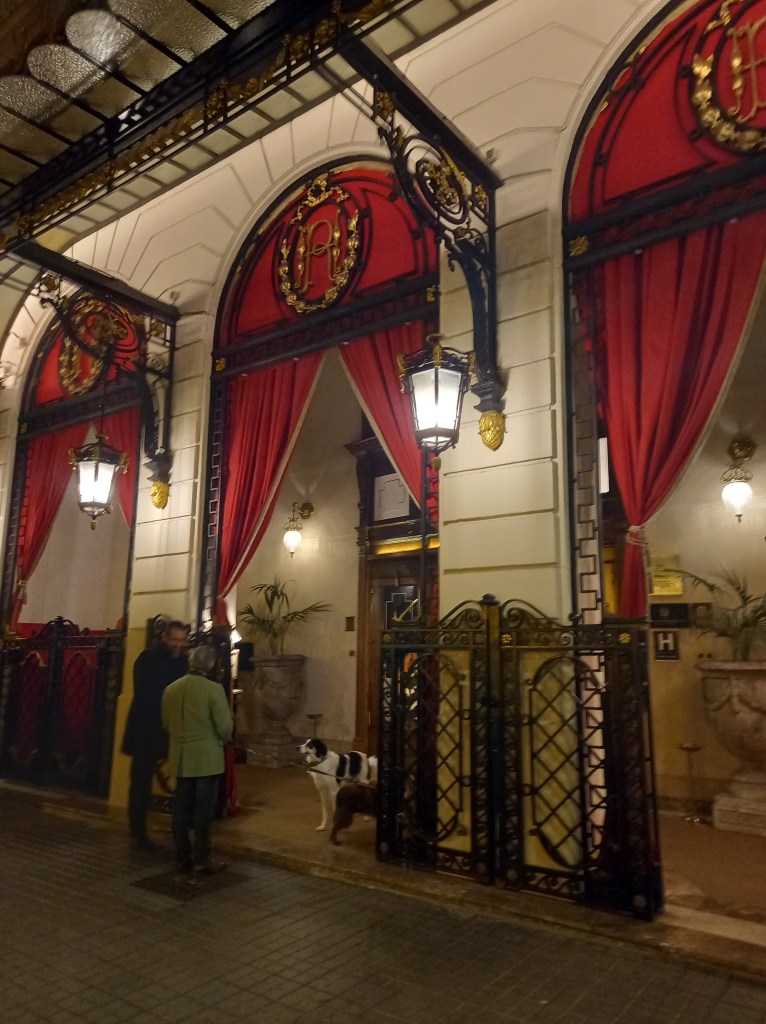
For timeless luxury, I visited El Palace Barcelona, the city’s legendary Ritz. Walking through the red velvet curtains, I felt as though I had stepped back into the decadent 1950s jet set era, imagining champagne flowing and private planes arriving at glamorous soirées. Stepping onto the hotel’s iconic antique rug, worn yet opulent, I could almost feel the footsteps of Ella Fitzgerald, Freddie Mercury, Salvador Dalí, and visiting royalty who had passed before me – a tangible connection to a history of sophistication and style.

Dining at Amar restaurant was an indulgence elevated to art. I began with delicate caviar toast and fresh oysters, each bite a symphony of flavour. But the real spectacle arrived with the Lobster Cardinale – a whole crustacean, crowned with shaved truffles that melted into the rich, succulent meat. Every element was decadent: perfectly seasoned fries, a fresh, vibrant fruit salad, and a dessert tower of profiteroles that felt more like art than food. Eating here, I was acutely aware of the theatre of dining, where every course was a celebration of taste, design, and pure luxury. I felt transported, part of a continuum of glamour and decadence that has defined Barcelona for decades.

Miami Vibes at W Barcelona
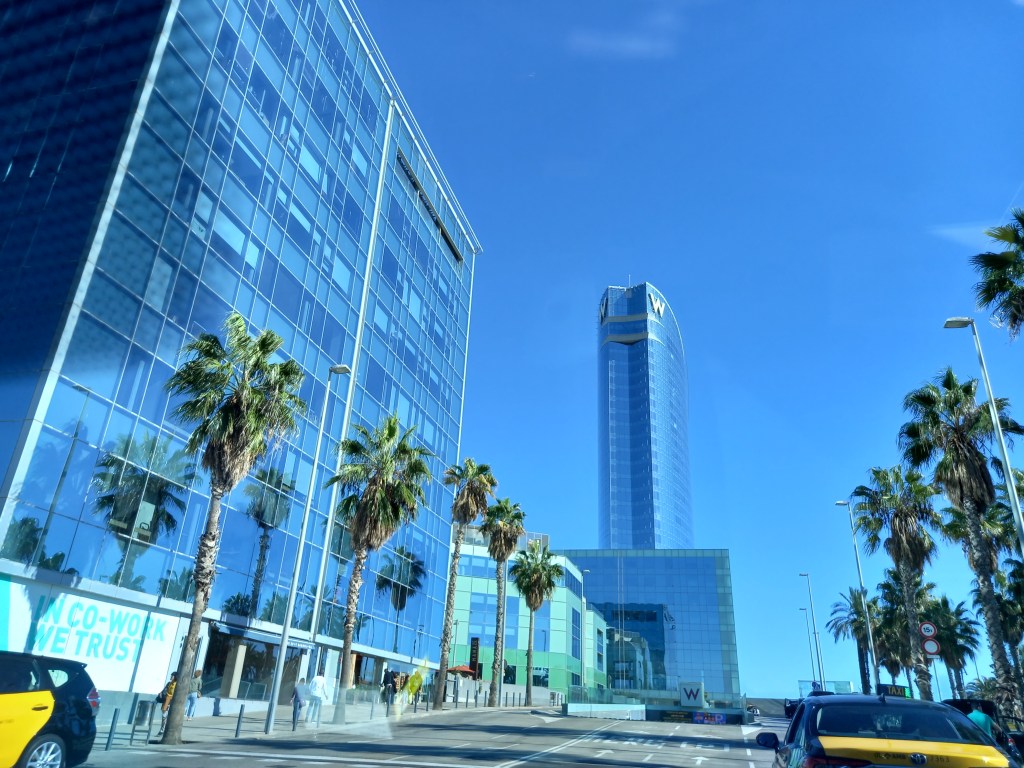
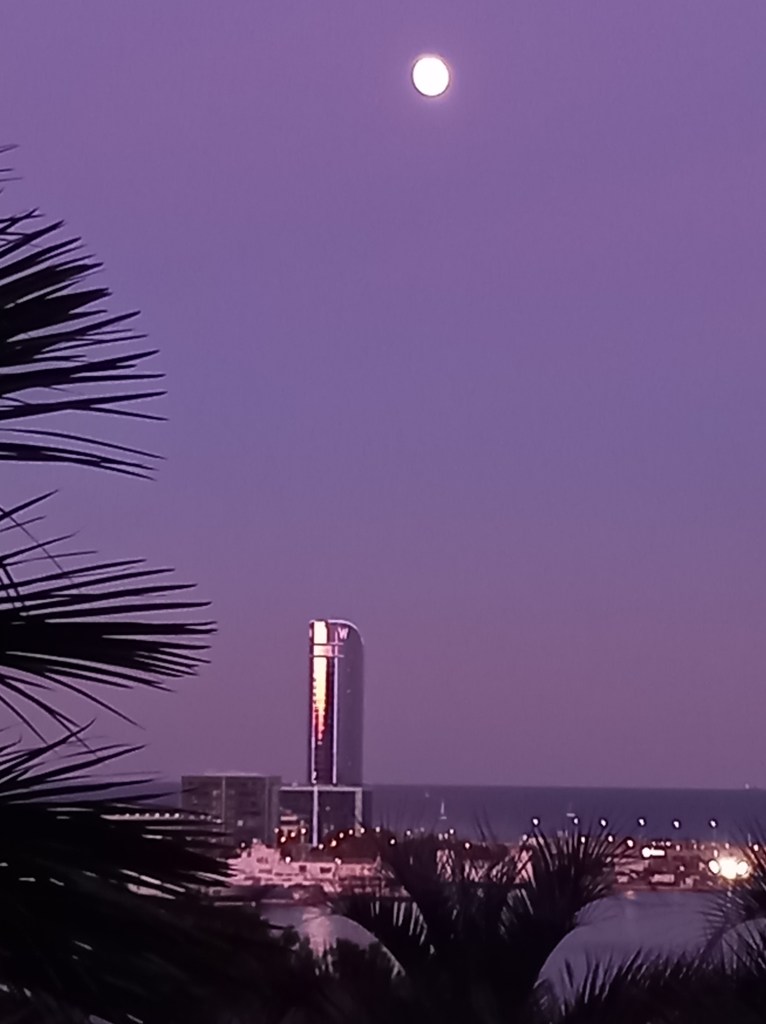
As you step into The W Hotel Barcelona, the sail-shaped icon by Barceloneta Beach, it feels like you’ve landed in a world of glamour. The lobby hums with energy, sleek modern art catching your eye, while the promise of sun, sea, and sophistication lies just beyond the doors. Your room is a sanctuary- floor-to-ceiling windows frame the Mediterranean, a rainfall shower invites you to unwind, and plush bedding guarantees a night of indulgent rest.
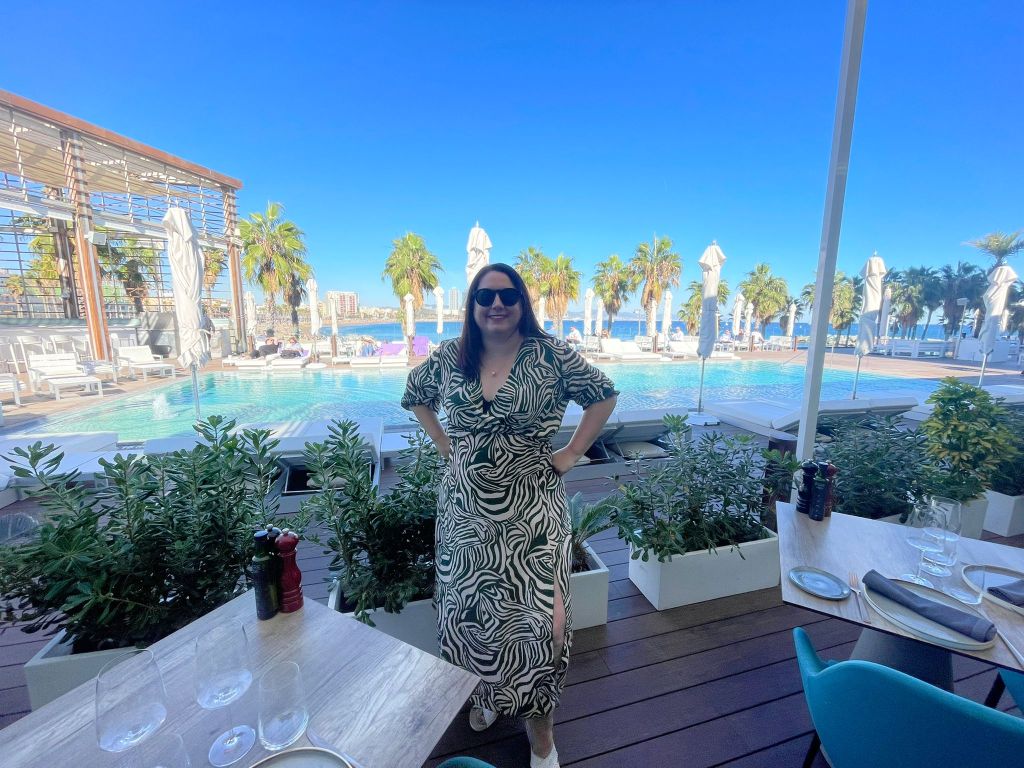
By late morning, the infinity pool beckons. You sink into the warmth, the sea stretching endlessly before you, while a cocktail arrives courtesy of the Salt Beach Club. For lunch, Fire Restaurant serves grilled delicacies by the pool, each dish more tantalising than the last, smoked fish and delicious salads. As the sun begins to dip, you ascend to the Eclipse Rooftop Bar on the 26th floor. The city unfurls beneath you in a golden glow, the skyline meeting the horizon in a perfect union.
You stride out to the beach following the footsteps of famous guests such as Shakira and look out over the marina at the gleaming yachts. This is the place where footballers flock.
Cooking Paella
After a day of sun-soaked bliss, it’s time for a taste of Barcelona’s culinary heart. At The Paella Club, the rhythmic pulse of samba and reggae fills the air as you learn the secrets of Spain’s iconic dish. Under the guidance of chefs who once cooked for Queen Elizabeth II and Gordon Ramsay, you stir, sauté, and season to create the perfect saffron-infused masterpiece. At the end, laughter fills the room as everyone gathers to taste the fruits of their labour.

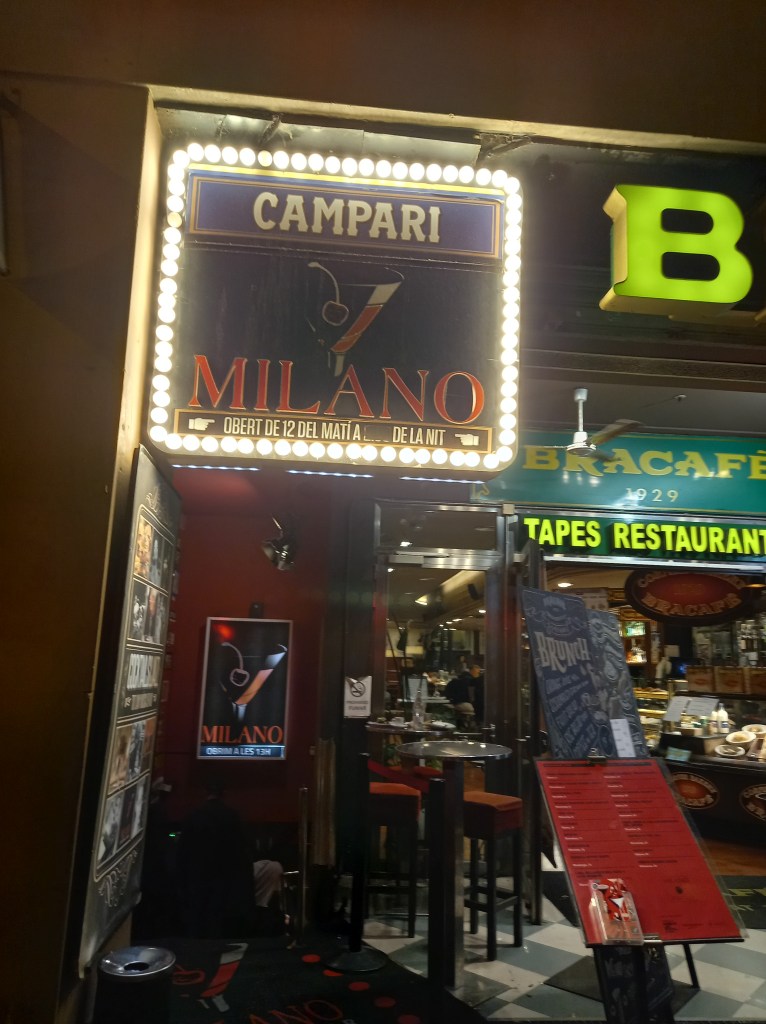
Evenings in Barcelona have a pulse all their own. At the hidden Milano Jazz Club, cocktails in hand, smooth jazz floats through the speakeasy-style rooms, a calm yet elegant prelude to dinner. You descend the stairs and find yourself in a speakeasy with a private view of the stage and during happy hour the atmosphere really draws you in..
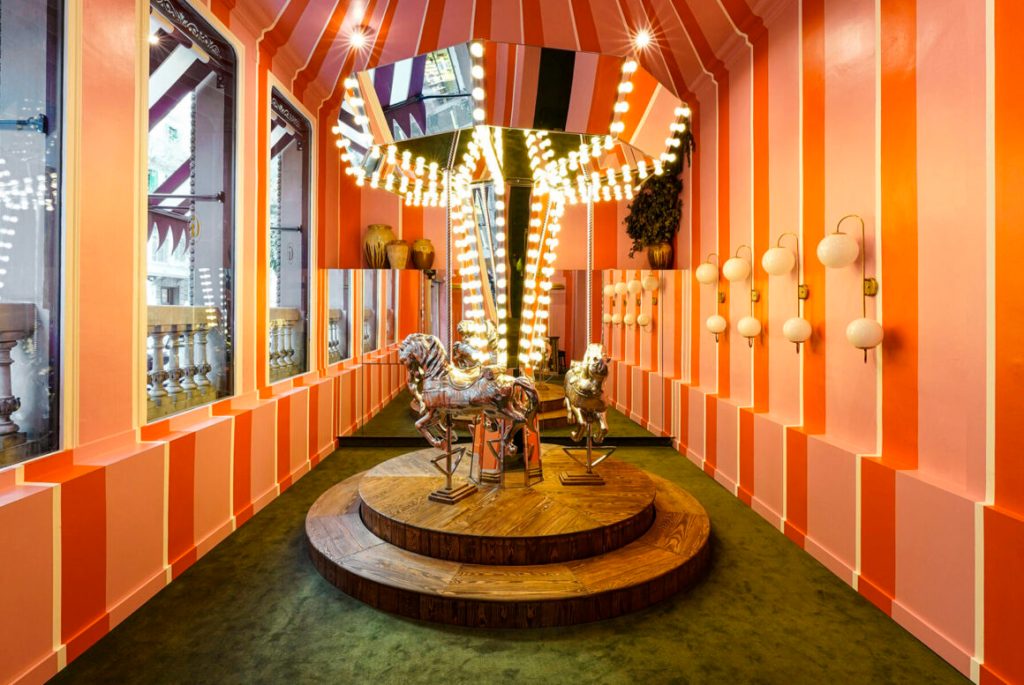
Gala Restaurant is playful and vibrant, a whimsical wonderland where sushi and wagyu share the stage with giant cookies adorned with Lionel Messi latte art. After dinner, the night continues downstairs in the club, where music, energy, and perhaps a brush with celebrity await.

Gala restaurant is a joyful space where you can channel your inner child, from the merry-go-round in the foyer to the flamboyant stripes in the main room and plush seating. A meal at Gala guarantees fun and flirty vibes, and you can enjoy sublime sushi at an extensive bar.
Parc Güell
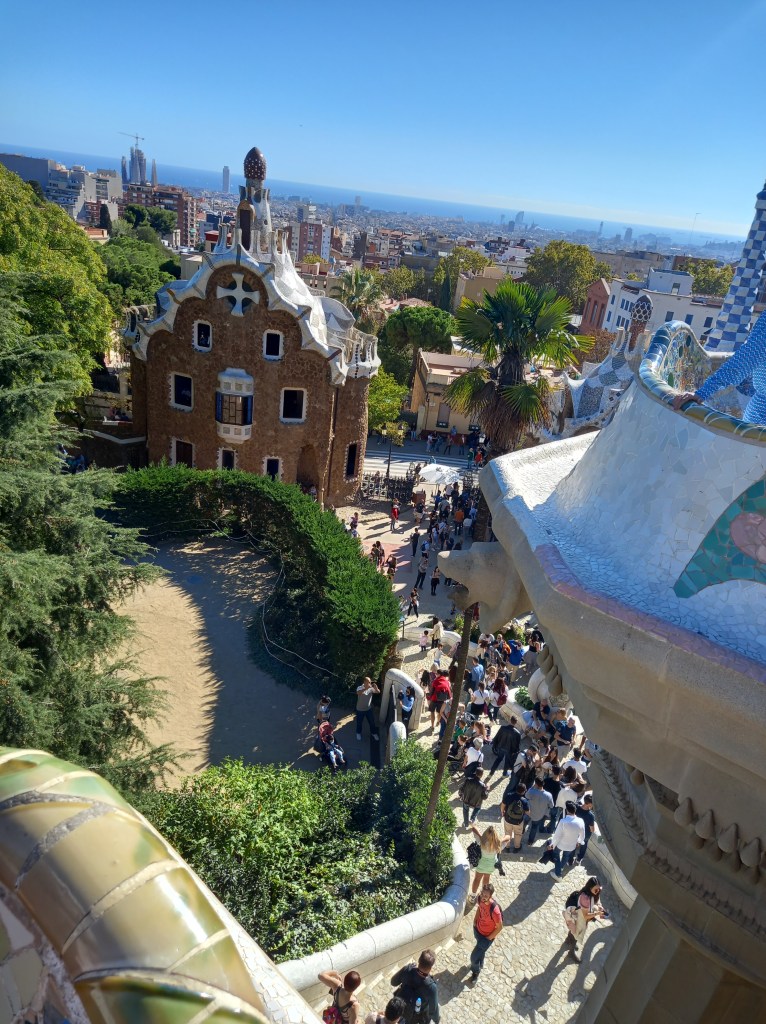
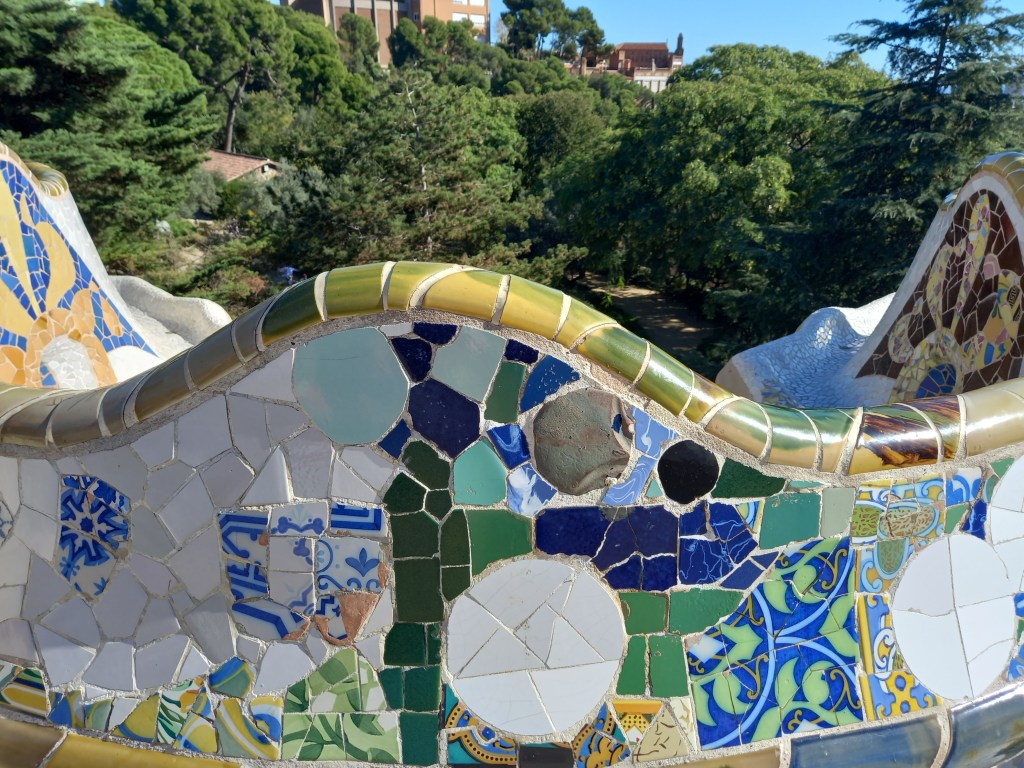
The following day, the city itself becomes your playground, inviting you to explore its many hidden corners and celebrated landmarks. You begin your wander through Parc Güell, Gaudí’s whimsical masterpiece, where every corner bursts with colour and imagination. The park’s mosaic-covered serpentine benches undulate like waves, forming inviting curves that seem almost alive, while vibrant ceramic tiles catch the sunlight, scattering rainbows across your path.
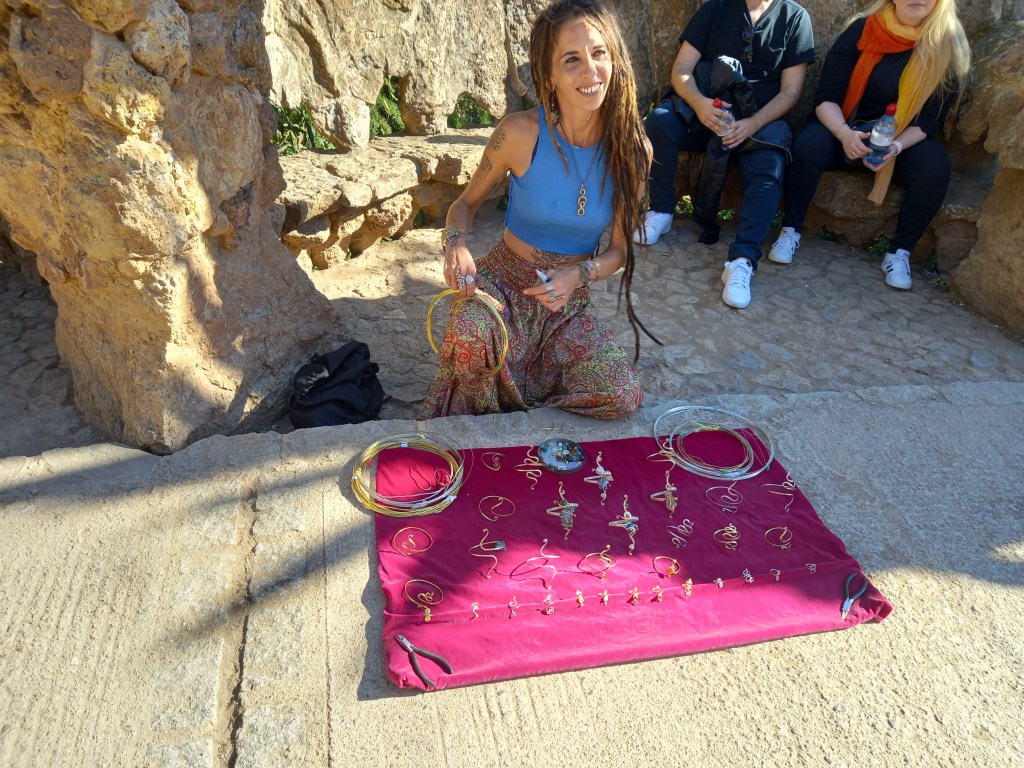
Towering stone columns rise from the ground like trees, supporting shaded walkways that feel both natural and fantastical. Playful sculptures, dragons, salamanders, and abstract shapes, peek out from alcoves, while intricate gingerbread-like pavilions with tiled roofs create a fairy-tale atmosphere. As you ascend to the terrace, the iconic mosaic lizard watches over the park, and you pause to take in the sweeping views of Barcelona’s rooftops and the distant sea. The air is filled with the gentle chatter of visitors, the occasional strum of a guitar, and the rustle of leaves, creating a sense of joyful discovery at every turn.
From there, you stroll the tranquil paths of Parc de la Ciutadella, where leafy avenues and sparkling fountains offer a quiet retreat from the bustling city. Birds flit among the trees, and the soft murmur of water lulls you into a contemplative pace, a perfect counterpoint to the park’s lively open spaces where families picnic and musicians fill the air with spontaneous melodies. Park Ciutadella features a monumental waterfall, 19th-century buildings, and a lake for rowing boats. ‘

Rising above Barcelona’s lush Montjuïc hill, the Telefèric de Montjuïc offers one of the city’s most breathtaking aerial experiences. Departing from the station near the Miramar Gardens and Mirador de l’Alcalde, visitors glide over terraced gardens, fountains, mosaics, and the nearby cactus-filled Mossèn Costa i Llobera Gardens, all framed by sweeping city vistas. The gondola ascends gracefully to Montjuïc Castle, where panoramic views of Barcelona’s skyline, harbour, and the Mediterranean stretch endlessly.
Easily accessible via the Paral·lel Metro followed by the Montjuïc Funicular, the cable car provides both one-way and round-trip options, with seasonal hours that make it a perfect morning or sunset excursion. Distinct from the red-cabined Port Cable Car, which spans Port Vell, this ride focuses on the hill’s verdant beauty and historical landmarks, offering travellers an unforgettable perspective of the Catalan capital and breathtaking views of the coastline and port.

We took a stroll through the Mossen gardens. The area’s cooler microclimate supports 800 species of cacti, and looked beyond for views over the city.


At Tereza Martinez, enjoy a glass of Sangria while live Spanish music plays, the restaurant serves lobster and champagne and gets vedy lively. Book to avoid disappointment,
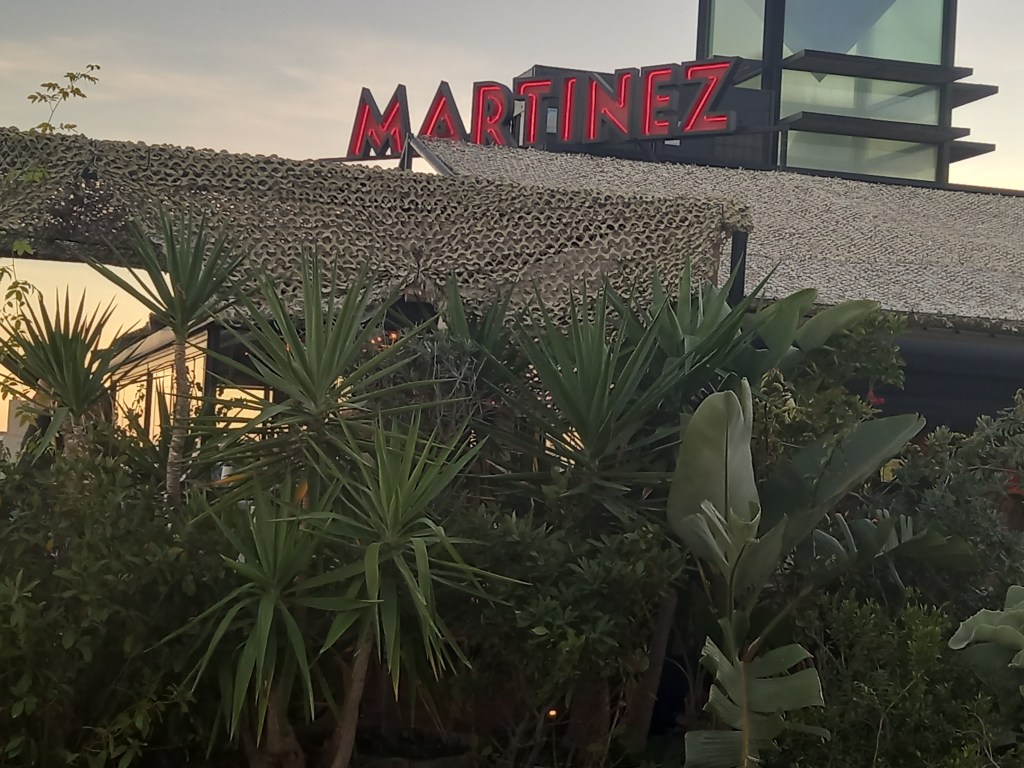
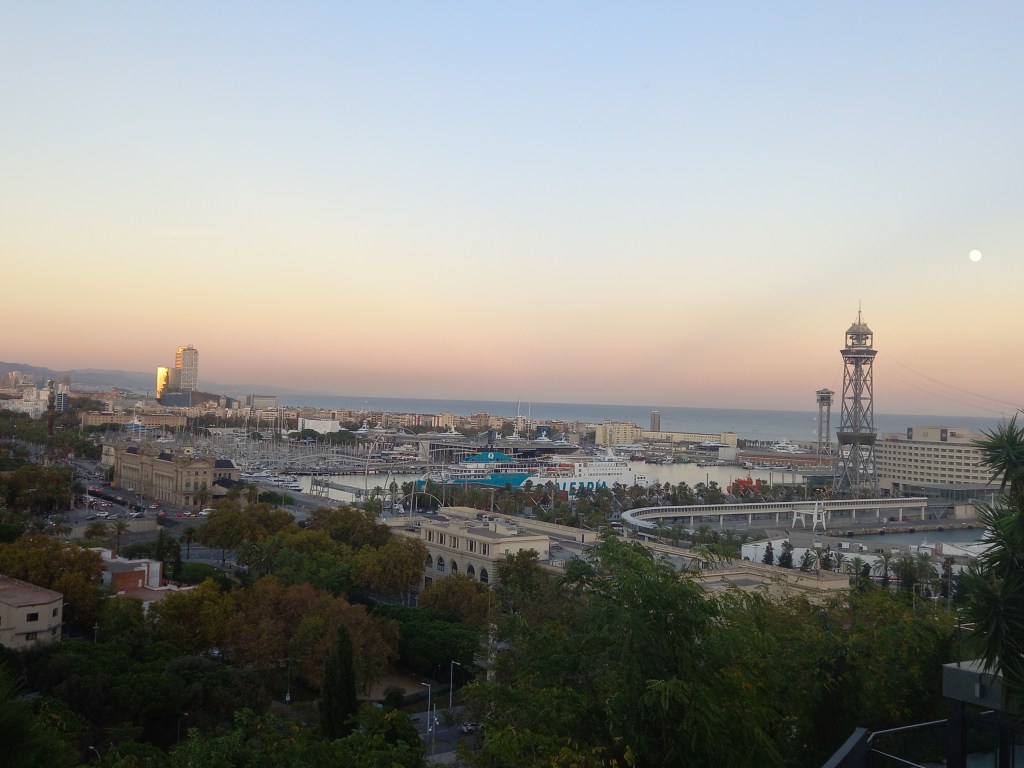
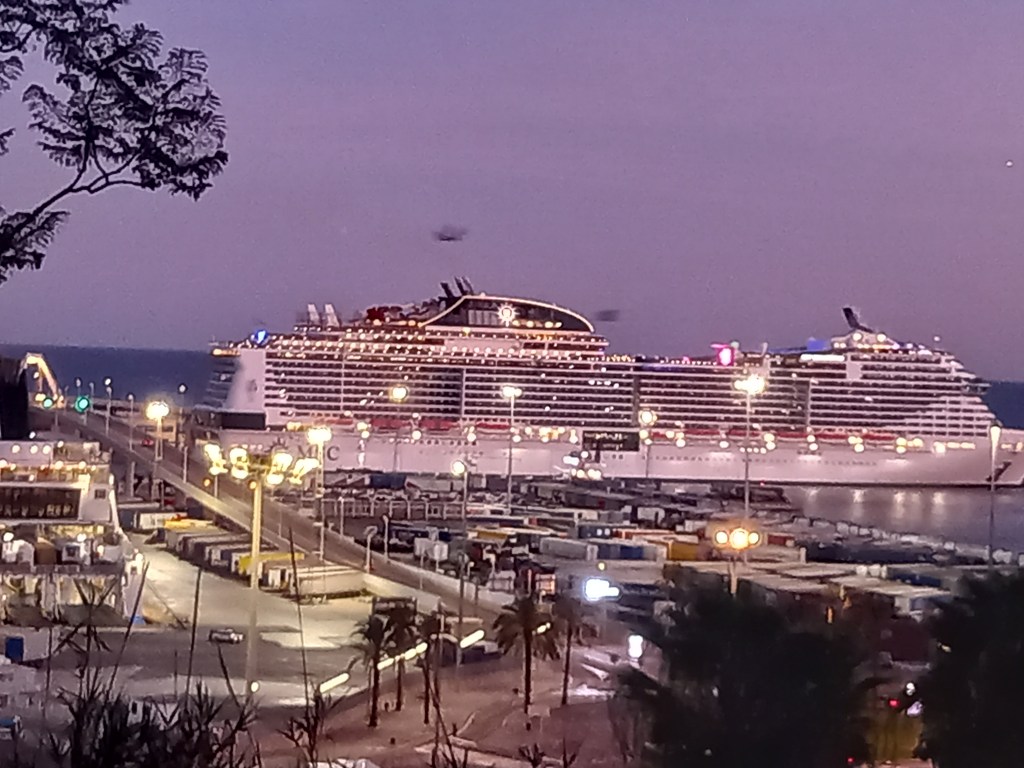
We headed to the Miramar hotel for cocktails and watch the ships come in and out of the harbour with all the glittering buildings lit up in a millionaire’s paradise. We spent our final night soaking up the views.
Montserratt

For a change of pace, just an hour’s drive away you’ll find the magnificent Monserrat mountains jusr 30 km away.
The Montserrat Basilica is a beautiful Benedictine retreat with stunning views of the Catalonian countryside. The Montserrat Mountains rise dramatically from the Catalan landscape, their jagged peaks carving an unforgettable skyline. You can take a train to the top to explore the 11th-century Santa Maria de Montserrat Abbey, a significant site in Catalonia’s cultural and spiritual heritage.
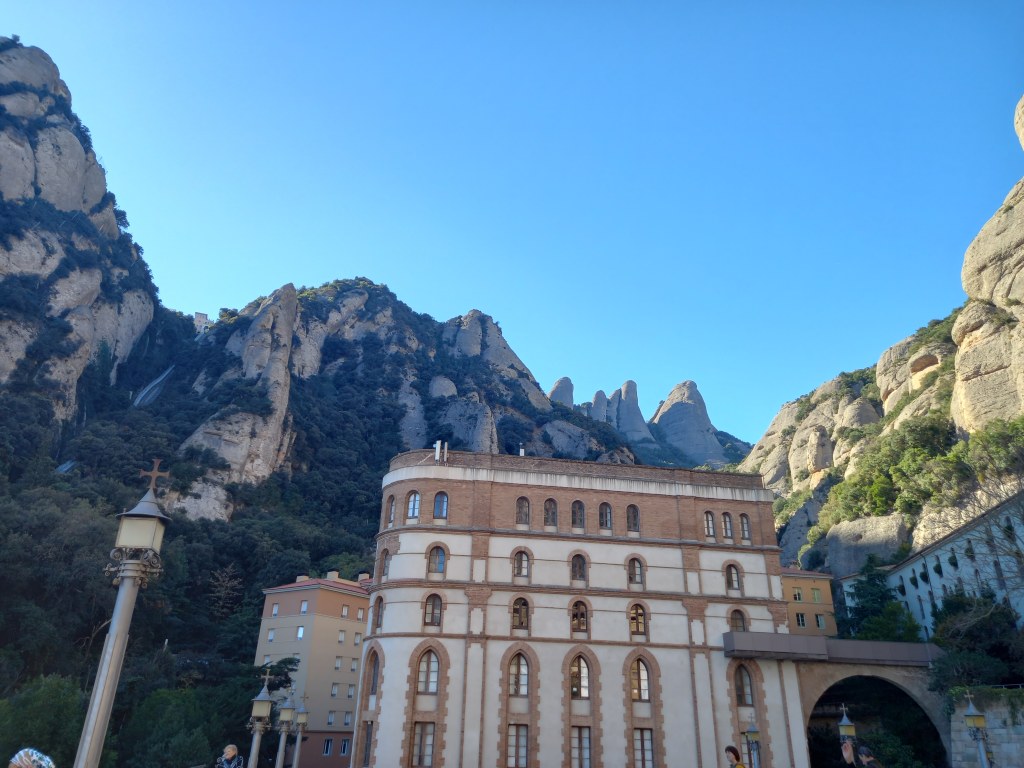
Many visitors come to the Basilica to see the famous Black Madonna, which is believed to have been carved in Jerusalem. Be sure to experience the angelic sounds of the Escolania de la Basílica de Montserrat Choir, one of the oldest choirs in Europe, founded in the 14th century. If you seek serenity, you can visit the Montserrat Monastery, home to the revered Black Madonna. Don’t miss the chance to climb to Sant Jeroni, the highest peak, where you’ll find panoramic views stretching across Catalonia. With its blend of natural beauty, spiritual heritage, and cultural treasures, Montserrat is a must-visit destination that truly captures the essence of Catalonia. Enjoy the lively atmosphere of Catalan dancers and relax in the sun while taking in breathtaking mountain views.

Art lovers will appreciate the adjoining gallery featuring works by Salvador Dalí and Claude Monet. On your way back, stop for lunch at Nou Urbisol, a hidden gem offering exceptional local cuisine, from lobster soup to gourmet Catalan dishes, with the option to dine on a lovely new terrace.

You explore the 11th-century abbey, gaze upon the Black Madonna, and are moved by the angelic harmonies of the Escolania Montserrat Choir. Art lovers can linger in the adjoining gallery, admiring works by Dalí and Monet, before enjoying a leisurely Catalan lunch at Nou Urbisol, the terrace offering panoramic mountain vistas.

Barcelona lingers in your memory as a city of contrasts: beachside luxury and bustling streets, whimsical architecture and world-class cuisine, vibrant nightlife and serene gardens. Each corner reveals something new, something unforgettable. And as you return to your room at The W, the city lights twinkling in the distance, you realise that this is a place you’ll want to return to each weekend.
Getting there: Regular flights from most UK airports. Flights from Gatwick start from £35 one way with EasyJet.
Stay at the Yurbaan Passage for £361 per night with Mr and Mrs Smith.
 LUXE Serendipity magazine
Leave a comment