By Donna Richardson
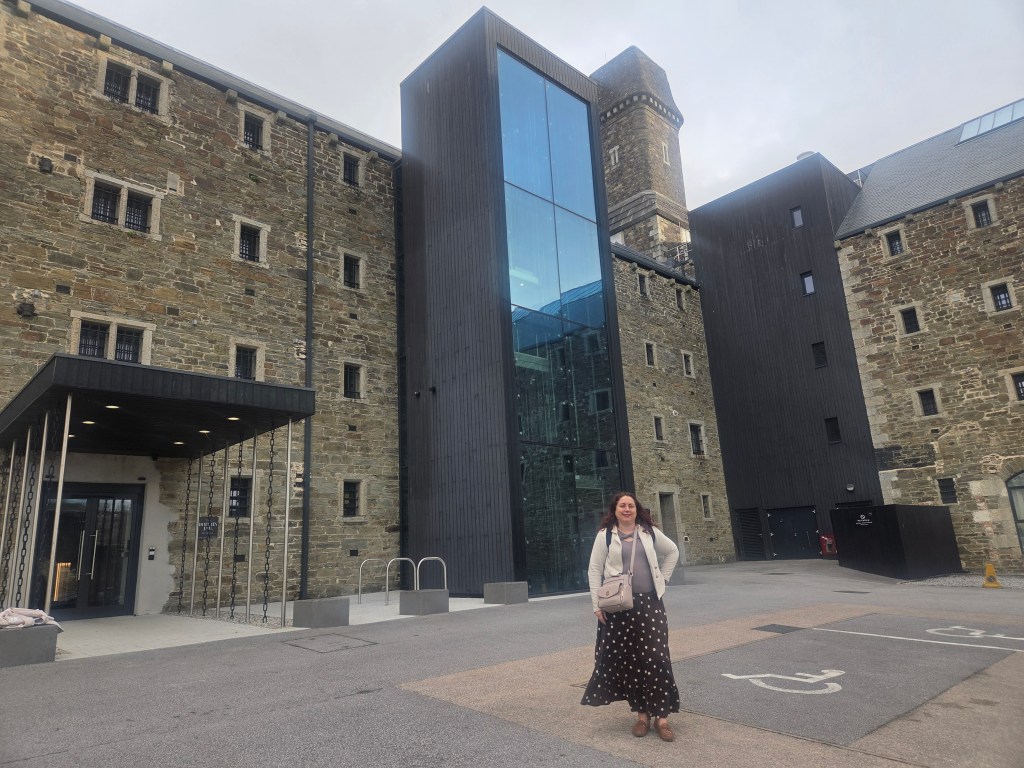
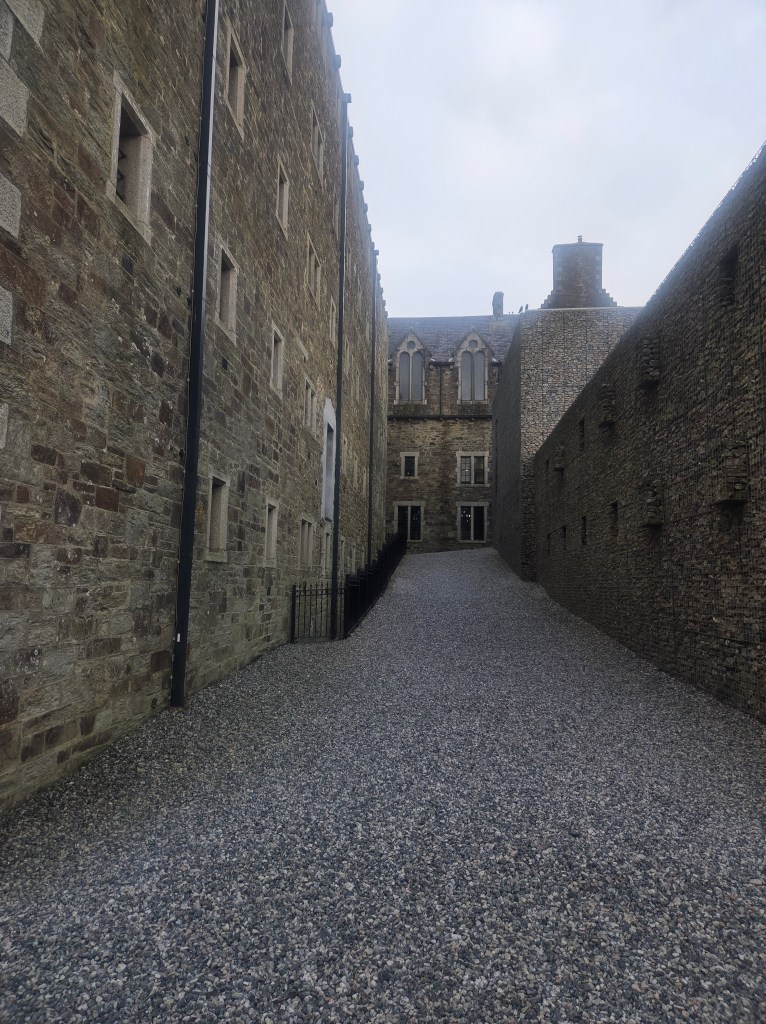
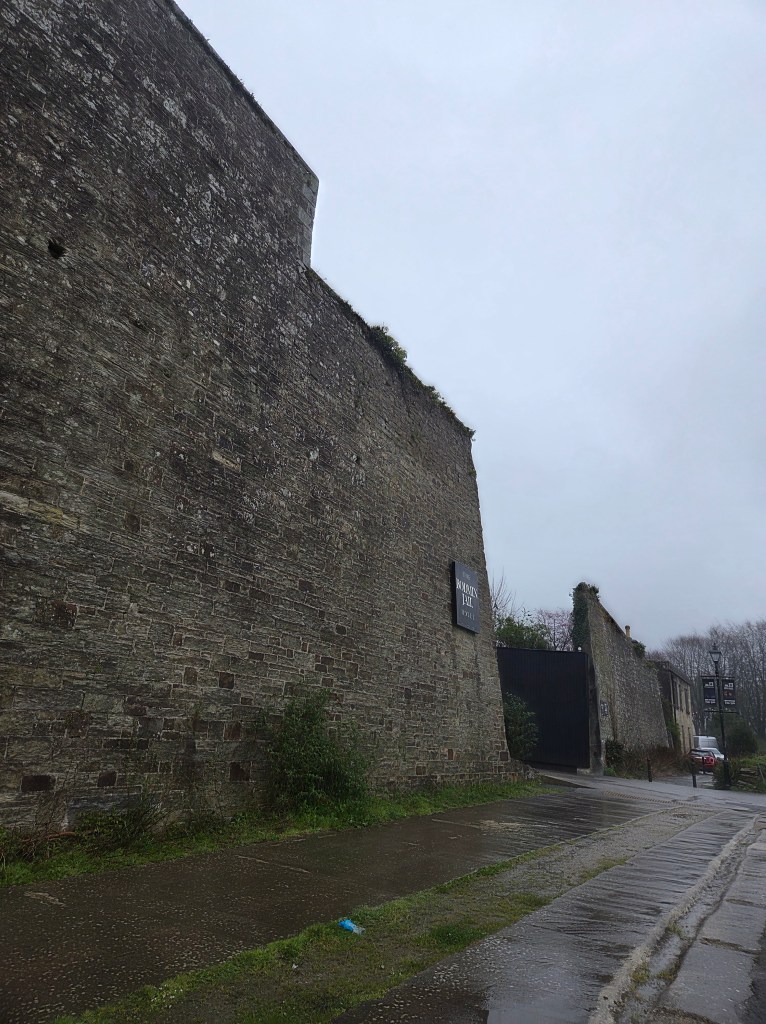
I never thought I’d willingly spend a night behind bars- yet there I was, suitcase in hand, arriving at Bodmin Jail just as evening settled over Bodmin Moor. Clouds hung low, wind stirring the bracken, and the imposing Victorian stone walls rose starkly on either side. A glass lift threaded a modern spine through centuries of stone, while iron chains across the entrance reminded me that this place had once been about containment – but tonight, visitors came here of their free will for a luxury hotel stay.
Inside, the reception was dim, shadows clinging in corners. “First time staying with us?” asked the receptionist. I nodded. “Feels… unusual.” She smiled knowingly. “You’re not the first.”
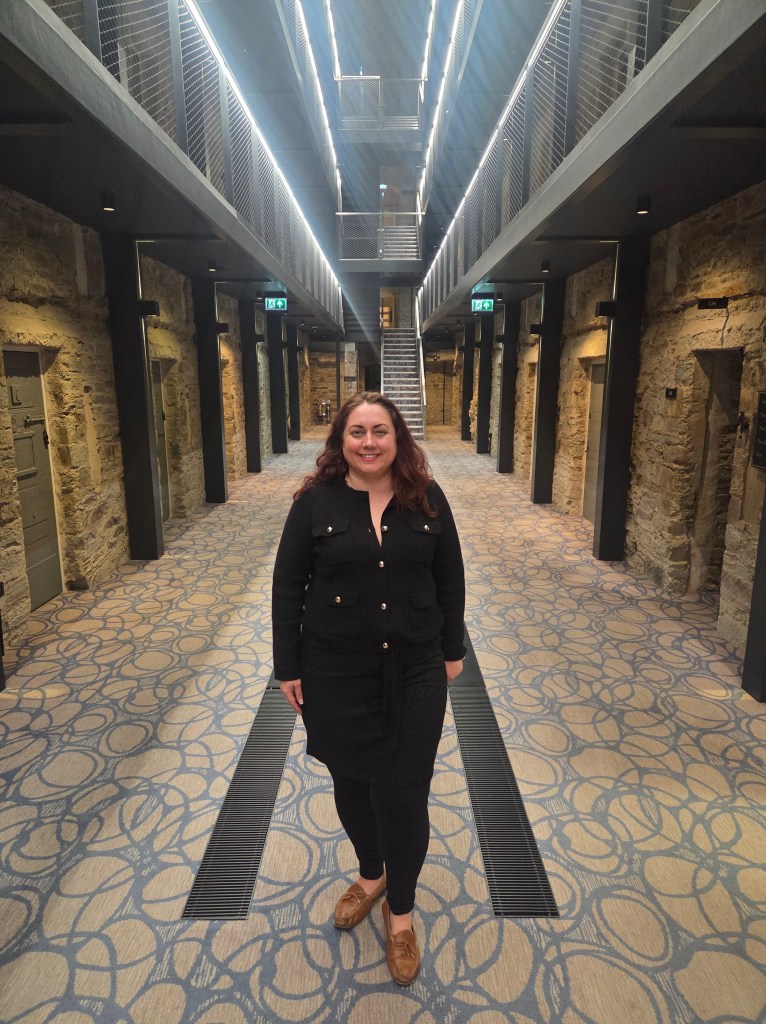
I glanced down the hallway and up to the rafters, it looked just like any prison I had seen on TV – but this was a luxury hotel – it was hard to comprehend as I looked at all the little cells which had been transformed into hotel rooms – I gulped and started to walk down – lost in a silent and eerie atmosphere but excited too,
After checking in, I walked deeper into the heart of the 70-room hotel. Bodmin Jail had been carefully restored to resemble a high-security facility, but with comfort and luxury in mind – a strange combination. Stone walls, iron doors, and narrow landings whispered of centuries past, while modern touches reminded me this was a hotel where history met luxury.
Ghostly encounters
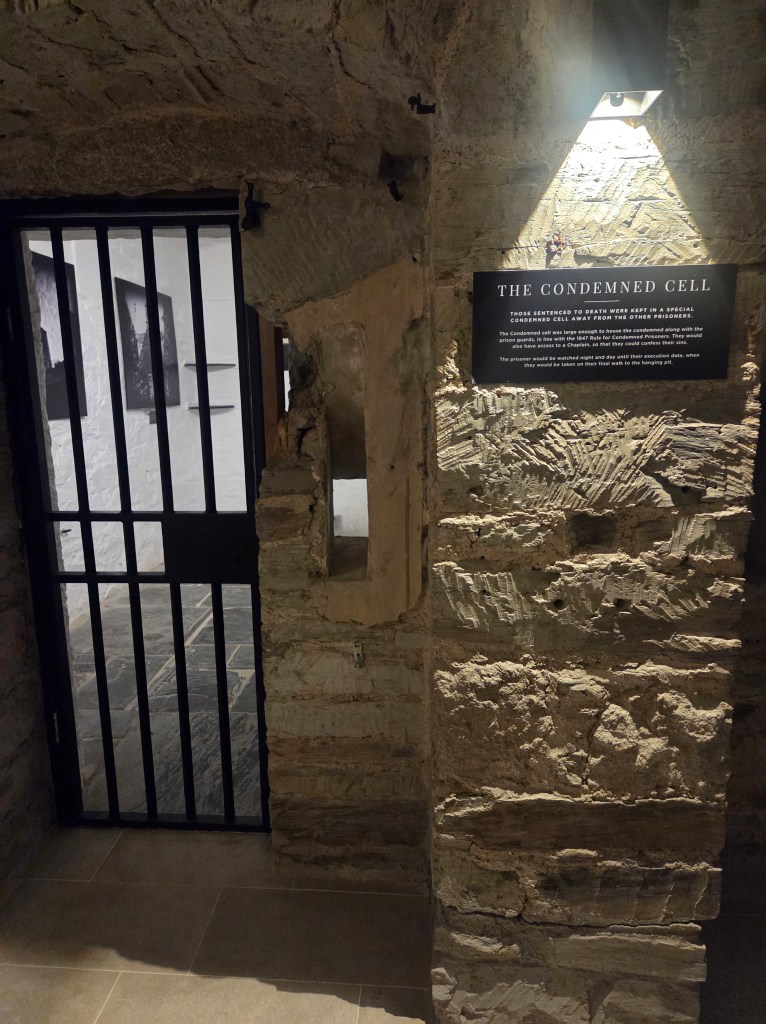
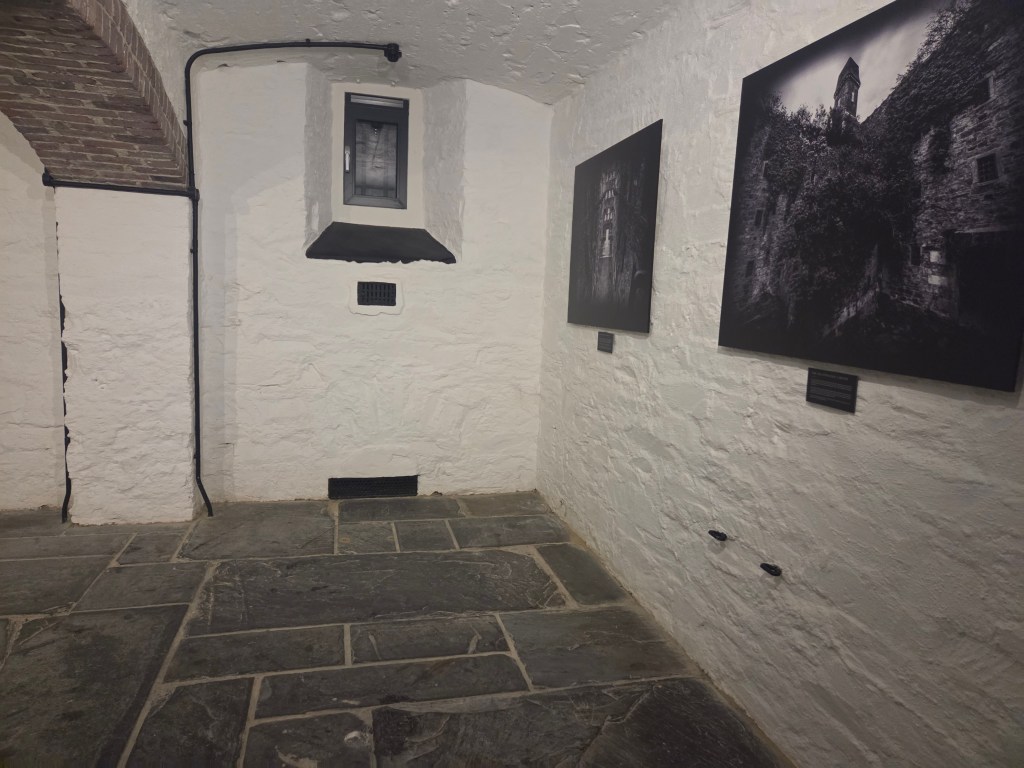
The chapel was quiet, the condemned cell just to the right, and beyond that lay the historic walk of shame to the gallows. I followed the path, imagining the footsteps that had passed before me, feeling the weight of history in the walls themselves.
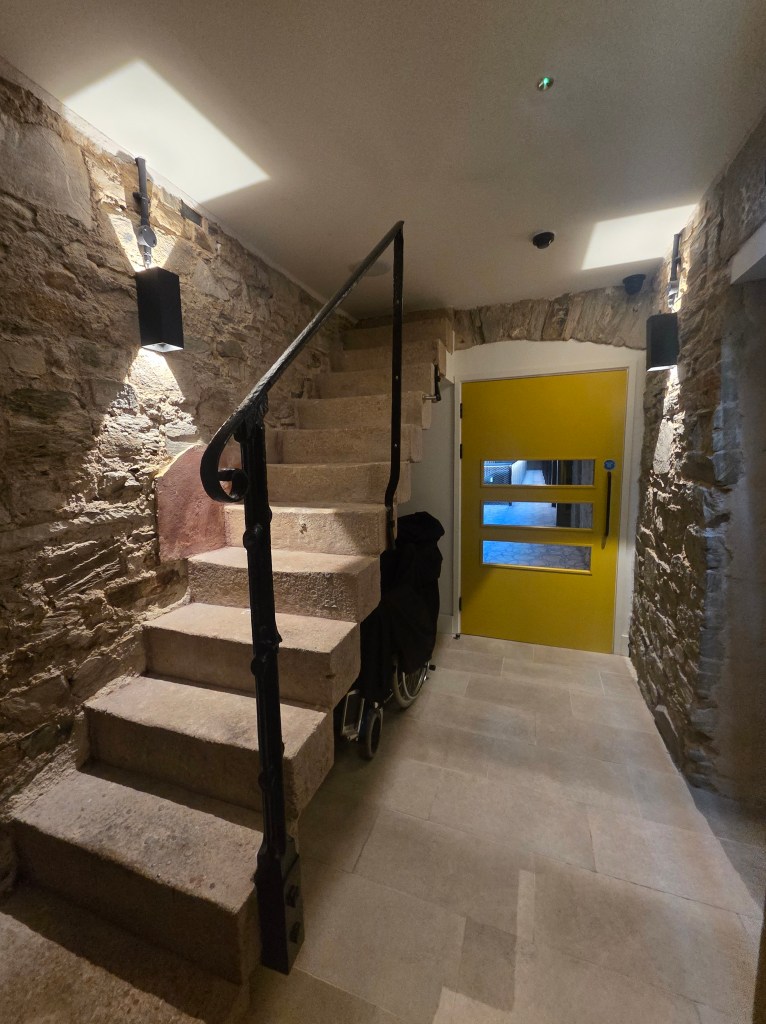
A narrow set of stone stairs spiralled upward, their surfaces worn smooth and polished by the relentless passage of countless boots over the centuries. As I reached the top, I found myself gazing down long corridors lined with ancient stone cells, their heavy walls whispering tales of the past. The harsh iron bars that once confined prisoners had been replaced with brightly painted doors, each hue vibrant against the shadowy backdrop, creating an eerie contrast that infused the air with a sense of vibrancy amidst the stillness. I was scared.
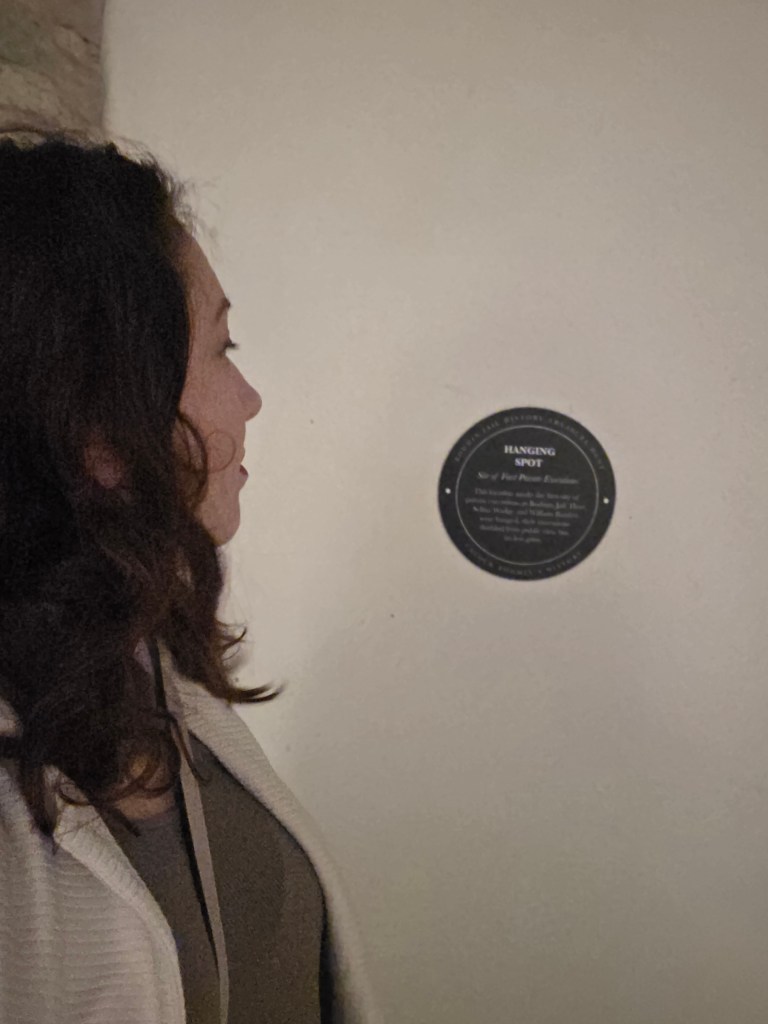
One flight of steps veered off into an emptiness, its destination lost to time, while a plaque, weathered yet dignified, marked the sombre spot where Selina Wadge had met her fate—hanging like a silent witness to the echoes of history, serving as a quiet reminder of the lives that had intertwined within these walls. Pockets of cool air swirled around me, brushing against my arms and neck, carrying with them the faintest whispers of the many souls that had traversed these corridors before me, each breath laden with stories waiting to be unearthed.
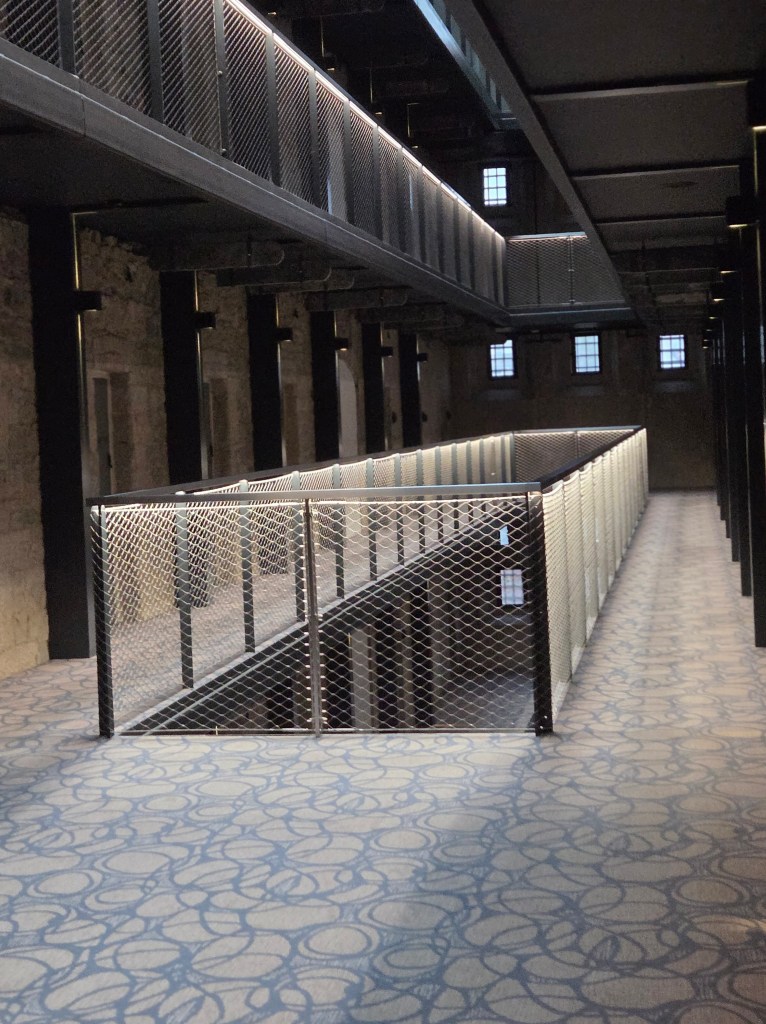
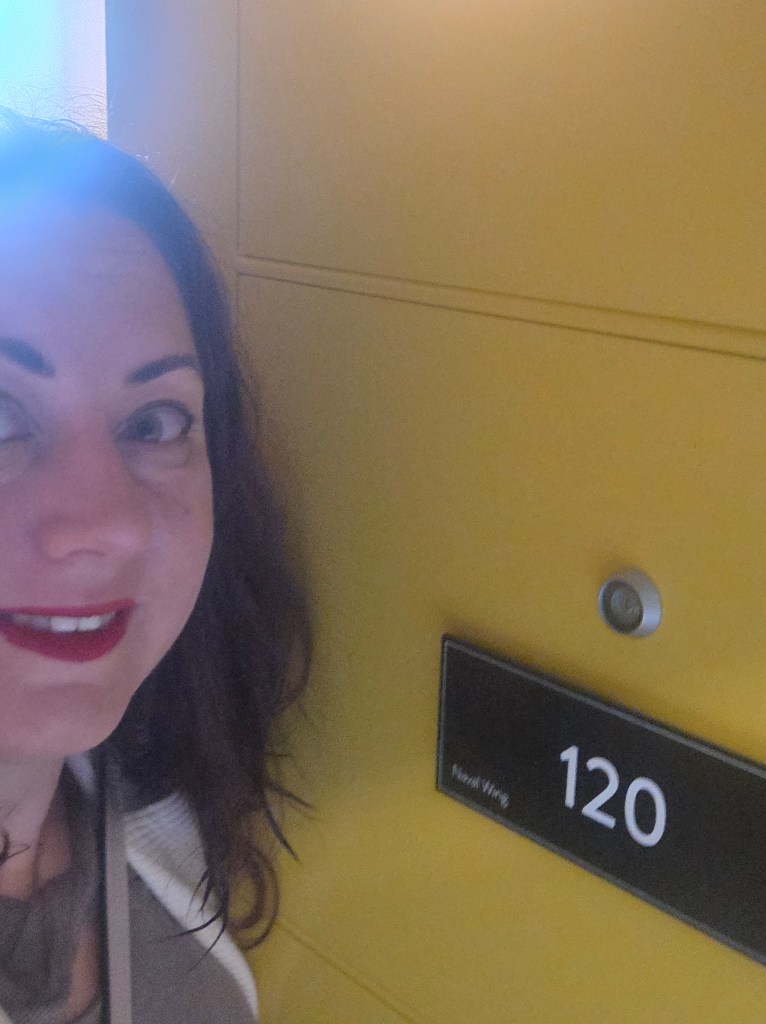
I walked down the dimly lit corridor for about 100 meters, the sound of my footsteps echoing against the cold, sterile walls. As I approached Room 110, an unsettling chill crept over me, and I cast a wary glance at the ominous Naval Wing. The silence of the hall was thick and oppressive, heightening my sense of unease, so I quickened my pace and stepped into the cell, shutting the door firmly behind me. The sound of the latch clicking into place felt final—my freedom would be confined within these walls for the next few hours. Yet, as I took in the room, I was surprised to find it strangely inviting. The cell, with its neatly made bed and soft lighting, felt almost luxurious when compared to the haunting, shadowy corridors outside.ind me. The sound of the latch clicking into place felt final—my freedom would be confined within these walls for the next few hours. Yet, as I took in the room, I was surprised to find it strangely inviting. The cell, with its neatly made bed and soft lighting, felt almost luxurious when compared to the haunting, shadowy corridors outside.

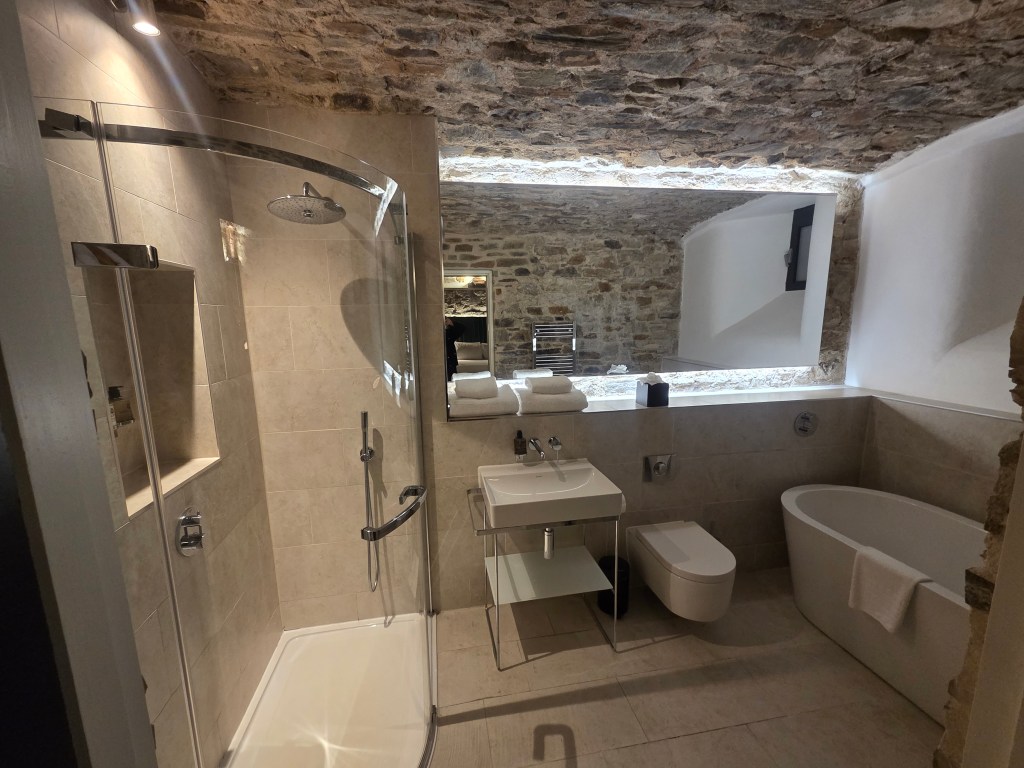
Gone were the visions of bare stone floors and chilling iron bars, replaced by an unexpectedly luxurious refuge. The room featured a sumptuous king-sized bed draped in crisp linens, a finely crafted wooden writing desk, and an inviting armchair perfect for quiet reflection.
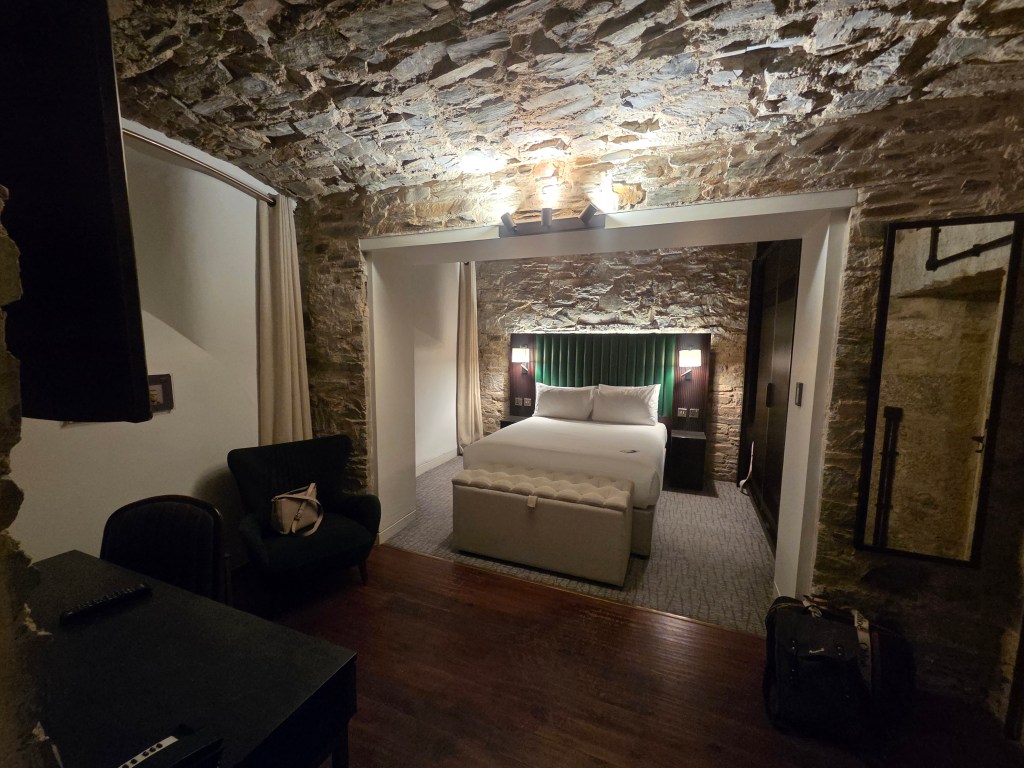
Soft ambient lighting illuminated the ancient walls, creating a warm atmosphere that blended history with modern comfort. Small windows framed enchanting views of Bodmin Moor, where moonlight danced across the hills.Modern amenities added sophistication: a flat-screen TV, a fully stocked minibar, and a rainfall shower ensured relaxation. The Nespresso machine filled the air with the rich aroma of coffee, highlighting the comforts of contemporary living.A brass plaque revealed the name of a former resident, William Sim, who was imprisoned for theft and smuggling. His story lingered in the air, serving as a poignant reminder of a different time amid the serenity and beauty of this remarkable space.
Encounters with prisoners
It was on the way to dinner that I met Jazz Singh, a remarkable man who now stands for transformation, dignity, and second chances. Leaning against the stone wall, Jazz shared his story and his work with EmpowerAbility, which helps prisoners rebuild their lives through education, guidance, and mental health support. He now runs a Future Leaders Programme, nurturing resilience, leadership, and ambition among young people and ex-prisoners alike. Standing in those historic corridors, I felt the depth of his dedication – the way he transforms personal experience into collective empowerment.
Across the table sat Andrew Pritchard, the Pablo Escobar of Britain, whose life unfolded like a real-time thriller. Post Windrush had navigated extremes: raves, travel, challenges, and transformation. Each chapter carried its own weight, yet it hadn’t defined him.
Andrew spoke with quiet intensity, describing the excitement and chaos of his past, and the lessons he’d learned from confronting his mistakes. His memoir, Empire of Dirt: From Raves to Riches, traces that rollercoaster journey. He spoke of transformation. By sharing his story in schools, conferences, and prisons, he turns past challenges into guidance for others. He spoke about spending time in HMP Belmarsh as a category A prisoner and how spending time there in a foul, cold, oppressive place tinged with the sadness of souls who had spend there added to its sense of desperation and how he planned his journey to redemption.
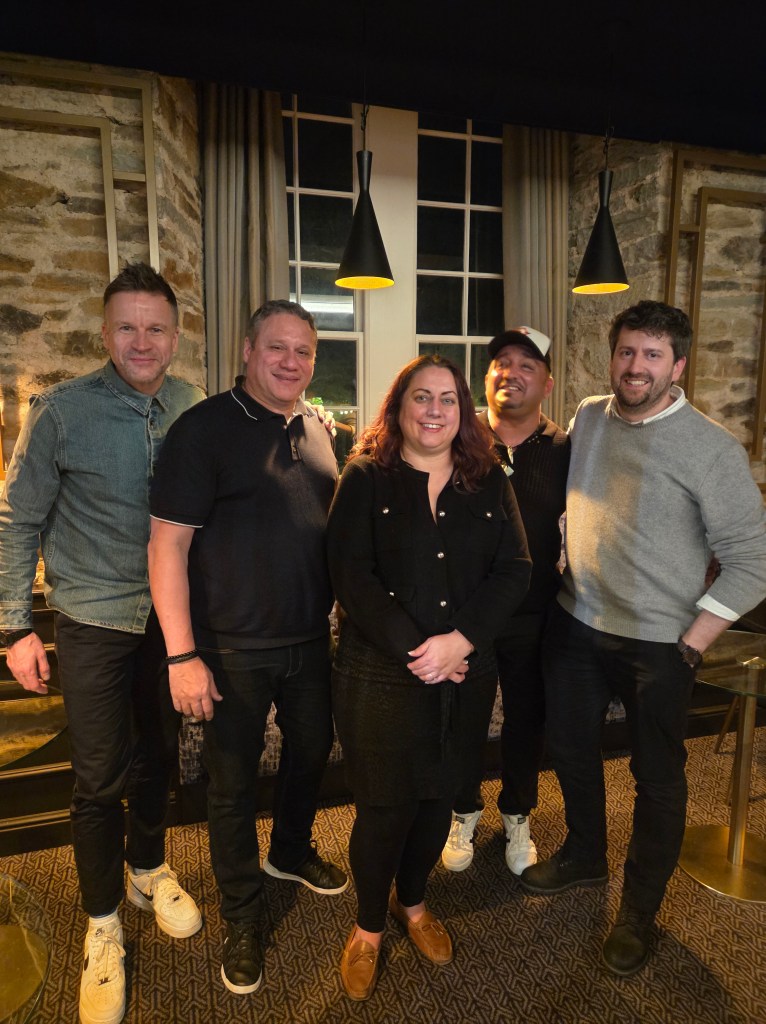
Andrew and Jazz were at the event to attend Antrophy, a gathering to Inspire a Better Britain –and this is the fourth year TRO has been appointed to architect the national gathering at the Eden Project – convening over 2,000 leaders from 1,200+ organisations across 15 stages. The event is all about driving a more positive, sustainable, and equitable Britain through high-level collaboration.
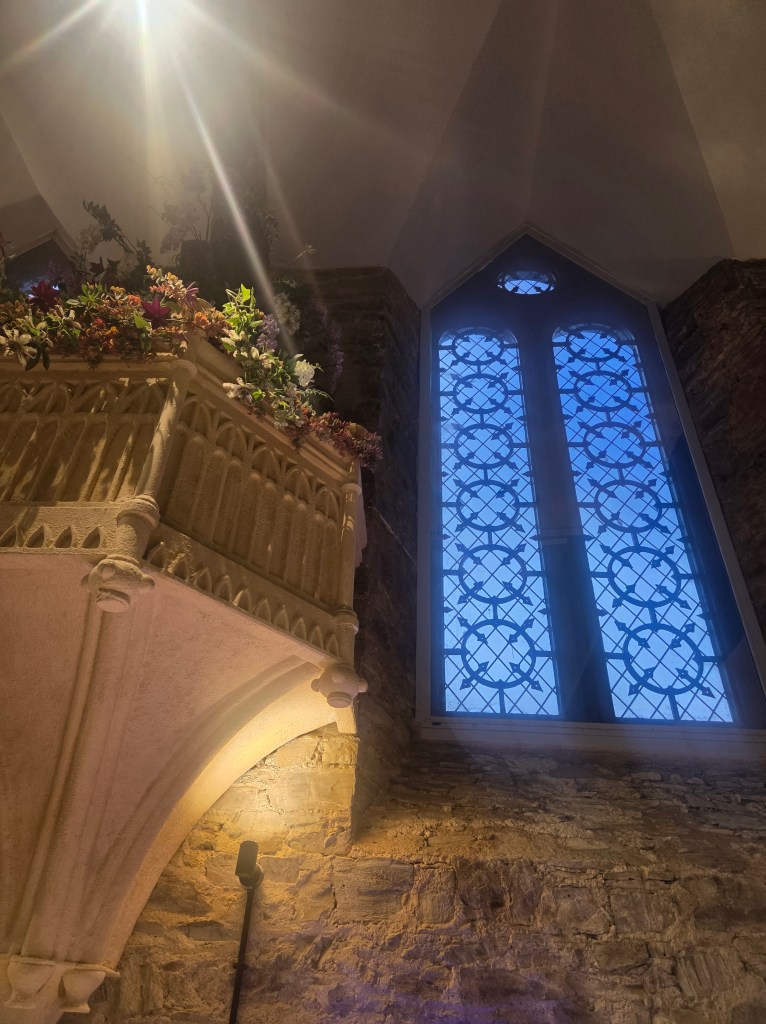
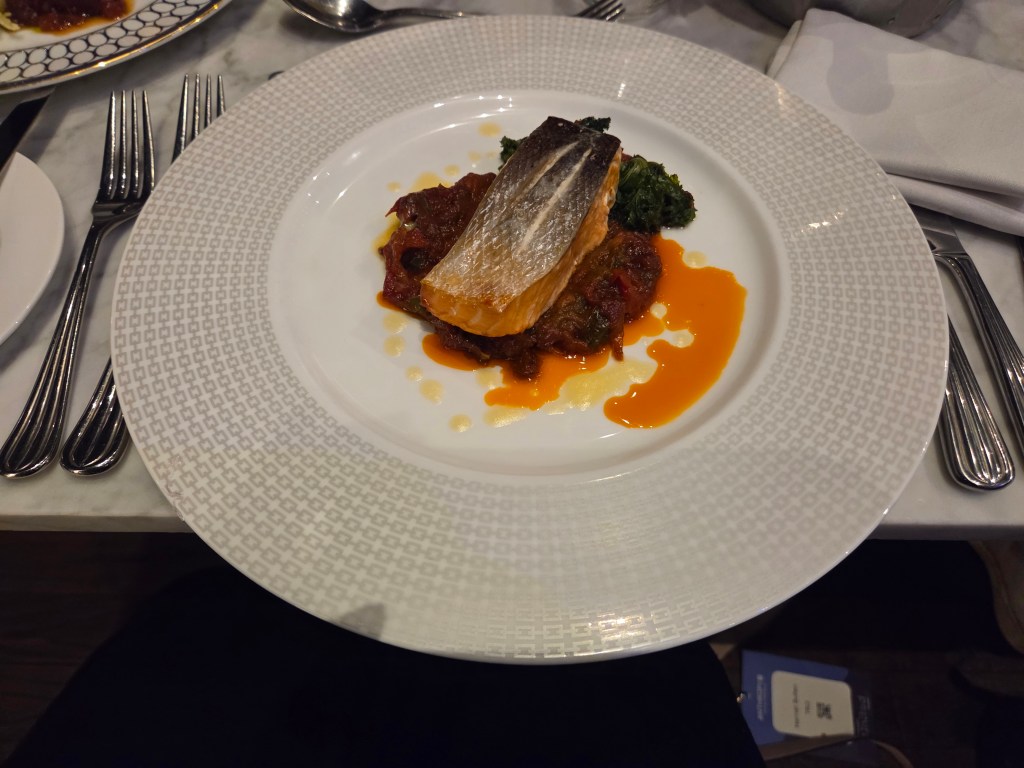
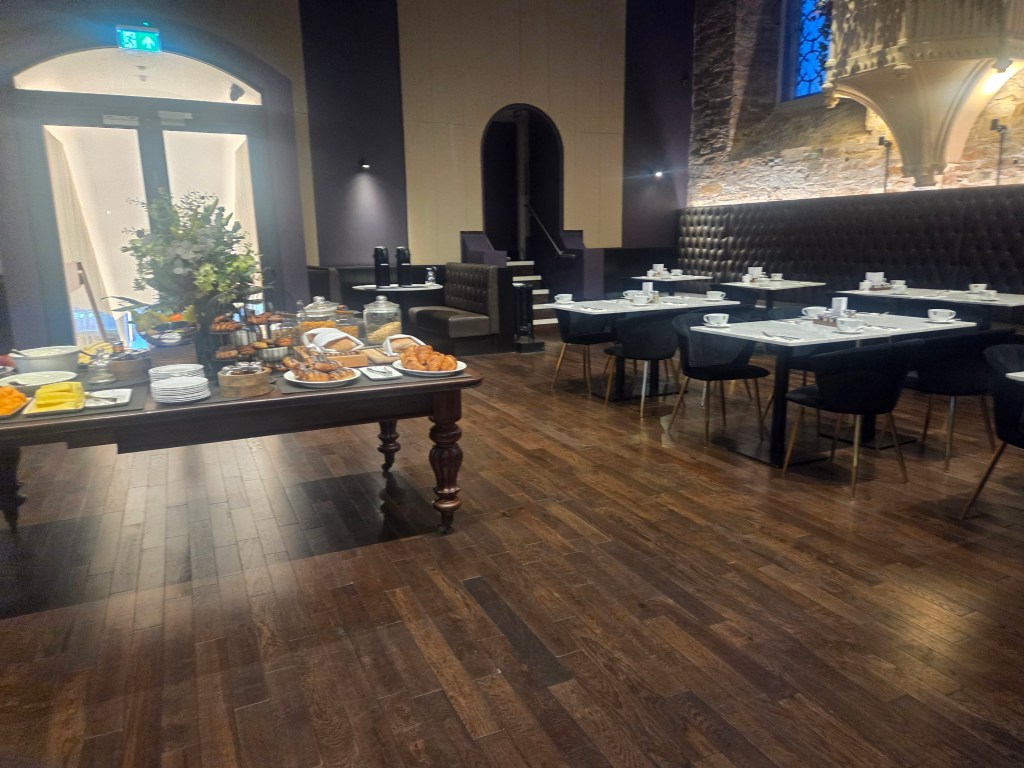
Dinner in the Chapel was exceptional, chicken parfait followed by salmon and a chocolate brownie for dessert and wine. There is a fine-dining restaurant and a Champagne bar, making it a top-tier experience for guests.
During my stay at a prison organised by TRO, an experiential marketing agency led by Managing Director Andrew Orr, I learned about a remarkable social justice initiative. At dinner, Andrew enthusiastically shared details about an upcoming panel discussion featuring two ex-offenders scheduled for the following day. Both individuals were looking forward to the opportunity to share their experiences and insights.
“The panel discussion promises to offer a powerful examination of social mobility and the importance of second chances,” Andrew explained. Intriguingly, he noted that while one of the former offenders was out for lunch, MI5 was conducting a raid at his house. This incident underscored the complexities and challenges many ex-offenders face even after their release.
Andrew expressed a deep commitment to prison reform, stating, “Anyone who knows me recognizes my long-standing passion for rehabilitation within the prison system. For far too long, we have been fed a narrative that focuses solely on punishment, contributing to the systemic issues we currently witness. Instead of merely punishing individuals for their past mistakes, we need to explore opportunities to create genuine second chances. A more productive society requires us to improve the systems that operate after incarceration.”
Since taking on the role of Managing Director, Andrew has been unwavering in his determination to advocate for the second-chance community. “I am proud to have the opportunity to chair a panel at Anthropy UK 2026,” he remarked. “Second chances are successful only when we come together as a collective force. This panel will foster an open and honest conversation about the lived experiences of those affected by the criminal justice system, the invisible barriers they encounter, and the critical role that both businesses and cultural entities play in supporting rehabilitation.”

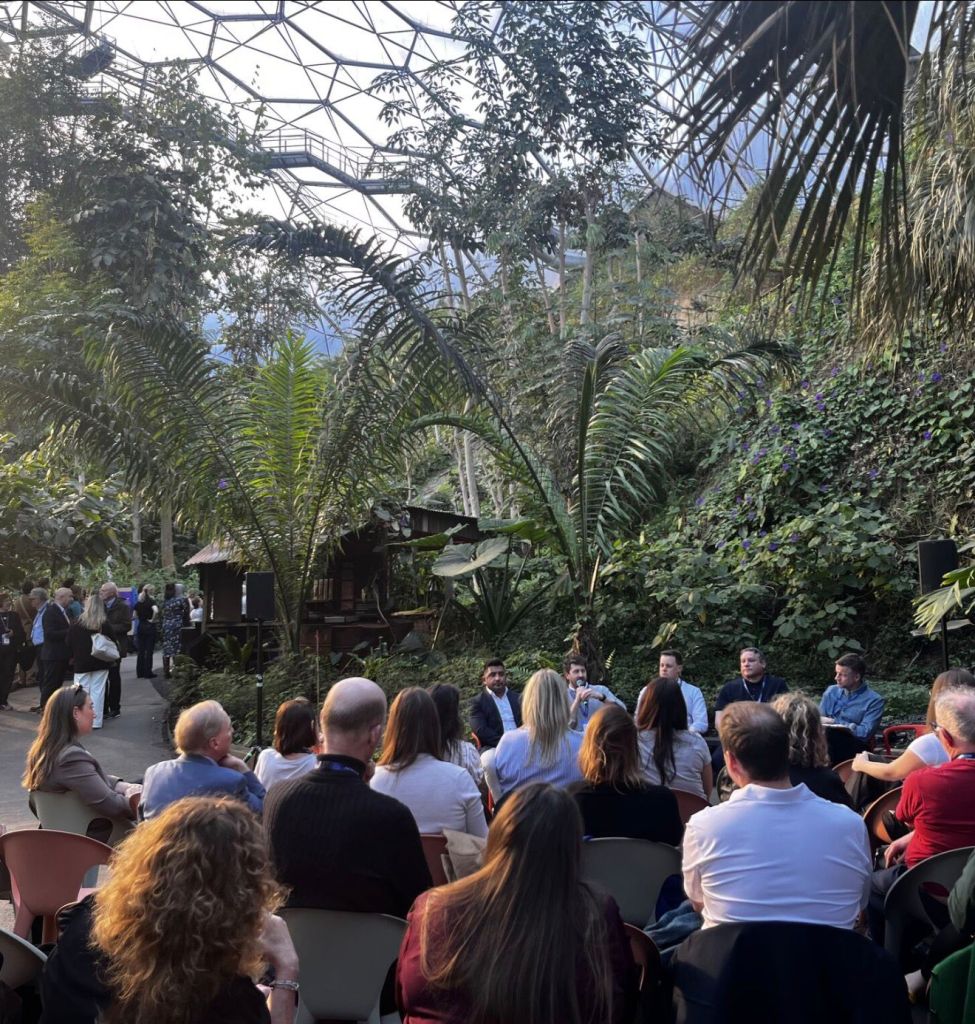
The panel hosted an engaging event, featuring notable speakers such as Liam Wood from Social Pantry, who is dedicated to social enterprise; Andrew Pritchard from the AP Foundation CIO, which works to empower disadvantaged communities; Jazz Singh from EmpowerAbility, an initiative focused on aiding individuals with disabilities; and Justin Galliford from Norse Group, a business known for its community-oriented practices. Andrew concluded, “Rehabilitation can only thrive when each of us plays a part and commits to supporting those who are seeking a second chance at life.”
The history of Bodmin Jail seemed to mirror the ex-offenders’ journeys: choices shape lives, paths that challenge, and lessons that endure. Jazz paused, looking at the vaulted ceilings of the Chapel. “You see these walls,” he said quietly, “and you think they hold people in. But sometimes it’s the walls inside you that are hardest to escape. I had to break my own walls before I could help anyone else.”
Later, I explored the historic corridors of Bodmin Jail on a ghost tour. The lantern-lit passageways revealed the building’s character -the shadows, the cold pockets of air, and the sense that history lingers in every corner. There was no fear, just the quiet thrill of imagining the lives and stories that had passed through these walls. It took a while to get to sleep both nights and I kept the lights on.
Even surrounded by staff and other guests, the thick stone walls pressed a quiet upon the air. Shadows lingered longer than expected, and cold pockets drifted across the room, subtle reminders of the lives that had been here before. Sleep came slowly, but peacefully, a gentle awareness of the past mixing with the comfort of the present.
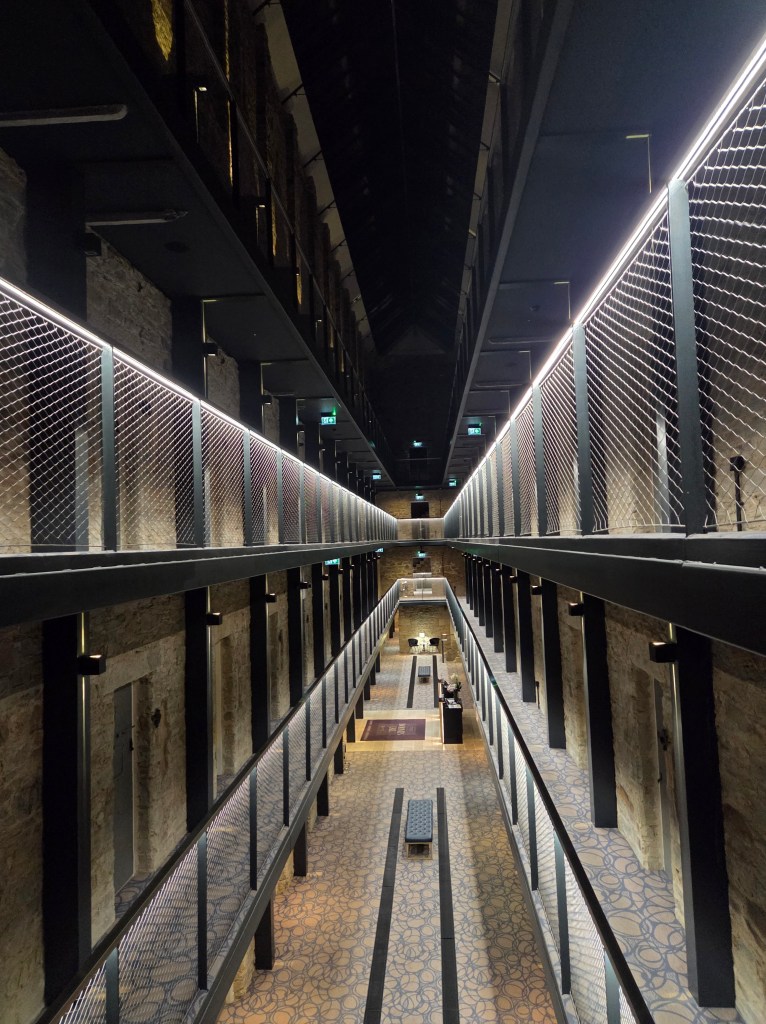
Even with ghosts and history, I felt clarity. Prison can confine the body -but it can also challenge the mind and spirit. Without guidance, it destroys; with purpose, it transforms. Jazz’s programs, Andrew’s journey, and the corridors of Bodmin intertwined into a single lesson: redemption begins inside. Prison is not always four walls – it can be the mind itself. Freedom begins when we are willing to change. It seems like it was all meant to be, and as I bade farewell,
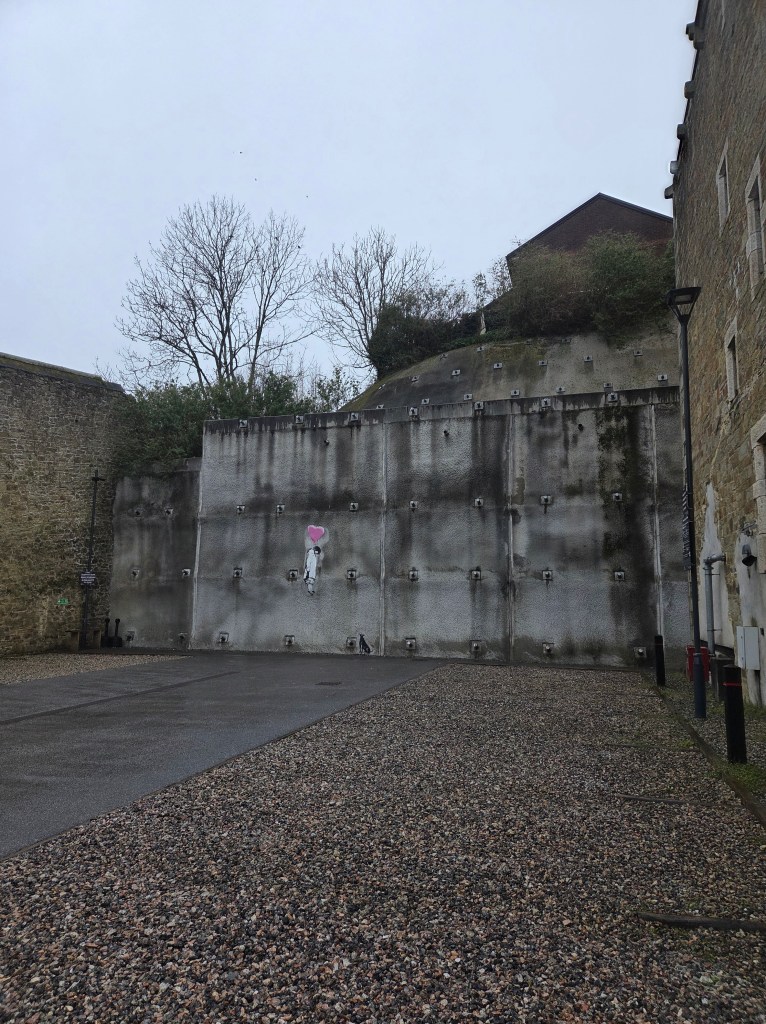
I took one last glance at the hanging pit as crows flew overhead – a stark reminder that history abounds in every corner of these walls. Nearby, a Banksy-esque painting cast a contemporary shadow across centuries of stone. Inside, the Chapel offered fine dining and exquisite wines, while the rooms provided real comfort and modern luxury. One night at Bodmin Jail is unforgettable; two will leave a lasting mark – a delicate balance of history, subtle chills, and refined indulgence, a place where guests actually want to be locked up in luxury.
 LUXE Serendipity magazine
Leave a comment