By Donna Richardson
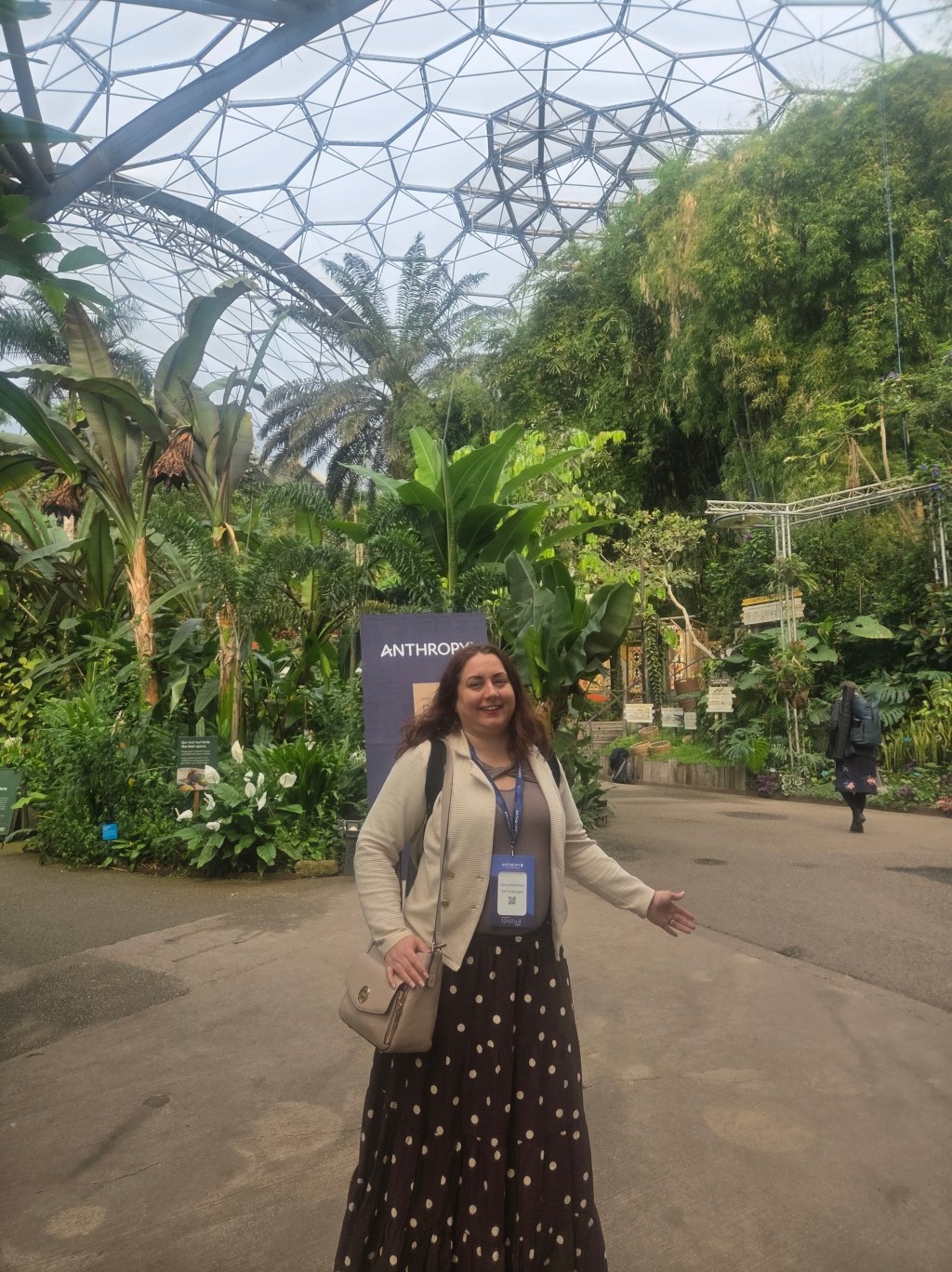
I arrived at the Eden Project and was immediately struck by awe. This isn’t just a venue—it’s a symbol of human imagination, built from a derelict claypit into a thriving ecosystem over 25 years. Created by Sir Tim Smit, who previously brought the Lost Gardens of Heligan to life, the Eden Project feels alive with possibility, a perfect backdrop for Anthropy, one of Britain’s most extraordinary gatherings of thinkers, changemakers, and dreamers.
Over three days, Anthropy- architected by TRO- connected participants with more than 600 impactful speakers and 900 organisations committed to a Better Britain.
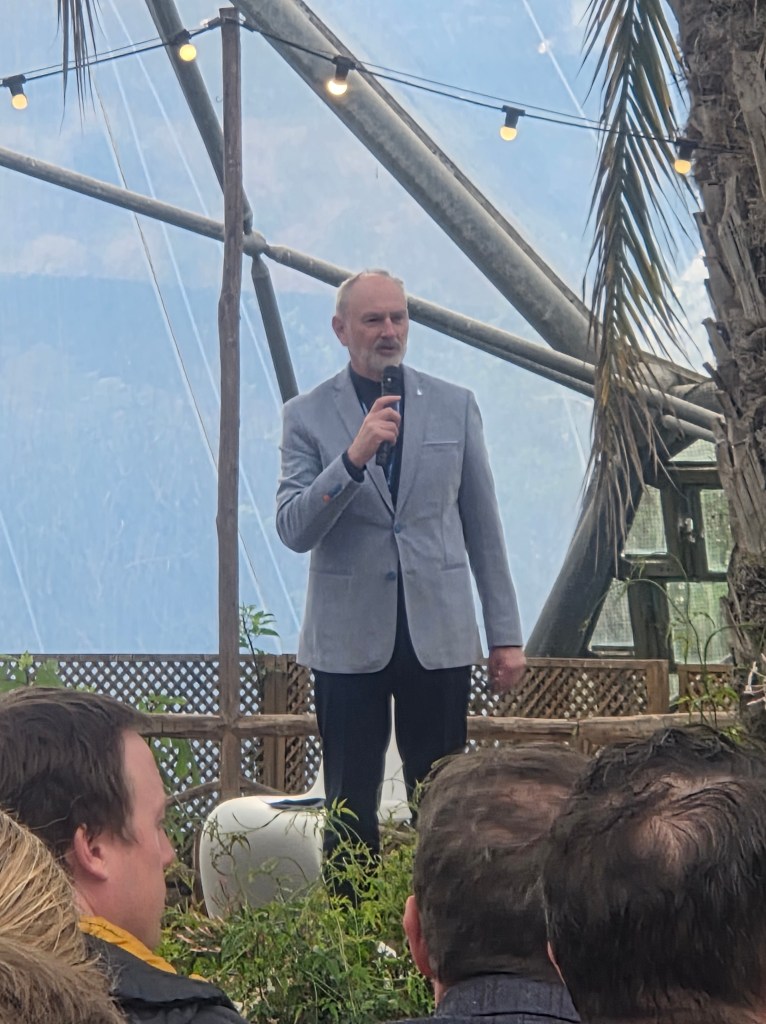
Anthropy, founded by John O’Brien, MBE, emerged in response to the global pandemic, creating a space for responsible leaders to connect, share, and inspire long-term change. This year, the event coincided with the Eden Project’s 25th anniversary and welcomed a royal visit from King Charles III and Queen Camilla. Over three days, 600 speakers across 200 sessions explored pressing challenges – from climate and inequality to leadership, culture, and health – bringing together innovators from business, civil society, and government as well as academics, journalists and idealists keen to make the planet better.
Anthropy encourages attendees to leave their silos and egos at the door. It’s a place where serendipity rules, and you never know who you might meet—from industry leaders to government officials, from visionaries to pioneering entrepreneurs. Networking here isn’t transactional; it’s transformative.
Sir Tim Smit: Cofounder of Eden Project: The Alchemist of Imagination
Walking through the Eden Project’s biomes, surrounded by some of the planet’s most endangered plants, Sir Tim Smit shared his philosophy on imagination, optimism, and human potential, explaining why he created this incredible vision 25 years ago and why it will continue to inspire those who dare to dream.
“Although people accuse me of being a visionary, every schoolgirl and boy dreams of building a castle or an Eden Project on an improbable mountain. We are imaginative apes—that is why we do it. But it’s also about transformation. Who doesn’t like kissing frogs?”
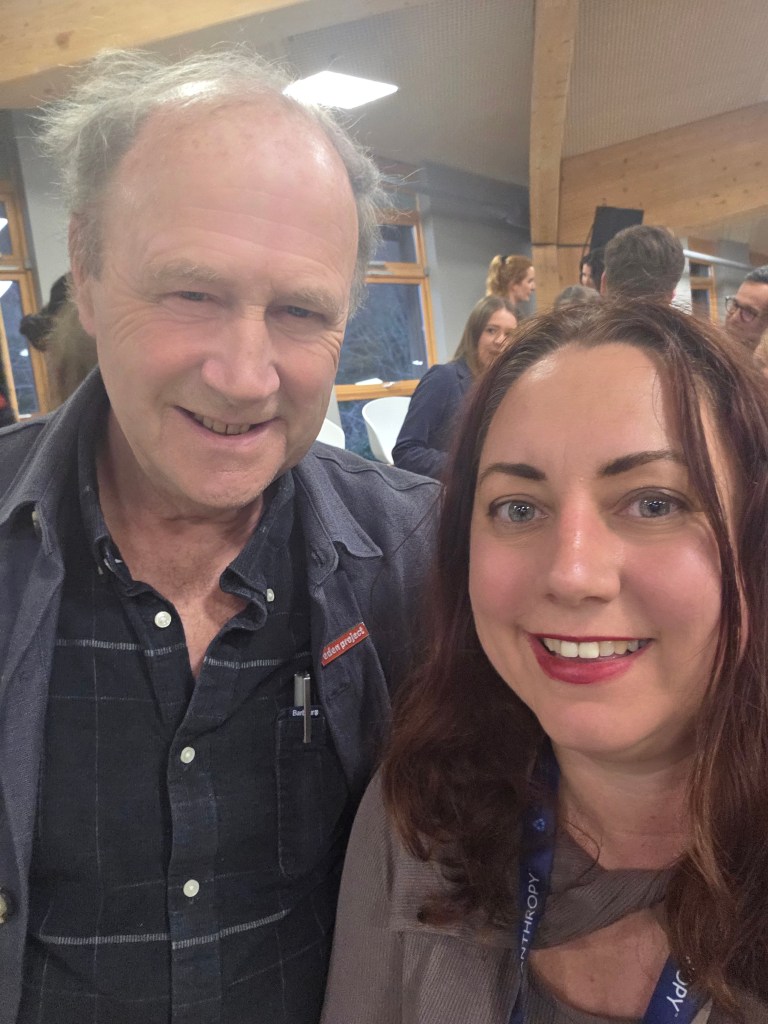
He spoke candidly about overcoming adversity and transforming places with troubled pasts: “Too many of us are told we shouldn’t get above our station, that luck doesn’t happen here. My role is to either go kiss the frog – or, as I sometimes say, become an exorcist. Some sites carry histories of bad luck or failure, and it takes confronting those challenges directly to clear the way for something new.”
From a clay pit in Cornwall to new sites in Dundee to Zingdhau in China, the pattern is the same: challenging sites transformed into thriving hubs of life, learning, and enterprise. For Tim, Eden’s legacy is inseparable from its communities:
“We invest in local people. Money circulates throughout the community, enabling people to build businesses, create jobs, and sustain growth. Cornwall is no longer just a destination for 1950s-style holidays -it’s high-tech, vibrant, and aspirational.”
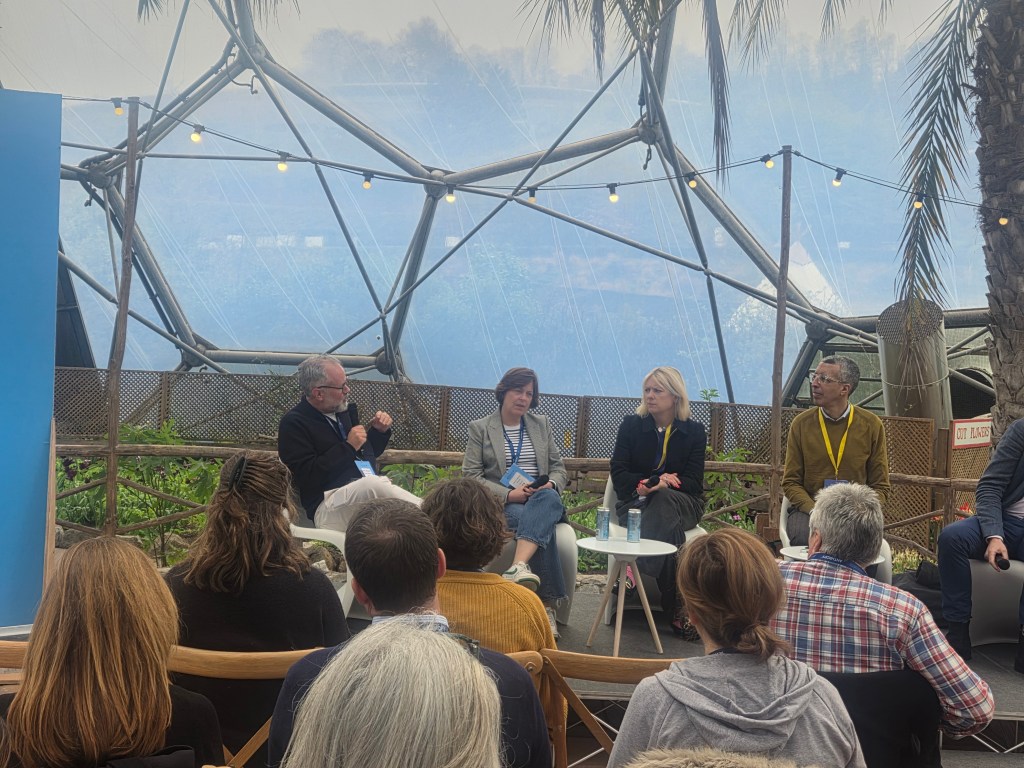
With this in mind, I was here as a guest of TRO – The Experiential Agency, which architected the entire event; therefore, I was most interested in attending the talk in the rainforest biome titled “Second Chances Only Work When We Work Together – TRO”.
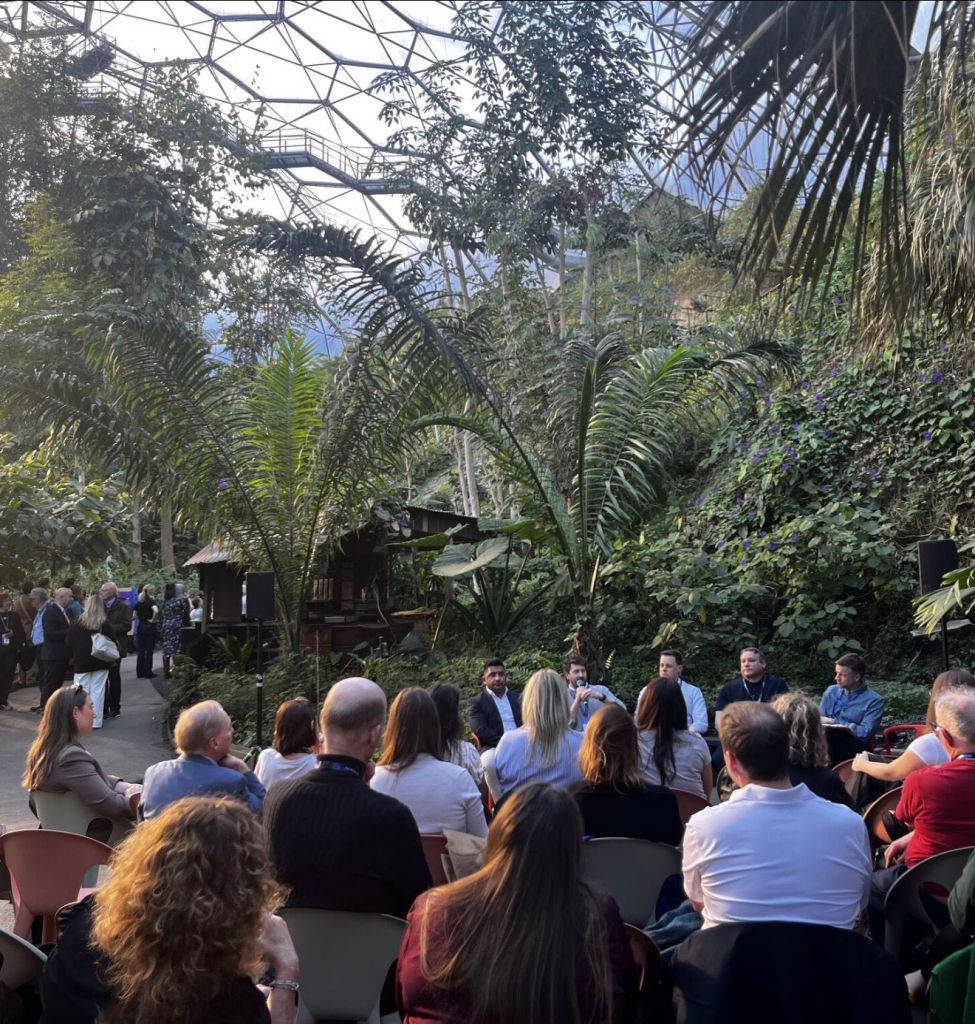
This brought together a diverse panel of experts and changemakers, including Andrew Orr (TRO), Jazz Singh (EmpowerAbility), Justin Galliford (Norse Group), Andrew Pritchard (AP Foundation), and Liam Wood (Social Pantry).
Andrew Pritchard shared his remarkable journey from a former Category A prisoner involved in organised crime to becoming a rehabilitation advocate, motivational speaker, and bestselling author of Empire of Dirt.
Drawing on his lived experience, he spoke about the importance of hope, opportunity, and guidance in helping young people turn away from crime, and how second chances can transform lives when communities and organisations work together.
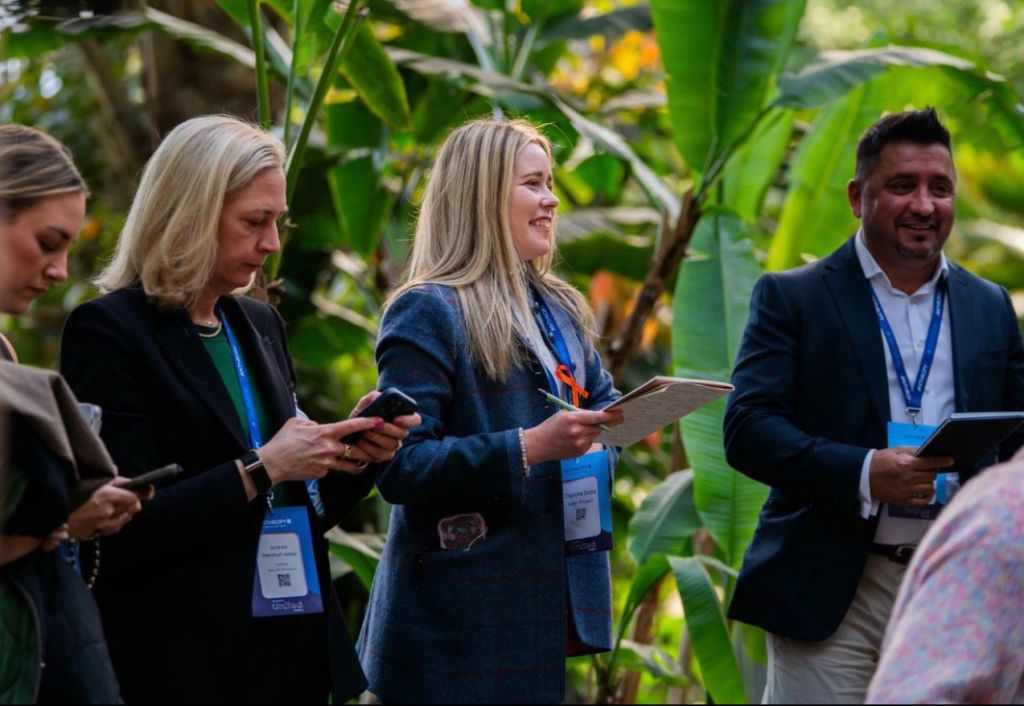
Jazz Singh brought his expertise in empowering neurodiverse and disabled individuals to achieve independence and meaningful engagement in society. He shared insights into creating inclusive programs and support structures that provide opportunity, foster personal growth, and challenge barriers to social and economic participation. Together, the panel highlighted practical approaches to collaboration, social justice, and community impact, illustrating how individuals and organisations can drive lasting change by working together to create opportunity and support second chances.
Anthropy: Equality, Inspiration, and Vision
One of the most powerful aspects of attending Anthropy is the sheer diversity of people in the room. More than 2,000 leaders came together from business, government, education, charities, media, sports, and the creative industries. Around two-thirds of attendees are senior leaders – CEOs, founders, directors, and policymakers – alongside emerging leaders and change-makers who bring fresh perspectives.
Meeting Dame Helen Stephenson CBE, Dame Carol Homden, and Dame Melanie Dawes was truly inspiring, as each represents a trailblazer in her field. Dame Helen, as former Chief Executive of the Charity Commission, strengthened governance and transparency in the nonprofit sector, ensuring public trust while helping charities thrive. Dame Carol has championed inclusion, social impact, and effective leadership in public service and voluntary organisations, combining strategic thinking with compassion to support communities
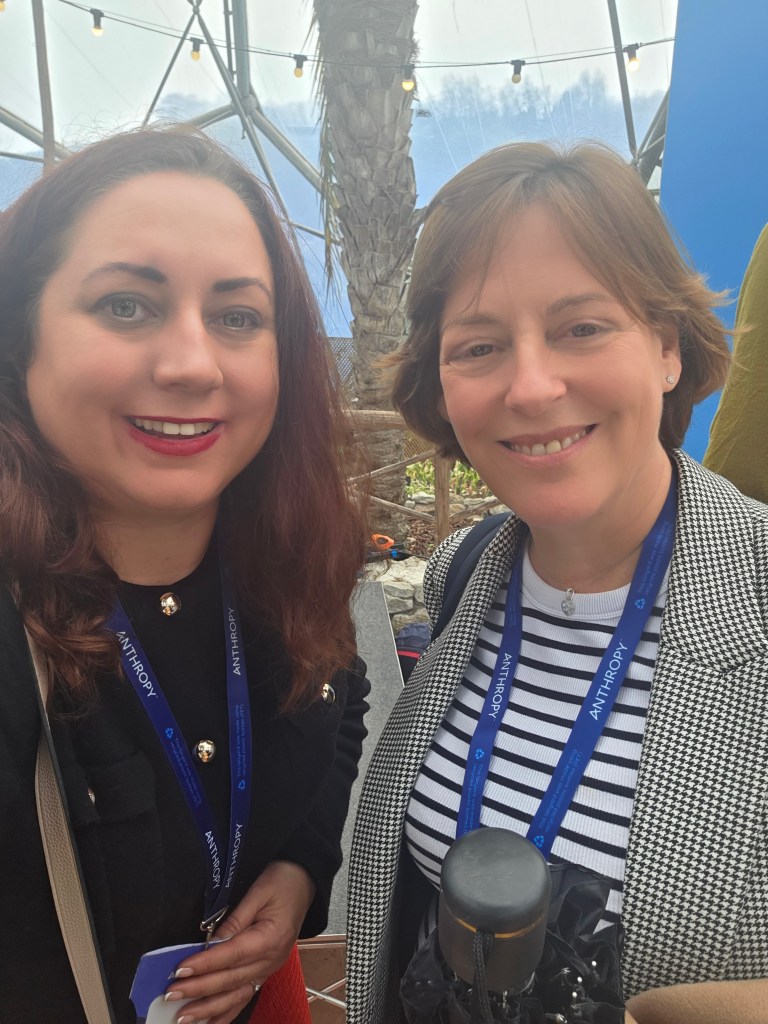
As CEO of Ofcom, Melanie leads UK communications regulation, shaping policies for broadcasting, telecoms, and digital infrastructure while safeguarding consumer interests. Together, their careers showcase the power of integrity, vision, and sector-specific expertise to drive meaningful societal change, highlighting how women can rise to the top in traditionally male-dominated fields.
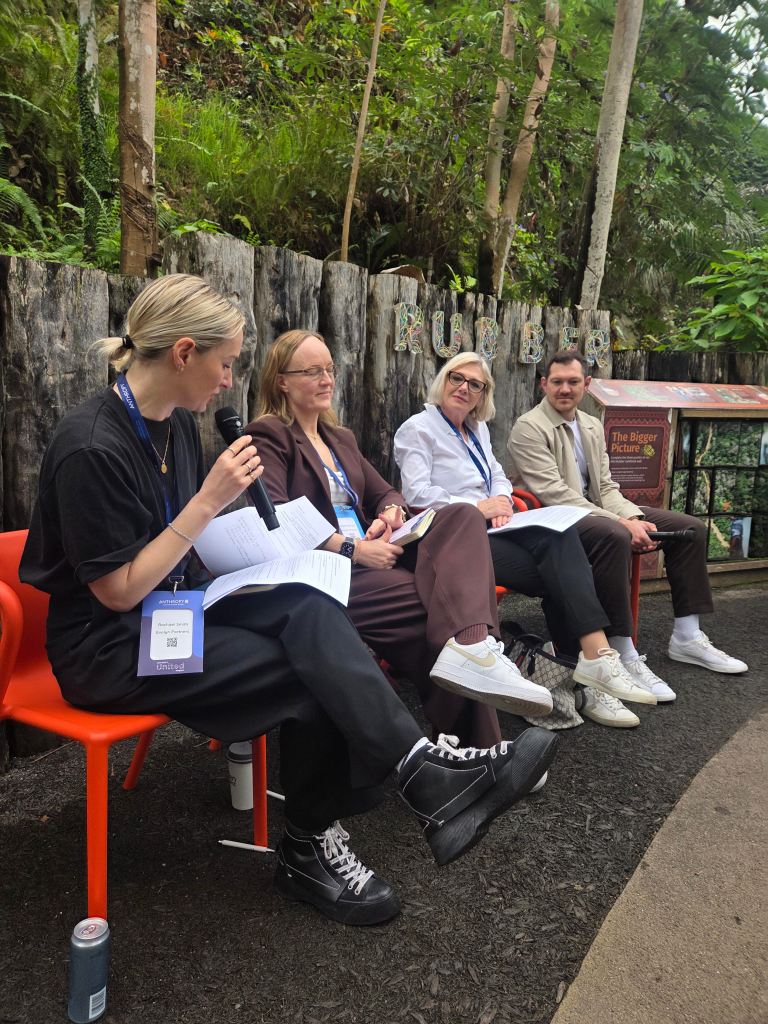
Alex Goode, former England rugby fullback and key figure in Saracens’ multiple Premiership and European Champions Cup wins, spoke at Anthropy about how athletes can build long-term partnerships with brands that go beyond sponsorship, focusing on career support during and after sport. He highlighted the importance of aligning personal values with brand partnerships and using influence to drive positive change.
The panel, sponsored by Evelyn Partners, featured Yvonne Harrison, CEO of Women in Football, whose leadership has grown the organisation’s revenue, membership, and influence, earning her recognition in the Telegraph Sports 50 Most Influential Women in Sport (2024) and Women’s Football Champion at the Women’s Football Awards (2024). Together, they explored barriers to action and co-created recommendations connecting sport with sustainability, inclusion, and responsible leadership.
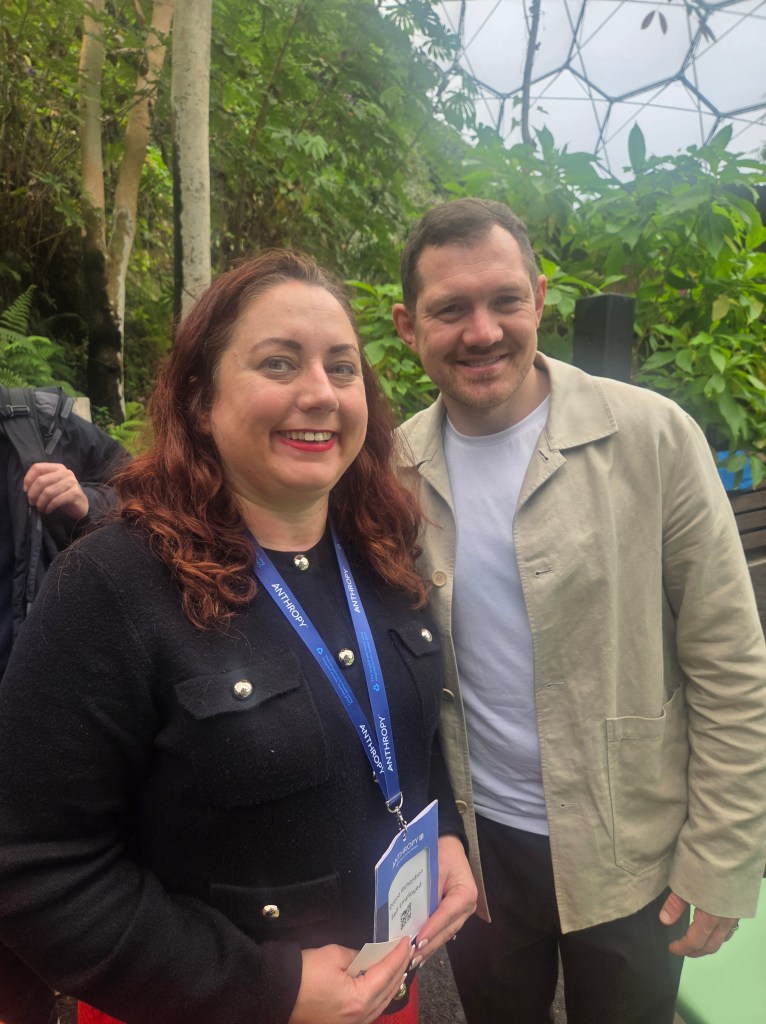
I also met Marc Leckie CEO of The Tottenham Hotspur Foundation Anthropy also highlighted sport as a largely untapped key to addressing climate, sustainability, and social needs. Experts from clubs, politics, athlete communities, and sustainability fields explored the barriers preventing sport from reaching its full potential, while participants collaborated on solutions. Discussions covered trust and trusted messengers, inequality, community prosperity, and responsible leadership, culminating in concrete next steps and a manifesto of recommendations. The sessions demonstrated how sport can become a powerful vehicle for environmental action, social cohesion, and positive change across communities.
The beauty of Anthropy is the diversity of whom you meet – from government decision-makers, and reformed prisoners who have turned their lives around. Conversations spanned sectors, generations, and experiences, creating a rare environment where every voice mattered, and every discussion could spark meaningful change.
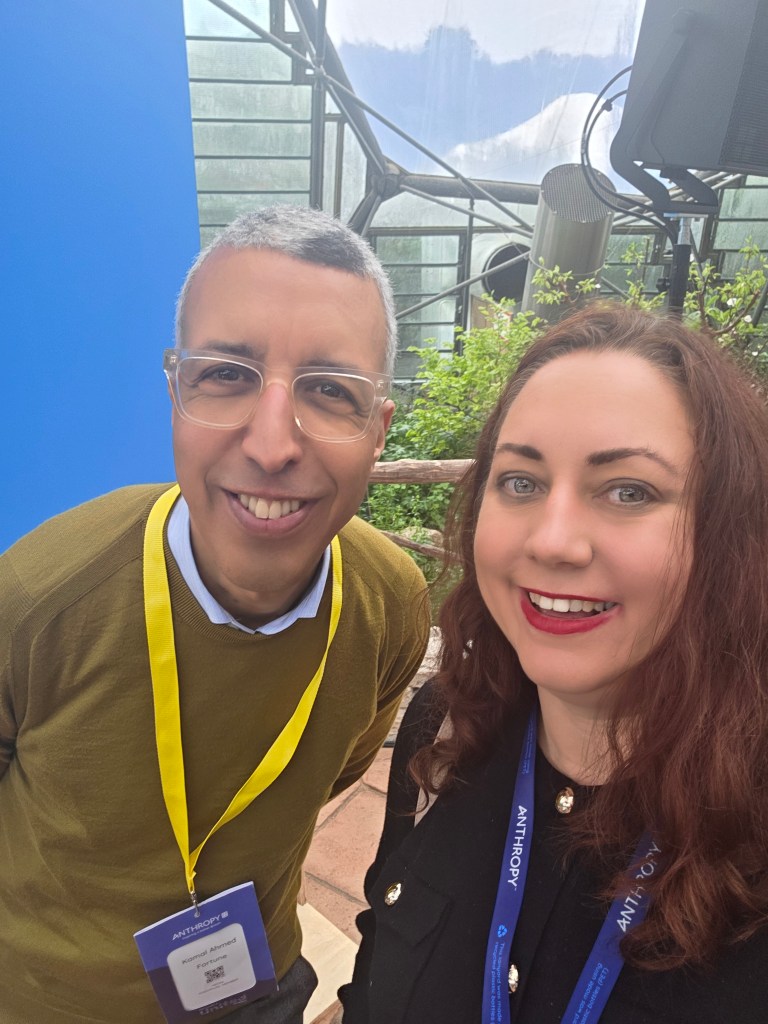
Kamal Ahmed has had a distinguished career spanning journalism, media leadership, and authorship. He has held senior roles at major UK news organizations, including The Observer, The Telegraph, and the BBC, where he served as Economics Editor and Editorial Director of News, shaping editorial strategy across both traditional and digital platforms and it was fascinating to find out about his observations about the UK’s current media landscape.
Soil, Sustainability, and Technology
Another highlight was Ameca, designed in Cornwall, which captured the imagination by demonstrating the potential of humanoid robotics and artificial intelligence in shaping the future. Alongside innovations in soil regeneration by Oath, the event showcased how technology, science, and human creativity can work together to address environmental challenges and enhance sustainability using AI, the program illustrated the powerful intersection of innovation, nature, and human ingenuity. Adding to the spectacle, Richard Browning, founder of Gravity Industries, demonstrated his awe-inspiring jetsuit outside the FutureDome, giving spectators a glimpse of human flight powered by engineering, curiosity, and bold imagination.
Arts, Leadership, and the Power of Story
Anthropy highlighted how arts, heritage, and sport shape society, foster community pride, and drive social change. Leaders from the Southbank Centre and Royal Albert Hall explored what helps these sectors thrive, from strong leadership to inclusivity. Meanwhile, Patrick Harrison of Highgate Ltd, showcased the power of culture to inspire, connect, and innovate. The arts shape identity, place, wellbeing and innovation. In a time of economic pressure and rapid change, the relationship between business and culture is being redefined. This session explores how companies can move beyond sponsorship to genuine partnership, supporting a resilient cultural ecosystem while unlocking social value, talent, creativity and long term national confidence.
Governance and Entrepreneurship
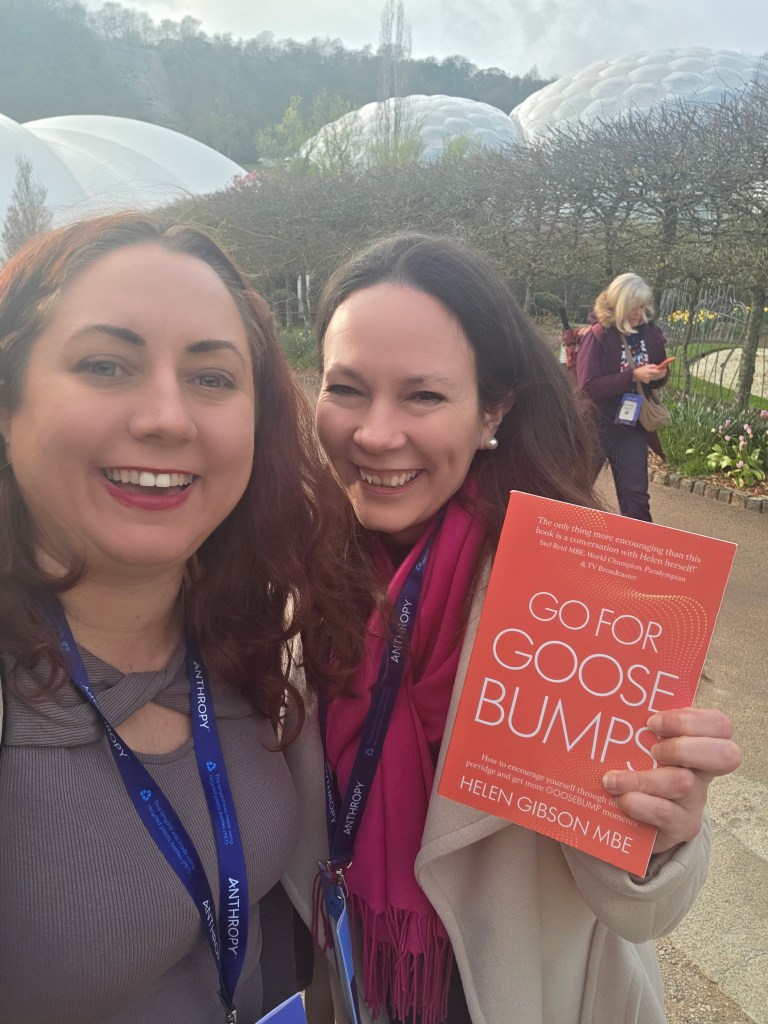
Government leaders contributed high-level insight: Blair McDougall, Parliamentary Under-Secretary at the Department for Business and Trade, discussed the UK’s strategy for business, trade, and economic growth, while Danny Kruger MP shared Reform Party priorities on national strategy, economic development, and societal change. I met Helen Gibson, a global entrepreneur and leader who was working on the front lines of some of the world’s toughest challenges. Hearing from her work about tackling cybercrime, corruption and health in countries such as Ukraine and Afghanistan, she highlighted what purpose-driven leadership looks like, and she urged me to – “Go for Goosebumps!”
Intergenerational Joy: Learning Across Generations
A highlight was the session on Intergenerational Joy, co-led by Tim Smit and Emma Bridgewater. The room buzzed with energy as ideas flew across generations, illustrating how curiosity and creativity thrive when young and experienced minds collaborate. Optimism, imagination, and innovation aren’t limited by age—they grow when nurtured across generations. Emma Bridgewater brings joy through creativity, and she urged audience members to follow their passion, not the profit. There were also sessions
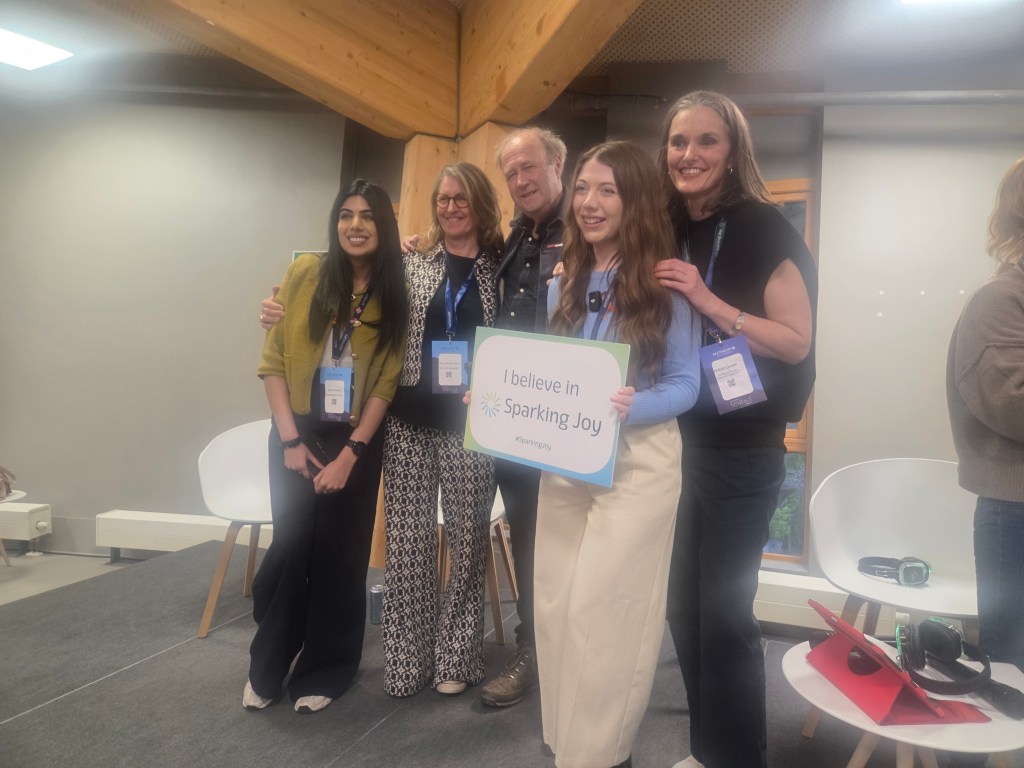
Walking through the Eden Project, it’s impossible not to feel inspired. Every plant, every biome, and every conversation is a testament to optimism in action—and to the belief that, when nurtured, imagination can transform communities, ecosystems, and the future itself.
“Eden is a symbol of new beginnings and optimism,” Tim concluded. “It is also a castle to defend us from dream stealers who want everything grey. It’s about colour, a pirate grin, and a belief that humans still have the power to make their own future. Let children discover things, and let them teach you. That’s how imagination grows, and that’s how change happens.”
Walking through the Eden Project after speaking with Tim, it’s impossible not to feel inspired. Every plant, every biome, and every corner of this extraordinary place is a testament to optimism in action- and to the idea that, when nurtured, imagination can transform both people and places alike.
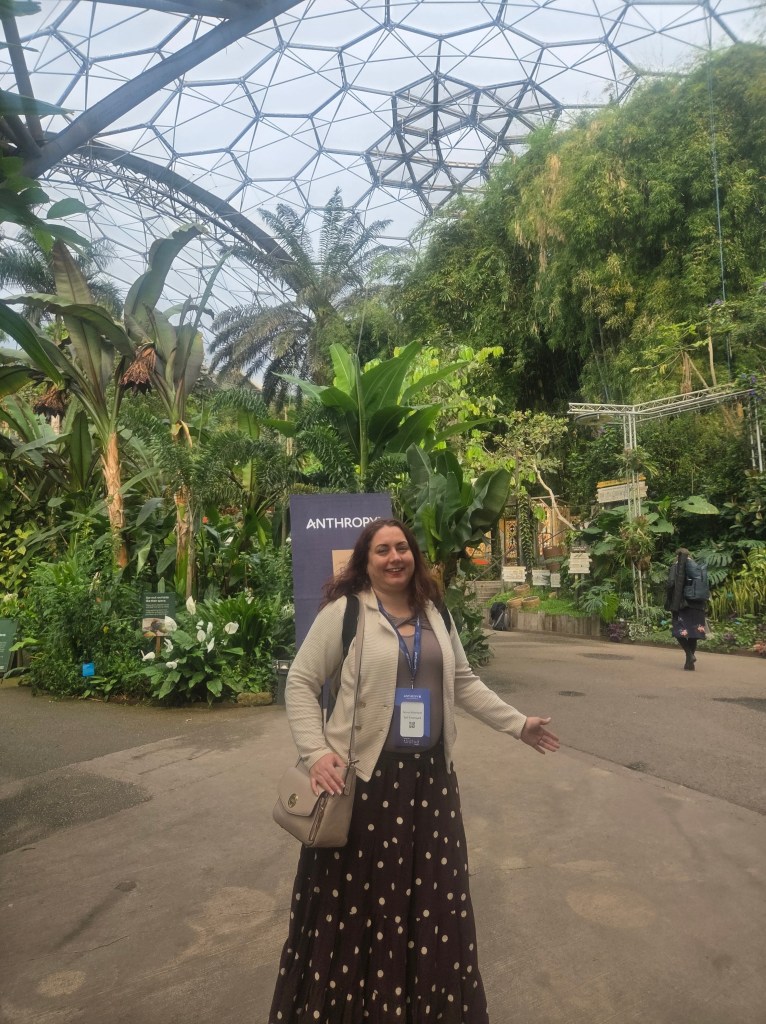
At Anthropy, the future isn’t just imagined – it’s co-created by leaders, visionaries, reformed prisoners, journalists, sportspeople, artists, and innovators, all playing a role in shaping a better world and born out of the friendship between John and Tim.
The seamless delivery of an event of this scale was made possible by TRO, the experiential agency overseeing logistics, staging, audio-visual production, and the movement of thousands of delegates across the Eden Project’s indoor and outdoor spaces. Temporary infrastructure, signage, and digital scheduling systems ensured attendees could navigate the site efficiently, while accessibility measures and contingency plans addressed safety and weather considerations. TRO’s expertise enabled Anthropy to flourish in a nontraditional venue, turning a gathering into an extraordinary, immersive experience.
 LUXE Serendipity magazine
Leave a comment