Nestled in the pristine winter landscape of Hokkaido, Club Med Sahoro has long been a destination for families seeking both adventure and comfort. Following the resort’s comprehensive renovation in 2019, Miaja Design Group was entrusted with reimagining two of its central gathering spaces: Daichi All Day Dining and Mina Mina Izakaya. The objective was clear yet nuanced- to create dining environments that feel welcoming, intuitive, and deeply connected to Japan’s cultural context, while supporting the rhythms of family life at a ski resort.
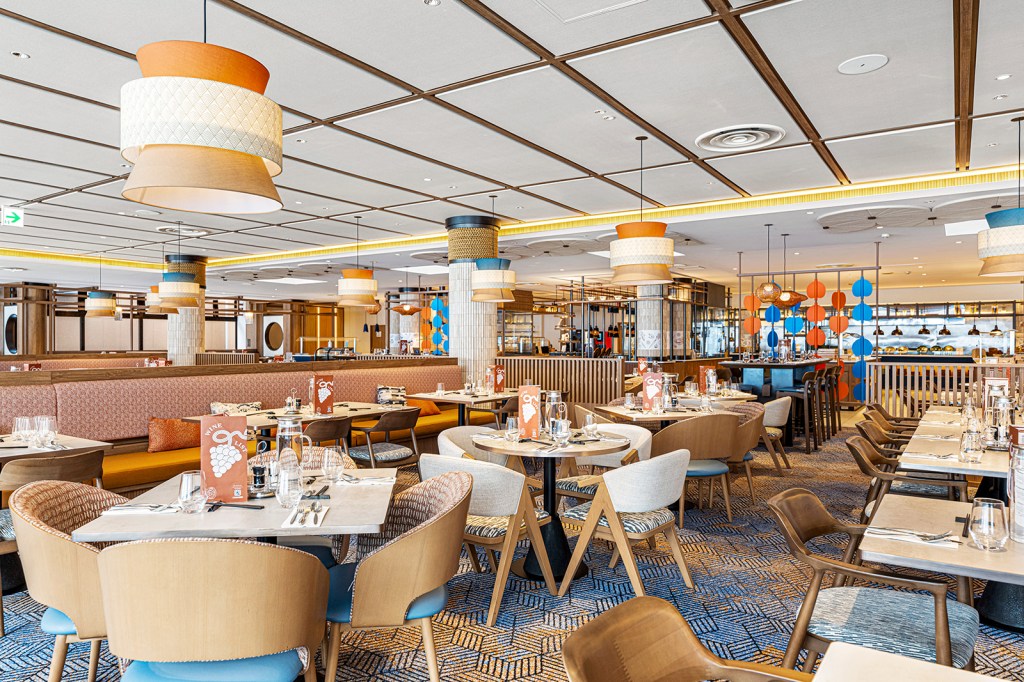
For Miaja Design Group, hospitality design begins with empathy. After a full day on the slopes, guests return not simply looking for a meal, but for warmth, familiarity, and a sense of belonging. The redesign of these venues focused on translating those emotional needs into spatial experiences that feel effortless and authentic.
Creative Director Isabelle Miaja describes the design philosophy as a “careful reading of Japanese codes – proportion, restraint, material honesty, and the sequencing of experience.”
Rather than relying on overt thematic gestures, the team approached the project with sensitivity to local traditions and architectural language. The result is a pair of distinct yet complementary spaces that balance contemporary hospitality with cultural respect.
Daichi All Day Dining serves as the heart of the resort’s daily activity. The space was conceived to feel open, grounded, and naturally welcoming from morning through evening. Generous daylight, warm timber finishes, and stone elements create a tactile sense of comfort, while the layout encourages fluid movement for families navigating busy meal times. The design emphasises clarity and ease—qualities that are particularly important in a family-oriented environment where functionality must coexist with atmosphere.
In contrast, Mina Mina Izakaya offers a more intimate and atmospheric experience, designed to mark the transition from daytime activity to evening relaxation. Drawing inspiration from traditional Japanese izakaya culture, the space is layered and softly lit, encouraging guests to slow down and engage in conversation. Materials, textures, and spatial sequencing work together to create a sense of quiet immersion. Rather than functioning solely as a restaurant, Mina Mina becomes a ritual—an evening destination that fosters connection and reflection.
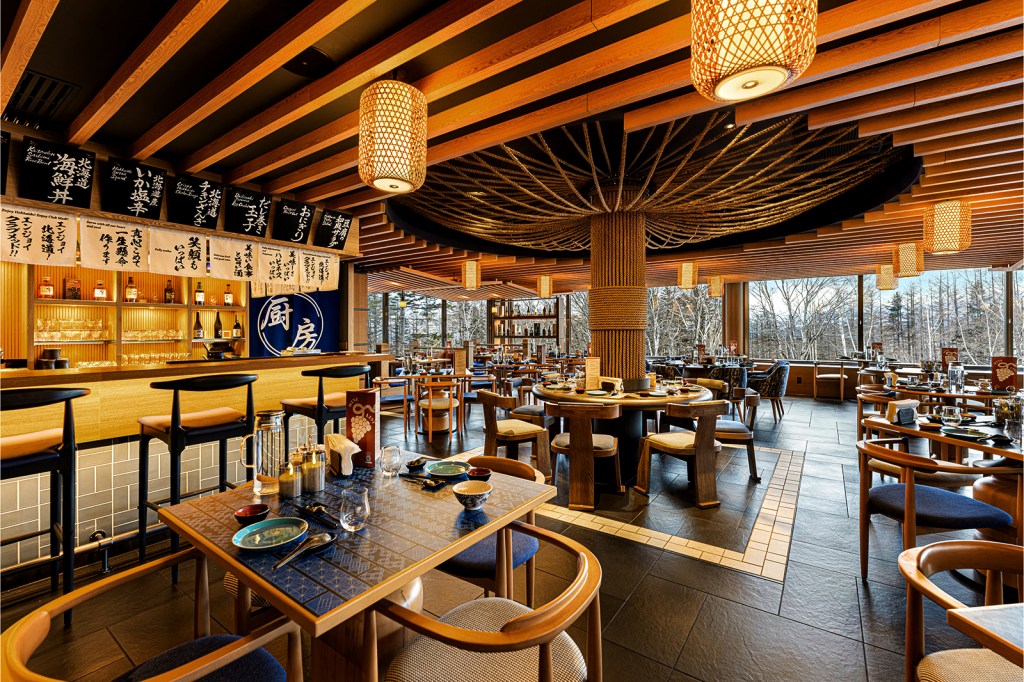
Throughout both projects, material authenticity played a central role. Natural finishes were selected not only for their aesthetic qualities but also for their durability in a high-traffic resort setting. The design balances operational efficiency with emotional resonance, ensuring that the spaces remain timeless even as guest expectations evolve.
Ultimately, the transformation of Daichi and Mina Mina demonstrates how thoughtful design can elevate everyday experiences. By respecting cultural context, prioritising guest comfort, and crafting environments that feel both functional and meaningful, Miaja Design Group has created dining spaces that extend the spirit of hospitality beyond the plate—turning meals into moments of belonging.
 LUXE Serendipity magazine
Leave a comment