By Donna Richardson
In an age when travel often celebrates the newest, the shiniest, and the most Instagrammable, remembrance travel offers something profoundly different: stillness, reflection, and an unflinching gaze at the past. It’s about standing in places once marked by unimaginable suffering – and finding, in their silence, the sounds of renewal.
These journeys take us to beaches where history was rewritten, to cities rebuilt from ashes, and to nations that have turned trauma into testimony. Increasingly, countries once devastated by war are welcoming visitors with open arms – not to forget, but to remember.
Normandy, France: The Shores of Sacrifice
Few landscapes carry as much collective memory as the windswept beaches of Normandy. On June 6, 1944, over 156,000 Allied troops stormed these sands, launching the D-Day invasion that changed the course of World War II.
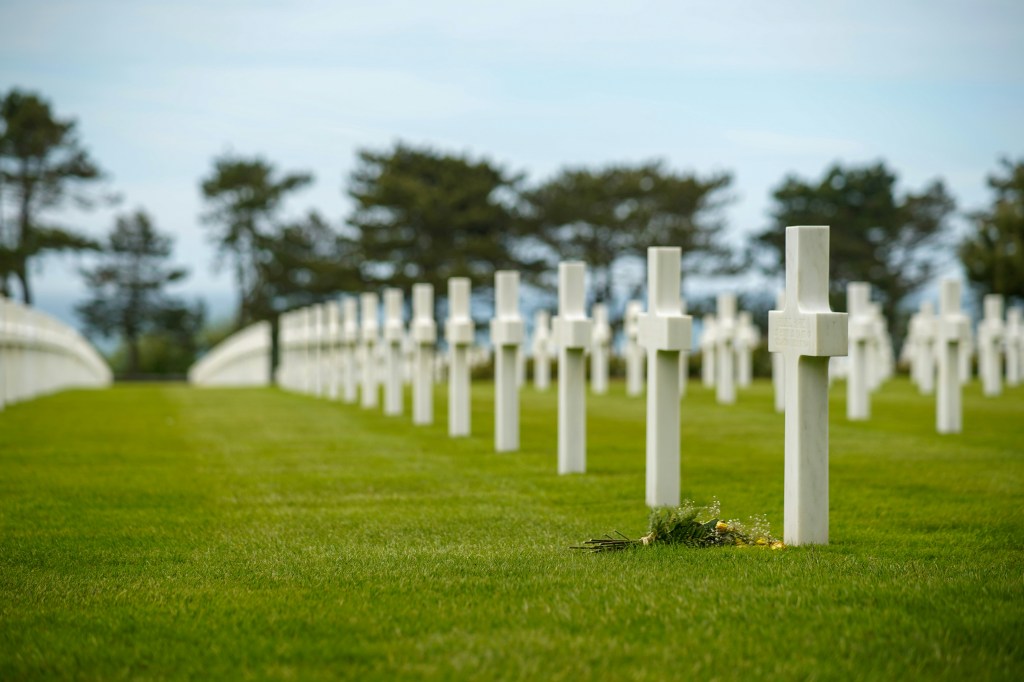
Today, visitors can stand where they landed – at Omaha, Utah, Juno, Sword, and Gold Beaches and look out across the same grey waters that bore history’s bravest gamble. The Normandy American Cemetery, with its sea of white crosses overlooking the Channel, is heartbreakingly orderly. In nearby Arromanches, the remnants of a temporary harbour still cling to the waves — a silent monument to ingenuity under fire.
Beyond the memorials, Normandy has cultivated a quiet elegance: apple orchards, cheese farms, and seaside villages that hum with life. Here, remembrance doesn’t linger in despair; it breathes alongside daily existence, grounding the past in the rhythms of the present.
Iraq: The Cradle of Civilization Reawakens
For decades, the word Iraq conjured images of war and instability. Yet beneath that narrative lies one of the world’s oldest, richest cultural tapestries and a nation quietly reopening its doors to travellers eager to witness both history and resilience.
Modern remembrance travel in Iraq intertwines two stories: ancient heritage and recent hardship. In Baghdad, the Iraqi Museum has reopened its halls, displaying treasures from Mesopotamia — the birthplace of writing, law, and urban life. Visitors walk among artifacts once hidden from conflict, tangible proof that civilization itself began here.
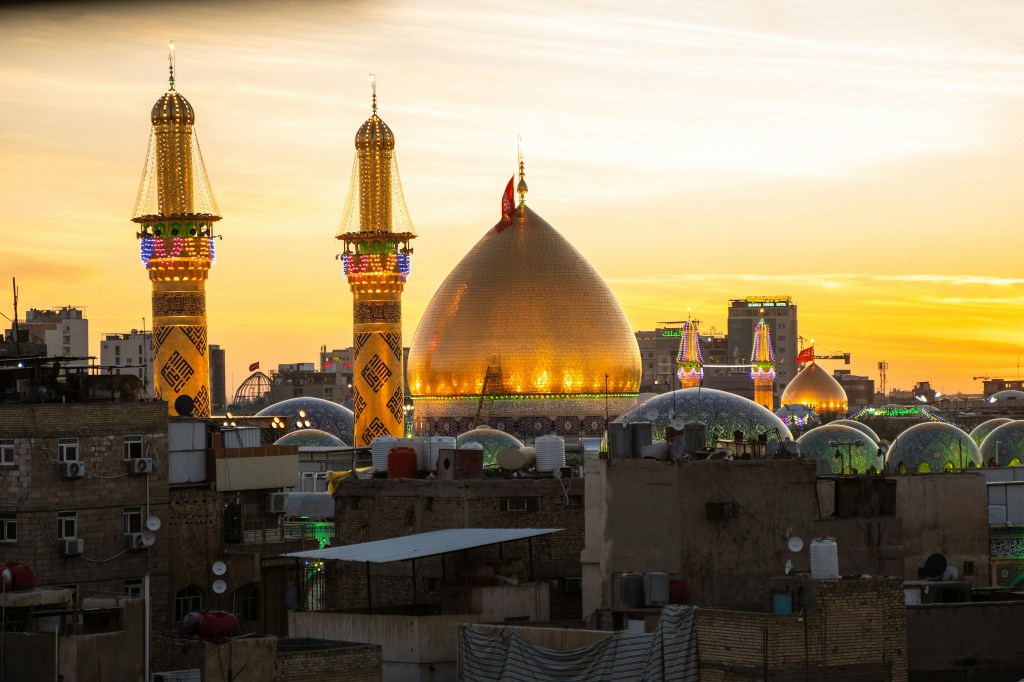
Further south, Babylon rises again from the dust. Once the seat of kings and empires, its ruins now host small groups of visitors walking through reconstructed gates that echo Nebuchadnezzar’s legacy. Nearby Najaf and Karbala, long pilgrimage centers, continue to welcome millions each year, blending spiritual reverence with historical continuity.
In the north, Erbil, the capital of the Kurdistan Region, has become the symbol of Iraq’s tourism renaissance. Its ancient Citadel, a UNESCO World Heritage Site, sits atop one of the oldest continuously inhabited settlements on Earth. Today, Erbil’s bazaars buzz with energy, its new hotels hosting travelers drawn by both safety and story. The nearby Lalish Valley, sacred to the Yazidi people, offers a moving testament to endurance after persecution.
To journey through Iraq is to witness the resilience of humanity itself — a country rebuilding from memory, one traveler at a time. For those willing to look beyond the headlines, Iraq offers something profound: not dark tourism, but dawn tourism — the rediscovery of a land that refuses to let history be its only narrative.
Vietnam: From War’s Ashes to Cultural Renaissance
Few nations have navigated the balance between remembrance and rebirth as gracefully as Vietnam. Once synonymous with a brutal decades-long war, it now draws millions of visitors eager to understand its complex history and to experience its thriving culture.
In Ho Chi Minh City, the War Remnants Museum offers sobering exhibits on the Vietnam War, while nearby, travellers can descend into the Củ Chi Tunnels, a vast underground network once used by the Viet Cong. In the north, Hanoi’s Hoa Lo Prison Museum – known to American POWs as the “Hanoi Hilton” – invites reflection on captivity and endurance.
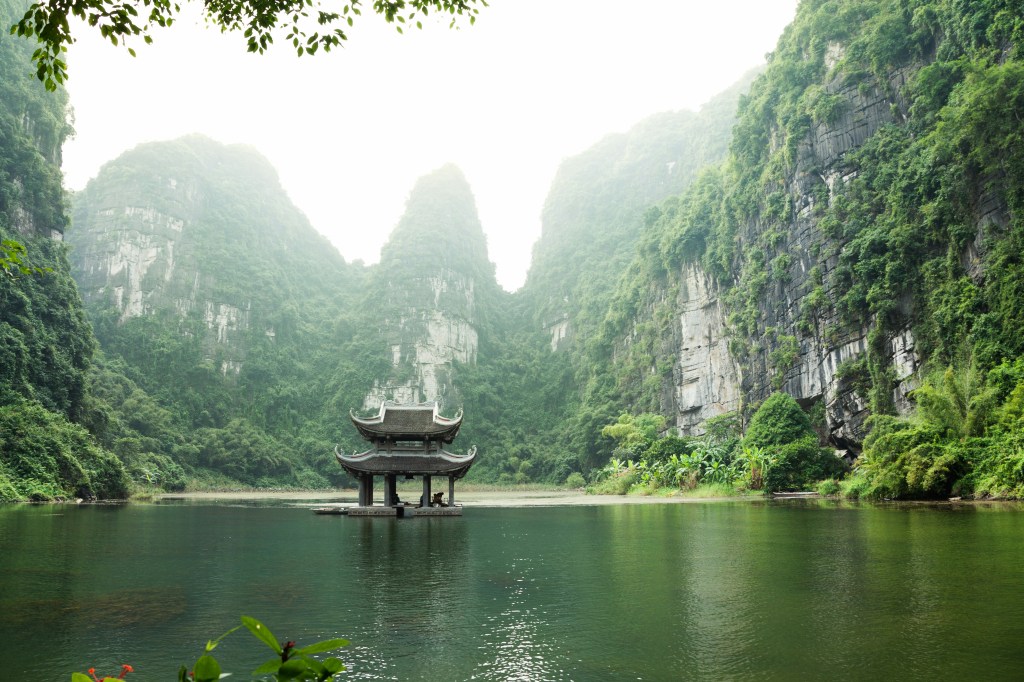
Yet Vietnam today is anything but a nation defined by war. It is one of Asia’s most dynamic destinations: serene Ha Long Bay, lantern-lit Hoi An, and the emerald terraces of Sapa tell a story of vibrancy and resilience. The Vietnamese people have transformed the narrative from survival to creativity — a testament to healing on a national scale.
Bosnia and Herzegovina: Rebuilding the Bridge
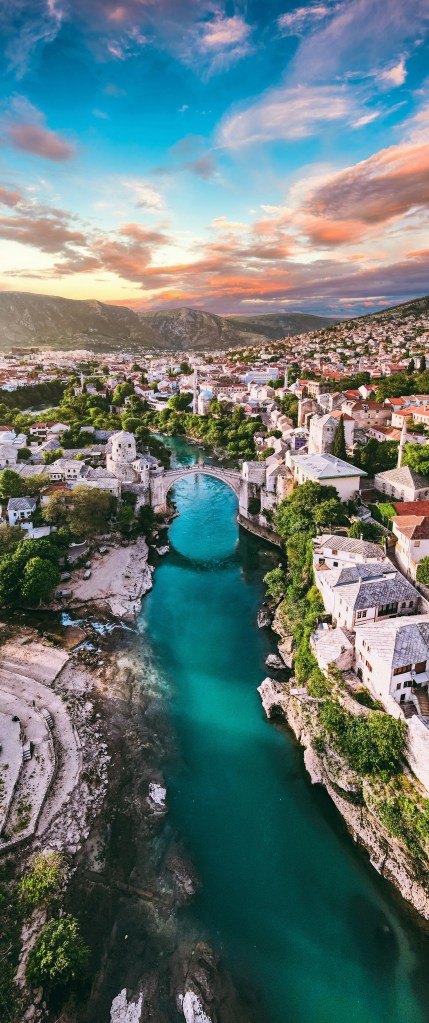
In the 1990s, Bosnia was the epicentre of Europe’s bloodiest conflict since World War II. Sarajevo’s streets endured a nearly four-year siege; the city of Mostar saw its iconic bridge, a masterpiece of Ottoman engineering reduced to rubble.
Today, both cities stand as powerful symbols of reconciliation. The Stari Most, painstakingly reconstructed in 2004, now arches once again over the Neretva River — a literal bridge between communities. Visitors watch local divers leap from its summit into the cold water below, a tradition reborn with the city itself.
Sarajevo’s Tunnel of Hope Museum, built around a wartime lifeline beneath the airport, offers a deeply personal perspective on the siege. Yet the modern city brims with café culture, street art, and cosmopolitan spirit. Bosnia’s tourism revival celebrates not only survival, but a profound commitment to coexistence.
Cambodia: Shadows and Light
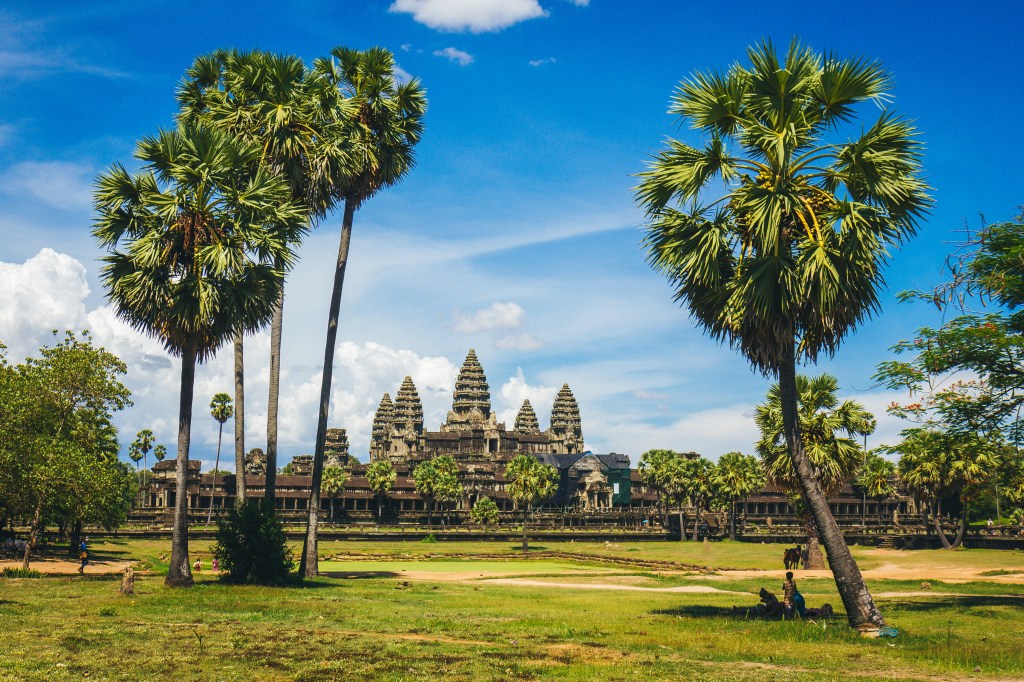
Cambodia’s beauty – the jungled temples of Angkor Wat, the saffron-robed monks gliding along the Mekong – stands in haunting contrast to the darkness of its recent history. Under the Khmer Rouge (1975–1979), nearly two million Cambodians perished.
The Tuol Sleng Genocide Museum in Phnom Penh and the Killing Fields of Choeung Ek offer stark, emotional encounters with this tragedy. Visitors often leave in silence but also with a deeper appreciation for Cambodia’s resilience.
Today, tourism has become a force for renewal. The country’s young population, many born after the genocide, are reclaiming their heritage through art, design, and hospitality. Boutique hotels in Siem Reap, sustainable retreats in the Cardamom Mountains, and vibrant food scenes in Phnom Penh showcase a Cambodia that remembers, yet refuses to be defined by its pain.
Rwanda: From Genocide to Grace

Perhaps no nation embodies remembrance travel’s transformative power more than Rwanda. Three decades after the 1994 genocide that claimed over 800,000 lives, Rwanda has emerged as one of Africa’s most stable, forward-looking countries.
At the Kigali Genocide Memorial, visitors encounter the stories of victims and survivors told through personal artifacts and testimony. It’s an emotionally demanding experience but one framed by hope. Outside the capital, rolling green hills stretch into national parks where mountain gorillas roam free once again.
Rwanda’s tourism renaissance is both ecological and ethical. From the Nyungwe Forest Canopy Walk to luxury lodges in Volcanoes National Park, the country has built an industry rooted in conservation, dignity, and remembrance. Every visitor becomes part of a larger story: one of rebirth through empathy.
The Quiet Continuum of Remembrance
Across continents, remembrance travel is reshaping the meaning of tourism. It asks travellers not merely to see but to understand to stand where the past unfolded and listen. These journeys remind us that the world’s most beautiful places are often those that have endured the unthinkable.
Former battlefields, once silent with loss, now echo with footsteps, languages, and laughter. Each visitor carries the memory forward, ensuring that history’s lessons do not fade into abstraction.
To travel in remembrance is to recognize that every destination from Normandy’s windswept shores to Rwanda’s emerald hills carries a heartbeat beneath its scars. And in hearing it, we find our own humanity reflected back.


Leave a Reply