By Donna Richardson
From national logistics to human impact, TRO agency helps shape conversations that matter
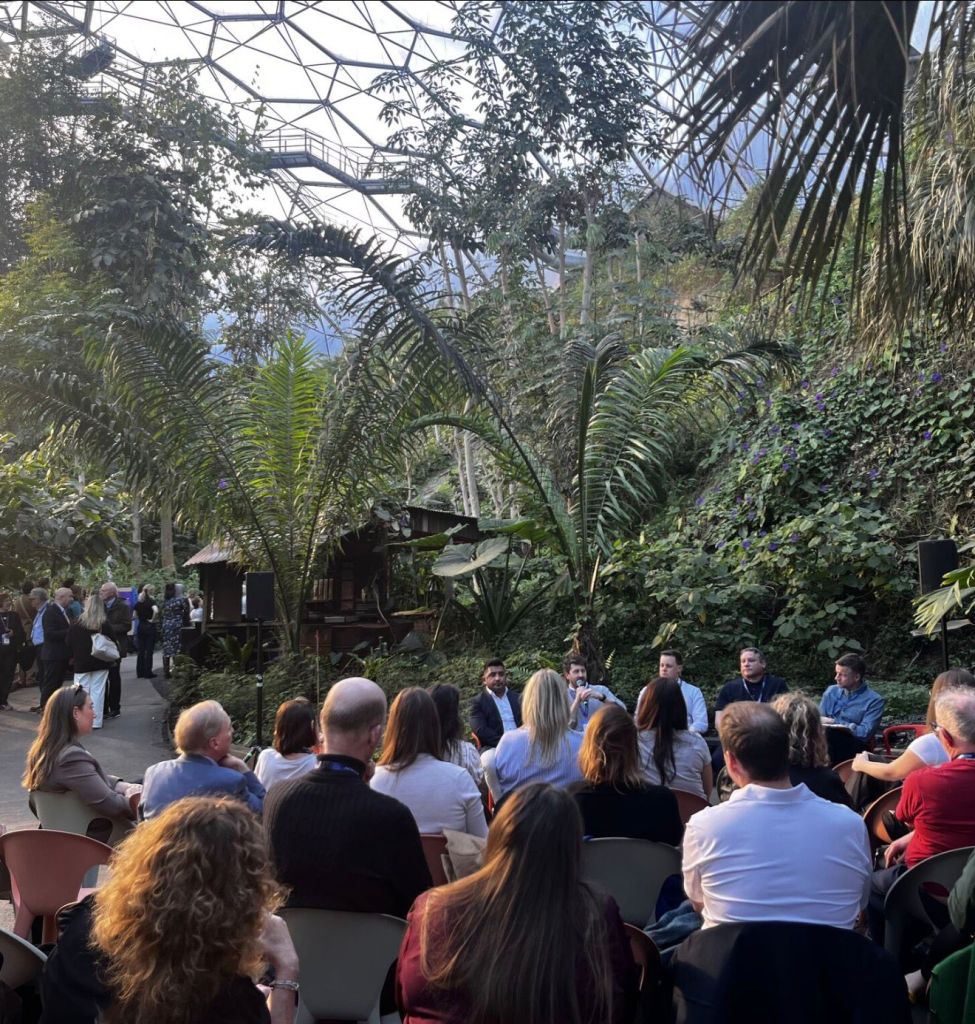
In a time of deepening social and economic divides, the UK is increasingly seeking spaces where difficult but necessary conversations can take place. At Anthropy’s National Gathering 2026 at the Eden Project -delivered in partnership with experiential marketing agency TRO -that ambition came to life in a powerful way. Now in its fourth year supporting the event, TRO has moved beyond logistics to actively shape environments where underrepresented voices can be heard and meaningfully engaged with.
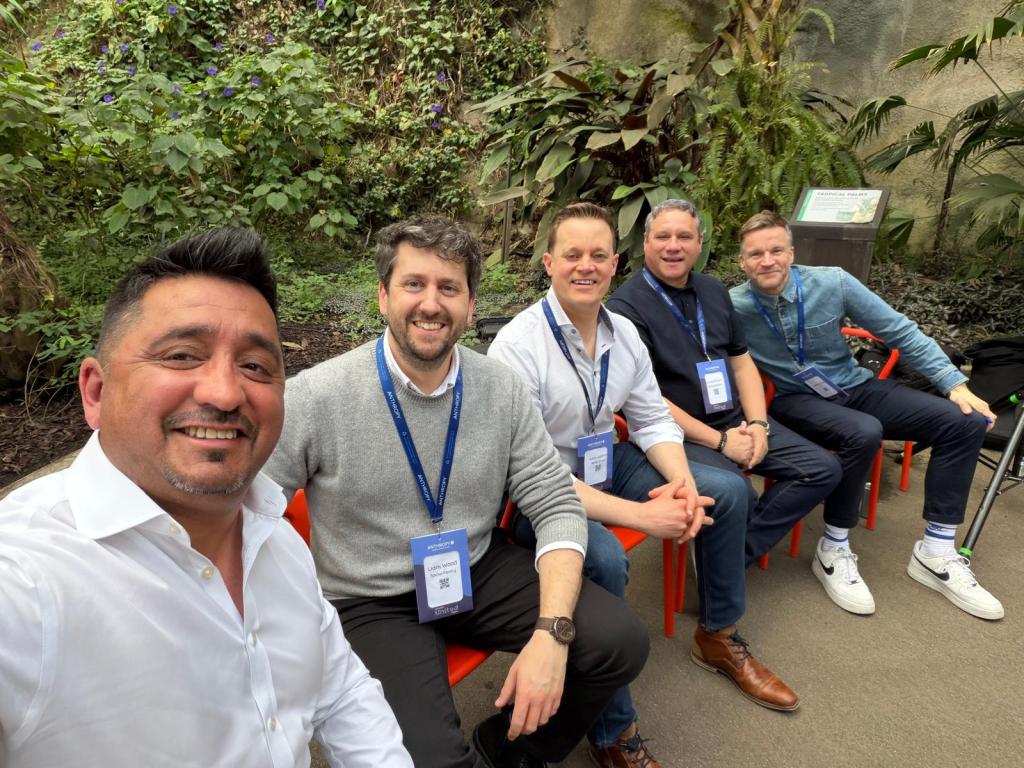
One of the most striking moments of the gathering came from a panel centring lived experience of the criminal justice system, where speakers shared raw, personal journeys from incarceration to employment, entrepreneurship, and community leadership—reframing what reintegration and opportunity can look like when those stories are finally placed at the centre of the conversation.
The Human Element at the Heart of the Challenge
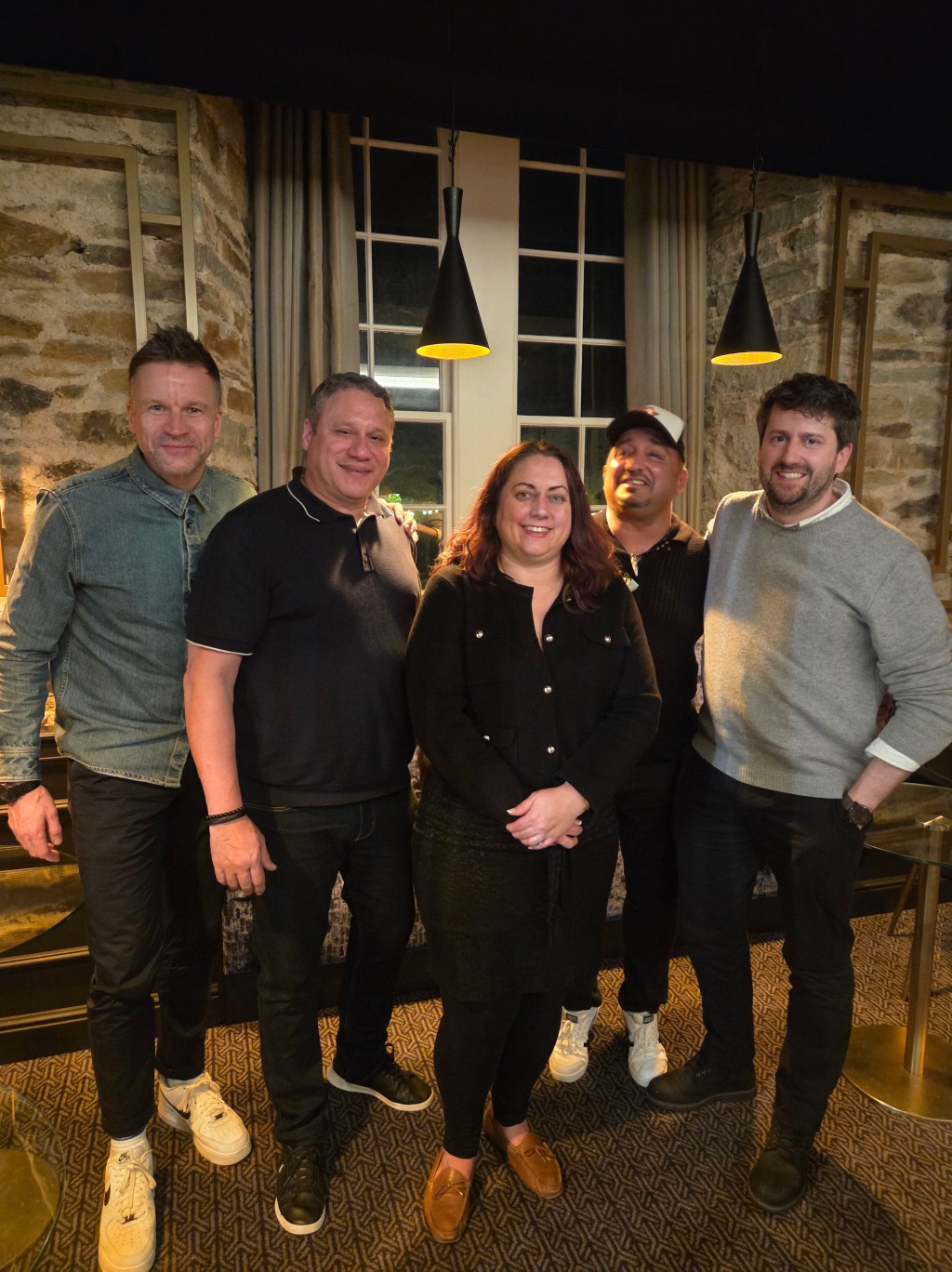
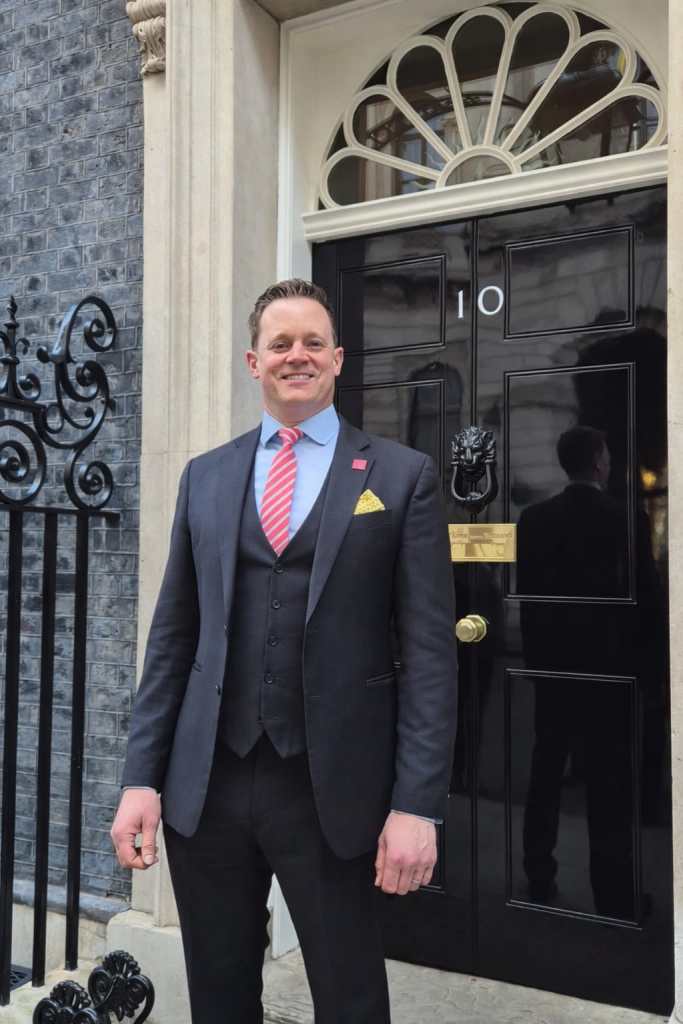
Andrew Orr, Managing Director of TRO, said: “I wanted TRO to represent the second chance community. I have always had an interest in prisons and rehabilitation, and support the second-chance community. This year, in our fourth year as architects of Anthropy, we were able to turn stigma into opportunity -from awareness into action.”
The panel explored themes of rehabilitation, second chances, and the barriers people face when re-entering society – particularly around employment, housing, and stigma. For many attendees, the session offered a direct human perspective on issues that are often discussed in policy terms but rarely heard from those most affected.
Andrew Pritchard, Founder of the AP Foundation, reflected on his own journey: He was once dubbed Britain’s ‘biggest drug smuggler’ after cocaine worth £100million was found stuffed in coconuts, He once controlled a narcotics empire bigger than cartel chief Pablo Escobar. But upon release, he started up his charity to help reformed prisoners.
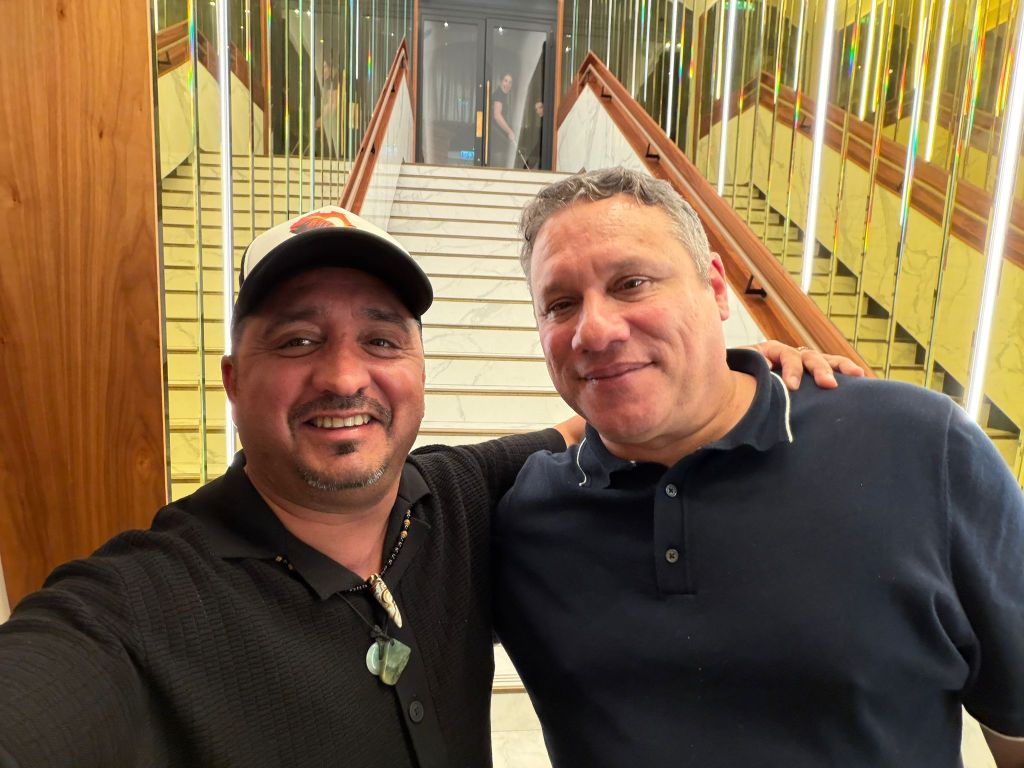
“Seven years ago, I was serving a 15-year prison sentence. During that time, I began my own journey of rehabilitation and realised that people with lived experience can make the biggest impact by giving something positive back.”
He added, “At some point in life, you decide to change. With the right support in place, anything is possible.”
Jazz Singh, Founder and CEO of Power Ability, shared his compelling story of redemption and why he has gone on a mission to spread the word about his experience in prisons all over the world. He shared: “I spent 1,192 days in prison. That’s where I first came into contact with an incredible pool of human potential – people whose talents and abilities were often overlooked or discarded. I call them the rubies in the rubble.”
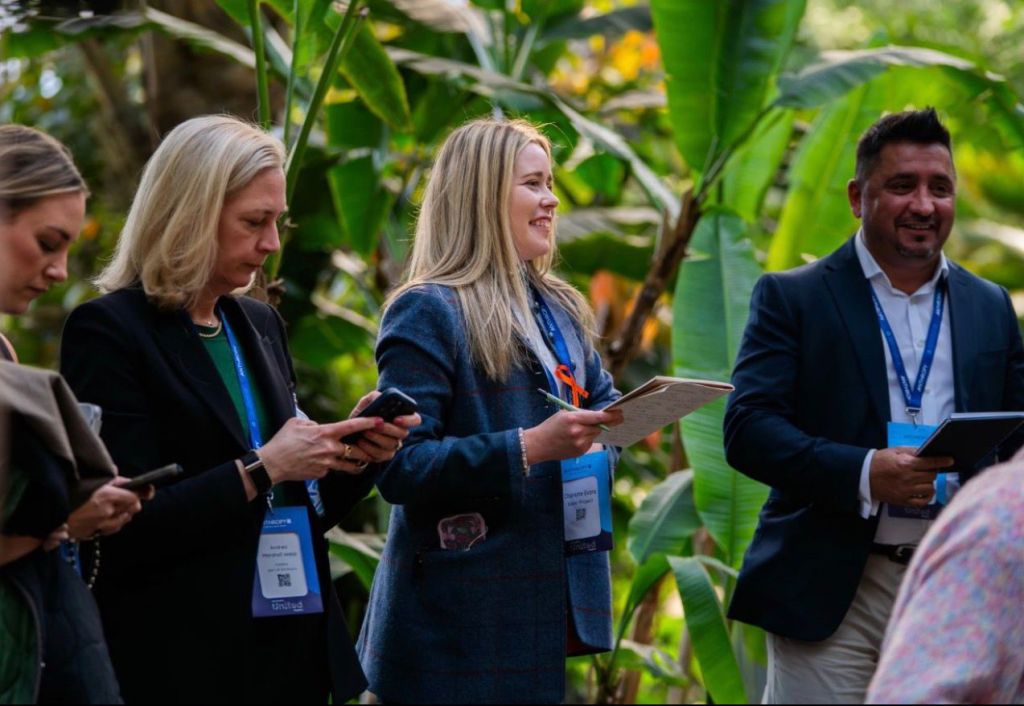
“I spent 1,192 days in prison. That’s where I first came into contact with an incredible pool of human potential – people whose talents and abilities were often overlooked or discarded. I call them the rubies in the rubble.” Jazz Singh
He continued: “If we all sat down and tattooed our worst mistake on our foreheads for everyone to see, many of us might not be sitting in the seats we’re in today. How many people here currently employ someone with a criminal conviction? And how many would consider it if the right support existed? That’s encouraging – but it’s not everybody. There’s still a gap there. And that gap is exactly the conversation we need to have.”
He reflected on the difficulties people face after release: “The difficulty comes when you walk out through the prison gates. It can feel like stepping off the edge of a cliff- you’re suddenly out there with very little understanding of what you’re going to face. One of the biggest barriers is employment. Employers naturally ask why they should hire someone with a criminal conviction when another candidate has not broken the law. That’s a fair question, and it makes sense. But for someone leaving prison, that challenge can become motivation. It gives you even more reason to work harder, to prove yourself, and not to make the same mistakes again.”
“Many people leaving prison are willing to put in that extra effort because they know they cannot fail. They often have licence conditions to follow, responsibilities to meet, and a strong desire to rebuild their lives. If given the chance, you will find individuals who are highly committed and determined to succeed and become the stars of your business because they want to make a difference.”
“Part of the work we are doing is about breaking down stereotypes and stigma. Anyone can make a mistake, and anyone can change. I remember a probation officer once telling me, ‘Pritchard, a leopard never changes its spots.’ I replied, ‘A leopard can’t change its spots—but a leopard can change its mind.’”
Liam, from Social Pantry, added: “People leaving prison often face their biggest challenge before they even reach an interview, as employers may reject them simply for having a criminal record. Society tends to label them as ‘ex-prisoners’ rather than people who have made mistakes, which creates strong prejudice.”
“Many individuals in prison come from difficult backgrounds and environments.
While they are responsible for their actions, their circumstances often influence their decisions. After release, even when they get a job opportunity, new challenges arise. For some, it may be their first job, so basic workplace expectations like contracts, schedules, and appraisals can feel confusing and intimidating.
They may also face multiple personal difficulties at once – such as housing issues, health problems, or family responsibilities -which can affect their performance. Supportive employers who show patience and understanding can make a significant difference in helping them adjust and succeed.”
Jazz emphasised prevention: “To solve problems, we need to go upstream- support young people early rather than only dealing with consequences later.”
The Business Case for Second Chances
Jazz explained the broader impact of supporting people leaving prison: “Nine times out of ten, these people are polite, hardworking and eternally grateful for someone believing in them. They become examples to others in the business, which perpetuates a positive circle.”
“Supporting the second chance community isn’t just charity – it’s good business. It grows safer communities, strengthens your company culture, and it’s business as usual, not the exception. The risk is manageable, the reward is enormous, and the social value is clear.”
Justin Galliford, Chief Executive of Norse Group and Chair of the Employment Advisory Board, noted: “It is a really interesting challenge – but at its heart, it is deeply human. That is something I think society sometimes misses.”
As a senior business leader, he shared a practical example: “For me, it’s about seeing potential where others see problems. For instance, taking on an ex-prisoner who’d spent most of his life in and out of the system was a positive choice for us. We gave him a role where he could make a difference.
He mentored young people on-site, helped solve small but crucial problems, and built trust between employees and managers. It was simple, practical, and effective.”
“Taking someone on from prison isn’t about risk- it’s about support, structure, and commitment. You need leaders who are truly behind it, champions in the business who understand the process, and mentors who can guide without line-management pressure. Start small, focus on the individual, listen, and give them the tools to succeed. The moment you see it work, the culture shifts, doubts
disappear, and it becomes a positive cycle.”
Jazz reflected on personal growth: “As a returning citizen, you know the expectations. You’ve got uniforms, organisations, processes -you need help just to make it equitable. We should want a fair chance for people. There are so many people I work with now; I do talks in prisons, and honestly, I’m the best version of
myself because I went to prison. I turned it into my recovery.”

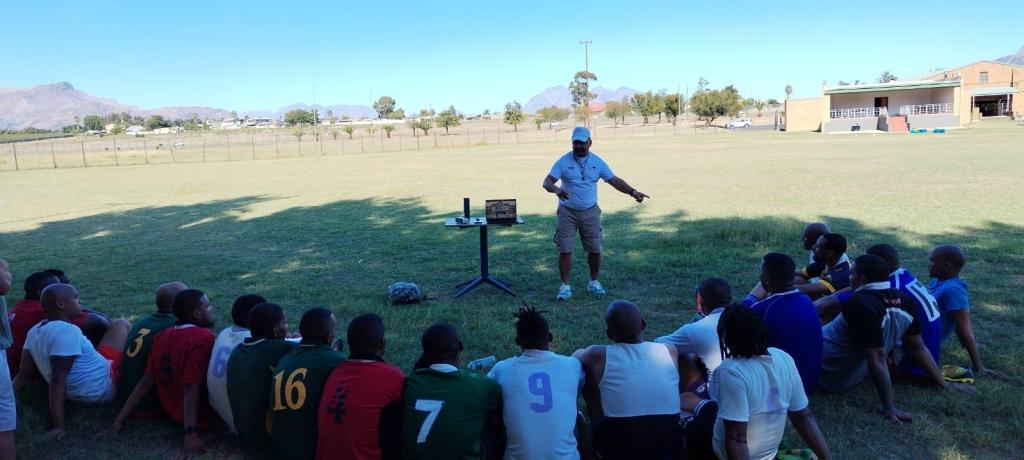
“This time last year, I was flying in from Johannesburg to speak at the Nelson Mandela Foundation, having studied his prison cell. None of that would have happened if I hadn’t gone to prison and done that deep dive on myself. I see a new version of me, but the world still sees the old version. We want to step over that mistake, step over who we were. If you always view a butterfly as a caterpillar, it
doesn’t look so pretty, right? I get that. Employing someone with a past can be nerve-rattling, especially young people- you have to understand their communications, their perspective. But with mentoring, we can help them grow. They can eventually guide the next generation.”
“Everyone makes mistakes – some people make monumental mistakes—but at some point, they need a chance, an opportunity. On the business side, we’ve got an ageing workforce in the UK. If organisations don’t tackle the skills gap proactively, they’ll fall into a trap. For businesses starting out, don’t start big- just create a proof of concept. Trial it, take your workforce with you, and think about the right roles for the right people. Identify staff who might struggle with change and get
them on side early, so roadblocks don’t appear.”
“One thing I’ve seen is organisations take a one-size-fits-all approach, creating a standard ‘prison leaver’ programme. But people leaving prison are all individuals, with different challenges andintersecting issues. Treating everyone the same might sound fair, but it often means they don’t get the support they need—flexibility, mentoring, understanding. You have to combine treating them
like regular staff with giving access to the right support.”
Practical Steps for Employers
Andrew Orr concluded: “Practical steps start with just taking that first step—supporting this community meaningfully straight away. Employ someone, or work with a charity that does it. That helps make people fit for purpose. There are lots of small charities working with ex-offenders, helping them get back on a path where they can become employable, become an asset to society, give back, and fit in.”
“They’ve had to go through the system, come out, and learn how to find their feet and their own way. If your business doesn’t employ them directly, that’s fine—but you can still support the charity.
Put your company’s name behind it. You don’t need to do all the work yourself, but by supporting these initiatives, you’re helping people become assets for society and for companies that are giving them a chance.”
Businesses can create meaningful social value by supporting people leaving prison into employment.
Simple actions -like connecting with prison Employment Advisory Boards, partnering with charities, offering mentoring, or providing short work experience placements—can break down barriers and change lives.
Employing someone after prison not only helps them rebuild their future but also positively impacts their families, especially children affected by separation. Many organisations are already employing people with convictions without realising it, so the real question for leaders is: why isn’t this already part of business as usual?
Small steps, time, and commitment from businesses can have a lasting ripple effect on individuals, families, and communities.
Delivering the Infrastructure Behind Big Conversations
Large-scale leadership gatherings require seamless coordination, and TRO serves as the end-to-end delivery partner for the National Gathering. The agency manages delegate operations, supplier coordination, transport logistics, production delivery, and volunteer management – creating the infrastructure that allows conversations and collaboration to take place and that includes handling the logistics for over 600 panellists and 2,000 delegates, including future emerging leaders.
Turning Conversations Into Action
From managing logistics across a multi-site venue to enabling deeply personal discussions about rehabilitation and opportunity, TRO’s role in the 2026 gathering demonstrates how event delivery can support meaningful social dialogue.
The panel featuring people with lived experience served as a powerful reminder that leadership is not only about strategy and policy—it is also about empathy, inclusion, and action. During the event, some of the nation’s leading voices across society spoke about a variety of topics on the theme of making Britain Better for all. From rock stars to politicians, everyone left their silo and egos at the door and genuinely came together for collaboration and conversations that will go on to change the country and make it a better place for all.
As the Anthropy National Gathering continues to grow, the partnership between TRO and Anthropy shows how thoughtfully designed events can create space for conversations that shape the future of the United Kingdom.
 LUXE Serendipity magazine
Leave a comment