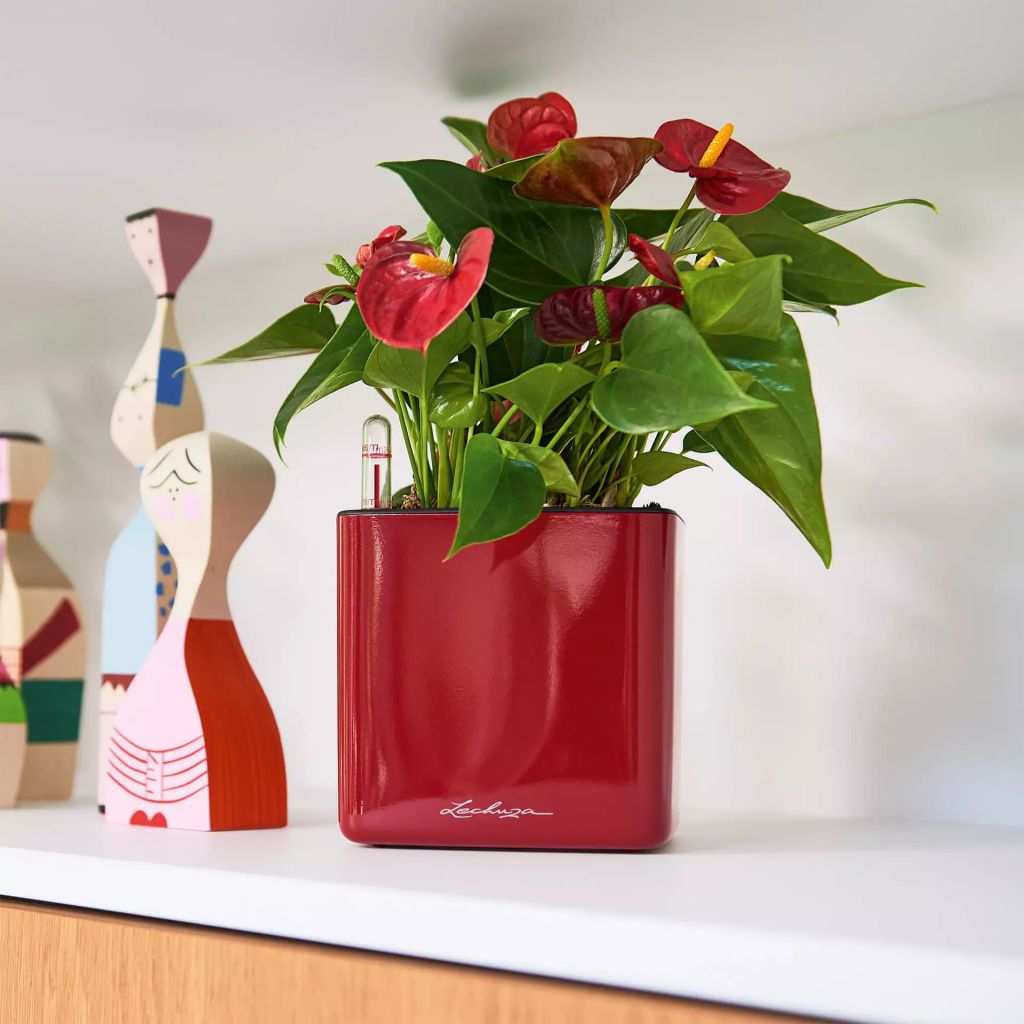
By Donna Richardson
In today’s homes, life is often lived across more than one address. Weekdays in the city, weekends in the country, long-haul travel in between. In this rhythm of movement, interiors need to work a little harder, staying composed, welcoming, and beautifully styled even when unoccupied.
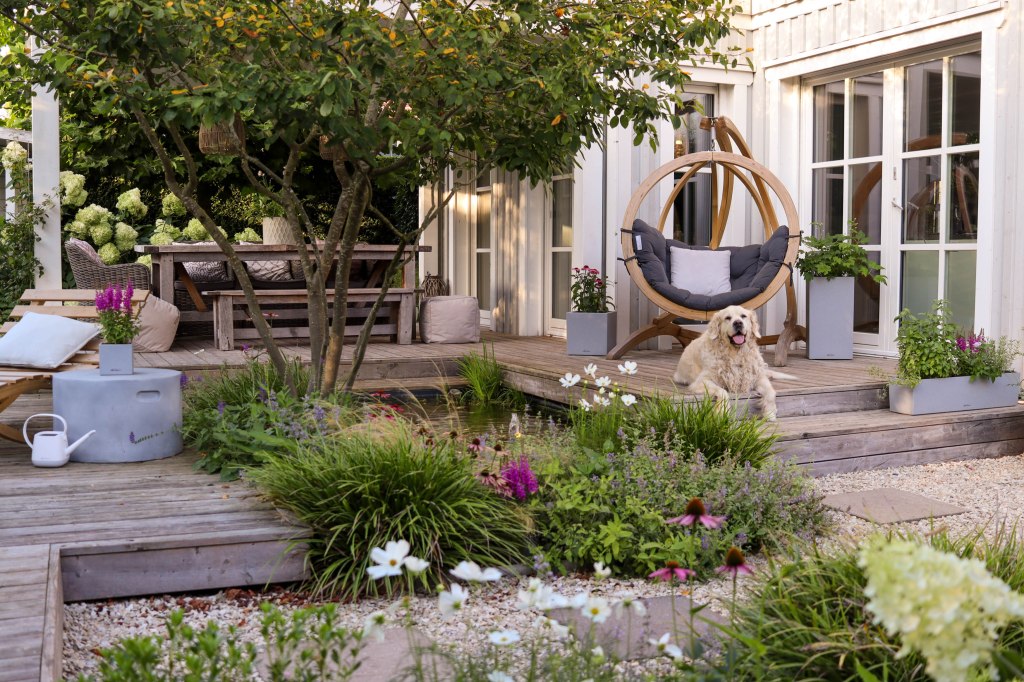
Houseplants play a surprisingly important role in this. They soften architecture, add depth to a scheme, and ensure a home feels alive the moment you walk back through the door. Yet they also present a familiar challenge for those who are frequently away: how do you keep them looking good when you’re not there to care for them?
The answer lies less in constant attention and more in thoughtful design.
The Brief: A Home That Looks Lived-In, Even When It Isn’t
For interiors that are only partially occupied, plants need to do more than decorate. They need to hold their shape and presence between visits, maintaining the feeling of a settled, finished space.
This is where plant selection becomes essential. Rather than high-maintenance varieties that demand frequent watering and adjustment, designers increasingly turn to reliable, architectural plants, varieties that retain their structure and cope well with periods of independence.
The goal is simple: consistency over time. But just as important is the container itself. In homes that are not occupied every day, planters are expected to do more than simply look attractive. They need to support the plant’s health, regulate moisture levels, and maintain a sense of balance between visits, quietly working in the background so the interior continues to feel composed in your absence.
In this context, the planter becomes part of the system rather than just the styling. Materials, scale, and internal structure all contribute to how successfully a planting scheme performs over time. This is why designers increasingly move beyond decorative pots and specify pieces that combine visual presence with dependable functionality.
Premium collections from LECHUZA are often used for precisely this reason. While their clean proportions and refined finishes sit comfortably within contemporary interiors, their real value lies beneath the surface. Integrated self-watering systems with discreet reservoirs allow plants to draw moisture gradually as needed, creating a more stable environment and reducing the risk of stress during periods of absence.
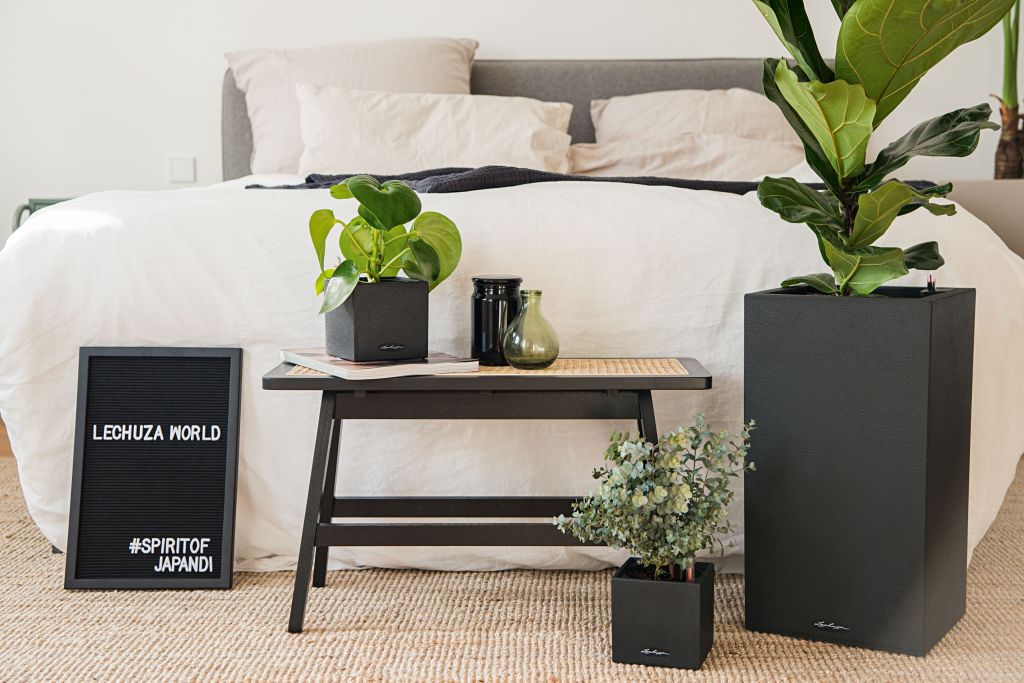
In practice, this might mean placing a tall architectural Cubico Premium beside glazing to anchor a living space, or introducing a larger statement piece such as the Trio Stone to define an open-plan area. These forms visually structure the room and provide the underlying support that allows planting schemes to remain consistent between visits.
The result is subtle but significant: the planting continues to perform, the space retains its sense of order, and the home feels settled the moment you return.
The Solution: Smarter Watering Systems
One of the biggest challenges in plant care is irregular watering, too much on arrival, too little in between visits.
Self-watering systems offer a straightforward solution. Planters with integrated reservoirs allow plants to draw up moisture gradually as needed, creating a more stable environment over longer periods. Instead of relying on memory or routine, the system provides a steady, predictable source of hydration that supports the plant in your absence.
This is why designers working with intermittently occupied homes, second residences, city apartments, or seasonal properties often specify systems such as those from Lechuza. The technology is seamlessly integrated into the planter’s structure, allowing performance and aesthetics to work together without visual compromise.
It’s a practical upgrade, one that supports the rhythm of the home without drawing attention to itself.
Designer Tip: Think in Groups, Not Singles
A common mistake is scattering plants throughout a space without considering how they perform together.
Grouping plants creates a more stable microclimate, helping retain humidity and reducing stress between waterings. It also brings a visual benefit; clusters of greenery feel intentional, styled, and cohesive rather than incidental.
Designers often build these groupings around a single anchor piece, typically a taller planter, supported by smaller companions that echo its material or finish. When containers share a consistent design language, the arrangement reads as part of the room’s architecture rather than an afterthought.
Placed thoughtfully, these groups become part of the room’s overall composition, not just decoration.
Light and Layout Between Visits
When you’re not in a home every day, light becomes a quiet factor in how plants behave.
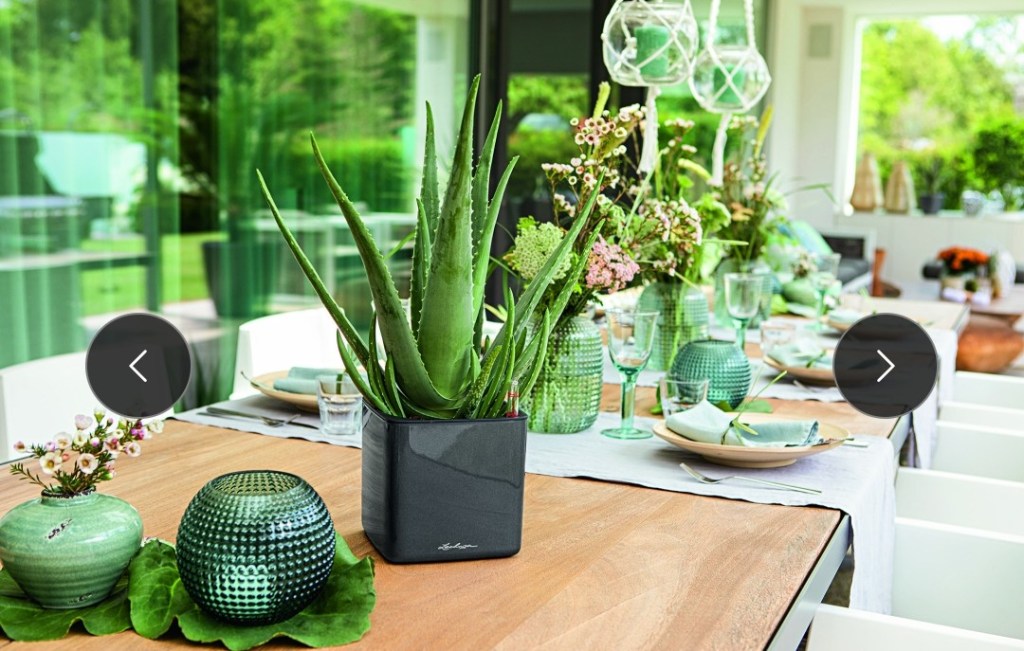
Seasonal changes can significantly alter conditions, particularly in spring and summer when daylight intensifies. Before leaving, it helps to position plants slightly away from strong direct sun and avoid placing them too close to heat sources or radiators.
Small adjustments like these, combined with reliable self-watering containers, help maintain balance until your return.
The Return: Why Continuity Matters
There is a particular satisfaction in returning to a home that feels unchanged yet still alive. Plants contribute to this sense of continuity more than almost any other element in an interior.
When they are well chosen and properly supported, they don’t require reinvention each time you return; they continue. A tall architectural planter still holds its shape. A carefully composed grouping still feels intentional. The room remains settled, even in your absence.
A well-planted home doesn’t ask for constant attention. It quietly holds its own.
Find out more at https://thelechuza.co.uk/
 LUXE Serendipity magazine
Leave a comment