Donna Richardson caught up with Charlie Orr of Inside Travel at Authentic Travel 2026. Charlie was an exhibitor at the travel showcase set up by Dan Hyams. This took place at The Wellbeing Farm, Lancashire last weekend. Here’s what he had to say.

For those visiting Japan for the first time, it can feel slightly intimidating – the language, the food, and the neon intensity of Tokyo all make a strong first impression. But Japan is also a country that quickly reveals itself. Beneath the surface, it is highly structured and logical; things tend to work as intended. Within a day or two, that initial uncertainty often gives way to confidence and curiosity.
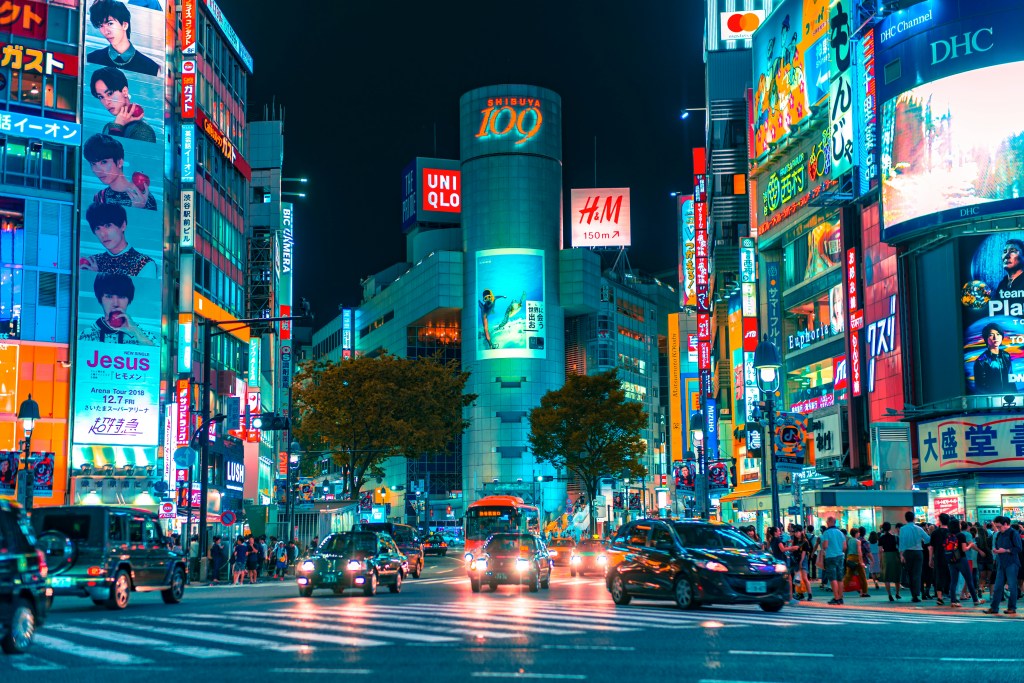
Japan is not a single destination type. It changes dramatically depending on where you go. It is not a traditional beach resort country; instead, relaxation tends to take a different form. Many Japanese travellers head to the mountains, staying in traditional inns or rural retreats surrounded by nature, hot springs, and quiet.
An authentic journey through Japan is about experiencing those contrasts—modern cities, historic capitals, regional food culture, and deeply peaceful natural landscapes
Tokyo: First Impressions and Urban Energy
Most journeys begin in Tokyo, a vast and highly organised city where tradition and modern life exist side by side. In Asakusa, travellers encounter a more traditional side of the capital, centred around Senso-ji Temple and surrounding streets. In contrast, Shinjuku represents Tokyo at full intensity—neon lights, busy crossings, late-night dining, and constant movement.
Tokyo Disney Resort: Two Parks, Two Experiences
Japan is also home to a unique interpretation of Disney through the Tokyo Disney Resort, which includes two distinct theme parks.
Tokyo Disneyland follows the classic Disney model, featuring familiar attractions, parades, and fairy-tale themed lands. It is the more traditional of the two parks and closely resembles Disney parks elsewhere in the world, but with an exceptionally high level of service, detail, and presentation.
Alongside it is Tokyo DisneySea, a park unique to Japan. It is widely regarded as one of the most creatively designed theme parks in the world, built around nautical exploration, mythology, and immersive harbour-themed areas. The focus here is less on repetition of familiar franchises and more on atmosphere, storytelling, and design detail.
Together, the two parks reflect a broader theme in Japan: familiar global concepts interpreted with precision, creativity, and a distinct cultural identity
Kyoto: The Cultural Heart
Formerly Japan’s capital until 1868, Kyoto remains the country’s cultural centre. It is home to some of Japan’s most important temples, shrines, and historic districts.
Key landmarks such as Fushimi Inari Shrine, Kinkaku-ji (the Golden Pavilion), and Nijo Castle are essential stops. However, Kyoto’s deeper character is often found in quieter temples and residential neighbourhoods, where the pace of life slows significantly.
Hiroshima and Miyajima: History and Tranquillity
Hiroshima is a modern, rebuilt city with a deeply significant past, now known for its welcoming atmosphere and regional cuisine.
Nearby, Miyajima Island is one of Japan’s most iconic destinations, famous for its floating torii gate. Staying overnight allows for a quieter experience once day visitors leave, revealing a more peaceful side of the island.
Osaka: Japan’s Kitchen
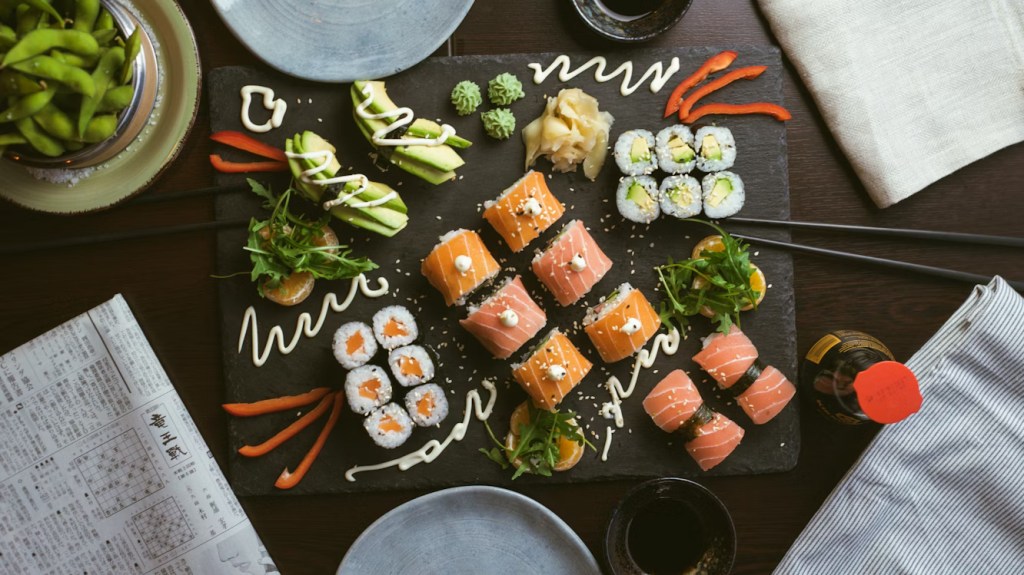
Known as “Japan’s kitchen,” Osaka is one of the country’s most important food cities and is defined by its street food culture and informal dining style.
Signature dishes such as takoyaki (octopus balls) and okonomiyaki are central to the city’s identity. Osaka is best experienced through its food districts, where eating is constant, social, and part of everyday life.
The Japanese Alps: Takayama and Kanazawa
Travelling north into the Japanese Alps reveals a slower, more traditional side of Japan. Takayama is known for its preserved old town and craftsmanship, offering a strong sense of regional heritage.
Kanazawa is home to Kenrokuen Garden, one of Japan’s most celebrated landscaped gardens, known for its seasonal design and balance.
Luxury in Japan: A Different Philosophy
Luxury in Japan is defined differently from that in many other destinations. Rather than being driven by excess or constant personalisation, it is rooted in tradition, structure, and access to carefully preserved experiences.
High-end travel often focuses on participation rather than alteration. Experiences such as tea ceremonies, ryokan stays, and cultural encounters follow established traditions that are not adapted on demand. The value lies in authenticity and access, rather than customisation or excess.
Returning to Tokyo: A Final Contrast
Most itineraries return to Tokyo, completing a circular journey through the country. After travelling through different regions, the capital offers a final contrast between traditional and modern Japan. A combination of Asakusa’s heritage atmosphere and Shinjuku’s modern energy provides a fitting conclusion to the journey.
Final Perspective
An authentic adventure in Japan is defined by contrast—between cities and mountains, tradition and modernity, and fast-paced urban life and quiet rural retreat. The most meaningful way to experience Japan is to move beyond surface-level sightseeing and engage with its regions, rhythms, and cultural depth.


Leave a comment