By Donna Richardson
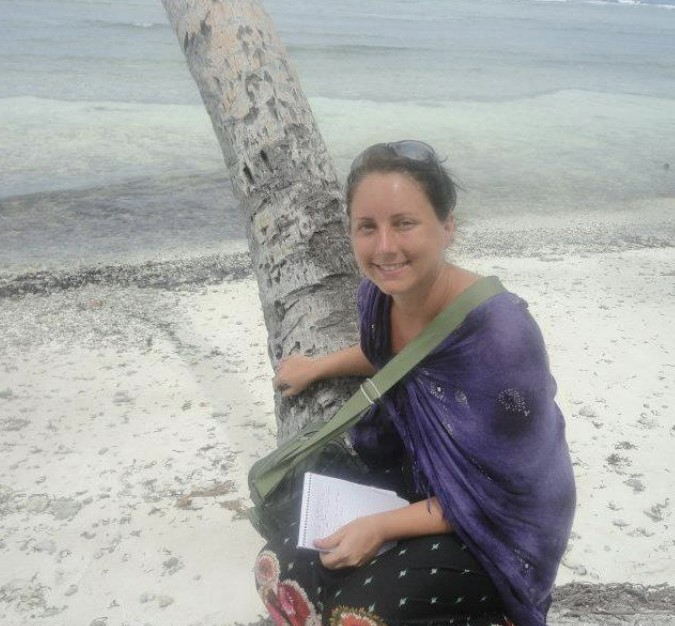
I used to live on an island in the Maldives, where the ocean shaped every part of daily life. It wasn’t a holiday destination to me -it was home. My routine there was simple, active, and deeply connected to the sea in ways that still feel unreal when I think back on it now.
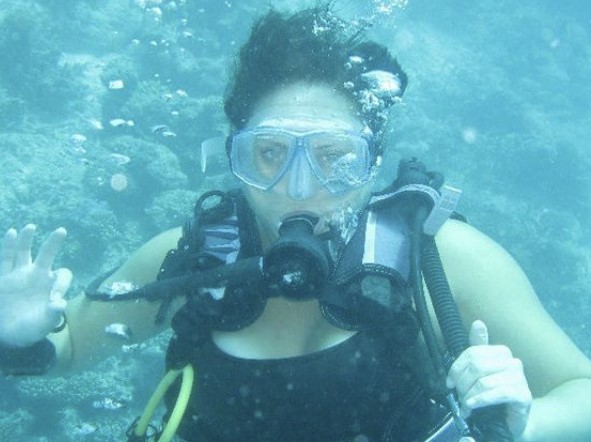
I lived in a house that faced the sea. Most mornings began before the heat settled in. I would slip into the water with my snorkel gear and swim along the reef just offshore. The ocean was calm at that hour, clear enough to see coral gardens waking up beneath the surface. Fish drifted lazily through the shallows, and sometimes I would spot rays gliding past like silent shadows. Starting the day underwater felt normal then, but looking back, it was something truly special.
After snorkelling, I would run laps around the island. It didn’t take long -many islands in the Maldives are small enough to circle in minutes -but the run was part exercise, part meditation. The path was sandy, the air warm, and the sound of waves followed me the whole way. Life there encouraged movement, routine, and time outdoors without even trying.
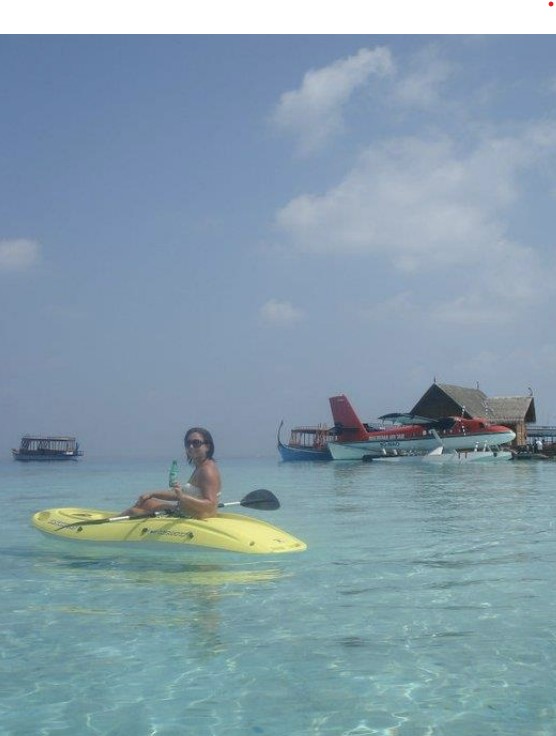
Work meant travelling to Malé, the busy capital city. I caught dhoni ferries across the water, often surrounded by commuters, schoolchildren, and workers carrying supplies. . The ride itself became a familiar rhythm -the engine humming, sea spray in the air, and the skyline of Malé slowly growing larger on the horizon. It was a daily reminder of how connected the islands were, even though each one felt like its own world. Then I also took ferries across islands and into new lagoons, as each island invited me to the next. I stayed in five-star resorts, flew there by seaplane, and kayaked in crystal-clear lagoons.
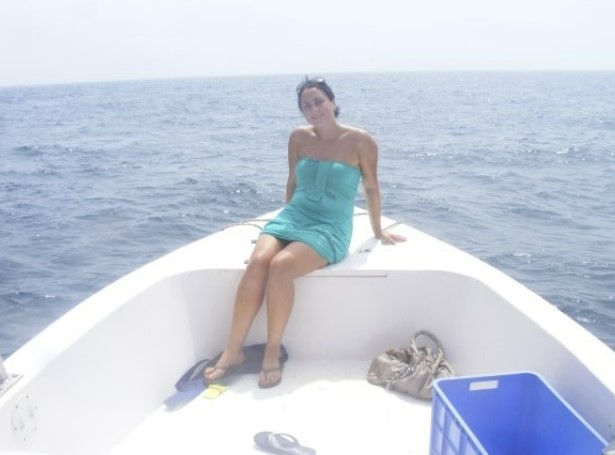
I also caught a cargo ship across the equator and experienced the rough passing over the Indian Ocean – if this rises, then the island I visited will be no more.
Those were also the years when the country was drawing global attention to the fragile state of its environment. I remember when President Nasheed made his dramatic plea to the world about protecting the underwater environment – holding an underwater cabinet meeting. Living there at the time gave that moment a different weight. It wasn’t just politics or headlines -it was about the reefs I swam over every morning, the shorelines I ran along, and the communities that depended on the ocean for everything.
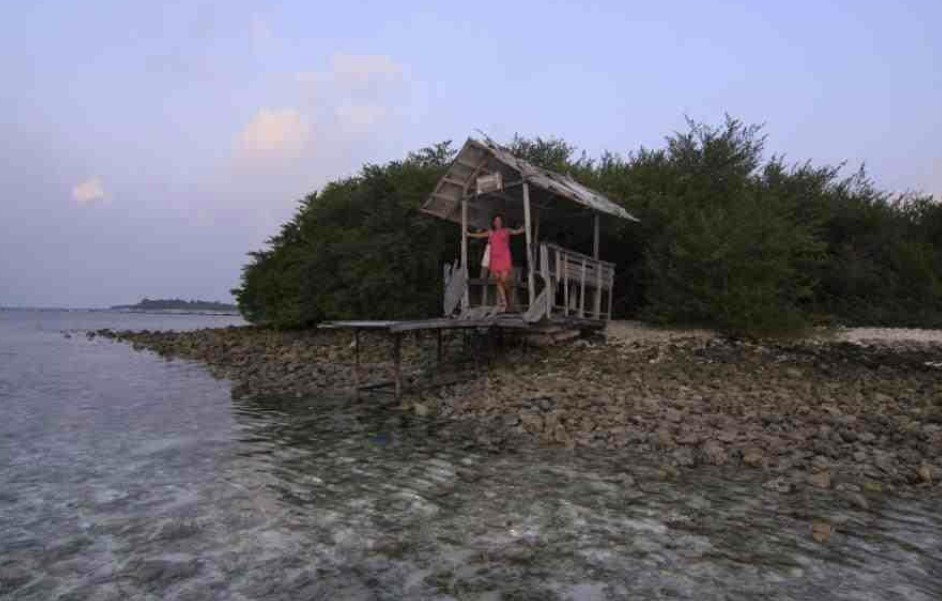
There was always an awareness that the islands were beautiful but vulnerable. Storm tides, changing weather patterns, and conversations about rising sea levels were part of everyday life. People spoke about the future with realism, but also with pride in their home and determination to protect it.
What stays with me most from my time in the Maldives isn’t just the scenery—it’s the rhythm. The routine of snorkelling at sunrise, running along the shoreline, and boarding ferries to work created a lifestyle that felt balanced and grounded. It was a place where nature wasn’t something you visited on weekends; it was something you lived inside every single day.
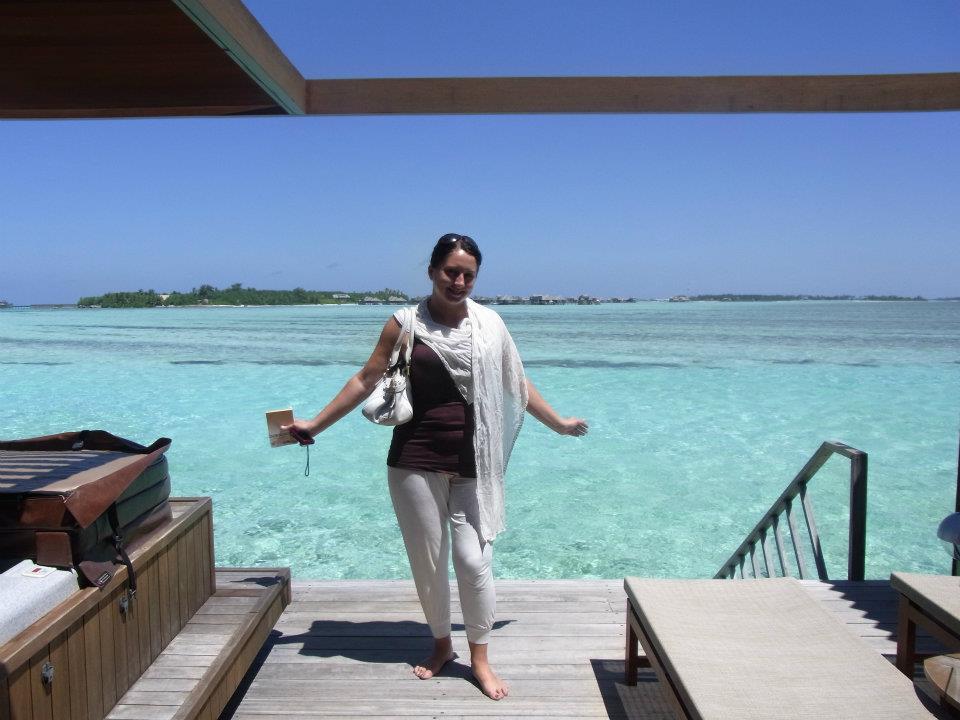
Even now, years later, those memories feel vivid—the colour of the water, the warmth of the sand underfoot, and the quiet sense of freedom that came with island life. The Maldives wasn’t just somewhere I lived. It was a chapter of life defined by the ocean, movement, and a deep respect for a world that exists just below the surface.
Sometimes, when I think back to those mornings in the water, I imagine descending on a scuba dive decades from now and finding silence where life once thrived. The reefs I used to swim over, the sandy paths I ran each day, the ferry routes into Malé – all of it could be gone within the next 100 years.
The Maldives is often called paradise, and it truly felt that way to live there. Crystal-clear lagoons, endless blue horizons, and a community built around the sea. But beneath that beauty was a constant awareness of how fragile the islands are. Most of the land sits only about one meter above sea level. That fact was never just a statistic -it was something people talked about in everyday conversations, especially during storms or unusually high tides.
If sea levels continue to rise because of climate change, the risk is simple and stark: the islands could be lost. Not suddenly, not in a single dramatic moment, but gradually -shorelines shrinking, flooding becoming more frequent, freshwater supplies turning salty, and communities eventually forced to move elsewhere. The idea that an entire nation could disappear felt surreal at the time, yet it was always present in the background.
The underwater world is not just scenery; it’s full of colour, movement, and sound. Fish darted between coral branches, turtles drifted slowly past, and sunlight filtered through the water like glass. To imagine that ecosystem fading, or being submerged beyond recognition, feels like losing a piece of history and identity. It’s already begun with El Niño.
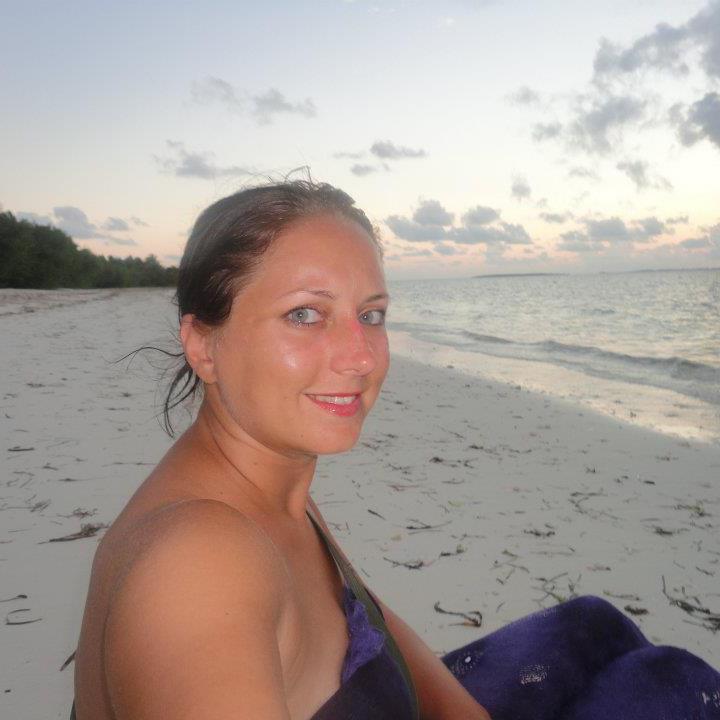
Living there taught me that paradise is not permanent. It exists in moments – in early morning snorkels, in runs around a tiny island, in ferry rides across calm water under a bright sky. Those memories feel even more valuable now because they capture a place that may not exist in the same way for future generations.
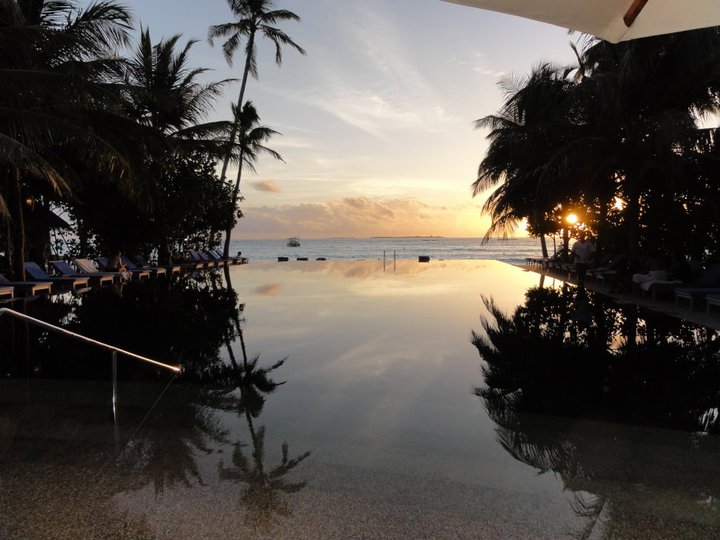
In a sense, every dive I took back then was a glimpse of something precious and temporary – a world of beauty balanced just one meter above the rising sea. I miss the endless sunsets and the amazing blue sea where the sky and ocean merged in one and the sea of stars at night. It was a magical place- and soon it will be gone.


Leave a Reply