| Global Signature Dishes Inspired by Their Destination |
At Shangri-La Hotels and Resorts, dining is more than a meal – it is a gateway to destination, culture and storytelling. Across the portfolio, chefs are drawing inspiration from the places they call home, creating signature dishes that reflect local heritage, ingredients and traditions.
From a quintessentially British afternoon tea in London to a Parisian bistro classic at Maison Roland, an Anatolian lamb dish in Istanbul and an elevated Mauritian favourite in Mauritius, each signature creation offers its own expression of place. Together, they show how Shangri-La brings local culture to life through considered dining experiences.
Shangri-La The Shard, London: St Germain Afternoon Tea‘
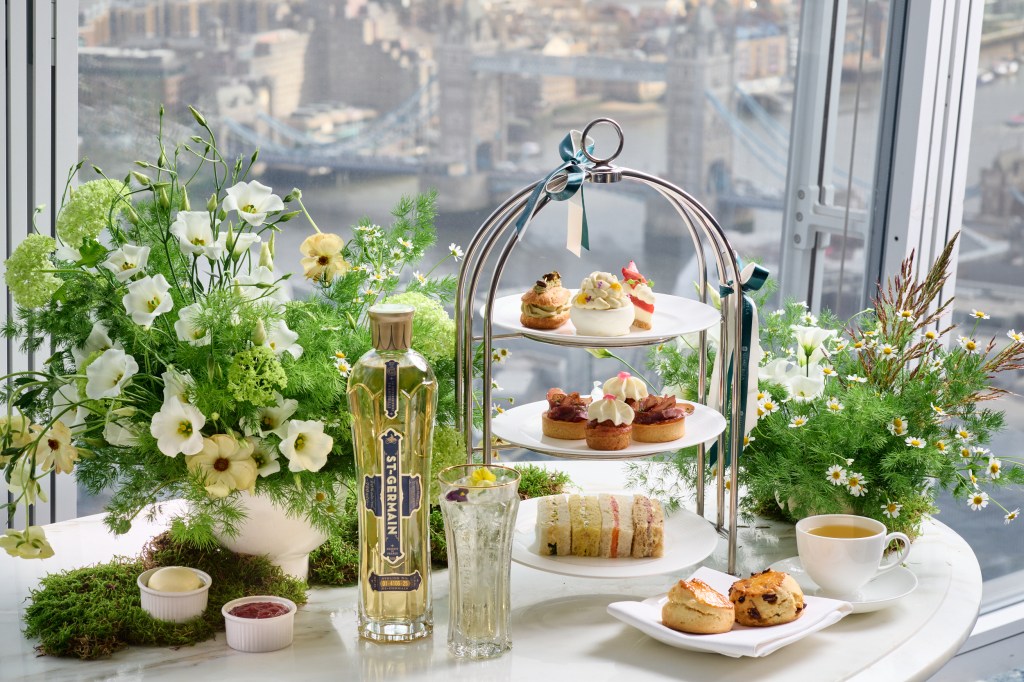
At Shangri-La The Shard, London, afternoon tea is presented as a fresh take on one of Britain’s best-loved traditions. The St Germain Afternoon Tea brings together classic elements with seasonal flavours, offering a menu that feels familiar but current.
Afternoon tea remains one of the clearest expressions of British dining culture, shaped by ritual and occasion Shangri-La The Shard, London keeps those foundations in place through plain and raisin scones served with jam and clotted cream, alongside finger sandwiches inspired by British favourites. Coronation chicken nods to royal history, having first been created for Queen Elizabeth II’s coronation in 1953, while smoked salmon with crème fraîche and roasted beef with horseradish and watercress stay true to well-loved combinations.
What gives this version a more contemporary London identity is its use of elderflower. Once associated more closely with the British countryside, elderflower took on a more modern cultural relevance after the lemon and elderflower wedding cake created for the wedding of the Prince and Princess of Wales helped bring the flavour back into the spotlight. That influence is reflected in the pastries, led by the St-Germain Sunset Pavlova – an airy dessert made with elderflower liqueur, mango and passionfruit – which brings a brighter, more modern note to a classic afternoon tea setting.
Shangri-La Paris: Floating Island ‘Maison Roland’
At Shangri-La Paris, Maison Roland pays tribute to the spirit of Parisian bistro dining with dishes deeply rooted in French culinary heritage. Among them, the Floating Island “Maison Roland” stands out as a signature of the restaurant’s approach – one that celebrates nostalgia, craftsmanship and the elegance of the French table.
Known in France as île flottante, floating island is one of the country’s most recognisable desserts, long associated with traditional family meals, neighbourhood bistros and the comforting side of French gastronomy. Its appeal lies in its simplicity: soft meringue, custard and caramel, balanced rather than overworked. That familiarity is central to its place in Parisian dining culture, where technique and tradition often matter more than reinvention.
At Maison Roland, the dessert is refined in a way that suits Shangri-La Paris, without losing the character of the original. Silky Madagascar vanilla crème anglaise is topped with a lightly caramelised blanc-manger, creating a dish that feels airy, delicate and nostalgic. It is a dessert that reflects not only French culinary heritage, but also the style of Paris itself.
Shangri-La Bosphorus, Istanbul: Lamb Shashlik
At Shangri-La Bosphorus, Istanbul, the Lamb Shashlik at IST TOO celebrates Türkiye’s regional gastronomy through carefully sourced local ingredients. Originally developed around a special cut of lamb, the dish has become a guest favourite and a signature on the menu.
Lamb has long held an important place in Turkish and wider Anatolian cooking, appearing in everything from family grilling traditions to celebratory dishes shaped by regional produce and cooking methods. This version draws on that broader culinary heritage by bringing together ingredients from across Türkiye, reflecting the diversity of the country’s food culture in a single plate.
Prepared with Balıkesir Gönen lamb loin, it is served with firik pilaf enriched with Kars Graviera cheese, village-style yoghurt and Urfa pepper purée. Each element points to a different part of the country and a different culinary tradition, from the smokiness of firik to the richness of regional cheese and the gentle heat of Urfa pepper. The result is a dish that feels grounded in place and well-suited to Istanbul itself – a city shaped by the meeting of cultures.
Shangri-La Le Touessrok, Mauritius: Le Touessrok by Jeffrey Cagnes
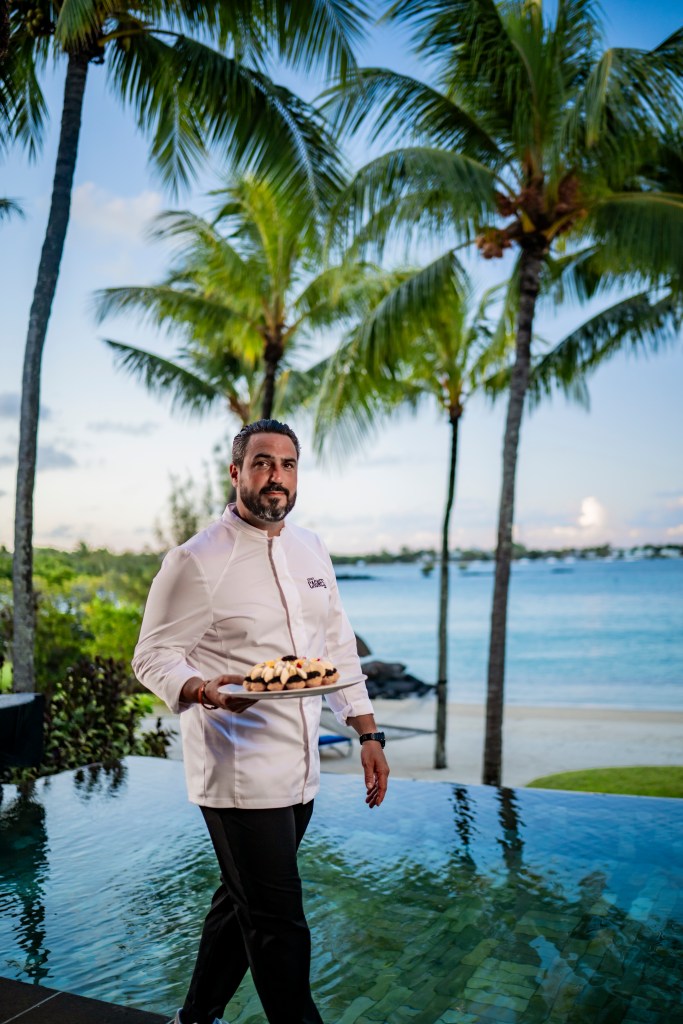
At Shangri-La Le Touessrok, Mauritius, a new collaboration with acclaimed French pastry chef Jeffrey Cagnes has introduced a signature dessert inspired by the tropical flavours and character of the island. Bringing together French pâtisserie technique and local ingredients, Le Touessrok offers a fresh take on the classic Saint-Honoré.
That balance of French influence and island identity makes sense in Mauritius, where the cuisine has long been shaped by a mix of cultures and traditions. French culinary influence remains woven through the island’s food culture mixed with tropical produce. This dessert reflects that duality, taking one of the best-known classics in French pastry and reworking it through ingredients that are typically Mauritian.
Reimagined for Mauritius, the dessert brings together tropical fruit with the structure and precision of traditional French pastry. Crisp sablé diamant is layered with mango and passion fruit confit, red pitaya, Victoria pineapple brunoise, passion fruit whipped ganache, passion vanilla crémeux and delicate choux finished with black sesame seeds. Served at Coco’s Beach House overlooking the lagoon, it offers a version of Saint-Honoré that feels rooted in its setting rather than simply transported there.
Shangri-La Toronto: Bucatini alla Bolognese
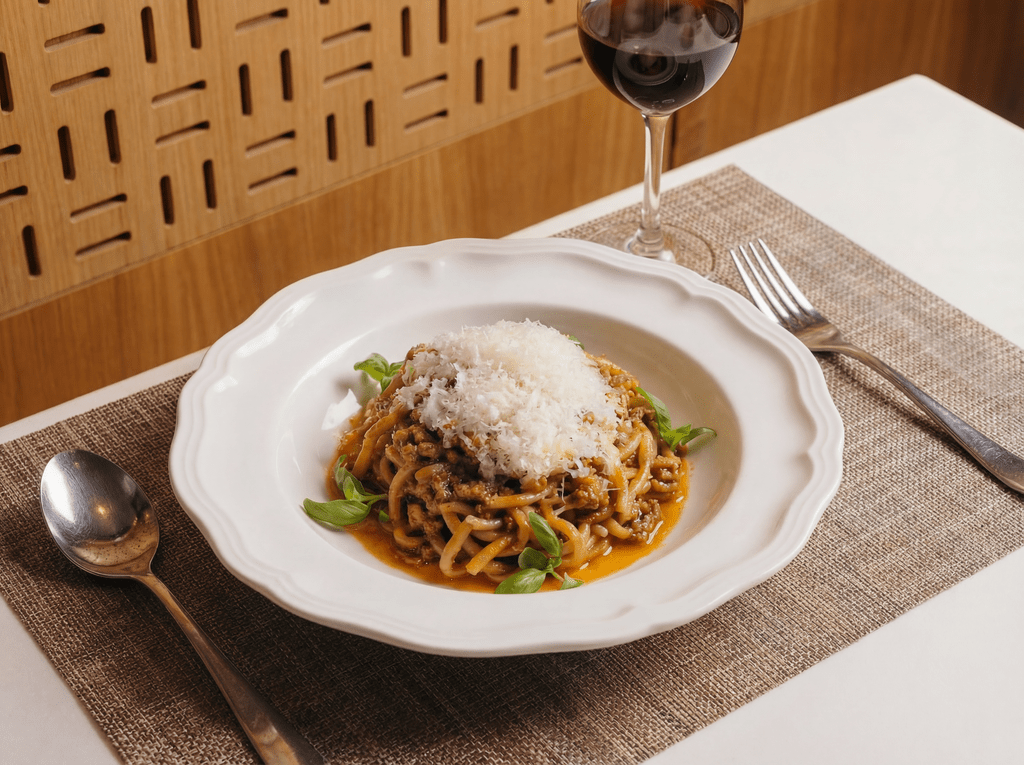
At Shangri-La Toronto, bosk’s signature pasta dish is an interpretation of a timeless Italian classic, featuring the exceptional produce of Ontario. The rich, flavourful sauce of the Bucatini alla Bolognese is created through deglazing the ingredients with Niagara red wine – sourced from one of Canada’s most celebrated wine regions.
Nestled between Lake Ontario and the Niagara Escarpment, the area’s unique cool-climate terroir produces elegant, fruit-forward reds with vibrant acidity and notes of ripe cherry, blackberry and warming spice, bringing remarkable depth to this slow-cooked ragù. This dish perfectly showcases the depth and character of the wine.
Combined with locally sourced Canadian beef, veal and pork, and finished with aged Testun Barolo cheese from Italy, the dish embodies bosk’s Rooted in Nature philosophy – offering diners a true taste of Ontario while celebrating Toronto’s rich multicultural culinary scene, through the finest regional and international ingredients.
Shangri-La Hambantota, Sri Lanka: Kottu Roti
At Shangri-La Hambantota, kottu roti celebrates one of Sri Lanka’s most iconic street foods, bringing the energy and flavour of the island’s bustling roadside kitchens into a refined dining setting. First created in Batticaloa during the 1970s, the dish began as an inventive way to transform leftover godamba roti into a hearty meal, before becoming one of Sri Lanka’s defining culinary traditions. Its cultural significance was recognised internationally in 2017, when kottu was added to the Oxford English Dictionary.
Prepared to order using freshly made godamba roti, premium local ingredients and fragrant Sri Lankan spices, Shangri-La Hambantota’s version remains true to the spirit of the original. Its rich, comforting flavours offer an authentic taste of Sri Lanka’s vibrant street food culture.
Shangri-La Colombo, Sri Lanka: Hoppers

At Shangri-La Colombo, diners can experience a Sri Lankan culinary tradition, believed to have evolved from fermented rice pancakes introduced by South Indian settlers centuries ago. Hoppers became uniquely Sri Lankan through the addition of coconut milk, creating the delicate, bowl-shaped pancake that remains a staple of homes and restaurants across the island today. Even its name reflects the country’s layered history, evolving from the Sinhala word appa during the colonial era.
Freshly prepared from naturally fermented rice and coconut batter, each hopper features crisp, lace-like edges surrounding a soft, pillowy centre. Served plain, topped with a perfectly cooked egg or accompanied by aromatic curries, sambols and coconut relishes, the dish reflects the warmth, simplicity and enduring traditions at the heart of Sri Lankan hospitality.


Leave a Reply