By Donna Richardson
On 29 May 1953, Sir Edmund Hillary and Tenzing Norgay reached the summit of Mount Everest, becoming the first people to stand atop the world’s highest peak.
It was a defining moment in the history of exploration -not simply because of the achievement itself, but because it represented years of preparation, teamwork, trust and an unwavering determination to venture into the unknown.
That spirit is the inspiration behind 1953, a London-based travel design company.
Named after the year Everest was first summited, the luxury adventure travel company was founded on the belief that modern luxury is no longer defined by excess, but by meaningful exploration—journeys that connect travellers with extraordinary landscapes, remarkable people and the natural world.
Founded by Allison Balniel and William Siddeley, 1953 was created from a shared belief that luxury travel was undergoing a fundamental shift. Today’s most discerning travellers are looking beyond traditional five-star experiences and seeking something more personal: adventure, authenticity, conservation and moments that create lasting memories.
“We recognised that luxury travel was evolving,” says Co-Founder Allison Balniel. “People were moving away from traditional ideas of luxury and towards experiences that were adventurous, purposeful and deeply personal. We wanted to build a company around that shift.”
With a background in PR and communications and a Harvard Business School education, Allison leads the company’s strategy, operations and marketing.
Alongside her is Co-Founder William Siddeley, whose career has been shaped by exploration and conservation. Having worked with leading high-end adventure travel companies and alongside explorer Bear Grylls, William has spent more than a decade creating extraordinary experiences across some of the world’s most remote destinations.
His expertise spans helicopter safaris in Tanzania, Kenya and Botswana, diving expeditions in Mozambique, submersible experiences in the Solomon Islands, Fiji and French Polynesia, and encounters with some of the planet’s most remarkable wildlife, including sharks, humpback whales and species found in the Amazon and Galápagos.
Together, Allison and William combine operational expertise, deep destination knowledge and a shared passion for adventure to create completely bespoke journeys.
Luxury Beyond Five Stars
For decades, luxury travel was defined by exceptional hotels, flawless service and exclusive destinations.
While those elements remain important, the meaning of luxury is changing.
Today’s travellers are increasingly looking for access, authenticity and emotional connection.
“Luxury is changing,” says Allison. “People are looking for experiences that are adventurous, purposeful and connected to the world around them.”
For 1953, true luxury lies in experiences that cannot simply be booked online.
“As the industry changes, more people can access beautiful properties and traditional luxury experiences,” Allison explains. “Where we focus is in the spaces where trusted relationships make all the difference.”
Those relationships allow the company to create experiences beyond conventional travel.
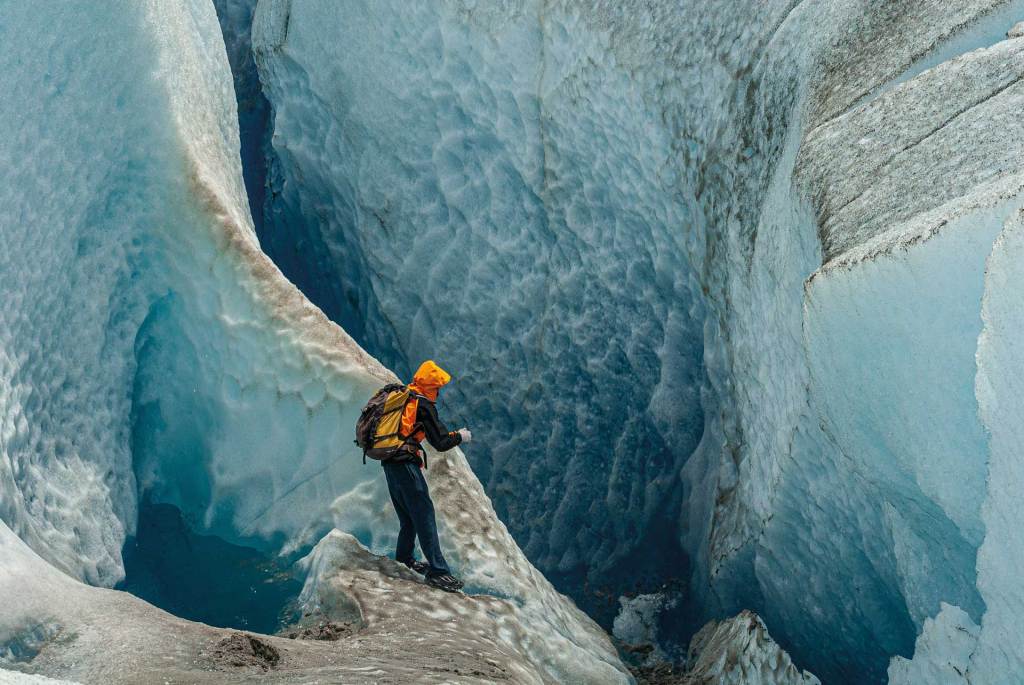
Guests can enjoy swimming between two tectonic plates in Iceland, a private dinner within a dormant volcano in Iceland, or even arriving at Elephant Haven in Botswana by helicopter, meeting orphaned elephants alongside the conservationists caring for them. They can travel through Patagonia with experts dedicated to protecting puma populations or explore remote wilderness areas alongside people whose knowledge brings the landscape to life.
“Connecting people with special and knowledgeable individuals is one of the most rewarding parts of what we do,” says Allison. “Those experiences create a much deeper understanding of a destination.”
The Rise of Slow Travel
One of the biggest shifts shaping luxury travel is the move towards slower, more intentional journeys.
Travellers are increasingly choosing to spend longer in fewer places, seeking independently owned properties with compelling stories and moving away from standardised luxury.
“People are becoming much more thoughtful about how they travel,” says Allison. “They are more aware of the impact of tourism and want to choose destinations and experiences that align with their values.”
This philosophy is central to 1953’s approach, particularly when it comes to safari.
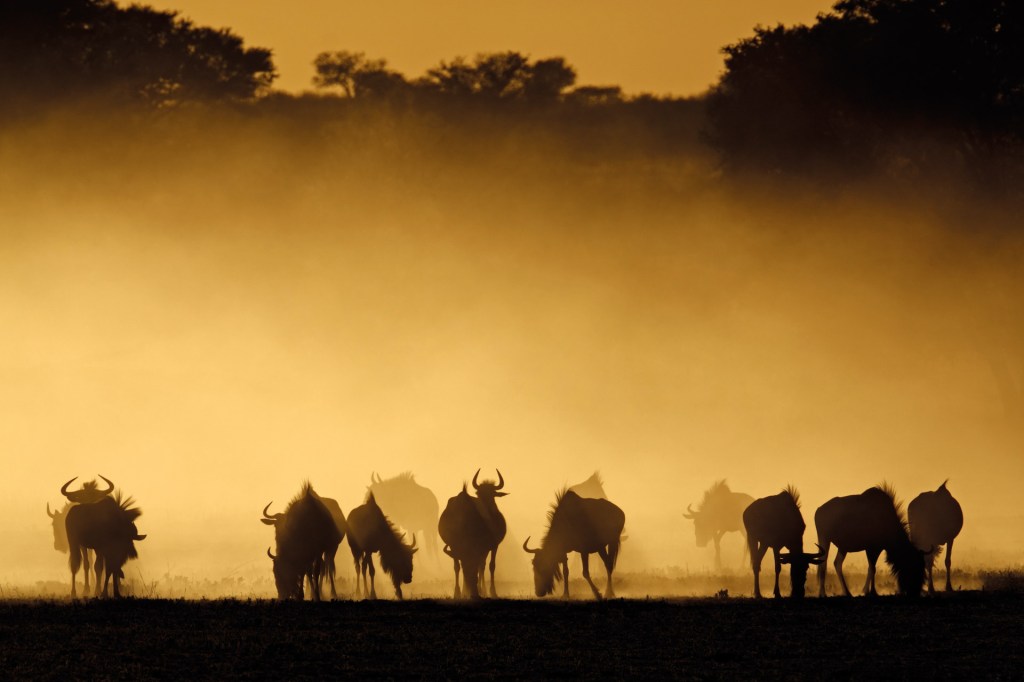
Rather than focusing solely on ticking off the Big Five, the company embraces the concept of the slow safari -encouraging travellers to be present, understand ecosystems and appreciate the wider conservation story.
“For us, safari is about much more than wildlife sightings,” says William. “It is about understanding the landscape, learning from the people protecting it and appreciating the incredible complexity of these environments.”
Creating Moments That Cannot Be Replicated
Every 1953 journey is designed from scratch.
There are no standard packages or fixed itineraries. Instead, each experience is built around the client’s interests, pace and aspirations.
“The more engaged our clients are in the planning process, the more personal we can make the journey,” says Allison. “Understanding what matters to them allows us to create something truly unique.”
That creativity has led to some of the company’s most memorable experiences.
Flying out a client’s favourite musician for a private concert in remote Patagonia.
A private gorilla trek in Rwanda guided by Dian Fossey’s former porter and assistant.
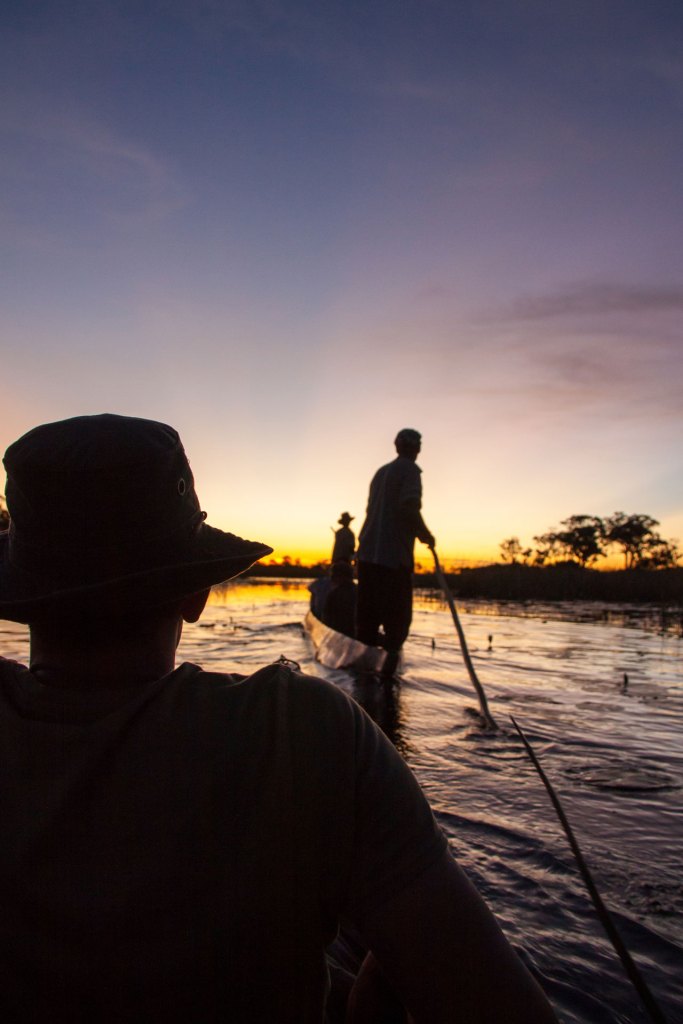
A surprise boat journey through the Okavango Delta to a private island hidden within the wetlands, guided by Map Ives, the Okavango’s leading expert and one of Africa’s most revered rhino conservationists.
A three-week Patagonia expedition guided by a conservationist specialising in puma protection.
“Those unexpected moments often become the stories people tell for years afterwards,” says Allison. “Creating those memories is what drives us.”
Food as a Connection to Place
Culinary experiences are another important part of the 1953 philosophy.
Rather than simply focusing on exceptional restaurants, the company uses food to connect travellers with landscapes, cultures and communities.

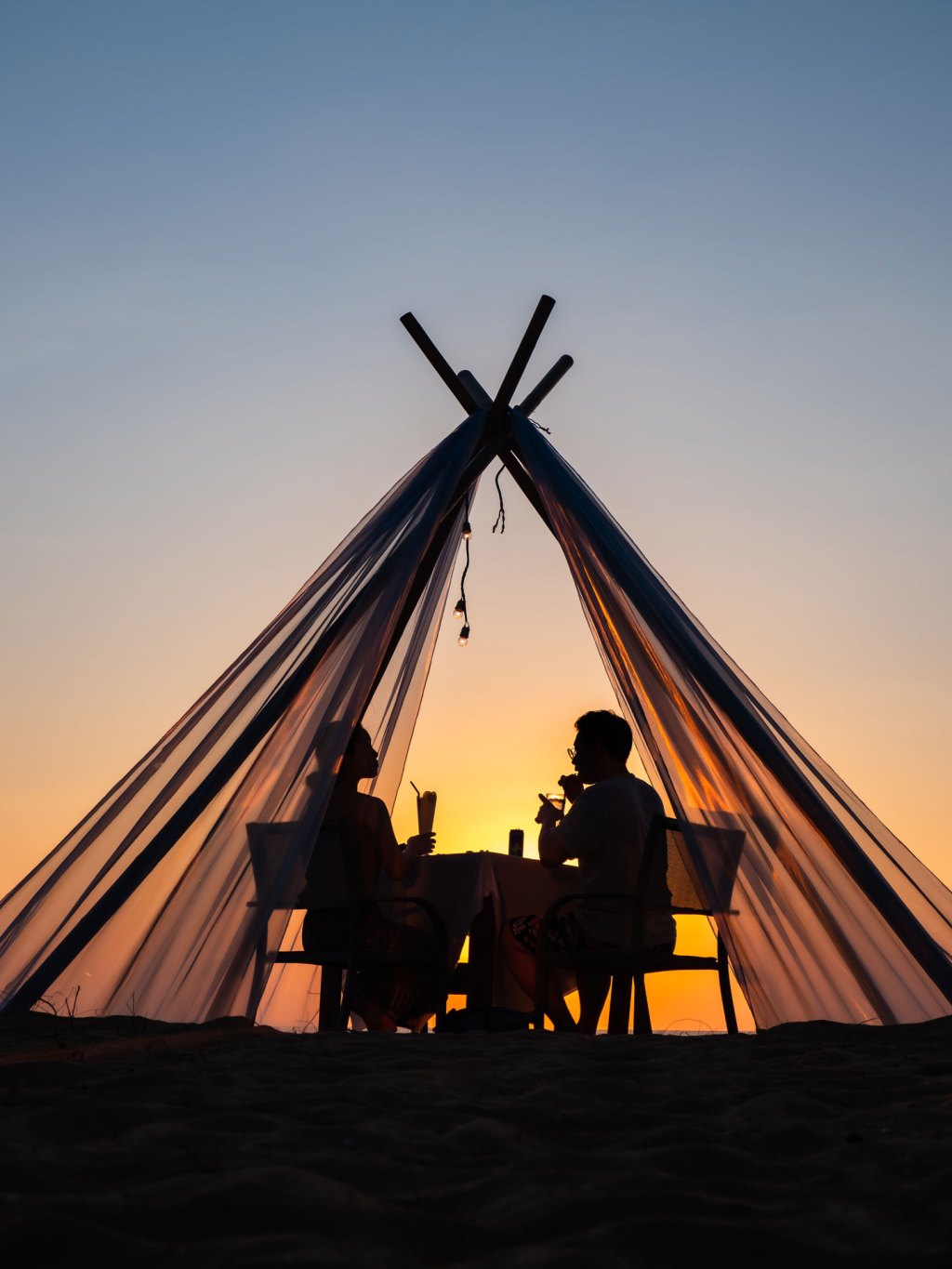
The idea is that guests can indulge in private and unique dining experiences set against the backdrop of the world’s most stunning and dramatic landscapes.
Alli said: “We believe that food is a powerful storyteller and a catalyst for connection, which is why we offer exceptional meals prepared by renowned chefs using locally inspired ingredients. By arranging extraordinary meals in adventurous destinations, we aim for our guests to enjoy these shared culinary experiences together to create lasting memories. Savour the essence of each destination through its unique flavours and further your understanding of where our food comes from.”
Guests may enjoy breakfast in the Serengeti following a sunrise hot-air balloon safari, or dine beneath the Northern Lights in Finland as a private chef prepares dinner beside roaring fires.
“Food is one of the most powerful ways to experience a destination,” says Allison. “The most memorable meals are often those that happen in extraordinary places.”
Travel That Brings People Together
The company is also seeing growing demand for multi-generational travel, with families choosing shared adventures that create deeper connections.
“People want to spend meaningful time together,” says Allison. “Nature creates the perfect environment for families to reconnect and create memories that last.”
While many current clients are in their fifties and beyond, 1953 is also seeing interest from younger affluent travellers who value experiences over possessions and seek adventure alongside flexibility and purpose.
Inspired by Exploration
For Allison, the passion behind 1953 was ignited during a life-changing journey to Antarctica at the age of 21.
“We were kayaking when blue whales surfaced just metres away,” she recalls. “You could feel the spray from their blowholes. Later, in South Georgia, the concentration of wildlife was incredible -seal pups, penguins and this extraordinary sense of being completely immersed in nature. It changed the way I thought about travel.”
For William, exploration has always been about creating stories through adventure- whether diving beneath the ocean with marine life, exploring remote wilderness or discovering new ways to connect travellers with the natural world.
Together, their shared passion for adventure, conservation and hospitality forms the foundation of 1953The company’s philosophy represents a new definition of luxury -one where adventure, conservation, connection and discovery come together.
Because the greatest journeys are not simply about where you go. They are about what you experience, who you meet and how the world changes you along the way.
This is Meaningful Exploration. This is 1953. Find out more here


Leave a comment