As travellers look ahead to 2027, heritage hotels continue to demonstrate the enduring appeal of experiences rooted in culture, place, and history. Across the globe, these properties are moving beyond preservation, offering deeper cultural engagement, local connection, holistic wellbeing, and more thoughtful interactions with the communities and environments around them. By balancing continuity with change, they show how historic hotels can remain relevant to modern travelers while retaining a strong sense of identity.
From ancient healing traditions and neighbourhood discoveries to architectural restoration and regenerative hospitality, the properties that follow highlight different expressions of this evolution while underscoring the lasting value of authenticity, cultural connection, and a sense of place.

Photo Credit: courtesy of The Dylan Amsterdam.
The Dylan Amsterdam, The Netherlands
Why Go in 2027: Discovering Amsterdam Through a Local Lens
Tucked behind a historic canal-side gate in Amsterdam’s beloved Nine Streets district, The Dylan Amsterdam reveals a side of the city that extends beyond the guidebooks. A member of The Leading Hotels of the World, the 41-room boutique hotel places guests among historic canals, independent boutiques, cafés, galleries, and hidden courtyards that encourage a slower and more local experience of the Dutch capital.
Built on the site of Amsterdam’s first stone theater, The Dylan’s story is deeply intertwined with the city’s cultural history. The site was once home to the former Duytsche Academie, which evolved into Amsterdam’s first stone theater under architect Jacob van Campen. Over the centuries, the venue welcomed royalty, artists, and cultural figures before a devastating fire in 1772 transformed its future. Today, traces of that legacy remain throughout the hotel, creating a connection between the city’s past and present.
What makes The Dylan particularly compelling for 2027 is its ability to offer a more authentic and locally connected perspective on Amsterdam, reflecting growing interest in deeper, neighborhood-focused travel experiences. From its location in the Nine Streets, guests can wander historic canals, discover hidden courtyards, browse independent boutiques, and experience the city at a slower, more personal pace. The experience is further enriched by the hotel’s celebrated dining venues, including two-Michelin-starred Restaurant Vinkeles, Bar Brasserie OCCO, and its signature High Wine experience by the fireplace. The hotel’s concierge and team further enrich the experience by sharing local favorites, insider recommendations, and neighborhood perspectives that help guests engage with Amsterdam as residents do rather than simply passing through as visitors.
Through its neighborhood perspective, local connections, and rich cultural history, The Dylan Amsterdam offers a more intimate understanding of the Dutch capital, one shaped as much by its people and places as its landmarks.

Photo Credit: courtesy of the Imperial Hotel, Kyoto.
Imperial Hotel, Kyoto, Japan
Why Go in 2027: A New Chapter for One of Kyoto’s Most Beloved Landmarks
Opened in March 2026 as the first new property from the Imperial Hotel brand in three decades, the Imperial Hotel, Kyoto has quickly established itself as one of Japan’s most noteworthy luxury openings. A member of The Leading Hotels of the World and recipient of One MICHELIN Key, the 55-room hotel occupies the restored Yasaka Kaikan, a beloved 1936 cultural landmark in Kyoto’s historic Gion district.
For generations, Yasaka Kaikan served as a gathering place for the local community through performances, films, and cultural events. Rather than replacing the aging structure, the Imperial Hotel undertook an ambitious restoration that preserved the building’s historic character while giving it a new purpose. In 2026, the building retained its designation as a Registered Tangible Cultural Property.
What makes the property especially compelling for 2027 is the opportunity to experience Kyoto’s newest luxury landmark while engaging with the living traditions that continue to shape the city today. Located steps from the Gion Kobu Kaburenjo theater, the hotel offers guests a meaningful introduction to the neighborhood through curated experiences beyond its walls. This thoughtful hospitality begins the moment guests arrive. During a relaxed check-in in the guest lounge, visitors are welcomed with traditional Japanese wagashi sweets from Kyoto confectioners such as Kagizen and Suetomi, paired with fine Japanese tea from Ryuoen, a historic tea purveyor with more than 200 years of heritage. Guests can also visit local cultural institutions and participate in Gosho-ningyo doll-painting workshops celebrating one of Kyoto’s enduring artistic traditions. Throughout the hotel, locally sourced materials, artisan craftsmanship, and design influences rooted in the city’s cultural legacy reinforce a strong sense of place.
As travelers increasingly seek deeper engagement with the destinations they visit, the Imperial Hotel, Kyoto offers a rare opportunity to experience one of Kyoto’s most important cultural landmarks while connecting with the traditions, crafts, and cultural life that continue to define Kyoto today.

Photo Credit: courtesy of Ananda in the Himalayas.
Ananda in the Himalayas, India
Why Go in 2027: Where Ancient Wisdom Meets Modern Wellbeing
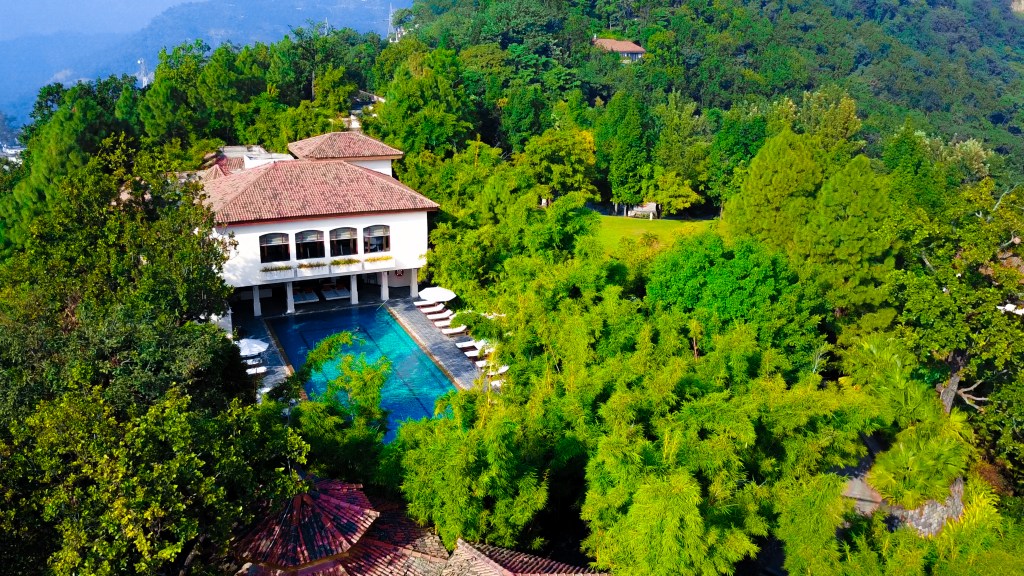
Celebrating more than 25 years as a pioneer in destination wellness, Ananda in the Himalayas remains one of the world’s most influential wellness destinations. Set within the former palace estate of the Maharaja of Tehri Garhwal, the retreat demonstrates the enduring value of India’s ancient wellness traditions through an approach that blends Ayurveda, yoga, meditation, Vedanta philosophy, Traditional Chinese Medicine, and emotional healing, creating a holistic framework that addresses physical, mental, emotional, and spiritual wellbeing.
Overlooking the sacred Ganges Valley in the Himalayan foothills near Rishikesh, widely regarded as the spiritual heart of India and the birthplace of yoga, Ananda has spent the past quarter-century refining a wellness philosophy that balances ancient knowledge with contemporary health goals. The profound spiritual heritage of the region is woven into the retreat experience, where spiritual wellbeing is viewed as an essential pillar of healing alongside physical, mental, and emotional health. What makes the retreat particularly compelling for 2027 is its ability to address growing interest in longevity, preventative health, and holistic wellbeing through highly personalized programs focused on sleep, stress management, emotional wellbeing, hormonal balance, and metabolic health.
The retreat continues to evolve while remaining true to its core philosophy, expanding its offerings to address some of today’s most pressing health concerns without losing sight of the traditions that form its foundation. Its integrated approach continues to influence a wellness landscape increasingly focused on personalization, prevention, and measurable outcomes. As the wellness conversation increasingly centers on longevity, prevention, and sustainable wellbeing, Ananda demonstrates why centuries-old practices continue to resonate with modern travelers.
For those seeking a more purposeful approach to wellbeing, Ananda offers the opportunity to experience traditions that have shaped health and healing for generations while addressing the realities of contemporary life.

Photo Credit: courtesy of Hotel Belmar.
Hotel Belmar, Costa Rica
Why Go in 2027: A New Model for Regenerative Hospitality in the Cloud Forest
Forty years after helping establish Monteverde as one of Costa Rica’s leading destinations for nature-based travel, Hotel Belmar is entering a new chapter. Completed in 2026, the new Artista Villas represent the most significant evolution of the property in decades, building upon the Belmar family’s long-standing commitment to environmental stewardship while introducing a regenerative hospitality concept designed to deepen guests’ connection to the cloud forest.
Rather than focusing solely on sustainability, Artista was conceived around regenerative principles designed to contribute positively to the surrounding landscape. Set on former cattle-grazing land undergoing ecological restoration, the project incorporates low-impact construction, responsible water management, energy-efficient design, and collaboration with Costa Rican artists, designers, and craftspeople. The 10 private villas were conceived not simply as accommodations but as an immersive expression of Belmar’s belief that hospitality can evolve in harmony with nature.
What makes Hotel Belmar especially relevant for 2027 is that Artista is not a new direction, but the latest expression of a family philosophy rooted in Monteverde, offering a compelling example of how regenerative travel is increasingly shaping the future of hospitality and redefining the relationship between tourism, conservation, and community. At Finca Madre Tierra, Costa Rica’s first carbon-neutral farm, guests explore regenerative agriculture and deepen their understanding of the connection between food and land. At SAVIA, Belmar’s 17-acre private cloud forest reserve, forest immersions unfold at a thoughtful pace, combining science, discovery, and wonder from forest floor to canopy.
More than a collection of luxury villas, Artista represents the evolution of a family legacy. At Hotel Belmar, heritage lives not only in what is preserved, but in an ongoing commitment to regenerate the landscapes, community, culture, and natural systems that have shaped the hotel for more than four decades.


Leave a Reply