By Donna Richardson
Eccentricity has long been associated with English culture, particularly in garden design. Historically, eccentric English gardens featured unusual structures such as follies, grottoes, and themed landscapes that reflected the personality and interests of their owners. In modern England, eccentricity still exists, but it has evolved to reflect contemporary lifestyles, technology, and environmental awareness and the use of colours and shapes to enhance space
Today, expressive garden design focuses less on extravagance and more on creativity, individuality, and innovation. Designers now use bold colours, geometric shapes, and modular planting systems to create visually striking and functional outdoor spaces. These ideas reflect the influence of postmodern design, which encourages experimentation and challenges traditional ideas about what a garden should look like.
Modern products from companies such as LECHUZA are good examples of how eccentricity has adapted to modern living. Their designs combine strong visual style with practical technology, demonstrating how contemporary gardens balance appearance and function.
Modular Systems and the Rise of Flexible Garden Design
One of the most important developments in modern eccentric design is the use of modular planting systems. These systems allow gardeners to rearrange components, customise layouts, and adapt designs to different spaces. They reflect the changing nature of modern living, where flexibility and efficiency are essential.
A clear example of this approach is the Pila system, which allows multiple modules to be stacked vertically to create flexible arrangements and efficient use of space. These units can be combined in different ways, offering a space-saving solution for balconies, patios, or small gardens.
Example: Modular Modern Design
Stylish self-watering planter ideal for modern indoor or outdoor spaces.
LECHUZA PILA Color Stick Self-Watering Planter
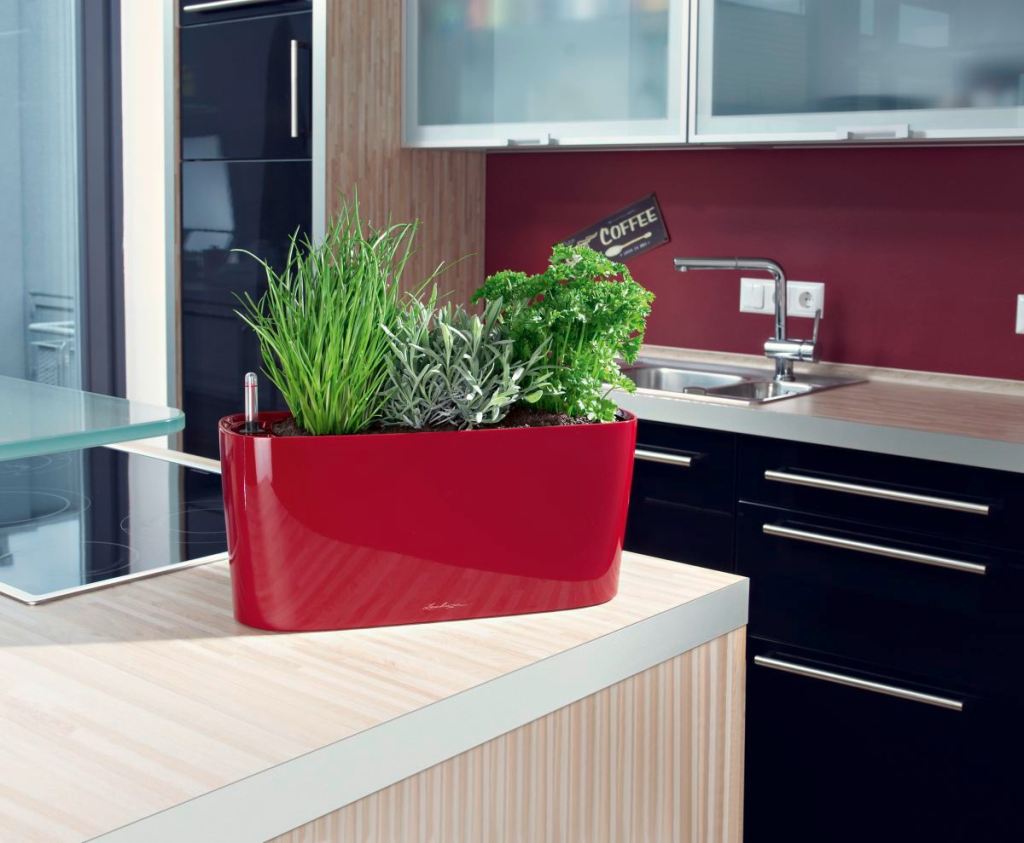
Compact self-watering planter suitable for small spaces or windowsills.
Why Pila represents modern eccentricity
- Stackable modular system
- Flexible layout options
- Compact design for small spaces
- Built-in self-watering technology
- Available in bold contemporary colours
Modern eccentricity is expressed here through adaptability and personalisation, rather than decorative excess. Instead of building large ornamental structures, designers create flexible systems that can change over time.
The Postmodernist Cube: A Symbol of Modern Eccentric Design
Another important feature of modern eccentric gardens is the use of geometric shapes, particularly the cube. The cube represents postmodern design principles such as simplicity, structure, and strong visual impact. Unlike traditional garden forms that follow natural curves and irregular shapes, the cube uses straight lines and symmetry to create a bold architectural statement.
Cube planters are often used to define space, frame entrances, or create focal points in contemporary gardens. Their clean, minimalist appearance makes them visually striking, especially when combined with bright colours.
Example: Postmodern Cube Planters
Lechuza CUBE Color 30 Self-Watering Planter
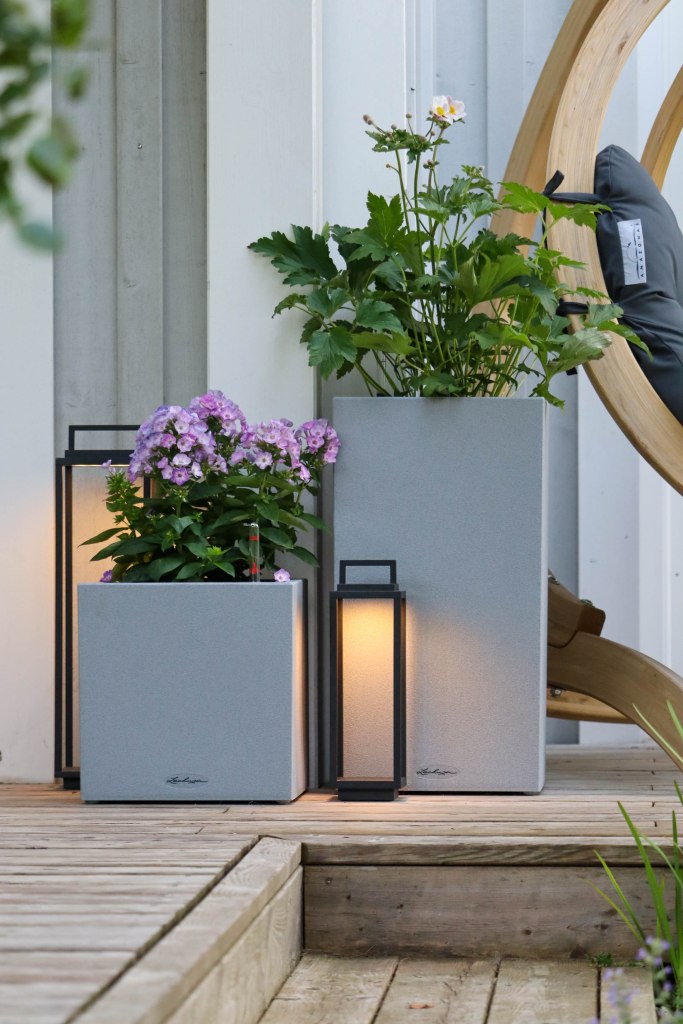
Ideal for small spaces or tabletop displays or larger ones in the garden
Lechuza CUBE Premium Tabletop Planter
Self-watering design suits busy schedules
Key characteristics of cube design
- Clean, straight lines
- Symmetrical geometric shape
- Minimalist appearance
- Strong visual contrast
- Architectural influence
The cube is considered eccentric because it deliberately contrasts with traditional English garden styles, which typically emphasise natural forms and organic planting.
Vertical Design and Architectural Structure
Modern eccentric gardens often use vertical elements to create structure and visual interest. Tall planters can frame entrances, divide spaces, or add height to flat landscapes. These designs reflect contemporary architecture, where strong vertical lines are used to organise space.
Vertical planters also support urban gardening by allowing plants to grow in limited areas.
Example: Architectural Vertical Planters
Lechuza CUBICO 40 Self-Watering Planter
Ideal for outdoor spaces, blends cottage charm with self-watering ease.
Lechuza CUBICO Colour Poly-Resin Self-Watering Planter
£39.99•Vibrant colour and durable resin suit modern or traditional gardens.
Design significance
- Creates height and structure
- Defines entrances or pathways
- Adds visual balance
- Supports modern architectural style
This approach shows how eccentricity has shifted toward design efficiency and spatial organisation.
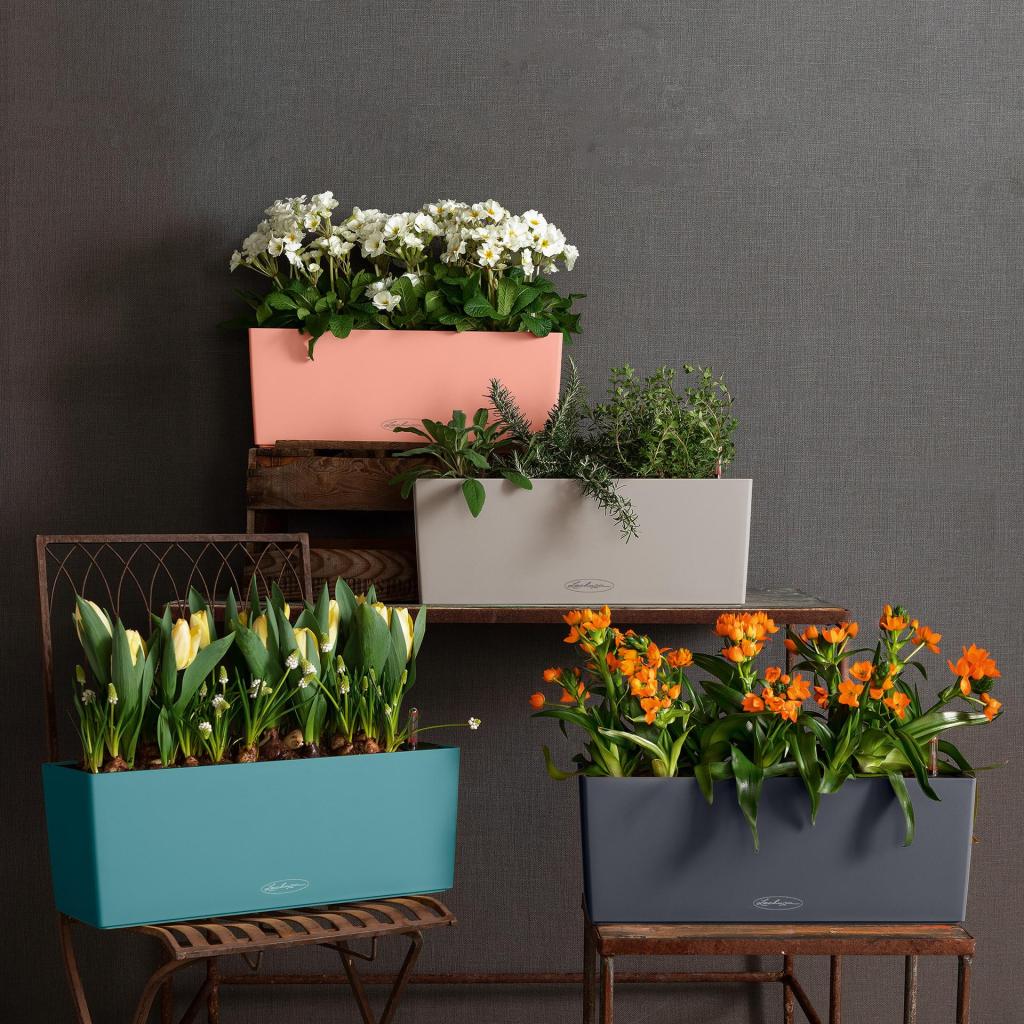
Bold Colour as a Modern Expression of Eccentricity
Colour plays a major role in modern garden design. While traditional English gardens often used natural tones and subtle planting schemes, contemporary designs frequently use bold colours to create contrast and personality.
Modern planters are available in a wide range of colours, including:
- Red
- Petrol blue
- Pastel green
- Slate grey
- Bright white
- Charcoal
Bold colour can be used to:
- Create focal points
- Highlight features
- Add personality
- Improve visual impact
- Reflect modern style
In modern eccentric gardens, colour is often used deliberately to make a design stand out. A single brightly coloured planter can transform the appearance of a space and draw attention to specific areas.
Urban Gardening and Space-Saving Design
Modern eccentricity is also closely linked to urban living. Many people now garden in smaller spaces, such as balconies or terraces, so designers have developed compact planting systems that maximise limited areas.
Balcony planters allow people to grow plants vertically or along railings, turning small spaces into productive gardens.
Example: Balcony and Small-Space Planters
Lechuza BALCONERA Color Planter
Stylish planter ideal for small balcony spaces.
Balconera Cottage Self-Watering Planter
Self-watering design suits busy or forgetful gardeners.
Why this reflects modern eccentricity
- Makes use of limited space
- Encourages urban gardening
- Supports sustainability
- Promotes creative problem-solving
Turning small spaces into functional gardens is considered a modern form of eccentricity because it challenges traditional ideas about where and how gardening can take place.
Technology and Innovation in Modern Garden Design
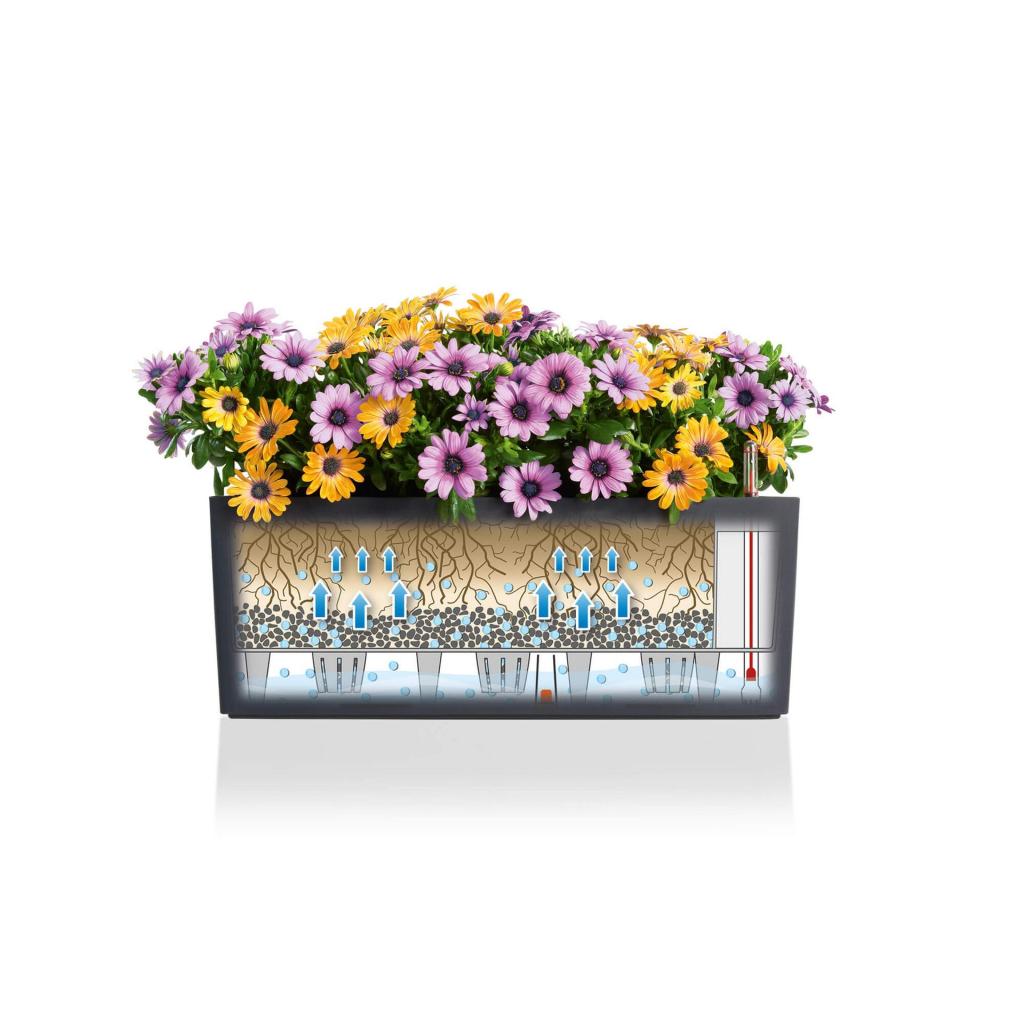
Technology has become an important part of contemporary gardening. Many modern planters include built-in irrigation systems that supply water gradually to plant roots, reducing maintenance and improving plant health.
Self-watering systems typically include:
- A water reservoir
- A water level indicator
- A drainage system
- Lightweight durable materials
These features allow plants to absorb water as needed, helping maintain consistent moisture levels and reducing the need for frequent watering.
Technology itself can be seen as a form of modern eccentricity because it transforms traditional gardening into a smart and efficient activity.
Sustainability
Environmental awareness is another key influence on modern garden design. Many contemporary gardens are designed to reduce environmental impact and support sustainable living.
Examples of sustainable features include:
- Water-saving irrigation systems
- Recyclable materials
- Long-lasting containers
- Efficient plant care systems
Choosing environmentally responsible solutions is increasingly viewed as a creative and forward-thinking approach to design.
Eccentric English garden design has evolved significantly over time. While historic gardens focused on unusual structures and dramatic landscapes, modern designs emphasise bold colour, geometric shapes, modular systems, and innovative technology.
Products from LECHUZA demonstrate how contemporary design combines practicality with creativity. Systems such as modular planters, cube forms, vertical structures, and balcony containers show how eccentricity in modern England is now expressed through innovation, flexibility, and personal style.
Today, eccentricity is not just about being unusual – it is about exploring new ideas, adapting to modern lifestyles, and creating spaces that reflect individuality and imagination.
Find out more at LECHUZA
 LUXE Serendipity magazine
Leave a comment