By Donna Richardson
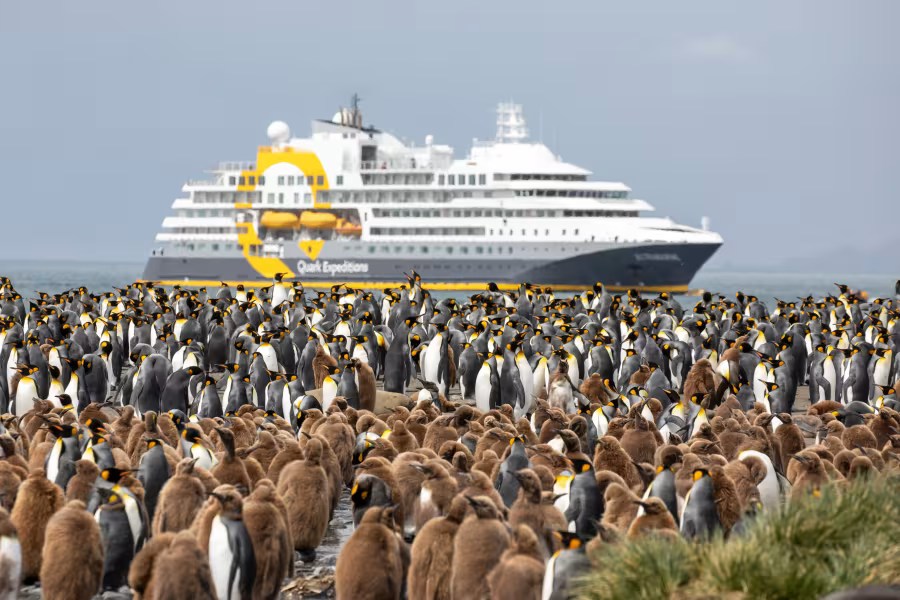
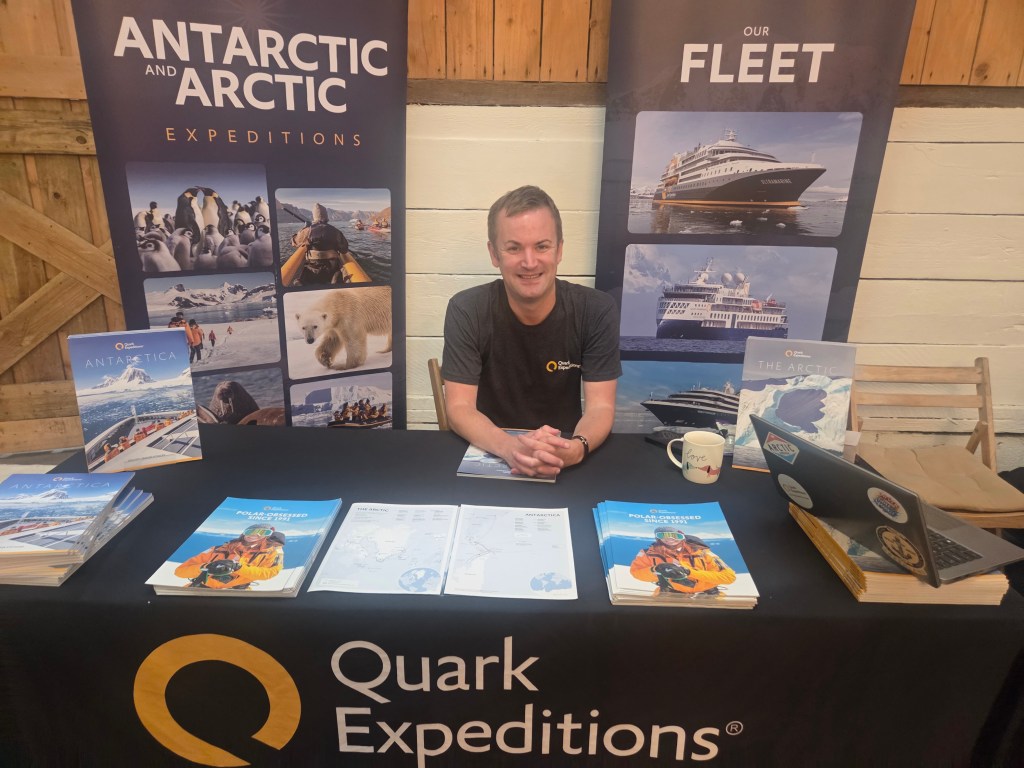
In the world of expedition travel, few environments are as remote, fragile, and awe-inspiring as the polar regions. From the icy wilderness of Antarctica to the dramatic landscapes of the Arctic, these destinations demand a careful balance between exploration and preservation. That balance sits at the heart of everything we do, says Nick Hindle, of Quark Expeditions, who I spoke to at an Authentic Adventures showcase in Lancashire last weekend.
Specialists in the Polar World
Unlike many travel companies, Quark Expeditions focuses exclusively on the Arctic and Antarctic. There are no detours to warmer destinations like the Galápagos or the Mediterranean. This singular focus allows for a deeper understanding of these regions and a consistently high-quality experience. Founded in 1994, the company has spent decades refining polar exploration. A major milestone came in 2019 with the development of a purpose-built expedition vessel- designed specifically for navigating extreme environments.
Small Ships, Bigger Experiences
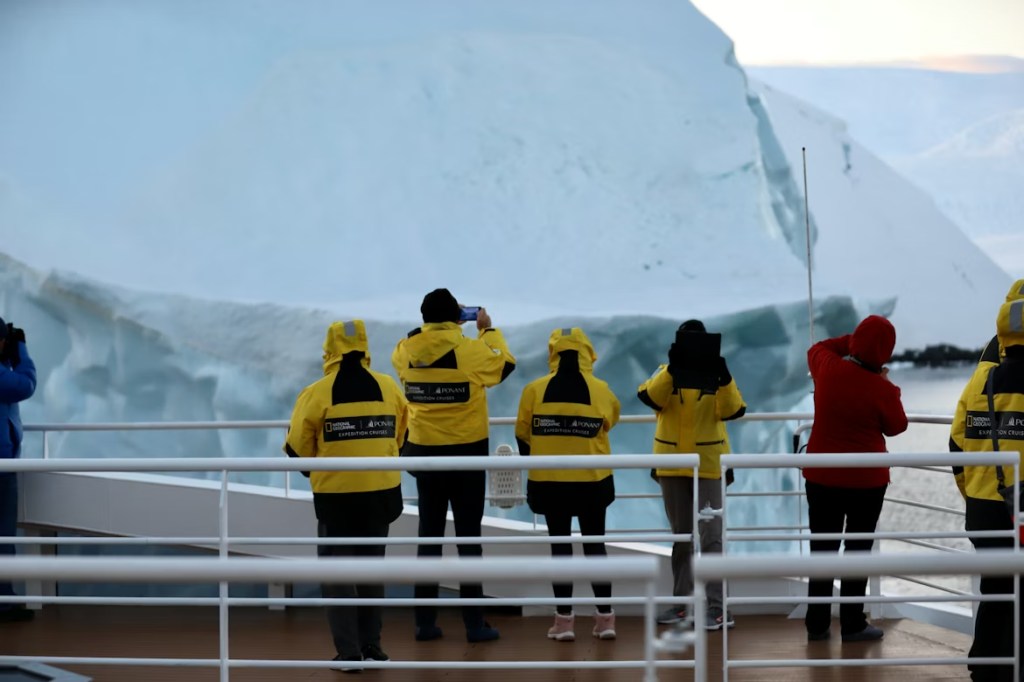
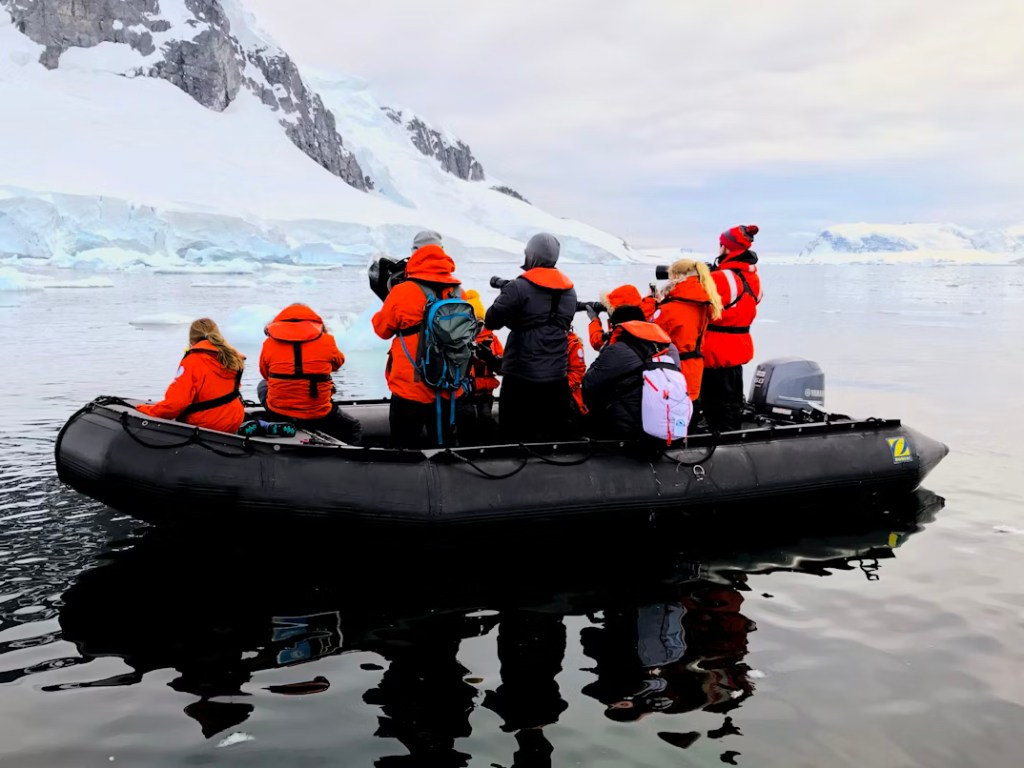
A defining feature of true expedition travel is access. While larger cruise ships may carry thousands of passengers, strict environmental regulations – particularly in Antarctica- limit how many people can go ashore at once. On large vessels, many travellers never set foot on land. Smaller ships change that entirely. With fewer guests onboard, everyone has the opportunity to explore- typically heading out twice a day for landings or Zodiac excursions. Flexibility is another key advantage. Weather in the polar regions can shift rapidly, and smaller vessels can adapt quickly to ensure the best possible experience. This flexibility also extends to wildlife encounters. Imagine spending hours observing a family of polar bears in their natural habitat – something that simply isn’t possible on larger, more rigid itineraries.
Expertise That Travels With You
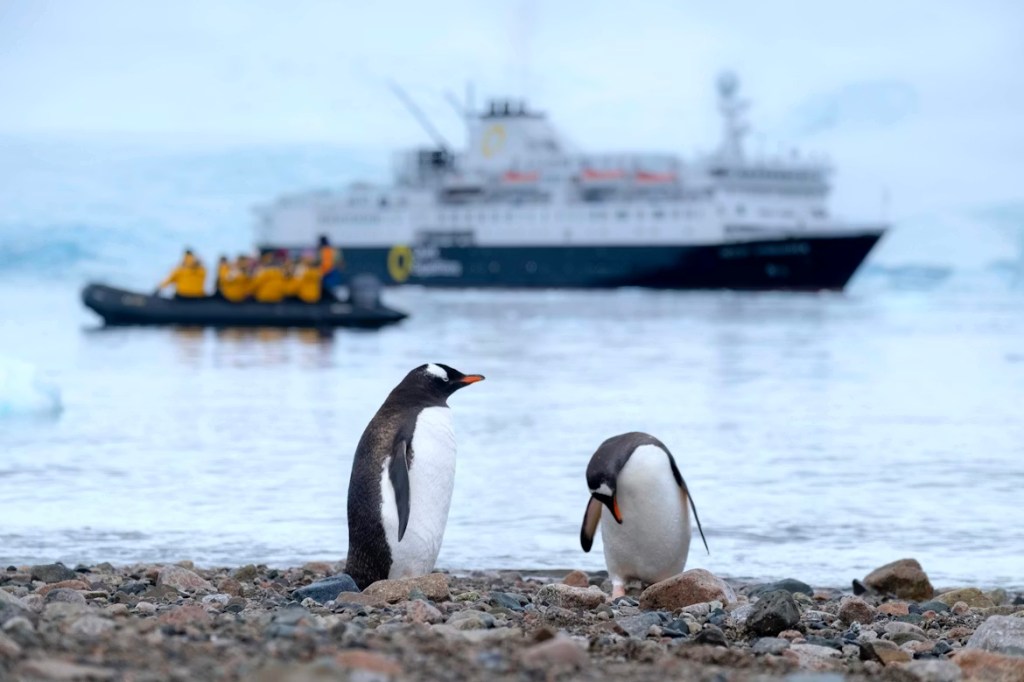
An expedition is only as good as the people guiding it. With a staff-to-guest ratio of roughly 1:6, every journey is supported by a team of specialists, including marine biologists, glaciologists, historians, and photographers These experts don’t just lead excursions – they are part of the entire experience. They join guests for meals, share insights during outings, and help bring the environment to life. Even Zodiac drivers are trained specialists, meaning every moment on the water becomes an opportunity to learn.
Adventure on Every Level
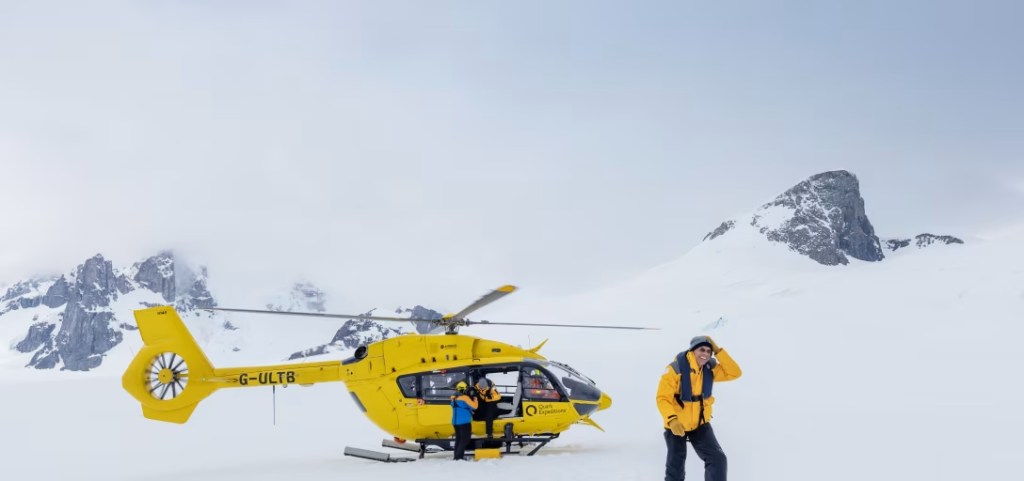
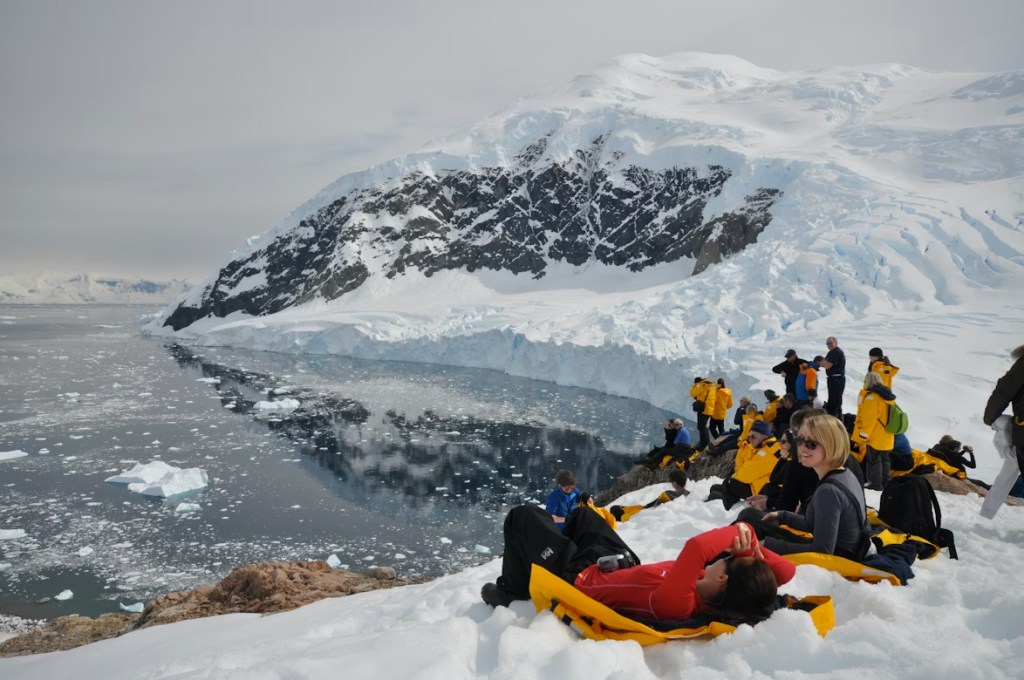
Exploration in the polar regions goes far beyond sightseeing. Activities range from Zodiac cruising and guided hikes to kayaking and even helicopter flights. For the truly adventurous, options like camping on the ice or taking part in the iconic polar plunge offer unforgettable memories.
Despite the adventure, accessibility remains key. Whether tackling a challenging hike or opting for a gentle nature walk, travellers can tailor their experience to suit their comfort level.
A Commitment to Culture and Sustainability
Operating in some of the most pristine places on Earth comes with responsibility. Every journey is shaped by a deep respect for local cultures and environments. Whether visiting remote communities in Greenland or navigating sensitive ecosystems, the goal is always to engage thoughtfully and leave a positive impact.
Onboard, familiar comforts – such as British cuisine prepared by expert chefs – are combined with local influences. Sustainability isn’t just a concept; it’s built into the experience. Initiatives like inviting Inuit community members on board to share their culture and cuisine highlight a broader commitment to responsible tourism.
The Arctic: A Land of Contrast
The Arctic is a region of extraordinary contrasts. Destinations such as Svalbard and Iceland each offer distinct experiences shaped by the seasons.
Early in the season, the landscape is defined by pristine sea ice – ideal for spotting polar bears. As summer progresses, the ice recedes, revealing vibrant plant life and a wider variety of wildlife, from Arctic foxes to seabirds.
Perhaps most remarkable is the ever-changing scenery. In the Arctic, the view can transform within minutes – morning light revealing one landscape, afternoon conditions presenting something entirely different. Add to this the phenomenon of 24-hour daylight, and the result is a truly surreal environment.
A Personal Encounter
Even for seasoned travellers, the Arctic has an extraordinary ability to leave a lasting impression that reverberates long after the journey is over. On a recent expedition to the stunning landscapes of Greenland, one unforgettable moment eclipsed all others: the exhilarating encounter with a family of polar bears in their natural habitat.
There was nothing staged or predictable about it – just a quiet, powerful reminder of nature at its most raw. It’s experiences like these that define expedition travel.
Antarctica: The Ultimate Frontier
If the Arctic is a land of contrast, Antarctica is the ultimate extreme. Covering an entire continent, around 98 per cent of it is blanketed in ice.
Journeys here often include the Antarctic Peninsula, with extensions to destinations such as the Falkland Islands, South Georgia, and even Patagonia.
The season shapes the experience dramatically. Early months (November–December) showcase untouched ice landscapes and dramatic formations. As the season progresses, wildlife activity increases, with whales and seabirds becoming more prominent.
A Journey Like No Other
Expedition travel in the polar regions is not just about where you go—it’s about how you experience it. From intimate wildlife encounters to ever-changing landscapes, every moment feels unique. For those willing to venture to the ends of the Earth, the reward is something truly rare: a deeper connection to the natural world and memories that last a lifetime.
 LUXE Serendipity magazine
Leave a comment