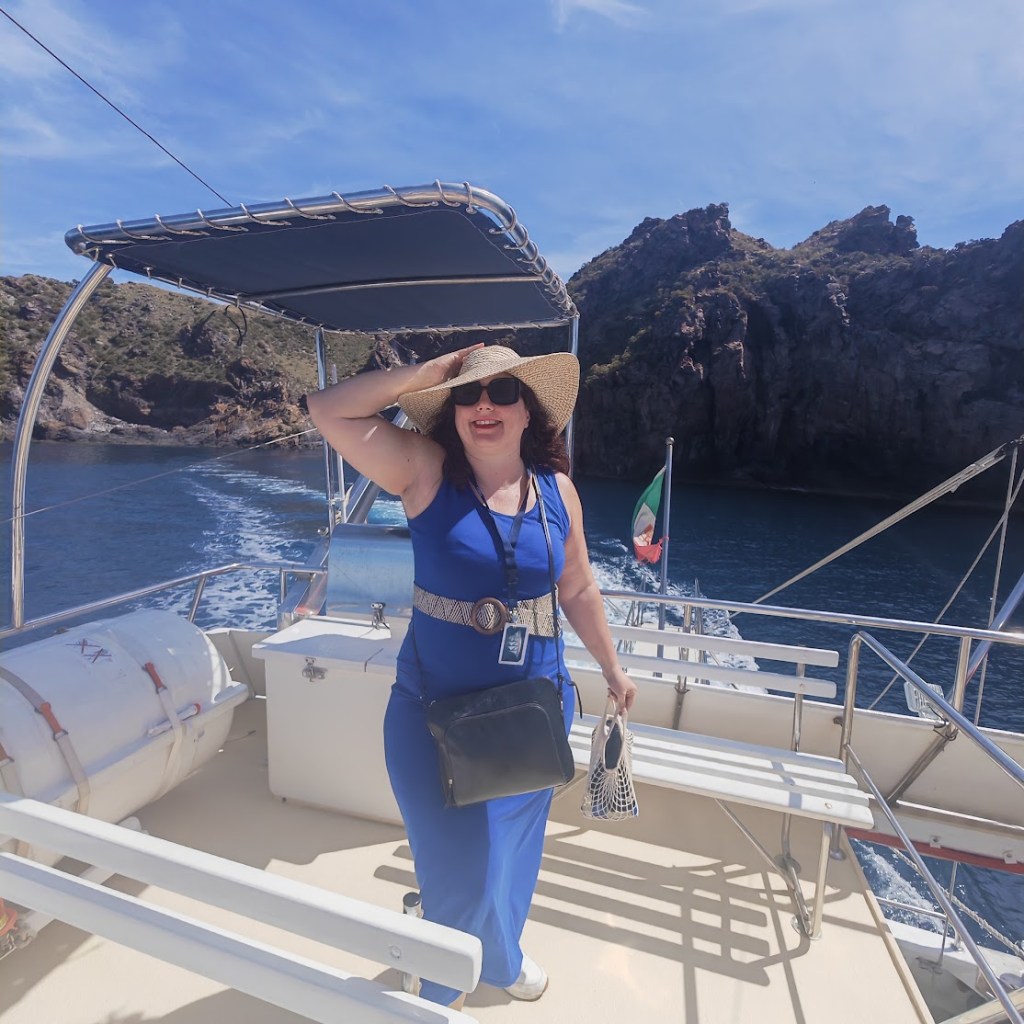
Steering my own ship as opposed to being a crew member – why freelance works
Donna Richardson is a freelance travel journalist, globe-trotter, and mum, carving out a life that doesn’t quite fit the usual mould. She’s driven by curiosity, instinct, and a constant pull toward something new.
Travel writing can suit an ADHD or AuDHD personality really well for a few key reasons – especially when someone is interest-driven, creative, and thrives on novelty.
First, it’s constantly changing. New places, people, stories, and environments mean there’s always novelty and stimulation, which helps keep attention engaged. For ADHD brains, repetition and predictability can feel draining, whereas variety tends to spark focus and energy.
Second, it’s deadline-driven and project-based. Travel journalism often works in bursts – you go somewhere, immerse yourself, gather material, then produce a piece. That “now” pressure can be very activating for ADHD traits like urgency, hyperfocus, and quick decision-making.
Third, it’s curiosity-led. You’re not stuck doing the same task repeatedly – you’re following what interests you. That aligns closely with how ADHD attention often works: it locks in when something feels meaningful, emotionally engaging, or exciting.
Fourth, it rewards hyperfocus. When something clicks – a story, a person, a moment you can go deep quickly. That ability to absorb detail, notice nuance, and fully immerse yourself can translate into vivid, compelling storytelling.
And finally, it’s flexible. Travel writing often involves autonomy, self-direction, and movement rather than rigid structure, which can reduce the pressure of traditional workplace systems that don’t always fit neurodivergent ways of working.
As a child, she was very quiet—an introvert in a family of extroverts. She often observed rather than participated, absorbing the world in her own unique way. This quiet observation eventually became a source of strength in her storytelling. Initially, she watched as others eagerly said yes in their youth, only to later regret their decisions. However, as an adult, she built the confidence to embrace experiences that would last a lifetime.
She’s met and trained with Olympians, sailed around volcanoes, skydived, skied, interviewed celebrities for The Sun, and even stowed away on a cargo ship. She’s lived a thousand lives in one – a lust for life down to losing important people and felt that deeply, and learned that life is a journey rather than a straight line – one to be lived rather than planned. You only have one life.
Once, an editor told her she was a “square peg,” a label that has stayed with her. She has taken on many roles over the years, often because of bullying for being different and traditional environments and office politics never quite fit how she works or thinks. She dislikes planning and bureaucracy, but when her passion is ignited, sparks fly – focus sharpens, ideas flow, and she becomes completely immersed in the story in front of her. She loves fiercely, both people and the work she cares about. That’s why she returns to journalism time and time again.
Currently awaiting an ADHD diagnosis, but channelling her energy into running her own freelance business because she refuses to be a victim. Because of others’ expectations, she’s long felt like a square peg in a round hole in organisations – restless with routine, resistant to “Groundhog Day,” and most alive when immersed in fresh places, ideas, and stories. A dreamer and an idealist, she’s constantly buzzing with possibilities, following the spark that becomes her next piece of writing.
Journalism appeals to her not because it’s easy, but because it’s unpredictable. It allows her to hyperfocus when something resonates, transforming that energy into vivid, human stories from around the world. However, her desktop is disorganised and cluttered. Ideas vanish unless she expresses them immediately, and everything around her feels like a potential story. If she doesn’t act on it right away, she tends to procrastinate. Step inside her world.
When did you first realise that your mind worked differently from other people’s?
I was a really shy kid. I came from a family of extroverts, and I was the bookworm – I liked to escape into my own world and was a dreamer – an imaginative person, a storyteller, and I liked to make up worlds and spill them onto a page. My mind has always raced with ideas, and I always want to do everything at once. As a child, I was called impatient and had tantrums and emotions I couldn’t control, but I was inward and insular and passionate about topics that interested me – practical things, however, forget those – I had no time for boring practical tasks, just things that sparked my interest, and I still do. I was also told I was clumsy, something I now put down to having dyspraxia. I was the butt of the family jokes.
Growing up, were there labels placed on you – either by others or by yourself – that didn’t really fit who you were?
Looking back, I can see what I now understand as classic ADHD and autistic tendencies -AuDHD, though it wasn’t really a thing in the 1980s. As a child, I was quiet, often described as boring, impatient, moody, and in my own world. I could be ditzy, clumsy, awkward, shy, and felt like I had no common sense, always slightly out of step with everyone around me. At school and within my extended family, I felt different to both the adults and my peers. While others seemed to belong easily, I had just one close friend rather than many.
I was drawn to high-energy, physical play -climbing walls and jumping off them -often labelled a tomboy or “naughty,” yet at the same time I was quiet, studious, and reflective – which helped me to lean into my superpowers and writing as a tool to explore the world. Even then, there was a sense of contradiction in how I was seen and how I experienced myself. I felt older than my years, often like an adult before my time, and very different from my cousins and friends. That sense of being slightly outside everything never really left me -but later became part of how I observe, feel, and tell stories and document life through the lens. For me, being a journalist is not about the spotlight but understanding the world – though as it’s helped my confidence, that boundary has blurred.
What impact did those labels have on your confidence, identity, or sense of belonging?
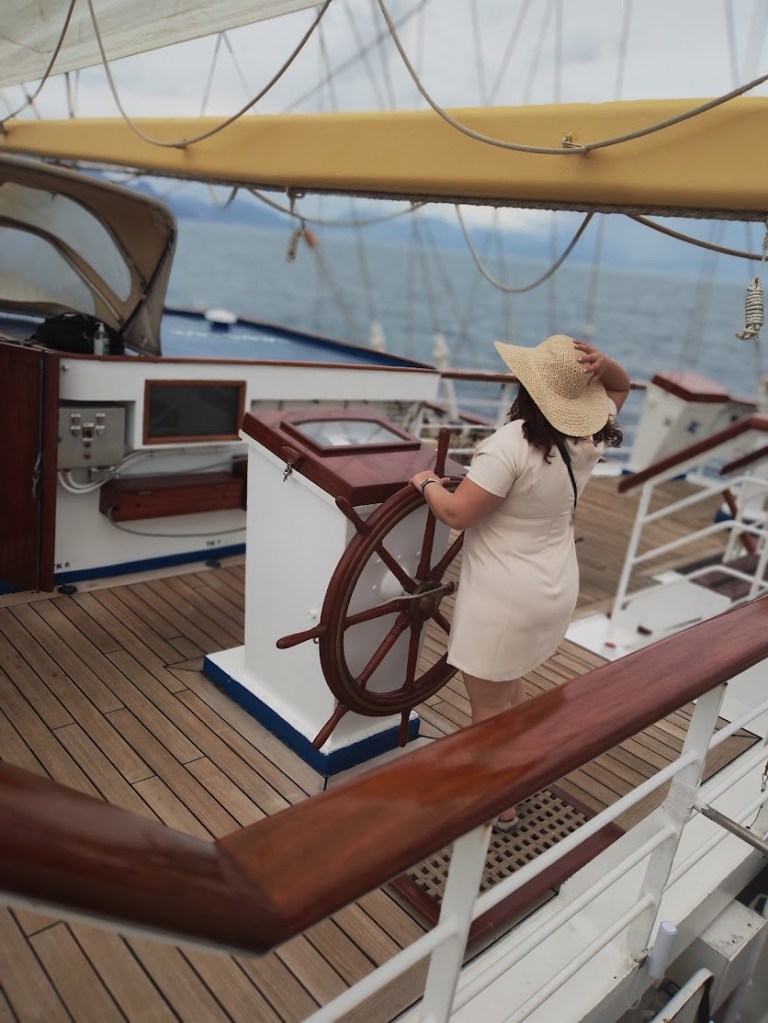
Those labels had a real impact on my confidence, identity, and sense of belonging. I became shy and withdrawn, often retreating into myself. I was lost at sea. I felt anxious a lot of the time, and over time, my confidence really dropped. I felt so self-conscious that I would hide in the toilets at school just to get away from people. I was so shy that I avoided big groups whenever I could, because they felt overwhelming and made me feel like I didn’t belong. I hated pack mentality, and I didn’t get the in-jokes or the unspoken rules of friendship groups.
I often felt on the outside of them, looking in. I had a couple of tight friends, one who remains to this day, but I would drift in and out of groups rather than ever really feeling fully part of them. I always felt so much better when I was playing to my strengths, when I was reading, writing, imagining, or completely absorbed in something I loved. In those moments, I felt like myself again. Then, thanks to Mr Jones, my PE teacher, I became the school’s roving reporter and PR assistant- the sixth form journalist, and I discovered my niche and my passion for life – a career so woven into the reasons I am good at what I do that I take any rejection in it very personally.
My confidence started to grow. I liked having a purpose, a role, a way of observing and telling stories rather than trying to fit into social groups that never really made sense to me. I also loved taking photos and documenting life, capturing moments rather than being in them. It made sense, I found meaning – for me, capturing a moment helps me ‘be in the moment’, and have a role to play.
When I was in subjects like maths, I found the logic too much, got disruptive, and was seen as “different” or a “troublemaker”. I was humiliated in maths class for tearing pages out of my book for creative things. That stuck with me. I was often told I was naughty, and that shaped how I saw myself for a long time. Instead of feeling understood, I felt like I was always doing something wrong, even when I was just being myself, so I masked and fortunately fell in with the right crowd rather than the wrong one- and I aspired to going to uni – journalism saved me. Looking back, I can see how much I internalised those labels, and how they affected the way I moved through the world for years and an outlet to externalise which is why I became a writer – not because I was good at it – structure was always the problem but the ideas, oh the ideas flowed and the English teachers loved those creative ideas and sparked the seeds for what would grow next. Self-validation is always down to this, and I seek external validation through social media because of the labels as a child. I am enough, though, and I am worthy.
There in a crisis…
Impulsivity is one thing I used to think was a flaw, but now recognise as part of my power. For a long time, I saw it as being reckless, disorganised, or not thinking things through properly. I felt like I should be more structured, more measured, more able to plan everything in advance. Being cautious always led to inaction and the worst part of my ADHD analysis paralysis, which happens when I am in the wrong roles! Now I see it differently. My impulsivity is often what allows me to act quickly and decisively in the moment. I’ll pick up the phone and ring people on the spot, follow a lead immediately, or act on an idea without overthinking it. It keeps me in the now, which is where I work best. I can go to any event at the drop of a hat, but a diary scares me and ties me down – I feel trapped and enslaved. Also, the fear of being let down by people who don’t stick to the plans is great. I do try to plan with important people in my life, but I don’t want to be rejected, so I put things on my own terms to avoid disappointment.
It’s also a big part of why I’m drawn to journalism – especially the urgency of deadlines and real-time stories. That immediate response switches me on. It gives me focus, energy, and a sense of flow that planning alone never quite does. What I once judged as a weakness is actually part of my strength: it brings momentum, instinct, and the ability to act when it matters – but it’s exhausting too. I have so much to do right now that the days roll by, and I have had three, yes three, burnouts!
Do you think society is too quick to focus on what neurodivergent people struggle with, rather than what they bring?
·Yes, and it’s down to people’s ignorance. It’s getting better, but many traditional workplaces are built around structure, routine, predictability, and consistent processes. Those systems are designed for efficiency, accountability, and scalability — and for many people, they work well. But for ADHD brains especially, that level of rigidity can feel constraining or draining, because they often thrive on urgency, novelty, interest-led focus, and movement rather than repetition and long, linear planning. That’s where the mismatch can show up. It’s not that people with ADHD can’t work within structure, but that too much fixed routine, repetitive tasks, or slow-moving planning cycles can feel internally difficult to sustain – even when the person is capable and motivated. Conversely, when there’s pressure, variety, or a clear “now moment” (like deadlines, crises, or live environments), many ADHD traits become strengths rather than struggles. So it’s less about workplaces not valuing good qualities and more about how they’ve historically been designed around consistency and predictability – which can be at odds with neurodivergent ways of thinking and working. The growing shift now is toward more flexible, strengths-based environments that allow different working styles to actually function, not just fit in.
What strengths do you feel come directly from the way your mind works?
My strengths come directly from the way my mind works in quite an instinctive, fast, and interest-led way. I have a strong ability to hyperfocus when something captures me. I can go deep into research, ideas, or a story and stay completely absorbed in it, often noticing details and connections others might miss, and writing is my sweet spot- lock me away so I can write, and I am happy in hyperfocus – I am a prolific writer. My listening skills are also a real strength – I pick up tone, emotion, and nuance quickly, which helps me understand people and tell their stories in a more human way. I collect things and memories, hoarding them until I have a huge impulse to clear out! It’s infuriating to the world’s planners and organisers!
I work best in real time. I can respond quickly in a crisis, stay calm under pressure, and make decisions in the moment without overthinking. I’m also very action-driven – I’ll pick up the phone and ring people straight away, follow leads immediately, and move with instinct rather than over-planning.
I don’t delegate easily because I like to stay close to the action. I’m very much a “boots on the ground” person — I lead from within, not from a distance.
My curiosity is another key strength. I’m endlessly interested in people, places, and ideas, and that curiosity drives my journalism. When something sparks me, I follow it fully, and that’s where my best work comes from.
Have you ever been underestimated because of a diagnosis, label, or assumption? How did you respond to that?
Always. “I am too much and not enough all at once.“
Being underestimated and not really fitting into expected ways of working or relating to people has at times led to job losses and falling out with friends and family. I don’t always operate in a conventional, linear way, and that can be misunderstood – especially in environments that rely heavily on structure, hierarchy, or unspoken social rules.
At work, I think I’ve sometimes been judged more on style than substance, or struggled in systems that didn’t suit how my brain works. In relationships, I’ve sometimes been seen as too intense, too direct, or not fitting in socially, which has led to misunderstandings and distance.
At the time, that felt painful and confusing, and I often internalised it as personal failure. But over time, I’ve started to understand it through a different lens, not as a lack of ability or care, but as a mismatch between how I naturally operate and certain environments or expectations. I am passionate, so I need creative work, not structured, routine work.
I’ve followed that path as a passion as well as taking occasional work within the system. I am constantly learning and adapting and trying to lean into environments and people where I don’t have to mask or constantly translate myself – where my way of thinking, feeling, and responding is understood rather than judged.
What would you say to someone who has just received a diagnosis and feels scared, ashamed, or confused?
I am still waiting for a diagnosis, but since I started to identify with the possibility of ADHD and autism, I feel like I can finally see a reason behind things I’ve always struggled with. I can also see strengths in what I used to see as weaknesses. I don’t take rejection as personally anymore in the same way I used to – there’s more understanding and less self-blame.
I do take bullying in the community very seriously. I’ve experienced it in work environments, and in two places I worked, I felt I was actively bullied out, even when I had shown my vulnerabilities. That’s had a lasting impact on me!
What I’ve come to understand is that when you are driven by passion, people don’t get you. When you don’t fit neatly into a system, whether that’s socially, professionally, or culturally, it can make you more visible in ways that aren’t always kind. I can now see those experiences more clearly for what they were, rather than internalising them as something wrong with me. No one asks how I am because I mask so well.
At the same time, it’s made me very aware of how important it is to create environments where difference is understood, not punished – and where people aren’t pushed out for being wired differently.
That’s why I thrive as a freelance journalist. It gives me the freedom to work in a way that suits how my mind actually operates, driven by curiosity, instinct, and interest rather than rigid structure or routine. I don’t have to constantly fit into systems that don’t align with me or navigate office politics in the same way. I also love sport for this – the people are motivated, passionate, and driven by the love of what they do. It’s opened up the world- from a shy person who sat in four walls scared to try anything new to someone who explores. If I’d gone into another field, I would have been still shy and retiring – and probably liked a lot more- but I refuse to be a wallflower.
I can follow what sparks me, hyperfocus when something grabs my attention, and move quickly on ideas when they’re alive. I work best in real time, in the moment, and freelance journalism allows that — it rewards responsiveness, creativity, and initiative.
Most importantly, it allows me to lead with my strengths rather than constantly trying to adapt myself to environments where I’ve previously felt misunderstood or pushed out. I look for and seek out people with different mindsets who see the world with passion rather than logic.
How do you personally define success now, compared with how you may have defined it in the past?
Success for me now is happiness and not feeling judged. It’s about being able to live and work in a way that feels aligned with who I am, rather than constantly trying to fit into something that doesn’t. In the past, I probably would have defined success in more traditional terms – stability, long-term roles, fitting into a structured career path, doing what was expected. Becoming a mother, I wanted a flexible career to fit around the school run and the rhythm of family life. I love being a mum, baking, having adventures, and enjoying the home, but also part of being a parent is about putting your own passions on hold to nurture the next generation and their passions.
That said, as a parent, I am carefree and try to embrace creativity with my daughter. She is similar to me and enjoys art and languages. I love exploring with my family and going to new places, and they help me be a better version of myself. In my happy place, I have been happy to plan and schedule all the social events and holidays for us as well.
When it comes to balancing my wanderlust with family life, there is a divide.
Holidays are fun but I know I must choose stability and a path that brings in money rather than chase my own passions, which is why freelancing has taken a back seat, and I only take commissions that pay or take us places together now.
Our trips allow us to have holidays, but my partner is autistic, and he thrives on routines. He picks up the day-to-day with our child, and I am there for the fun and emotional things. It is so important to me that we make memories while we still can and travel journalism helps us do that – we’ve had amazing holidays because of my passion.
But regular jobs don’t have the flexibility I crave. It’s tough to realise that many of the dreams I’ve pursued have conflicted with my family’s needs. We try to spend lots of time together exploring when we can, but by nature, they are not keen adventurers and prefer the stability of home.
When Amelia was a baby, I was a full-time career mum, and I loved it. I dedicated myself to being a mum full-time for over four years. However, I eventually shifted my focus to my own passions bourne out of two needs. 1, provide a flexible way to earn and 2, to create holiday opportunities for us alongside paid work, I was hoping to bring them along on this journey with me. I have balanced this with temporary work.
I knew that with a child and no additional family support, it was just me and my partner and I also knew that when it comes to work, traditional systems don’t quite suit me.
Yet, when the job is tied to hours, it can help others in my family know where they stand. I now try to embrace that structure. An 8am to 4pm job can help fit around my family and creative life.
Work is work, but I’ve come to understand that I’m not meant to be a cog in a wheel. If work is just work and not a career, then embracing that and making more of my weekends and free time becomes crucial. If work does not sustain my passions, then family life again can take centre stage as it should. Life is too short to waste.
Finding conventional employment has been challenging for me. I’ve worked in temporary roles, short-term projects, and freelance opportunities. As a mother, being away from home is tough, but as a travel journalist, it’s often necessary. Now, I have the chance to bring my daughter along in the school holidays and need to plan for that. I sometimes wonder if spending my daughter’s primary years in a more routine-oriented job would have been better, one that gave set hours, where boundaries were set, and I left work at work but I think about all the adventures we have had and I don’t regret anything.
After all, the workplaces I have invested in have spit me out but freelancing has been a constant. It offered me valuable flexibility, but not always regular financial freedom – while I can have multiple clients and earn sporadically, it takes work to get work. Therefore, I’m seeking a position that combines stability and variety, allowing me to explore my interests without feeling constrained. It must be creative, long-term, but not too all-consuming; I burn out.
Journalism will always bring me joy, never let me down and be the backbone of my professional life, but it’s crucial for me to find a role that fits around school hours and also lets me be my authentic self, without anyone telling me I am not good enough, so I keep it all in my back pocket.
Are there coping strategies, routines, or tools that help you thrive day-to-day?
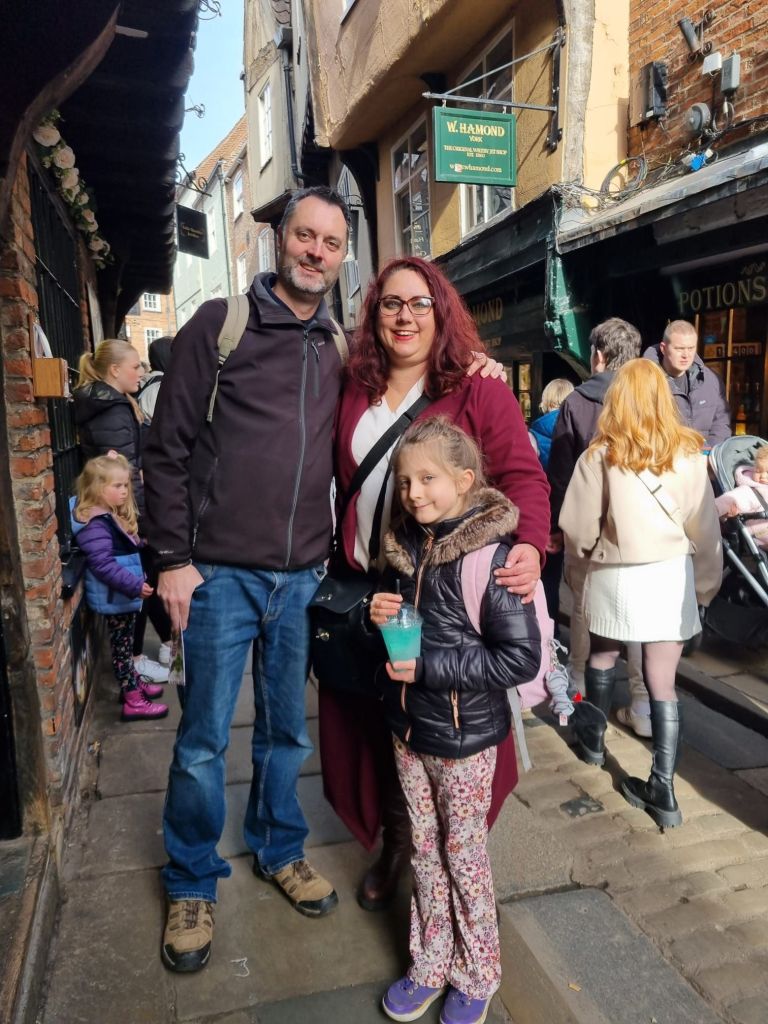
For me, coping strategies are less about strict routines and more about creating space – space to feel, space to move, and space to act without judgement. Travel is a big one for me. Change of environment resets me and helps me feel alive again. I also need proper “me time” to switch off from everyone else’s demands and just be in my own head without pressure. I need the freedom to be a bit impulsive too – to follow instinct, make quick decisions, and act on ideas without overthinking or being constantly judged for it. That’s when I function best.
I don’t really have an off switch, and I often feel like I’m on call mentally all the time. My mind is always running, always scanning, always thinking ahead or reacting. I’ve noticed that when I’m doing dull or meaningless work, I can actually switch off more easily – I can just do it without over-attaching. But when something is exciting or meaningful, it’s like a drug for me. I’m completely in it, fully switched on, and it can be hard to step away. So for me, thriving isn’t about rigid structure – it’s about balance: freedom, movement, stimulation, and permission to be myself without constantly being corrected or contained.
What does masking mean to you, and have you felt pressure to hide parts of yourself to fit in?
Masking is exhausting, and it can quietly wear away at your confidence over time. When you’re constantly adjusting how you speak, behave, or show up just to fit in, it takes a lot of mental energy, and it can leave you feeling like you don’t fully know where the “real you” ends and the “performed you” begins.
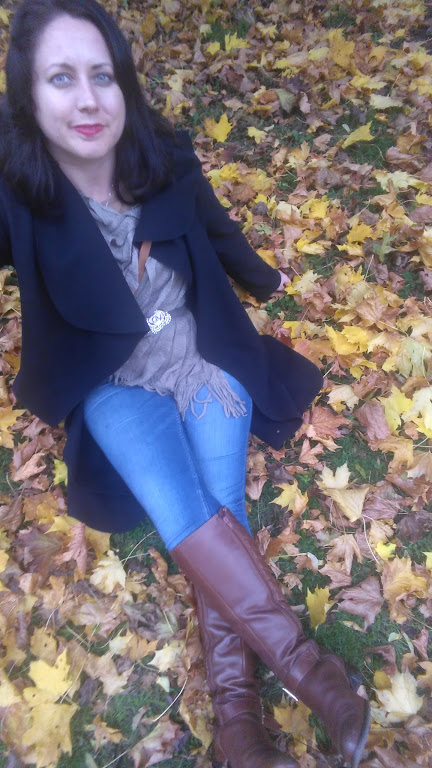
As a girl, it’s often even more misunderstood and underdiagnosed. A lot of traits get overlooked or reframed as personality – being quiet, sensitive, daydreamy, awkward, intense, or “just a bit different.” Because the presentation isn’t always disruptive in the expected way, it can be missed entirely or labelled as something else. That’s part of why I didn’t realise I had it for so long. I adapted, I masked, and I found ways to get by – but underneath that, I was often struggling in ways that didn’t have a name at the time. It’s only looking back that things start to make sense, and you can see how much energy went into trying to fit into spaces that weren’t really built for you. I was shy and withdrawn, so perhaps it was the ADHD part of my AudHD that saved me from my internalising of negative thoughts.
What has helped you feel safe enough to be more fully yourself?
Freedom and creativity. Being a travel journalist has been a huge part of that, because it gives me space to follow curiosity, move between environments, and work in a way that feels natural to me rather than rigid or controlled. It suits how my mind works – interest-led, responsive, and creative, rather than forcing me into a constant routine.
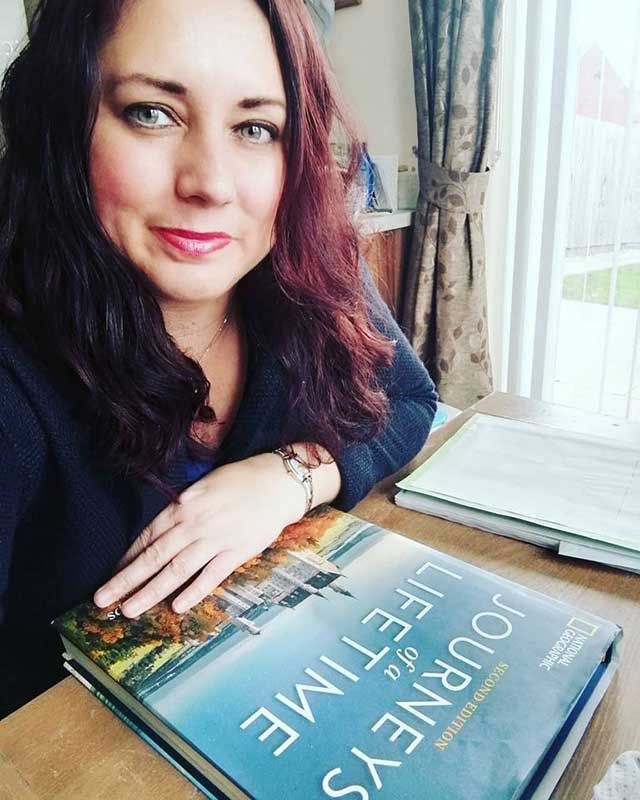
Having understanding people around me has also made a real difference. People who don’t try to contain how I think, but instead let me explore my creativity and trust my instincts, have helped me feel more accepted and less like I need to mask or shrink myself.
For me, structure often leads to anxiety. Too much rigidity or long-term planning can feel overwhelming and restrictive. In contrast, having freedom allows me to breathe, think, and function more naturally. When I’m not constrained by structure, I feel calmer, more confident, and more like myself.
How can families, friends, workplaces, and communities do better at supporting different minds?
Families, friends, workplaces, and communities can do much better by being more caring, more understanding, and more responsive to individual differences, rather than expecting a single “standard” way of thinking or behaving. Entrepreneurs know this, too.
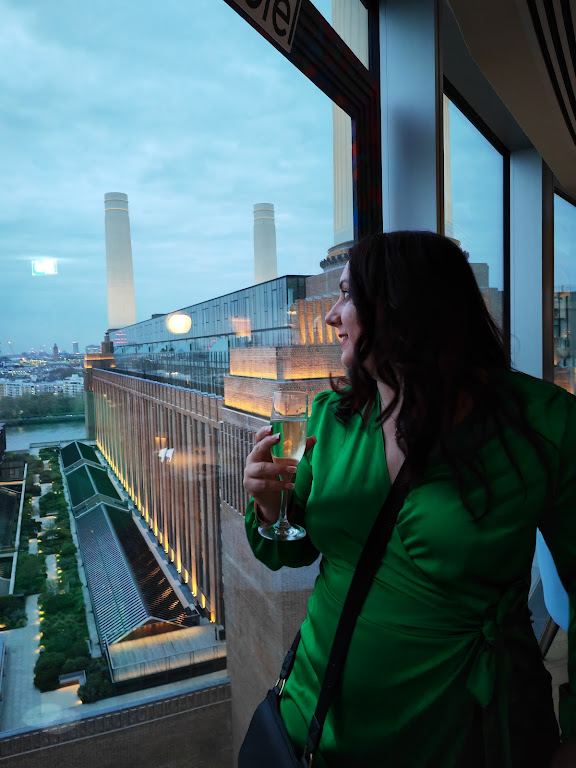
A significant part of understanding ourselves is recognising that not everyone processes things in the same way. Some individuals require more flexibility, clear communication, or different types of structure to function effectively. Others may be more sensitive to tone, feedback, or perceived rejection, and that sensitivity is very real. When someone experiences rejection sensitivity, even small moments can feel monumental internally. I feel like that when it comes to work and relationships, when they see me as too much! That’s not their fault, but neither is it mine.
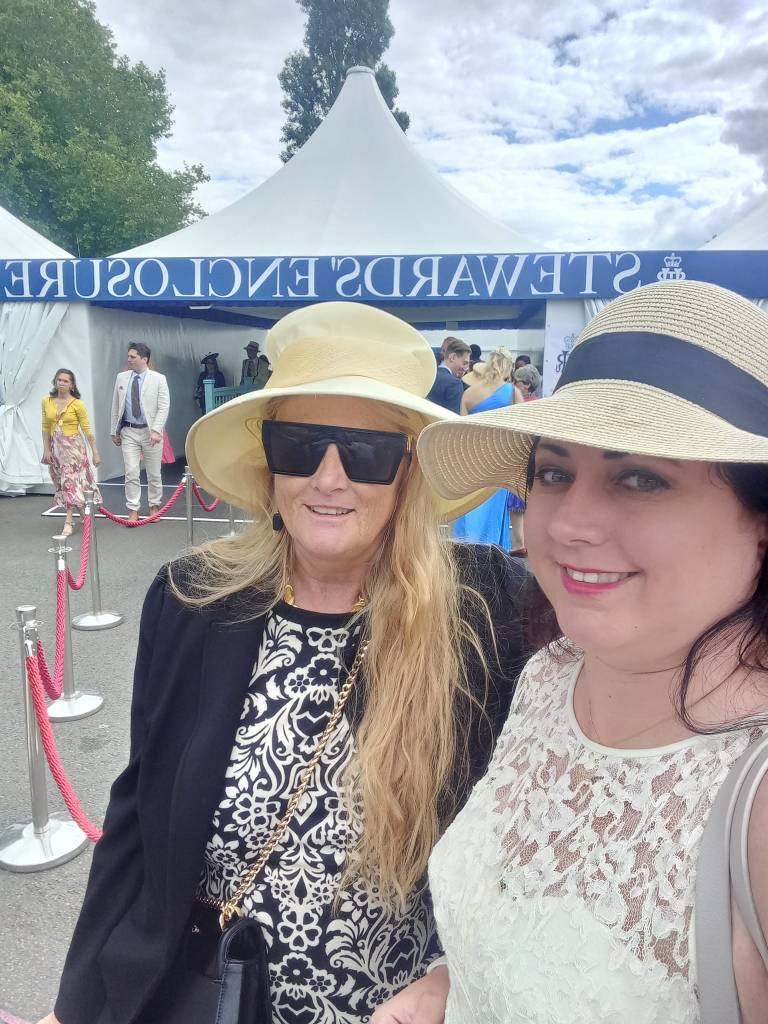
I’ve often questioned whether I am “too high maintenance” because I chose to be a travel journalist. I acknowledge that I can be intense, and I believe this intensity largely comes from my earlier environments, which didn’t meet my needs. It’s not that there’s anything wrong with seeking understanding or clarity.
While I chase dopamine, don’t be fooled. My family means everything to me, and it’s why I work so hard—I work to reap the rewards we deserve and the support that follows. I can be a good mum and also a good wife and run my own business or bring value to an organisation.
I feel things deeply, and connection and family have become so much more important to me as I’ve got older. Where I once felt out of place or like I didn’t quite belong in groups, I now value the depth of my close relationships far more than anything surface-level. I don’t need lots of connections. I need meaningful ones, where there’s understanding, acceptance, and real emotional safety. As I’ve got older, I’ve become more aware of how much I value loyalty, honesty, and emotional presence. I love fiercely and feel things deeply, which means my connections with family and close friends matter deeply to me. I am fiercely proud of my nieces and my daughter.
Having lost my mum, I sometimes struggle. Family means everything. What resonates with me is that when we juggle so many balls in the air, we often forget the “glass” ones that truly matter.
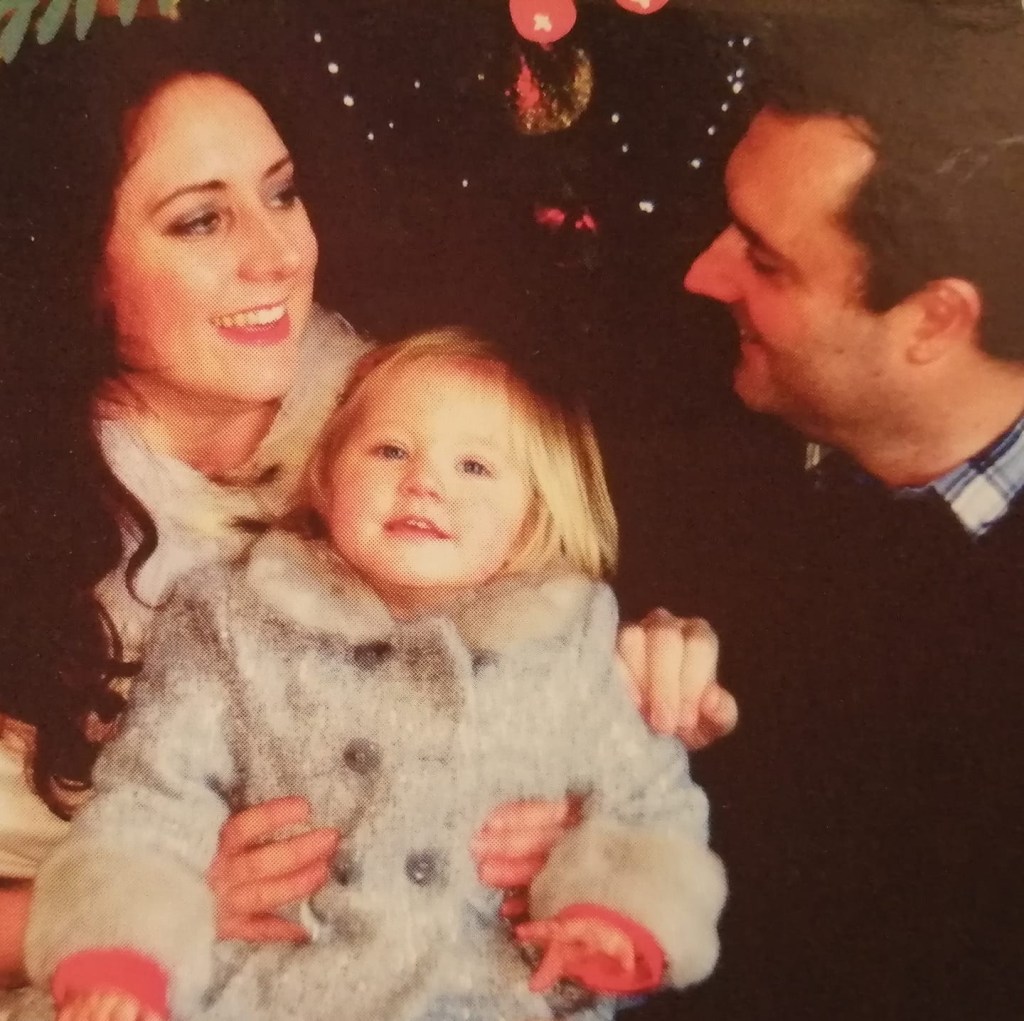
Better support doesn’t have to be complicated. It can look like patience, not making assumptions, being open to different working and living styles, and checking in rather than withdrawing when things feel misunderstood. In workplaces, especially, allowing flexibility and focusing on strengths rather than forcing everyone into the same mould can make a huge difference. Being left alone to my own devices is always the best thing for me. I focus on projects rather than being part of a hive mind, as my mind is too diverse for others to understand. We can be good mothers and perform at a high level.
I have friends who are driven and share my passions, and they are truly invaluable to me. One of my university friends also loves to travel.
At the heart of it, it’s about people feeling safe enough to be themselves without fear of judgment or rejection for simply being wired differently. I have worked with a neurodivergent boss, and we got along really well – it was the other people in the organisation who ruined it! I’ve also found that working with an ADHD boss can sometimes feel like sparks flying – both in a positive and challenging way. There can be a lot of shared energy, urgency, and fast thinking, which I naturally respond well to. But it can also lead to clashes, especially when two very instinct-led, fast-moving ways of working lack enough structure or clarity around roles and expectations. When it works, it can be incredibly dynamic and creative. But when it doesn’t, it can feel intense and overwhelming, with communication happening at speed and assumptions being made rather than things being clearly set out.
It’s made me realise I need environments that offer freedom and flexibility, but also enough grounding and clarity to support the way I work best.
Choosing to work in charities has also backfired at times. I expected those environments to be more understanding and caring, but I’ve still had experiences where I was the one managed out, despite them presenting themselves as supportive or people-focused organisations.
That’s been difficult to reconcile, because I genuinely care about purpose-led work and thought those spaces would naturally align better with how I work. But even in those settings, if the underlying structure, communication style, or expectations don’t fit how your mind operates, it can still lead to misunderstanding and conflict.
It’s made me realise that good values on paper don’t always translate into inclusive practice in reality. And for me, it reinforced how important it is to work in environments where difference is not just accepted in principle, but genuinely understood and accommodated in day-to-day life. I can adapt and do, frequently, but that is an immense strain as is reinventing myself time and time again. There needs to be more support for genuinely motivated and hyper-focused ADHD people than for those who are inattentive.
What are some of the myths or misconceptions about neurodivergence that you would love to challenge?
One of the biggest myths I’d love to challenge is that neurodivergence is just about deficits — what someone can’t do, rather than how they think, feel, and operate differently. There’s often an assumption that it’s only about struggle, when in reality there are also huge strengths that come with it, like creativity, hyperfocus, instinct, pattern recognition, and the ability to think differently under pressure.
Another misconception is that people who are ADHD or autistic just need to “try harder,” be more organised, or fit into more structure. For many of us, traditional structure isn’t neutral; it can actually create anxiety and make it harder to function. It’s not a lack of effort; it’s often a mismatch between how someone is wired and how the system is designed. I do want to be ‘normal’ endure boring tasks because they need to be done and find value and meaning in the things that really matter but I find that my life is so demanding and I spend a lot of my life at work so why not love what you do.
I also think there’s a misunderstanding that neurodivergent people are either high-functioning or not, when in reality, it’s much more fluid than that. Someone can appear very capable in crisis, creative work, or areas of interest, and still struggle deeply with routine, planning, or environments that don’t suit them.
Another myth is that it’s obvious or easy to spot. Especially for women, a lot of neurodivergence is missed because it can show up as masking, people-pleasing, being quiet, or just being labelled as “shy,” “awkward,” or “too sensitive.”
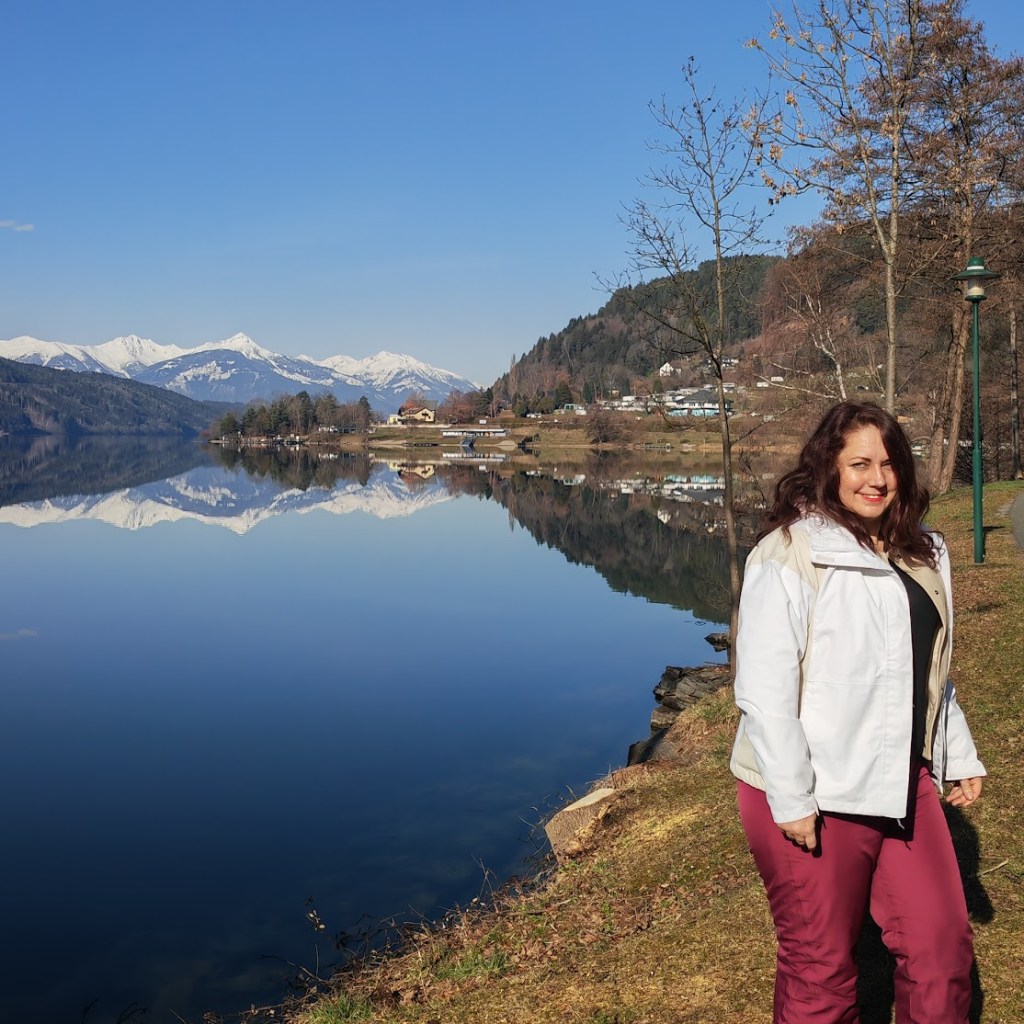
Ultimately, I’d love people to move away from seeing neurodivergence as something to fix and instead see it as a different way of thinking — one that can be incredibly powerful when it’s understood and properly supported. I am also frustrated by the waiting lists, and I am going to go down the route of right to choose – it’s been over three years and nothing!
If you could banish one label or phrase forever, what would it be — and what would you replace it with?
If I could banish one label or phrase, it would be the way “ADHD” is often used as shorthand for being “disorganised,” “flaky,” or “not trying hard enough.” Not the diagnosis itself but the misunderstanding of it.
I’d replace it with something more human and strengths-based, like: different wiring, different strengths, different needs.
Because for me, ADHD isn’t a lack of ability or discipline. It’s a different way of operating — one that can look like impulsivity, restlessness, or inconsistency on the surface, but also brings hyperfocus, creativity, instinct, urgency, and the ability to perform incredibly well in crisis or high-pressure, real-time situations.
I think language matters because labels can either shrink people or explain them. I’d rather we used language that helps people understand themselves without shame, and recognise what they bring, not just what they struggle with, and so many workplaces that are supposed to understand fail us.
What do you wish people understood about the emotional side of living with a different mind?
What I wish people understood about the emotional side of living with a different mind is that we feel things very deeply, and it is often personal, even when it might not look that way from the outside. Things like tone, rejection, misunderstanding, or feeling excluded can land very strongly on the inside. It’s not about being “overly sensitive” in a dismissive sense — it’s about experiencing the world in a more intense, layered way emotionally. That’s why kindness really matters. Small moments of patience, clarity, and reassurance can make a huge difference. Equally, inconsistency or unclear communication can feel amplified and overwhelming. I also wish people understood that many emotional reactions are tied to years of masking, misunderstanding, or feeling like you don’t quite fit. So it’s not just about what’s happening in the moment — it’s often layered with past experiences too.
At the same time, that depth of feeling is also a strength. It’s what makes connection meaningful, what fuels empathy, storytelling, intuition, and the ability to really understand people. It’s not something to fix it just needs to be understood and met with care.
What message would you give to younger people who feel they don’t quite fit the mould?
Be unapologetically yourself but attuned to others’ needs. What I need is important I suspect my daughter has ADHD and autism, and my partner has autism, and advocating for her, him, and myself is so time-consuming. I am a cycle breaker, so I find myself in the middle. I am struggling to get taken seriously as we are all so high performing- The myth that ADHD is for underperformers is the worst – I am a high achiever, and ADHD is my superpower – embrace your weird.
- Finally, if your mind had a superpower, what would it be — and how has it helped shape the person you are today? If my mind had a superpower, it would be hyperfocus – the ability to lock into something completely when it matters to me, to the point where everything else fades into the background. It’s shaped me in so many ways. It’s what allows me to be a journalist when I’m on a story, I go all in. I research deeply, I listen properly, I notice detail, and I can stay completely immersed until I’ve got to the heart of something. It’s not surface-level – it’s full absorption. It also means I work best in urgency and real-time situations. Deadlines, pressure, crisis moments — that’s when everything switches on for me. What might overwhelm others can actually give me clarity and focus. At the same time, it’s shaped my whole life experience. It’s part of why I’ve struggled with structure, routine, and environments that don’t match how my brain works. It’s also part of why I’ve felt things so deeply and sometimes felt like I didn’t quite fit. But overall, I see it as a strength. When I’m aligned with curiosity, purpose, and freedom, my hyperfocus turns intensity into insight – and experience into story. I wish I could relate more easily to people and understand social codes so I don’t get ridiculed or excluded Social situations often feel like there are unspoken rules everyone else seems to understand instinctively, while I have to consciously work them out. That can make connection feel harder than it should be, even when I genuinely care about people and want to belong.
- At the same time, I’m learning that these “codes” aren’t fixed or universal – they’re often subtle, inconsistent, and context-dependent, which is why they can feel confusing rather than natural. It’s less about something being wrong with me, and more about processing the world in a different way What I do know is that I’m at my best in environments where authenticity matters more than performance – where I can communicate directly, focus on meaning, and connect through shared purpose rather than social guessing games. I still wish belonging felt easier socially, but I’m also starting to value the spaces where I don’t have to constantly translate myself just to be accepted – I feel so much empathy and that’s why I feel so strongly about this


Leave a comment