Newcastle is one of those cities that feels familiar almost the moment you arrive, writes Donna Richardson.
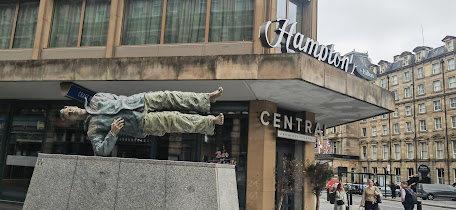
After arriving at Newcastle Central Station from an early morning train journey, I was greeted by the Floating Man, a sculpture of a figure seemingly defying gravity. It felt like the city was welcoming me in a playful way. As I walked down the street, I also saw the Standing Man and Walking Man, collectively known as the “Man with Potential Selves,” which represent different aspects of an everyday working man from Newcastle. These statues were commissioned by the Grainger Town Partnership.
I’d grown up hearing stories about Newcastle from my Geordie uncle, Laar. He introduced me to a whole new lexicon and described the people with warmth, humour and also “The Toon spirit.” Arriving properly for the first time, I was keen to see whether the reality lived up to the reputation.
I started walking the streets and found myself in the historic heart of Newcastle’s transformation story. Once the industrial engine of the North East, the River Tyne is now one of the UK’s most striking urban waterways, lined with culture, architecture and public space.
A city built for visitors
One of the first impressions Newcastle makes is just how well set up it is for visitors. The city’s hotel scene reflects its growing confidence as a destination, with everything from international brands to modern city-centre stays catering for both leisure and business travellers.
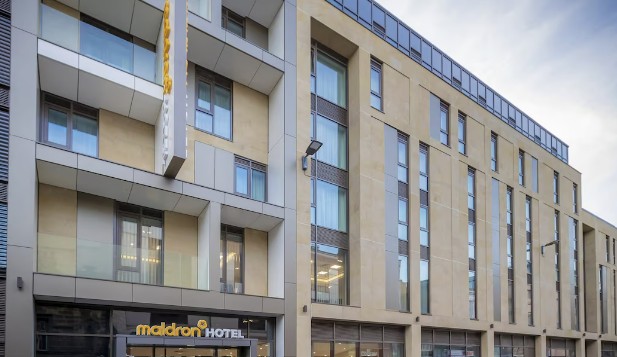
During my stay, I checked into The Maldron Hotel Newcastle, a contemporary base ideally positioned for exploring both the Quayside and the historic centre. Across the wardrobe, a simple message read: “Welcome to the Toon.” It wasn’t a grand gesture, but it didn’t need to be – it felt like the city speaking directly to you. I briefly got changed and then headed out to meet my colleagues for the day’s adventure on the River Tyne.
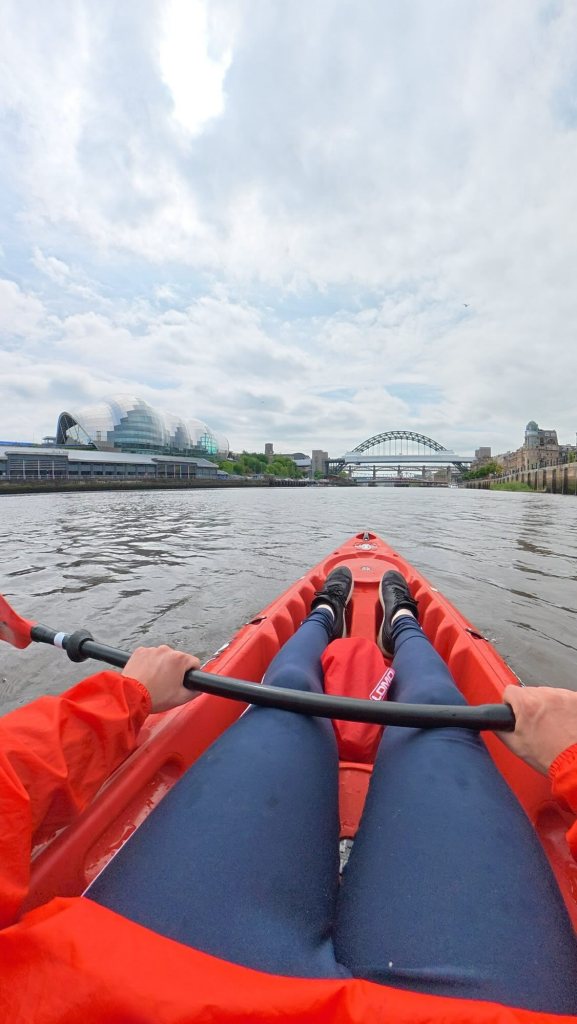
The Tyne is far more than a river – it is the beating heart of Newcastle and central to Geordie life. For centuries, it powered the industries that built the city’s identity, carrying coal from the collieries, driving a world-leading shipbuilding industry, and linking communities across the North East. Today, while its working life has changed, its significance has not. It remains a powerful symbol of local pride, framed by the city’s iconic bridges – structures that have become as synonymous with Newcastle as the Toon itself. Waiting for us on the banks of the Tyne was a very different way of seeing the city: a kayaking journey beneath its famous bridges, joined by none other than Kim McGuinness, Mayor of the North East.
Before we set off, she spoke about the river’s importance to the region’s identity. “We already welcome millions of visitors every year,” Kim McGuinness said. “But what people don’t always realise is just how much this region has to offer, from its coastline and countryside to its cities and culture. The Tyne is at the centre of that story.” I am a keen kayaker, and I welcomed this unique way to see the city, with CBK Kayaks underneath the Tyne bridges and the Quayside.
Walking the Toon – layers of history and legend
Back on dry land, I joined a guided walking tour through the city centre with local guide Keith from Newcastle Walking Tours, and Newcastle quickly revealed itself as a city built on stories – some historic, some musical, some delightfully odd.
We met at the station, and despite colleagues going off on Stottie making tours and chucking oysters in the market, I was content with a warm sausage roll and coffee on the move, which has become something of an unofficial welcome – unpretentious, fast, and rooted in the everyday rhythm of Geordie life. It is the kind of stop that doesn’t try to impress, but somehow defines the place anyway. After that essential pause, we made our way down to the Quayside – the historic heart of Newcastle’s transformation story. Once the industrial engine of the North East, the River Tyne is now one of the UK’s most striking urban waterways, lined with culture, architecture and public space.
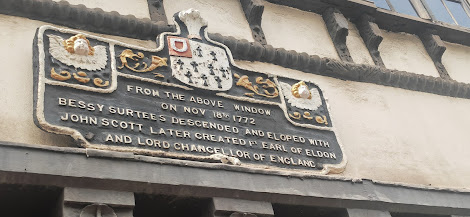
We learned from Keith about the people who have shaped Newcastle, from Queen Victoria, Lord Armstrong and even Ant and Dec, but for me, one of the most enduring local stories is that of Betty Surtees, whose name still surfaces in guided walks through the city’s historic streets. In a dramatic tale of Georgian Newcastle, she is said to have climbed down from her bedroom window to elope with John Scott, the son of a coal fitter from the city. Contrary to the expectations of the time, he rose through the legal system to become Lord Chancellor of Great Britain, one of the country’s highest offices, and was later created Earl of Eldon. The story has become a popular reminder in Newcastle of both social ambition and local defiance – a narrative that links the city’s working past with unexpected paths to national power.
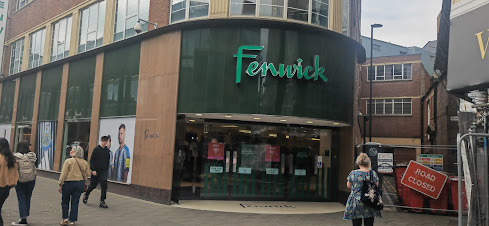
At The Crown Posada, ornate Victorian interiors create one of the most atmospheric drinking spaces in Britain. From there, we explored the city’s retail heart, where Fenwick stands as something of a Newcastle institution. Founded in 1882, the department store is more than just a place to shop; it’s part of the city’s identity, especially famous for its iconic Christmas window displays that draw crowds from across the region every year. Inside, it reflects a blend of heritage and modern retail that mirrors Newcastle itself: traditional at its core, but constantly evolving. There was another store in Leicester which I also have fond memories of. In the Newcastle branch, they also have a Greggs-inspired pub called The Golden Flake, another reminder of Newcastle’s layered commercial history – part of the small, everyday businesses and names that quietly shape the character of the streets and sit alongside the city’s better-known landmarks.
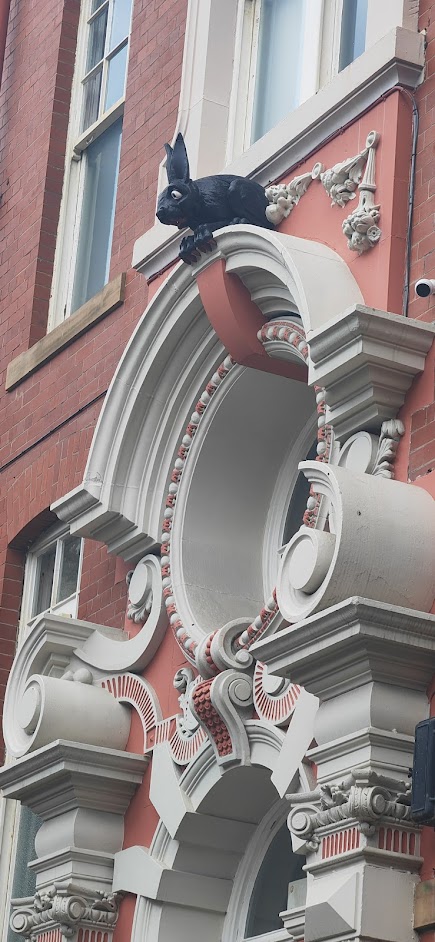
As we strolled along Berwick Street, we encountered the renowned Vampire Rabbit, an intriguing carving perched high above the bustling street near the majestic St. Nicholas Cathedral. This whimsical sculpture, often overlooked by hurried passersby, possesses an enchanting charm that invites closer inspection.
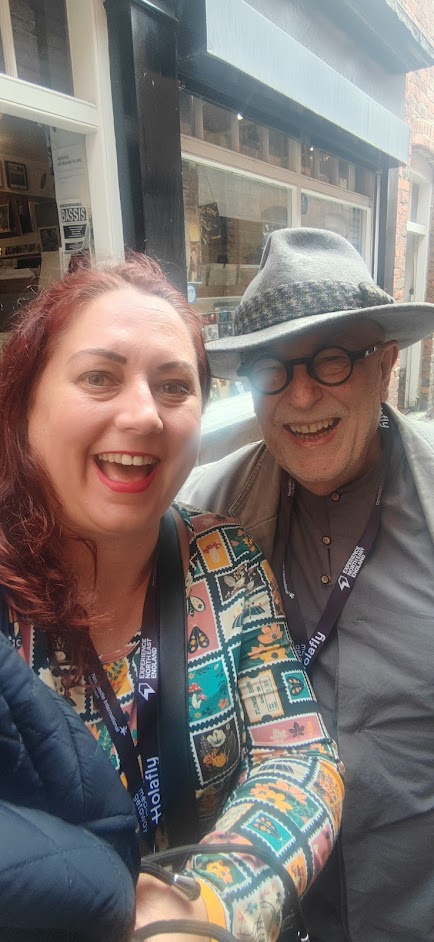
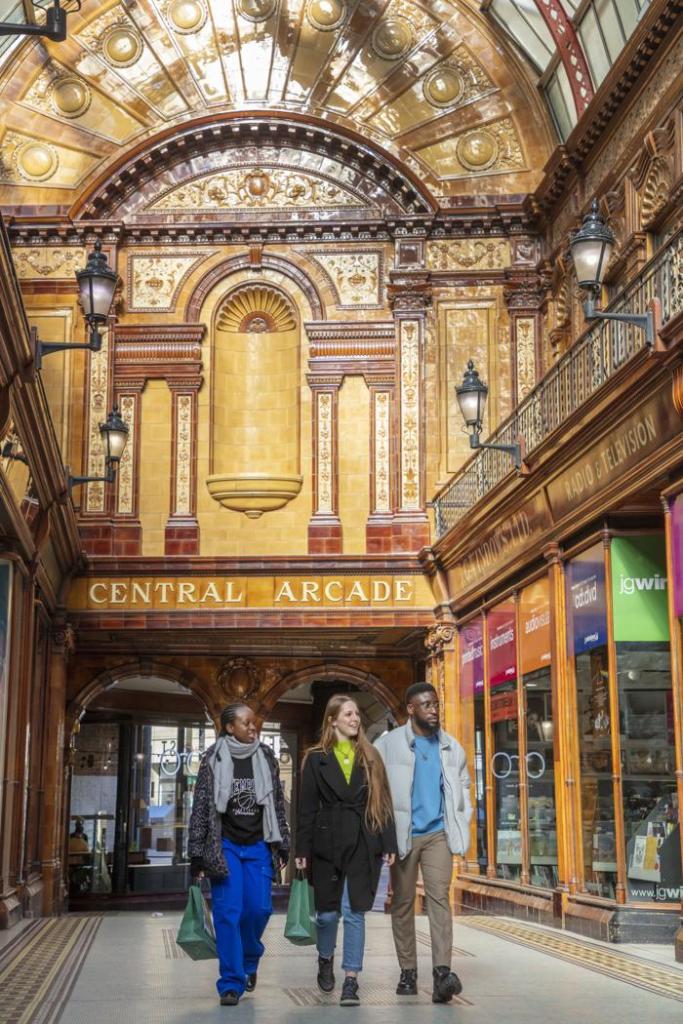
We moved through streets shaped by historical figures such as Earl Grey, whose legacy spans politics and place and whose name is still recognised worldwide, as well as the tea named after him. The historic Central arcade is beautiful too.
As we explored further, we came across the historic Old George Inn, dating back to 1582, one of the oldest pubs in Newcastle. Inside, the atmosphere felt unchanged by time, with stories layered into every beam and corridor.
A short walk away, another surprise appeared: a reference to The Beatles, who spent time performing in Newcastle during the early 1960s — a reminder that even global music history has passed through the Toon.
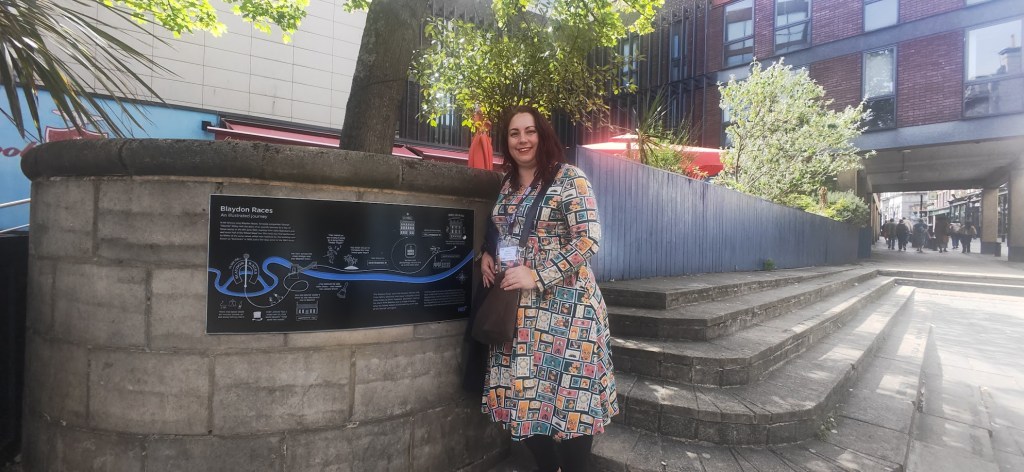
Music, however, belongs to Newcastle in its own right. Beneath a plaque marking The Blaydon Races, Keith led us into song. Written by George Ridley in 1862, it remains the unofficial anthem of Tyneside, sung with pride across pubs, terraces and matchdays.
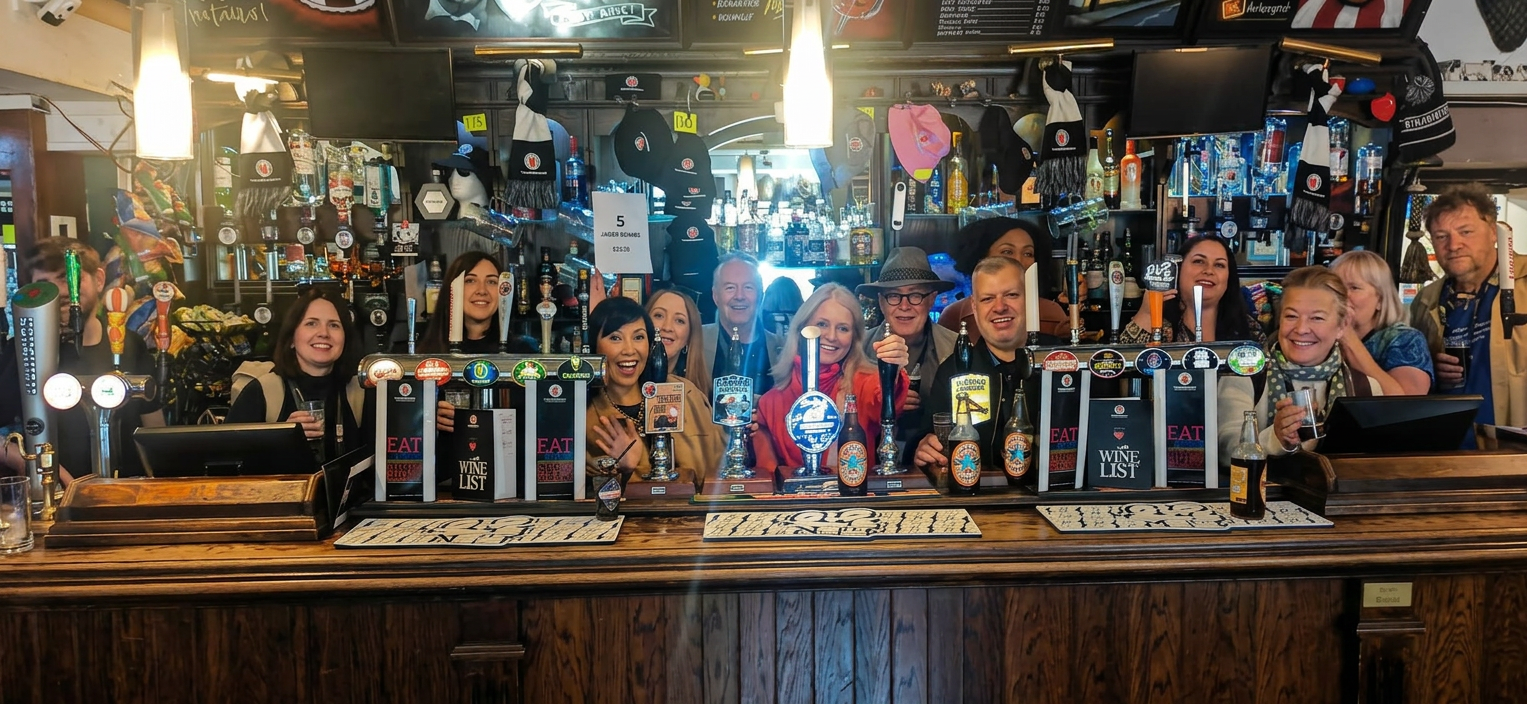
Newcastle’s pub culture is inseparable from its identity, and football is interwoven at The Strawberry, beside St James’ Park; black-and-white Newcastle United memorabilia fills every wall. Even on a quiet afternoon, the sense of belonging is unmistakable. It was here I experienced another local ritual: a pint of Newcastle Brown Ale, still affectionately called a “dog.” Simple, familiar, and unmistakably Geordie, it summed up the city’s character perfectly. I felt at home with the friendly banter of the locals
Culture, cinema and investment
Later in the day, we were welcomed at Tyneside Cinema, one of Newcastle’s most remarkable cultural landmarks. Housed in a beautifully preserved Art Deco building, it remains a symbol of how heritage and modern culture coexist in the city. We were received by a host of dignitaries, where the focus turned to regeneration, investment and the future of the North East. Inside the ornate surroundings, Kim McGuinness reflected on the scale of change underway:“We are investing in the future of this region in a way that matches its ambition. From culture and heritage to transport, tourism and skills, the North East is experiencing a new wave of confidence – and we want visitors to be part of that story.”
After our earlier gathering, we were invited to a drinks reception at Hotel Gotham, a stunning five-star hotel housed in a restored old fire station with a rich history. As Maia Beth spun tracks from the DJ booth, we enjoyed an exquisite selection of canapés and expertly crafted cocktails. The blend of historical architecture and contemporary elegance created a vibrant atmosphere, making for a truly memorable evening.
Conversations turned to the city’s growing appeal as a luxury and cultural destination. This theme continued at the Media Getaway Travel Connections event at St James’ Park, where networking sessions in the Connection Zone brought together industry leaders and hotel providers, including Hilton, Marriott and other major operators.
A city that stays with you
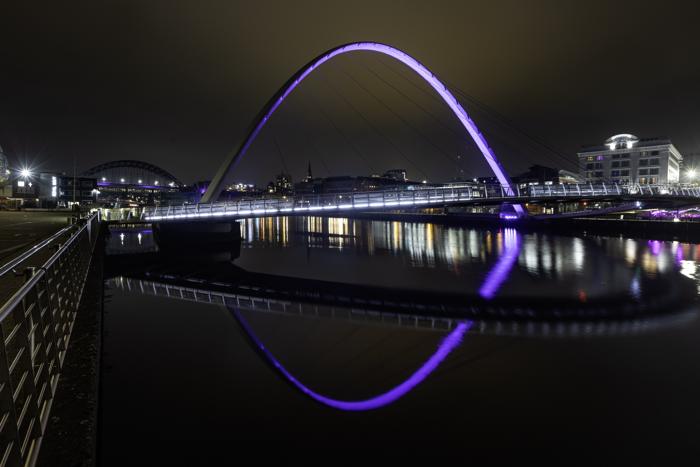
As the day ended and I returned once more to the Quayside, the Tyne Bridge lit up against the night sky, reflections stretching across the water. What stayed with me was not a single attraction, but a sense of momentum — a city layered with history, humour, music and reinvention. From Fenwick’s festive traditions to Beatles-era echoes, from ancient pubs to modern hotels, Newcastle constantly shifts between past and present without losing its sense of self. Listening to Kim McGuinness earlier in the day, one idea stood out: the North East is not just being promoted, it is being built. And standing there by the river, it felt like a story still in motion. Newcastle doesn’t just show itself to visitors – it brings them into the story, and I can’t wait to return.


Leave a Reply