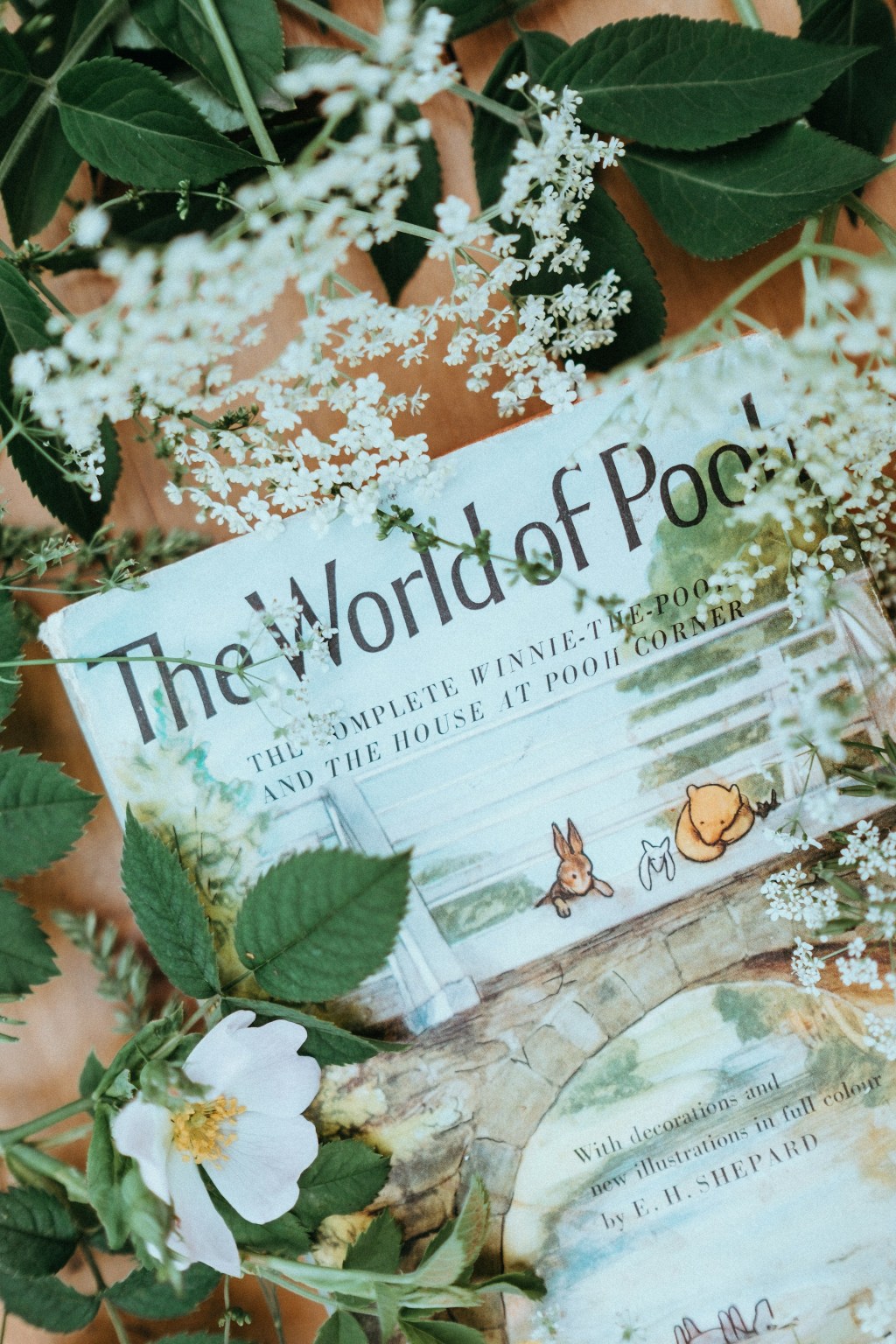
From the pages of A. A. Milne’s much-loved stories to the pine-scented paths of Ashdown Forest, discover the real-life landscapes that inspired Winnie-the-Pooh, follow in Christopher Robin’s footsteps, and enjoy a storybook escape at the characterful Chequers Inn.
Few fictional places are as instantly recognisable or as warmly cherished as the Hundred Acre Wood. A woodland filled with friendship, gentle adventures and the simple pleasures of life, it has welcomed generations of readers into the enchanting world of Winnie-the-Pooh and his beloved companions. In 2026, as we celebrate a century since A. A. Milne first published Winnie-the-Pooh, there is no better time to rediscover the magic of the little bear who captured the hearts of millions.

With Pooh’s fondness for honey, Piglet’s quiet courage, Tigger’s boundless energy and Eeyore’s endearing melancholy, these much-loved characters have become timeless symbols of friendship, kindness and imagination. Their adventures remind us that happiness often lies in the smallest moments: a walk beneath the trees, a game with friends, a pot of something sweet, or simply taking the time to enjoy the day.
While the Hundred Acre Wood may live in the pages of beloved books and on screen, the landscape that inspired it is very real. In the heart of East Sussex, Ashdown Forest lets visitors step into a countryside that feels wonderfully close to the world of Christopher Robin and his friends. For those who want to turn a day of exploration into a longer escape, the nearby Chequers Inn offers historic charm, comfortable accommodation, and a few delightful surprises of its own.
A Hundred Years of a Much-Loved Bear
The story of Winnie-the-Pooh began in 1926, when English author A. A. Milne introduced readers to a rather thoughtful bear with a considerable appetite for honey. Published with the distinctive illustrations of E. H. Shepard, Winnie-the-Pooh created a world where the simplest activities could become extraordinary adventures.
Two years later, the stories continued with The House at Pooh Corner, introducing Tigger to the woodland community and giving readers further glimpses into the lives of Pooh, Piglet, Eeyore, Rabbit, Owl, Kanga, Roo and Christopher Robin.
The characters were inspired in part by the soft toys belonging to Milne’s young son, Christopher Robin Milne. The original teddy bear behind Pooh was named after Winnipeg, a black bear from London Zoo. The name Pooh also came from a swan Christopher Robin encountered.
Over the decades, the stories have travelled far beyond the pages of the original books. Disney brought its own interpretation of Pooh to the screen with Winnie the Pooh and the Honey Tree in 1966, introducing the bear to new generations through animation and helping establish the familiar character recognised around the world today.
Although the original books and Disney’s adaptations have distinct histories, both have helped keep the magic alive. In 2026, the centenary of Milne’s first book offers a chance to celebrate the literary beginnings of a character whose appeal has crossed generations, cultures, and continents.
Perhaps Pooh’s enduring popularity lies in his wonderfully uncomplicated outlook on life. He is not a hero in the traditional sense, nor does he set out to achieve great things. He simply enjoys his friends, follows his curiosity and finds happiness in everyday experiences. In a world that often moves too quickly, his gentle philosophy feels more relevant than ever.
A. A. Milne: The Man Behind the Magic
Behind the beloved world of Winnie-the-Pooh was Alan Alexander Milne, the English author whose imagination created one of children’s literature’s most enduring worlds.
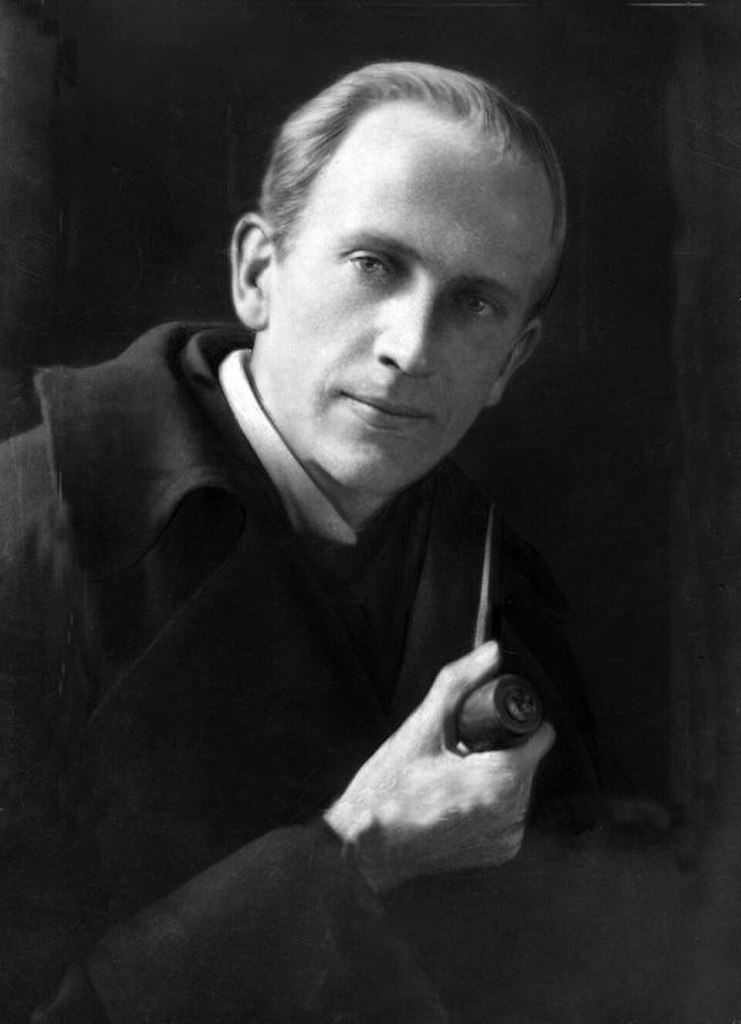
Born in London in 1882, Milne initially established himself as a writer of humorous essays, plays and novels. He studied at Cambridge University, worked for the satirical magazine Punch and served during the First World War. He wrote for adults as well as children, but stories inspired by his son ultimately secured his place in literary history.
Milne’s family life sparked the Pooh books. His son, Christopher Robin, played with a collection of soft toys that inspired the inhabitants of the Hundred Acre Wood. Milne transformed these familiar companions into characters with distinct personalities, creating a community whose differences only strengthened their friendships.
Pooh is thoughtful but easily distracted, Piglet is timid yet capable of surprising bravery, Tigger is exuberant, and Eeyore sees the world through a more melancholy lens. Together, they reflect the variety of personalities found in any friendship group, making their adventures both amusing and quietly insightful.
East Sussex’s countryside also played an important part in Milne’s creative world. The family lived at Cotchford Farm near Hartfield, and the surrounding landscape of Ashdown Forest inspired many of the settings associated with the stories. Its pine trees, open heathland and sandy hollows became part of the imaginative geography of Pooh’s woodland home.
Milne’s partnership with illustrator E. H. Shepard was equally significant. Shepard’s delicate pen-and-ink drawings gave Pooh and his companions their familiar appearances, creating images that have become almost as cherished as the stories themselves. Together, author and illustrator built a world that felt intimate, familiar and full of possibility.
Although Milne wrote extensively for adults, his stories of the bear who loved honey continue to reach the widest audience. A century later, their appeal remains rooted in the same simple truths: friendship matters, kindness counts, and the ordinary world can be extraordinary through a child’s eyes.
Ashdown Forest: The Real Hundred Acre Wood
Some places feel like the real world mingles with the world of imagination, and Ashdown Forest is one of them.
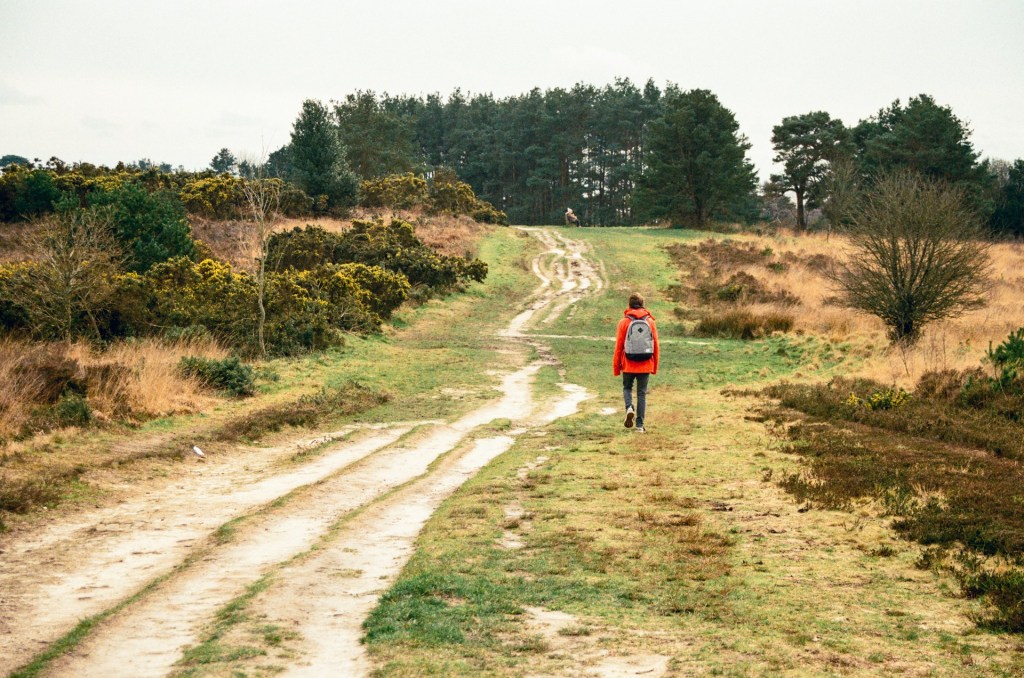
Set in the beautiful Sussex countryside, this remarkable landscape includes open heathland, ancient woodland, sandy hollows, and winding tracks beneath clusters of Scots pine. Its changing scenery has a quiet, timeless beauty, offering wide-open views and secluded corners that seem made for exploration.
The countryside around Milne’s family home at Cotchford Farm helped inspire the fictional Hundred Acre Wood. The Five Hundred Acre Wood, part of the wider landscape, is widely associated with the stories’ woodland, while other locations across the forest have become treasured destinations for Pooh enthusiasts.
Walking here, the connection is easy to understand. Pine trees stand in distinctive clusters against the sky, sandy paths disappear into the woodland and the open heathland offers a wonderful sense of space. There is room to wander, to wonder and to let the imagination take over.
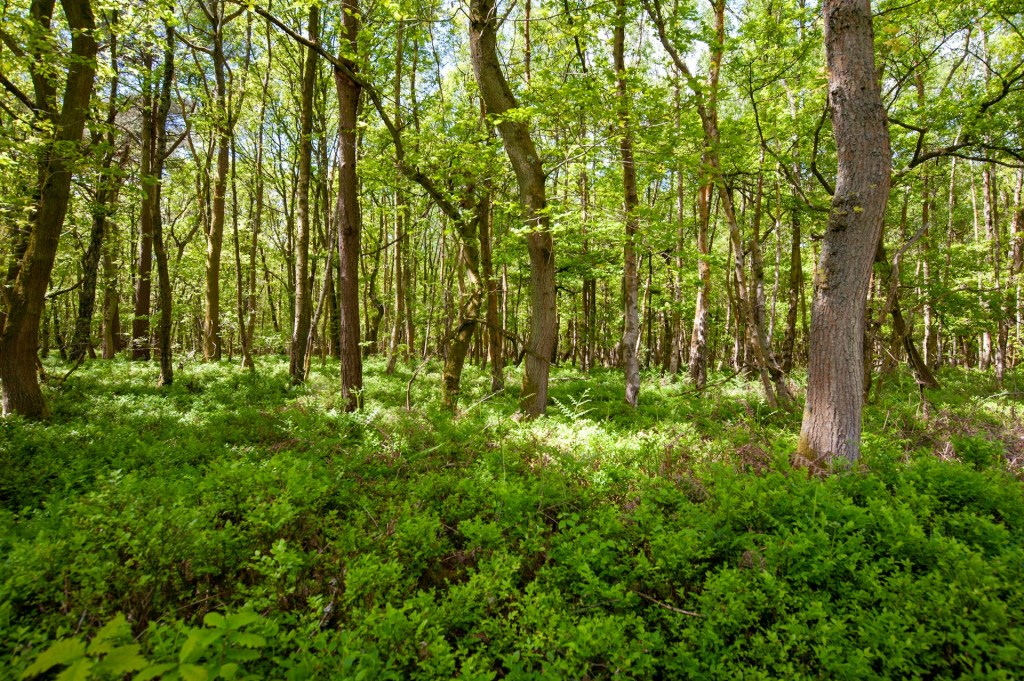
Ashdown Forest is beautiful in every season. Spring brings fresh growth and birdsong; summer offers shady woodland paths and long, bright days; autumn transforms the heath into a tapestry of russet and gold; and winter lends the landscape a peaceful, almost storybook stillness.
Beyond its literary associations, the forest is a valuable natural landscape, supporting a variety of wildlife and habitats. Its beauty is a reminder that this is not simply a backdrop to a fictional world but a living countryside deserving care and protection. Visitors can help preserve its special character by following local guidance, respecting wildlife and leaving the landscape as they found it.
For those who grew up with Pooh, a visit can feel like stepping into a familiar story. For younger visitors, it offers an opportunity to discover the magic for themselves, turning an ordinary family walk into an adventure filled with possibilities.
Following in Pooh’s Footsteps
One of the loveliest ways to experience Ashdown Forest is on foot. A network of paths and tracks allows visitors to explore the landscape at their own pace, from open heathland and pine-covered hills to quiet villages and historic country churches.
A circular walk beginning at Kings Standing offers a way to experience several sides of Pooh country, combining the wilder southern heathland with woodland trails and the surrounding countryside. For those who prefer a shorter outing, the experience can be divided into two themes: Villages and Poohsticks, exploring Hartfield and its surroundings, and Clumps and Sandpits, which takes in the distinctive landscape of the southern heath.
Together, these walks provide a wonderful introduction to the scenery that inspired Milne, offering a mixture of literary landmarks, rural charm and opportunities simply to enjoy being outdoors.
Villages and Poohsticks
The Villages and Poohsticks route explores Hartfield and the surrounding countryside, where the connection with Milne and his family remains an important part of local identity.
Hartfield is an appealing village of traditional cottages, country lanes and welcoming places to stop for refreshments. It provides an opportunity to pause between walks, browse Pooh-related souvenirs and enjoy the atmosphere of a traditional Sussex village.
The surrounding countryside reveals another side of the Hundred Acre Wood. Quiet paths, woodland edges and rolling fields offer glimpses of the landscape that helped inspire Milne’s stories, while nearby historic buildings provide a reminder of the area’s long history.
The highlight for many visitors is Poohsticks Bridge, originally known as Posingford Bridge. Immortalised in The House at Pooh Corner, the bridge is associated with one of the most enduring games in children’s literature.
The rules are wonderfully simple: choose a stick, drop it into the water on one side of the bridge, and watch which side it emerges from underneath. It requires no special equipment, elaborate preparation, or particular skill, yet it has delighted generations of readers and visitors.
Standing above the stream, surrounded by trees and the sounds of the countryside, it is easy to understand why Poohsticks has become such an enduring tradition. There is something refreshing about an activity that asks so little of us, beyond patience and a willingness to play.
For families, it is a memorable way to bring the stories to life. For adults, it can be a nostalgic return to a favourite childhood book. And for everyone, it offers a gentle reminder that the smallest pleasures can leave the strongest memories.
Poohsticks Bridge can be busy at popular times, so visiting earlier or later in the day may offer a quieter experience. Visitors should follow local guidance and avoid disturbing the stream or its wildlife.
Clumps and Sandpits
For those drawn to the wilder side of Pooh country, the Clumps and Sandpits route explores the southern heathland, where broad skies, sandy tracks and distinctive clusters of pine trees create a landscape full of character.
One of the best-known landmarks is Gills Lap, a prominent rise crowned with Scots pines and closely associated with the scenery of Milne’s stories. From the higher ground, the surrounding countryside opens into a succession of heathland, woodland edges and distant views.
It is a particularly atmospheric place to pause and take in the scenery. The trees stand against the sky like familiar illustrations brought to life, while the open landscape invites visitors to slow down and imagine the adventures that might unfold among the pines.
Storybook locations associated with Roo’s Sandpit and the Heffalump Trap add another layer of interest for those familiar with Pooh’s world. These places show how Milne’s imagination transformed ordinary features of the countryside into memorable settings filled with possibility. A sandy hollow becomes a favourite playground; a cluster of trees becomes a place of mystery; and a quiet hillside becomes the scene of an adventure.
The area also includes a memorial commemorating Milne and Shepard, whose words and illustrations created a world that continues to be cherished worldwide.
With its open views and sense of space, this walk is ideal for those who wish to experience the landscape itself as much as its literary connections. The paths can be uneven and exposed to changing weather, so bring suitable footwear and be prepared.
Whether you choose a shorter outing or a longer circular route, you’ll find Ashdown Forest offers far more than a collection of famous Pooh landmarks. It is a landscape to savour at an unhurried pace, with every turn offering another view, another quiet corner or another reason to stop and take it all in.
Practical tip: Check current route maps, access information and walking conditions before setting out, particularly if travelling with children or planning a longer circular walk.
A Storybook Stay at the Chequers Inn

After a day exploring Pooh country, returning to a welcoming country inn feels particularly appealing. In the heart of Maresfield village, the Chequers Inn offers a characterful place to stay, close to Ashdown Forest.
This historic 18th-century coaching inn feels like a traditional English country retreat, combining period character with comfortable accommodation and distinctive details. Its location in the Sussex Weald makes it an appealing base for exploring the surrounding countryside, whether you’re on a dedicated walking holiday, a family adventure, or a nostalgic break inspired by Winnie-the-Pooh.
One of the inn’s most intriguing features is its remarkable 75-foot wishing well, tucked away inside. An unusual discovery in a traditional country inn, it adds mystery and fascination to the property.
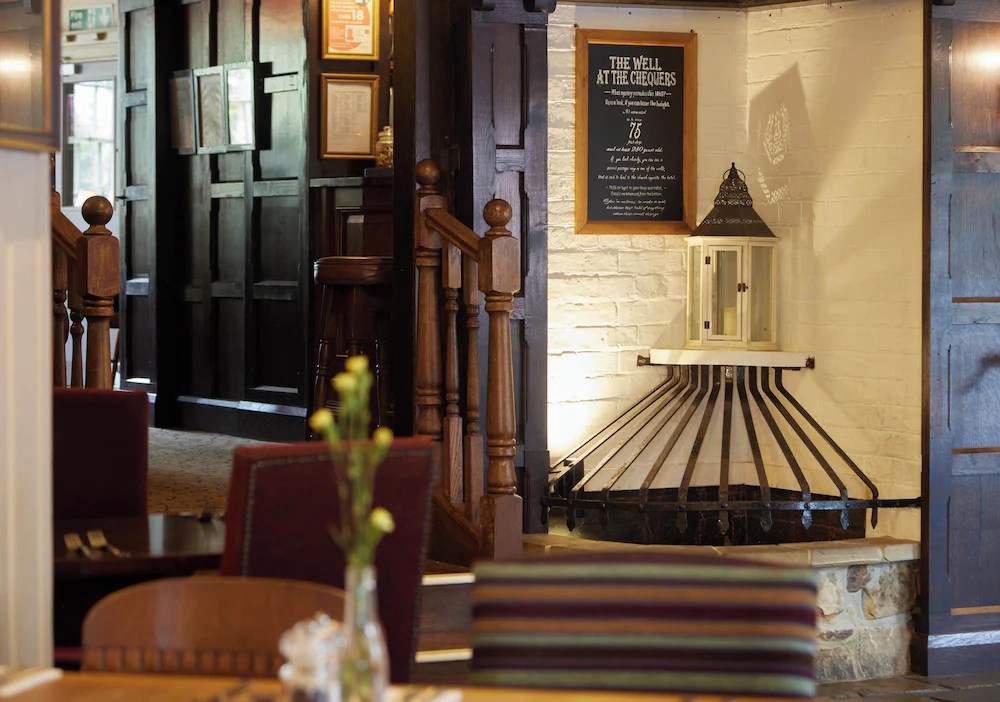
Wishing wells have long captured the imagination, appearing in folklore and tradition as places associated with hope, good fortune and secret wishes. The Chequers Inn’s well offers a fitting opportunity to indulge your own imagination. Perhaps a visitor might wish for sunshine on tomorrow’s walk, another memorable family holiday or simply more time to enjoy life’s quieter pleasures.
It is an evocative feature in a place so closely connected with the magic of childhood. Like the stories themselves, a wishing well invites us to pause and consider that something ordinary might hold a little wonder.
The inn’s Pooh-inspired touches continue inside, where Winnie-the-Pooh wallpaper adds a playful connection to the woodland beyond its doors. For visitors retracing Pooh and Piglet’s steps, these details bring the spirit of the stories into the real world, creating a particularly fitting atmosphere for a countryside escape.
Guest rooms are elegantly styled and furnished, with flat-screen televisions, tea and coffee-making facilities and seating areas. After a day on the trails, they offer a comfortable place to rest, warm up and reflect on the day’s discoveries.

There is something wonderfully fitting about ending a day of woodland exploration in a traditional country inn. Perhaps it is the chance to trade walking boots for comfortable shoes, settle in with a drink, and share the day’s stories. Perhaps it is simply the pleasure of being somewhere that encourages visitors to slow down.
Downstairs, the charming bar serves real ales and fine wines, creating an inviting place to unwind. The bar leads onto a decked garden area, providing a pleasant place to enjoy the fresh country air when the weather allows.
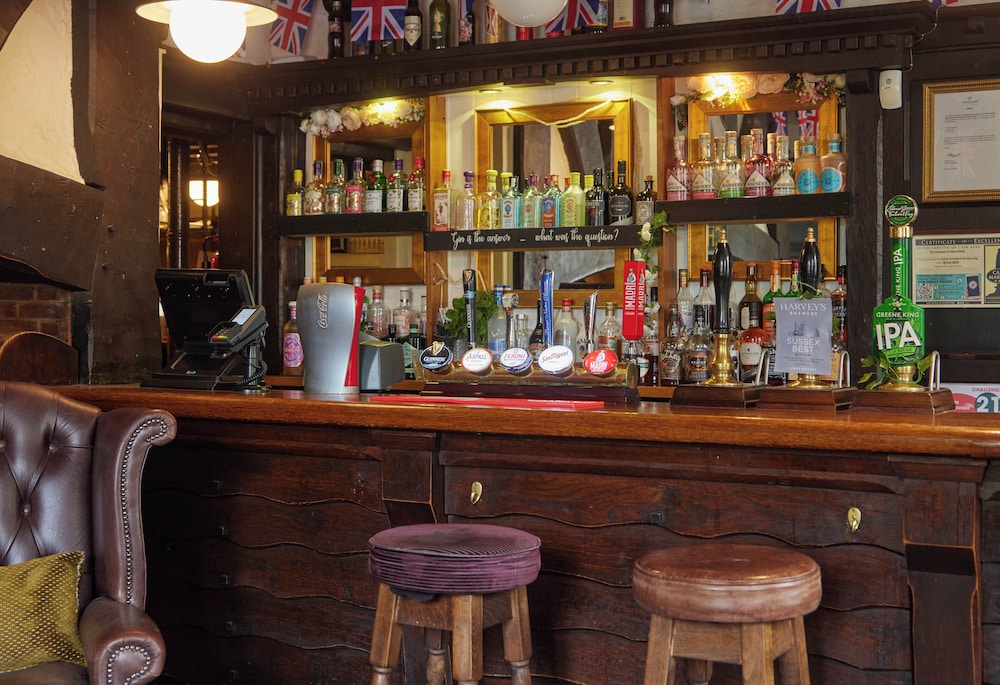
Situated in Maresfield, about an hour from London by road in favourable traffic conditions, the Chequers Inn offers a convenient starting point for exploring the forest and the surrounding villages. Its historic character, comfortable rooms, and Pooh-inspired details make it an appealing addition to a visit celebrating a century of the beloved bear.
For those seeking more than a place to sleep, the inn offers its own small adventure: a historic building to explore, a distinctive connection to Pooh and a wishing well that adds an unexpected touch of enchantment.
The Simple Pleasures of Pooh Country
Part of Winnie-the-Pooh’s enduring appeal lies in how the stories transform ordinary experiences into moments worth remembering. A walk becomes an expedition, a bridge becomes a playground, and a gathering of friends becomes the day’s most important event.
Exploring Ashdown Forest lets you experience that philosophy for yourself. A morning spent following woodland paths can be just as rewarding as reaching a famous landmark. A picnic beneath the pines, a quiet pause to listen to birdsong, or a spontaneous game of Poohsticks can become the moments you remember most fondly.
The surrounding villages offer their own pleasures, from country churches and traditional pubs to quiet lanes and welcoming shops. Together, they create an experience that is as much about the character of rural Sussex as it is about literary history.
For families, the forest offers a chance to introduce a new generation to the stories. For couples and friends, it provides an escape from everyday routines. For those who grew up with Pooh, it can feel like returning to a familiar place, even if they’re discovering the landscape for the first time.
A visit also reminds us that the stories’ appeal has never depended on elaborate adventures or dramatic destinations. Their magic comes from companionship, curiosity and the freedom to see the world differently.
Perhaps that is why a walk through Pooh country can feel so restorative. There is no need to hurry from one attraction to the next. The pleasure lies in the journey itself: the changing light through the trees, the sound of the breeze across the heath and the quiet satisfaction of discovering somewhere beautiful.
A Century of Friendship, Imagination and Honey
A hundred years after Winnie-the-Pooh first appeared in print, his world continues to bring comfort, laughter and a sense of belonging to readers and audiences around the globe.
The stories have travelled far beyond the Sussex countryside that helped inspire them, yet Ashdown Forest remains a special place for anyone wishing to understand their origins. Here, the landscape offers a tangible connection to the world of Milne and Shepard, allowing visitors to walk among the trees, discover familiar landmarks and experience the scenery behind the fiction.
A stay at the Chequers Inn adds another dimension to the experience. Its historic character, Pooh-inspired interiors, and intriguing wishing well make it a memorable place to return to after a day outdoors, while its Maresfield location makes it a useful base for exploring the surrounding countryside.
Whether crossing Poohsticks Bridge, wandering among the pines at Gills Lap, or simply enjoying the peace of the heathland, the journey invites you to rediscover the pleasures of childhood and the value of taking life a little less seriously.
Perhaps that is why Pooh has endured for a century. Beneath the honey pots, the adventures, and the gentle humour lies a simple message: friendship matters, kindness counts, and wonder lies in the everyday world if only we take the time to look.
As the paths of Ashdown Forest wind away beneath the trees and the countryside settles into the quiet of the evening, it is tempting to imagine Pooh and Piglet somewhere among the pines, setting off on one more small adventure in their timeless woodland home.
And perhaps, before leaving, there is time for one final stop at the wishing well.
After all, in Pooh’s world, the smallest wish might just be the beginning of something wonderful.


Leave a Reply