By Donna Richardson
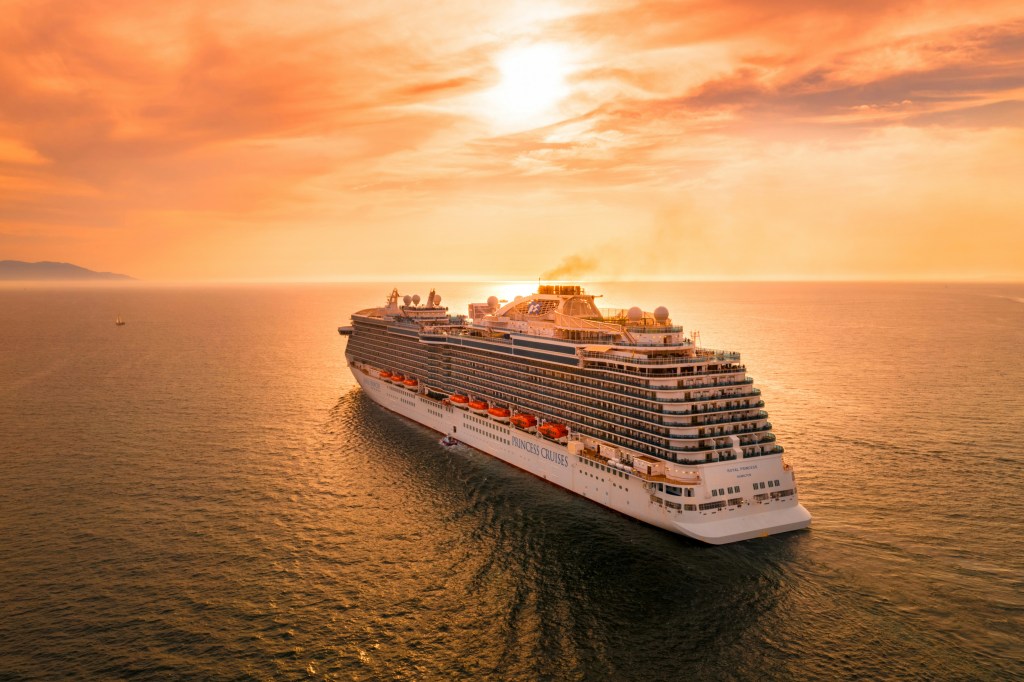
Cruise travel from the UK and Ireland continues to show strong momentum, with the Mediterranean retaining its position as the region’s most popular destination and overall passenger numbers reaching a record level.
Latest figures from the cruise industry indicate that 2.54 million travellers from the UK and Ireland took an ocean cruise in 2025, surpassing the previous peak of 2.4 million recorded in 2024. The increase reflects sustained demand for cruise holidays and growing confidence in the sector, particularly among families and multi-generational travellers.
Mediterranean Remains the Core Market
The Mediterranean accounted for 34.5% of all cruises taken by UK and Ireland passengers, maintaining its long-standing dominance due to its accessibility, diverse itineraries and concentration of cultural destinations. Popular embarkation ports across Southern Europe, combined with a wide range of seven- to ten-night itineraries, continue to make the region a reliable choice for first-time and repeat cruisers alike.
Northern Europe ranked as the second-most-popular region, attracting 27.2% of passengers. Demand for itineraries covering the Norwegian fjords, Baltic capitals and British Isles remains steady, supported by shorter flight times and a growing interest in scenic and culturally focused travel experiences.
The Caribbean placed third with 13.7% of passengers but recorded the strongest growth, with numbers rising by 12% year-on-year. The region continues to appeal to travellers seeking winter sun, longer itineraries and resort-style experiences, and it remains the leading cruise destination globally.
Travel Behaviour Shows Stability
Passenger behaviour across the cruise market remains consistent, suggesting that the sector has settled into a stable post-recovery phase. The average cruise length in 2025 was 9.6 days, broadly unchanged from 9.7 days in 2024, while seven-night sailings continued to dominate the market, accounting for 44% of departures.
The demographic profile of travellers also remained steady, with the average passenger age recorded at 54.6 years. However, the number of children under 12 increased by 7%, highlighting the growing importance of family travel within the cruise sector. This trend is particularly evident in Mediterranean and Caribbean itineraries, where onboard facilities and flexible dining options support multi-generational holidays.
Fleet Expansion Signals Confidence
Supply-side growth continues to support rising demand. Cruise operators are scheduled to introduce eight new ocean ships during 2026, bringing the total global fleet to 320 vessels. The addition of new capacity is expected to expand itinerary options, increase availability during peak seasons and support continued passenger growth over the next several years.
New ship deployments are also likely to reinforce the popularity of established destinations while enabling cruise lines to introduce more specialised itineraries, including longer port stays and regionally focused experiences.
Outlook for the Travel Market
The latest data points to a cruise sector that is transitioning from recovery to sustained growth. Strong demand for Mediterranean and Northern European itineraries, combined with accelerating interest in long-haul destinations such as the Caribbean, suggests that travellers are increasingly viewing cruises as a flexible and value-driven holiday option.
For travel planners and industry stakeholders, the key takeaway is clear: cruising remains a resilient segment of the leisure travel market, with stable travel patterns, expanding capacity and growing appeal among families expected to support continued growth in the years ahead.

 LUXE Serendipity magazine
Leave a comment