By Donna Richardson
The Mountains Were Calling Me…
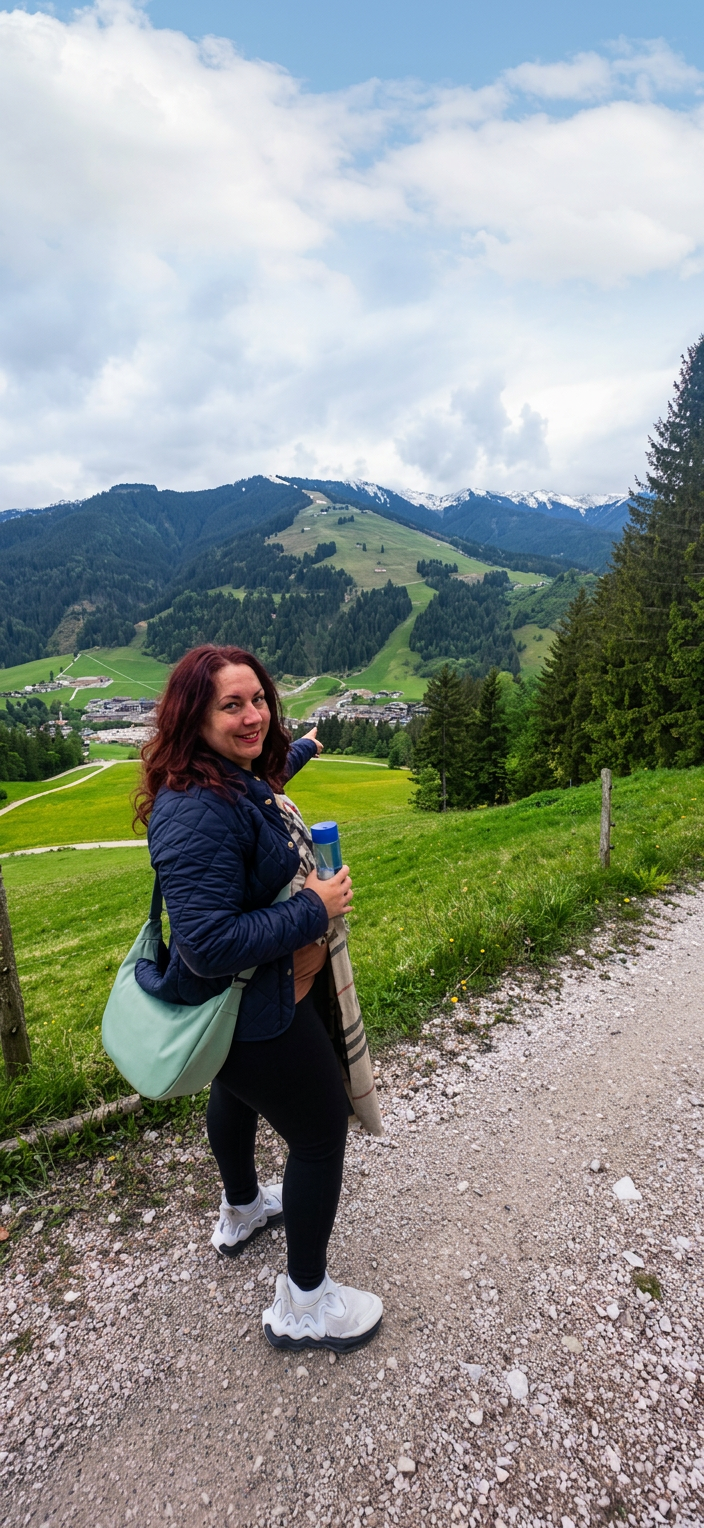
There is a particular silence in the Austrian Alps that holds space -a silence made of stone, forest, water, and time. The mountains around Leogang do not ask for attention. They simply endure, ancient and composed in a way that makes everything else feel temporary.
Burnt out and lost my spark, I needed to lose myself in the mountains.
I was carrying more than I could easily name. Months of work pressure, undiagnosed ADHD, unresolved trauma, grief, and emotional exhaustion had stretched my nervous system beyond capacity. The recent loss of a close family member to cancer reopened the older wound of losing my mother almost twenty years ago. Then, just days before departure, I was mugged, leaving me feeling internally dislocated, as though my mind and body were no longer moving together.
I was excited and nervous at the same time. Having experienced panic attacks in the past, I wanted to understand why they appeared when all I wanted was connection. I had attended spiritual retreats before, but this medical wellness escape felt more precise -less abstract, more physiological. A place where the body itself might finally be addressed.
By the time I reached Gatwick, I was overwhelmed. Airports usually fill me with excitement: movement, possibility, transition. This time, everything felt invasive—the fluorescent lights, the announcements, the security checks, the endless notifications. I blocked my messages to create space inside my own head. A complete digital detox. Just me and the mountains.
Then a school group passed through the terminal carrying instruments and a kind of chaotic joy. Later, after we landed in Austria, amid security checks and paperwork, I heard them before I saw them. One voice rose first, then another, until they were singing together.
The Sound of Music drifted through the airport. Then Ave Maria reached somewhere much deeper. My breath caught. I cried quietly.
It was not sadness alone but recognition- the feeling of something inside me being met without explanation. Life had become too fast. I had lost touch with a deeper connection and, without fully realising it, I had been searching for a way back to myself.
The people travelling with us were kind, and there were opportunities for conversation and connection throughout the journey. Yet I found myself unable to fully show up. My attention drifted. My energy felt thin. I could listen, but not always engage in the way I wanted to. Looking back, it was not a lack of interest or openness. My body and mind were simply exhausted.
For so long, I had been trying to push through that exhaustion, believing that connection required more effort. What I was beginning to learn, standing at the edge of those mountains, was that connection sometimes begins with something quieter: allowing yourself to stop, to feel what has been carried for too long, and to finally hear yourself again.
As we travelled deeper into SalzburgerLand, forests thickened, light softened, and the mountains rose around us. Everything slowed. And somewhere within that stillness came the beginning of something I hadn’t realised I needed: recalibration.
Because beneath everything sat one undeniable truth – the body keeps the score.
Arrival in the Alps
By the time we reached Leogang, it felt less like an arrival and more like a return.
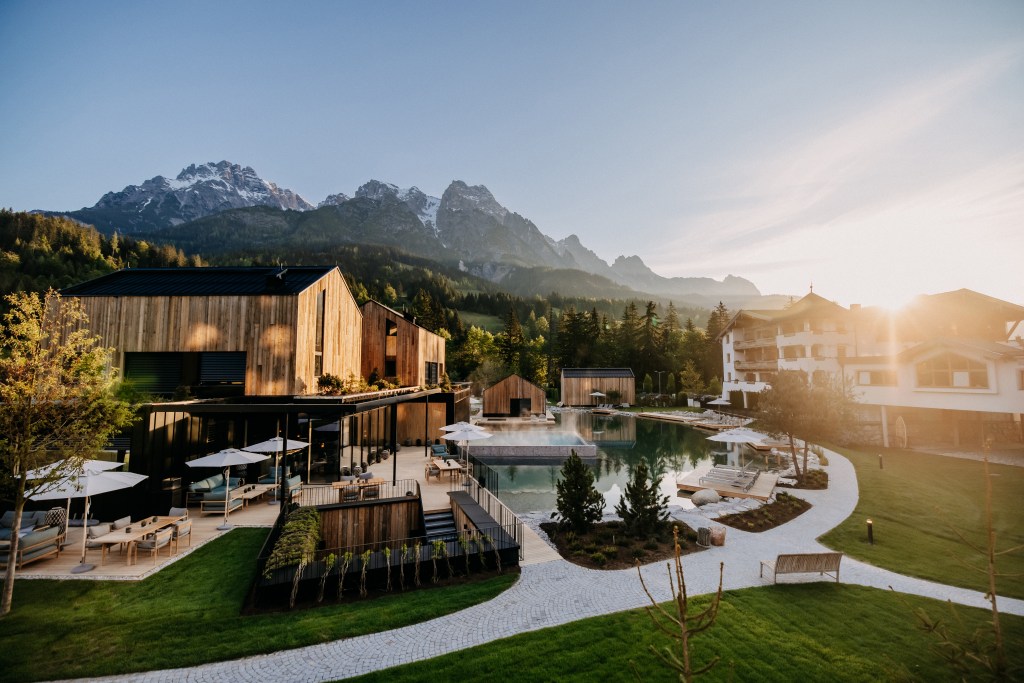
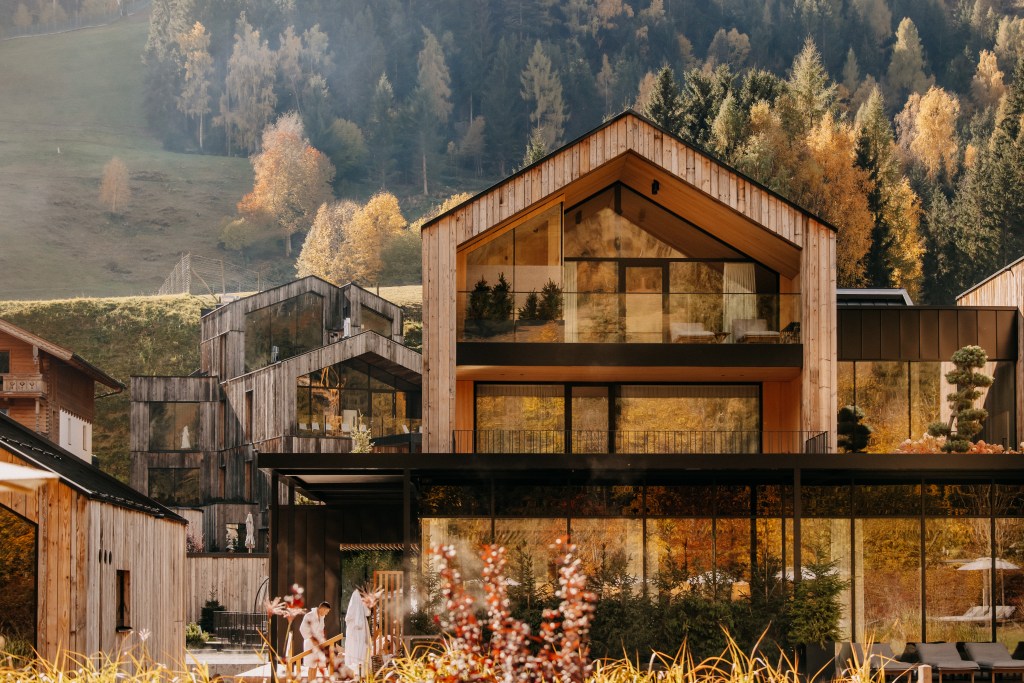
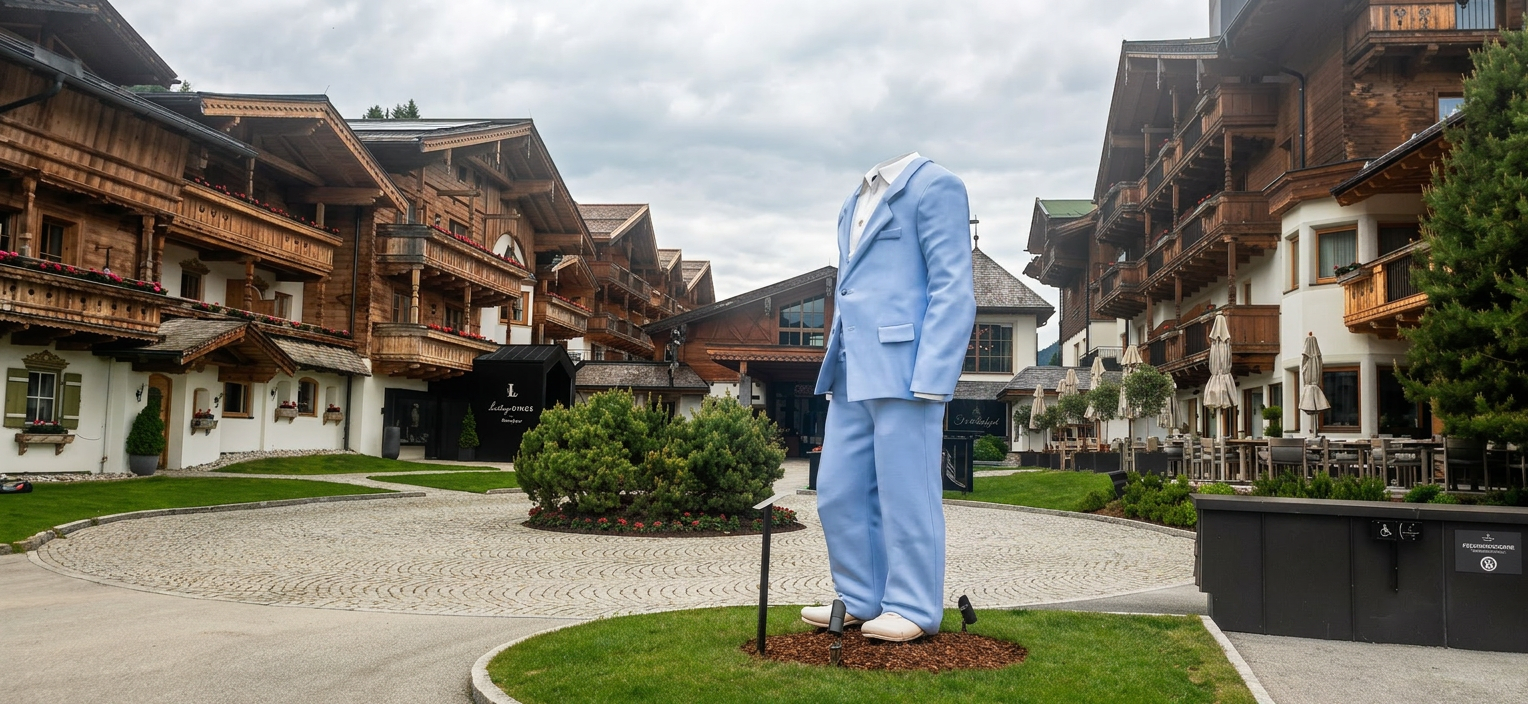
At the centre of it all was Naturhotel Forsthofgut.
From the moment of arrival, you are welcomed as if you were coming home. The Schmuck family have cared for this land for more than 400 years, and that continuity shapes everything.:
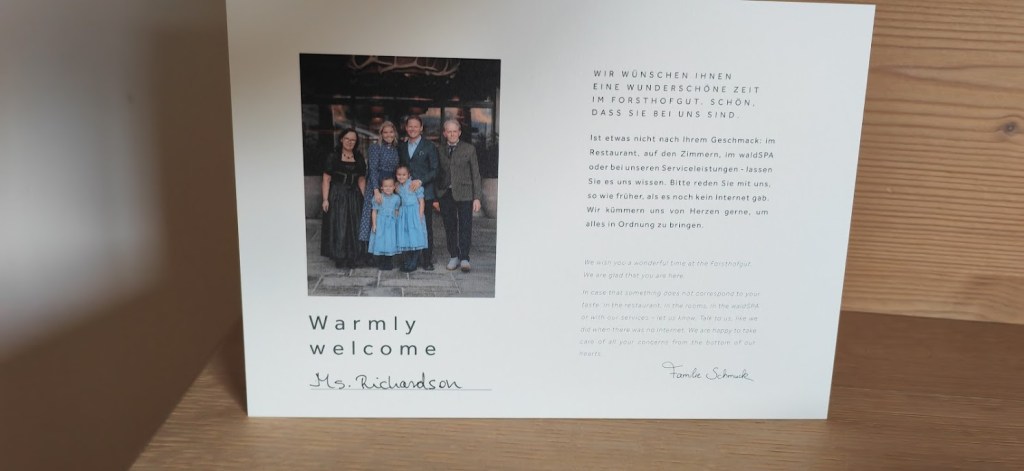
Christoph and Christina Schmuck lead with a rare combination of warmth, grace, and quiet conviction, setting a tone that is felt the moment you arrive. Their welcome is not formal, but genuinely warm and heartfelt -an ease of presence that makes guests feel less like visitors and more like expected friends.
Christoph’s philosophy is present in every detail: that true luxury is not about spectacle, but about how deeply a place allows you to exhale. He believes hospitality should create space for reconnection with nature, with others, and with oneself and that the most meaningful experiences are often the quietest ones. Nothing here feels forced; everything is shaped by intention, rhythm, and a deep respect for the natural world and the people moving through it.
Small gestures carry that philosophy into reality. My name was already written on the welcome board alongside other members, making arrival feel familiar rather than formal. A cold towel was offered immediately after the journey, followed by a smiling young woman in beautiful traditional dress presenting fresh towels with a grace that feels almost ceremonial. Bags disappear and reappear in rooms. Fresh flowers soften the lobby with colour and scent. I exhaled properly, fully, and felt, almost at once, that I had arrived somewhere that understood the value of making people feel at ease.

General Manager Daniel Kreil keeps the entire experience flowing with calm precision, his presence almost invisible yet essential in how effortlessly everything unfolds. At the waldSPA (Forest Spa), Spa Manager Michaela van Leusen brings both intelligence and intuition, shaping an atmosphere that restores without effort or instruction. Executive Chef Ingo Lugitsch translates the surrounding landscape onto every plate, capturing place and season with quiet clarity. Riding Stables Manager Elke Hechenberger shares an unspoken understanding with both horses and guests, creating moments built on trust, patience, and ease.
The Room: A Place That Holds You
My room became the first true landing point- wood, linen, mountain air.
And on the table: a bundt cake, still warm, baked with love and a note from the Schmuck’s were quiet gestures that felt like arrival itself.
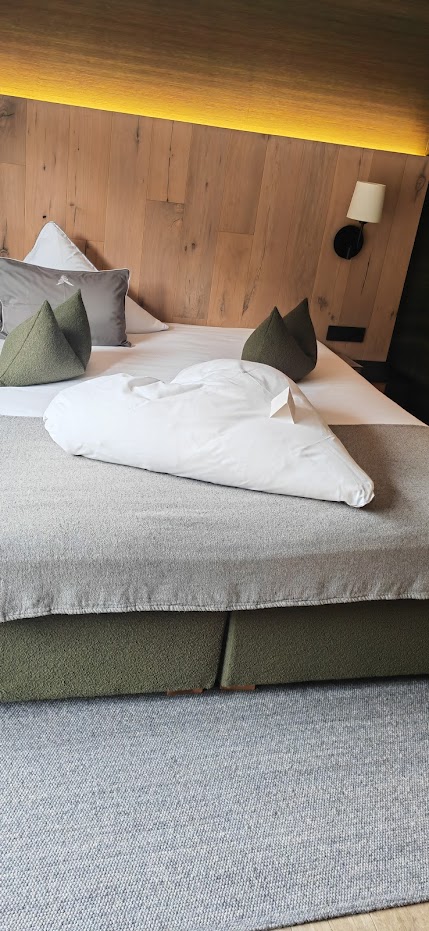
It offered its own kind of reset. Slippers waited by the bed, the duvet folded in a heart shape, a folded robe in the spa bag, and towels like a cocertina. I also noted the Mulberry silk eye mask and pulse roller infused with calming oils. Nothing demanded anything and everything allowed a pause.
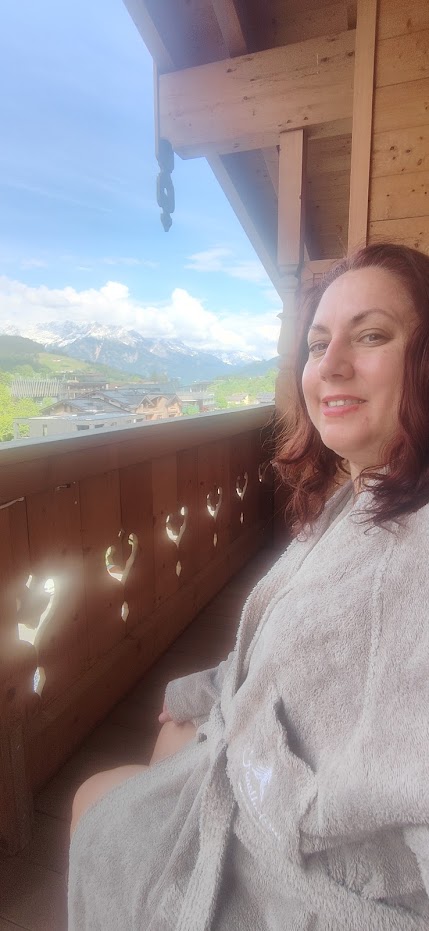
Light spilt across the floor, pulling me toward the balcony, where the Alps filled the horizon. Outside, a train moved through the valley below. The mountains did not move at all.
Alongside rest, there was also a gentle invitation to move: a rucksack prepared for hiking, and small weights for movement -subtle cues that the room could hold both collapse and activation, depending on what was needed.
The hotel has 112 rooms and suites. Some suites can cost up to £3,000 per night, and there are lofts where celebrities often stay, featuring luxurious amenities such as private saunas. However, I was more than happy in my spacious room overlooking the mountains. The space here is abundant, and the views invite themselves in through the glass. It is truly a special place to spend time surrounded by nature.
Stepping into the spa‘
Inside Europe’s first waldSPA (Forest Spa), spanning 5,200m², the space is adults-only and textile-free. Water becomes ritual: steam rising, silence thickening, infinity edges dissolving into horizon. Heat, cold, stillness -a cycle that seems to re-teach the nervous system how to trust time again.
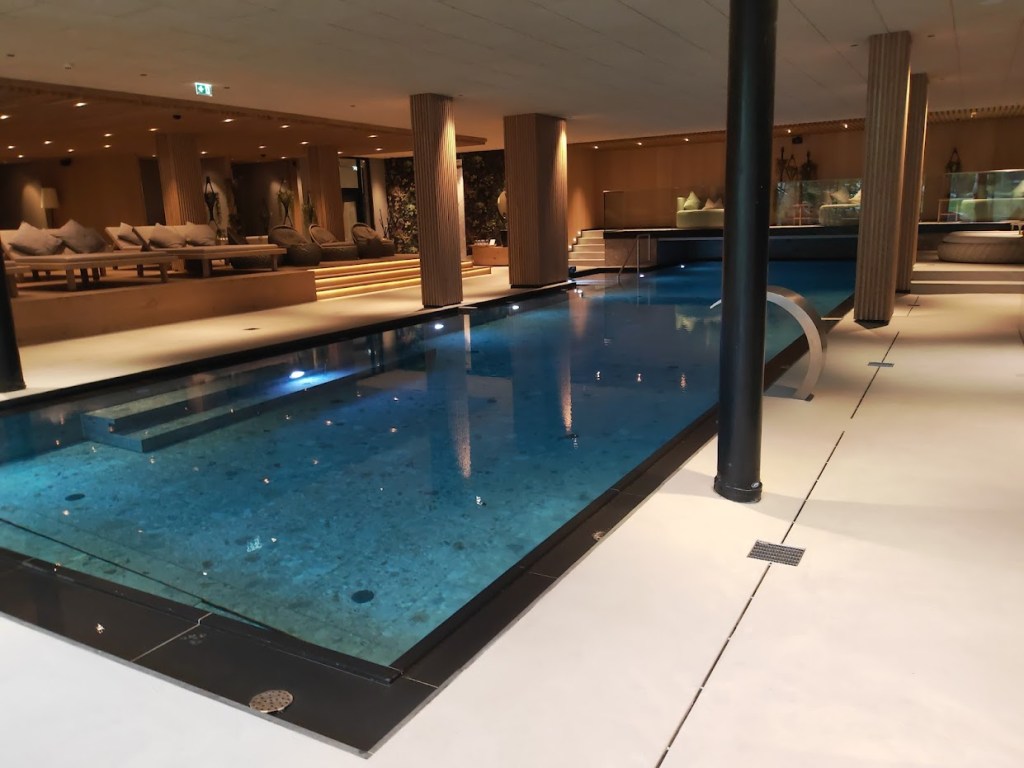
The resort is shaped entirely around water -lakes, pools, saunas, reflections, movement. Water becomes the medium through which everything softens. The indoor pool was surrounded by daybeds and led through to the kids’ and textile sauna area.
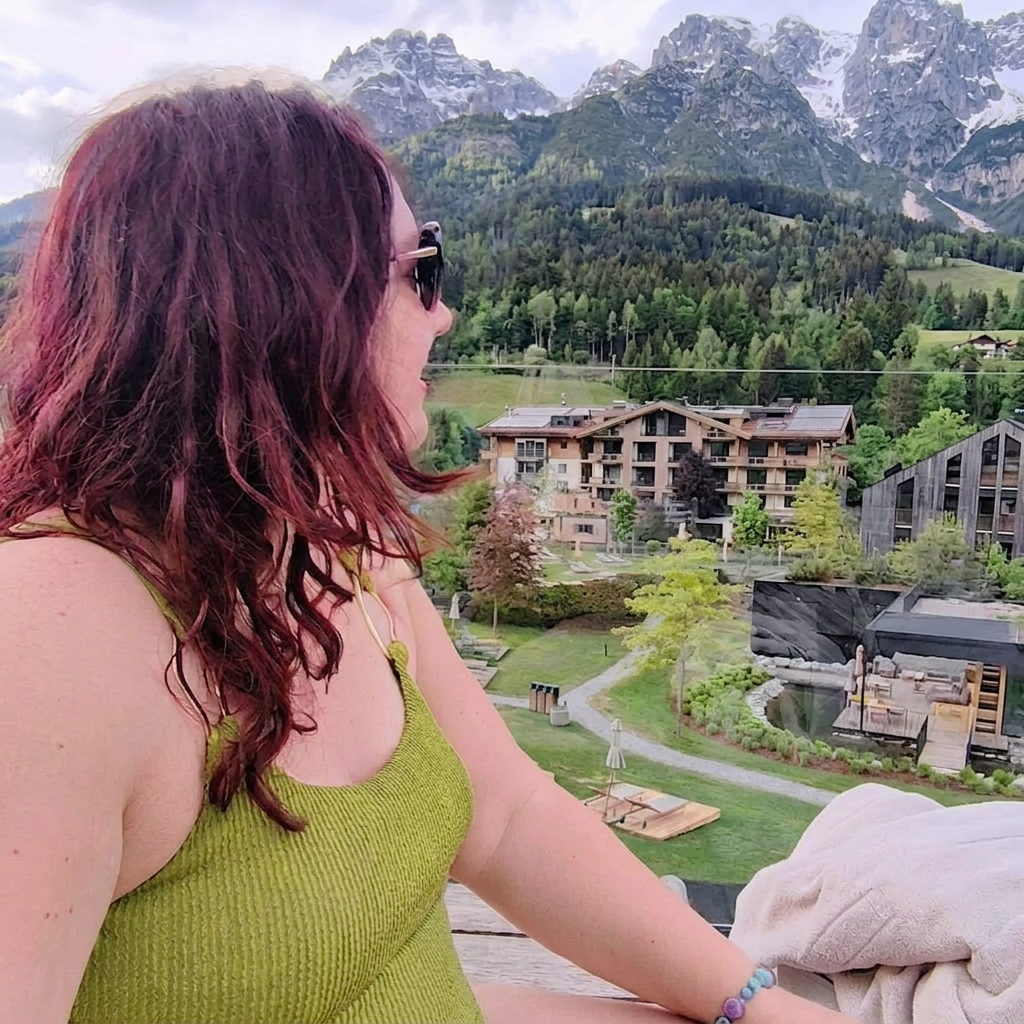
I walked into the adults-only area and made my way to the rooftop. As an air sign, I especially loved the rooftop pool—floating freely beneath the sky and overlooking the entire resort and the surrounding mountains. It felt like I was suspended between air and horizon, weightless above everything below. I drifted in the rooftop pool, gazing up as the sky changed between light and clouds. There is a unique sensation of weightlessness in that moment- not so much an escape, but a feeling of suspension of gravity.
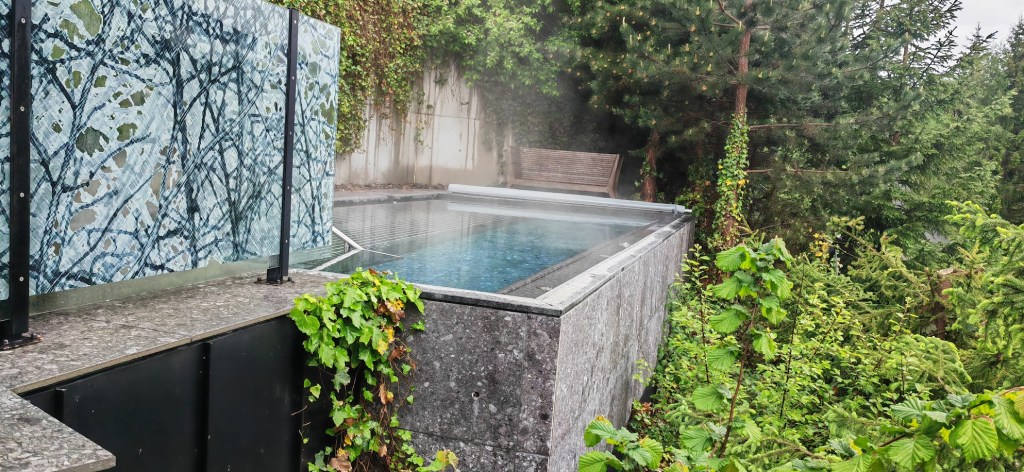
A level up is a textile-free sauna, and another option is located in the Lake House. However, I wasn’t brave enough to go without clothes. While the naked spa culture is embraced here and herbal infusions provide a calming reset, I chose to relax by the pool instead. It felt like it held me between the earth and the sky.
The sauna, clothed with its enveloping warmth, emerges as the most elemental of rituals. As the heat builds and the soothing steam envelops you, the chaos of the outside world dissipates, replaced by a profound sense of tranquillity. Transitioning between the steamy embrace of the sauna and the invigorating crispness of the cold alpine air establishes a natural rhythm of tension and release, leaving the body feeling lighter, clearer, and almost reset. Throughout my immersive experience, I found myself continually drawn to the quest for balance through the elements of water, heat, and stillness.
Every day, an enticing array of infusions is showcased on the board, featuring exquisite alpine blends of fragrant chamomile, invigorating mint, and carefully foraged herbs. These delightful elixirs are savoured after invigorating swims, scenic hikes, or rejuvenating spa treatments, each cup gently coaxing the body into pure relaxation.
As you walk around the resort, it envelops you with the very essence of nature -fluid water, solid stone, flickering fire, towering forest, and expansive air. Everything intertwines beautifully, as if engaged in an ongoing dialogue with one another. The crystalline pools reflect the vibrant sky above, while the warm wood radiates comfort and cosiness. The tranquil water smooths out rough edges, and the majestic mountains provide a breathtaking perspective, grounding you in the beauty of your surroundings.
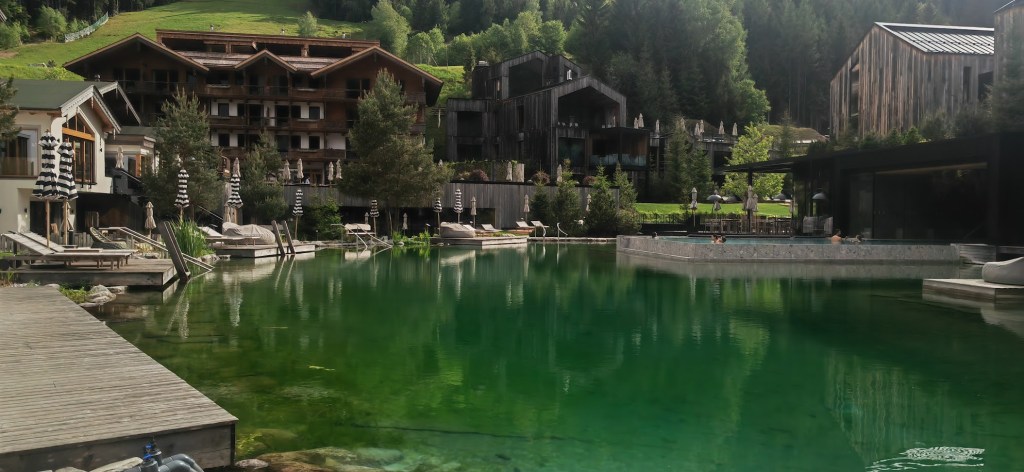
There’s also another spa area on the lake. Straddling the lake, the Seehaus has an onsen pool, lake sauna, lake pool, and relaxation lounge. I sat at the edge before slipping into the cold water, which awakened something immediate in me. The lake asked for presence, not hesitation. It felt like crossing a threshold back into sensation itself, the cold water bringing a sharp clarity that left me feeling both grounded and intensely alive.
The lake pool was cool, clear, and wonderful to swim in, surrounded by mountains that rose like a still frame around the water, making each stroke feel slower, lighter, and more connected to the landscape.
Elsewhere in the spa, and around the hotel, there are relaxation spaces, places where you can take time to just be still. I loved sipping tea in the afternoons and enjoying the space. This is what makes Forsthofgut feel different: it does not remove you from life. It returns you to it. And slowly, something shifted. Not dramatically. Not all at once. But quietly- in breath, in body, in awareness, I began to return to myself.
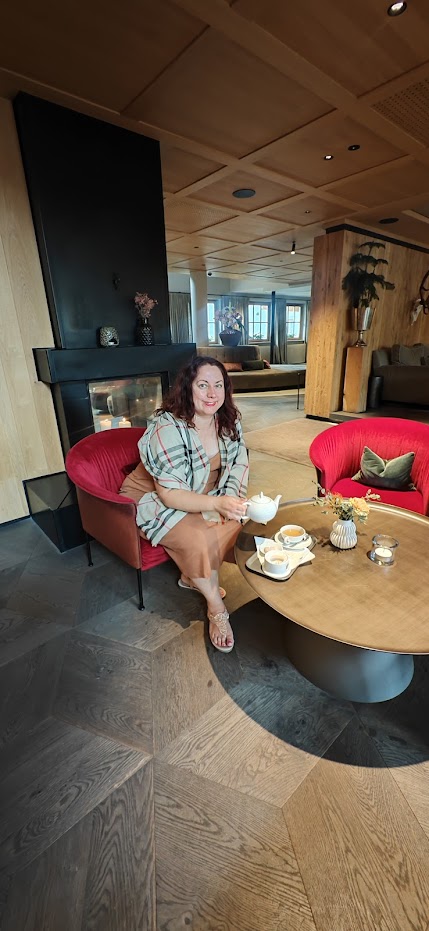
Stillness, and Hypoxic Return
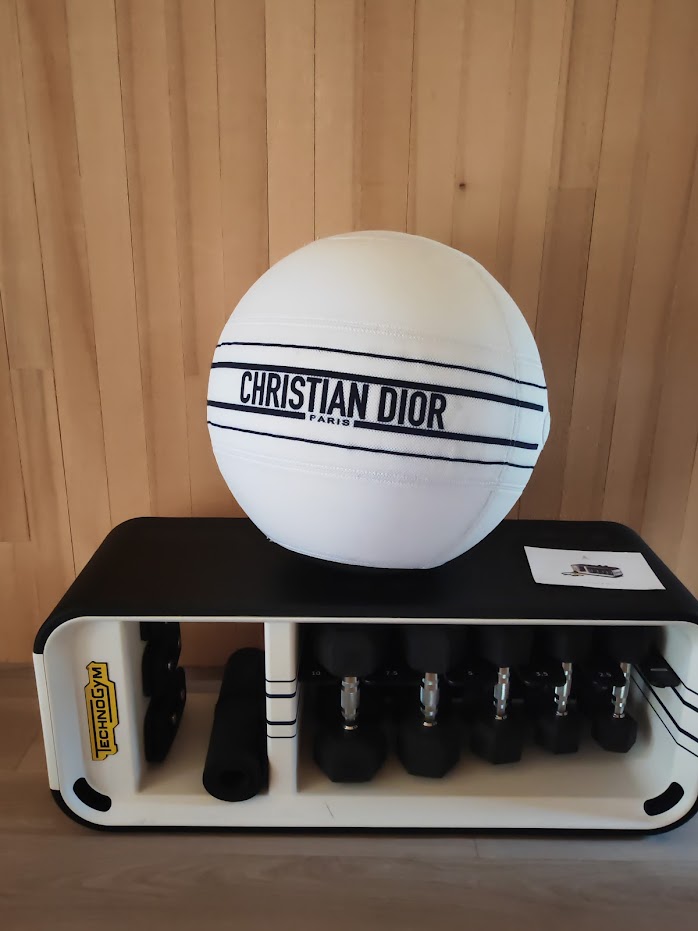
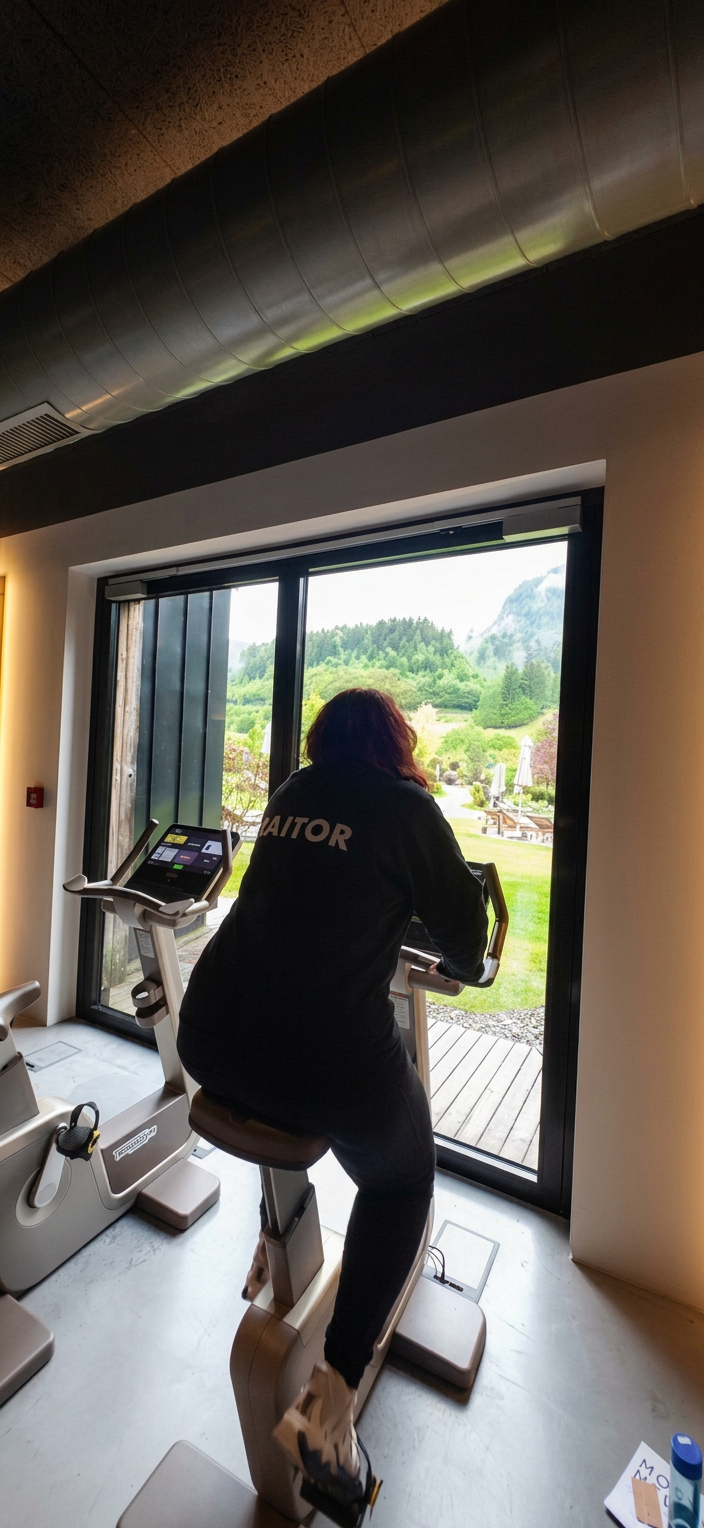
Movement and recovery are intentionally interconnected here. Sport is not separate from this; rather, it enhances it. Health encompasses both the mind and body. They say, “the body keeps the score.” In this context, sport is not just about performance; it involves data, awareness, and refinement. The gym experience is stripped down to its essentials: repetition, resistance, and control. Movements are measured, sometimes almost clinical, as the body learns to manage weight and gravity in a straightforward, unembellished manner. There’s a sense of effort that is gathered and contained, something that can be gradually refined rather than avoided.
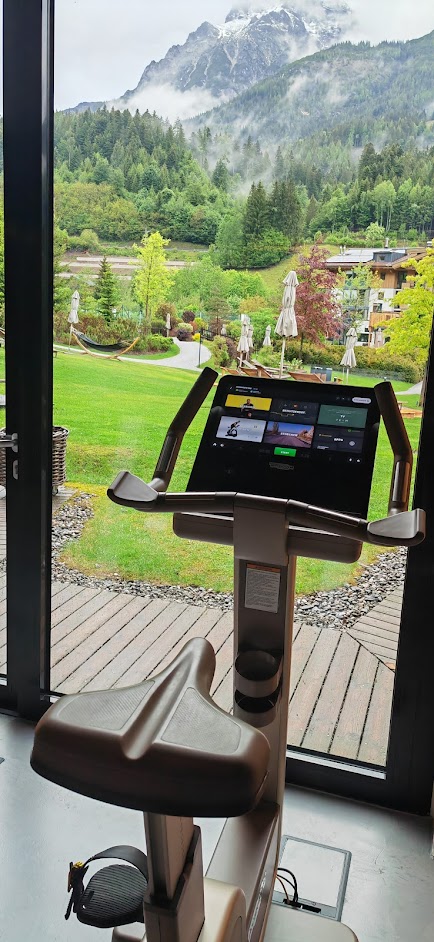
Beyond the glass, the world opens out. Mountains sit in the distance, steady and indifferent, holding their shape against everything human and temporary. The glass becomes a quiet divider between two realities: one of immediate physical struggle and one of vast, unbothered stillness. Even looking at them mid-set feels like a pause in scale, as if the body briefly remembers how small its battles are.
When athletes want to get fitter, altitude training is a useful tool. The hypoxic session is to support my breathing and recalibrate my system. It also helped me slow down. My mind races at speed; here, I wanted it to slow. After hypoxic sessions, the body feels subtly recalibrated- lighter, more efficient, breath itself more intentional. There is a heightened awareness that follows you into everything else: walking, training, even resting.
Lying still as oxygen levels subtly shifted, what sounds clinical becomes almost meditative. The body is gently challenged into adaptation -less oxygen, more awareness. Breath is no longer automatic; it becomes something observed. Something chosen.
At first, there is restlessness: the urge to correct, to do, to intervene. But slowly, that dissolves. The nervous system begins to reorganise itself around stillness. Thoughts lose urgency. The body stops bracing. It is not dramatic. It is quite a recalibration. A controlled form of stress that teaches the system how to return.
Sport as Personal Calibration
Similarly, I wanted to find out what was making my body sluggish and unable to lose weight. uVida was a tool to help you find what works for your unique body. It’s not about optimisation in the loud sense. It is about alignment- bringing physiology, effort, and recovery into the same conversation. The uVida system reads the body like a living map: stress load, recovery capacity, movement patterns, and physiological responses are translated into a personalised training profile. Unfortunately, I had eaten too much before the appointment, so I have to leave this until next time.
Movement as therapy
Then reformer Pilates shifts the tone entirely. The machine becomes an assistant rather than a challenge, guiding movement with a kind of quiet intelligence. Heavy legs begin to move like a ballet dancer rediscovering forgotten lines -supported, elongated, almost lyrical in their weight. There’s something unexpectedly emotional in it: being placed into shapes you wouldn’t normally reach, not through force, but through assisted possibility. Effort softens into precision. Strain gives way to release. And for a moment, movement stops feeling like something you endure and becomes something that carries you.
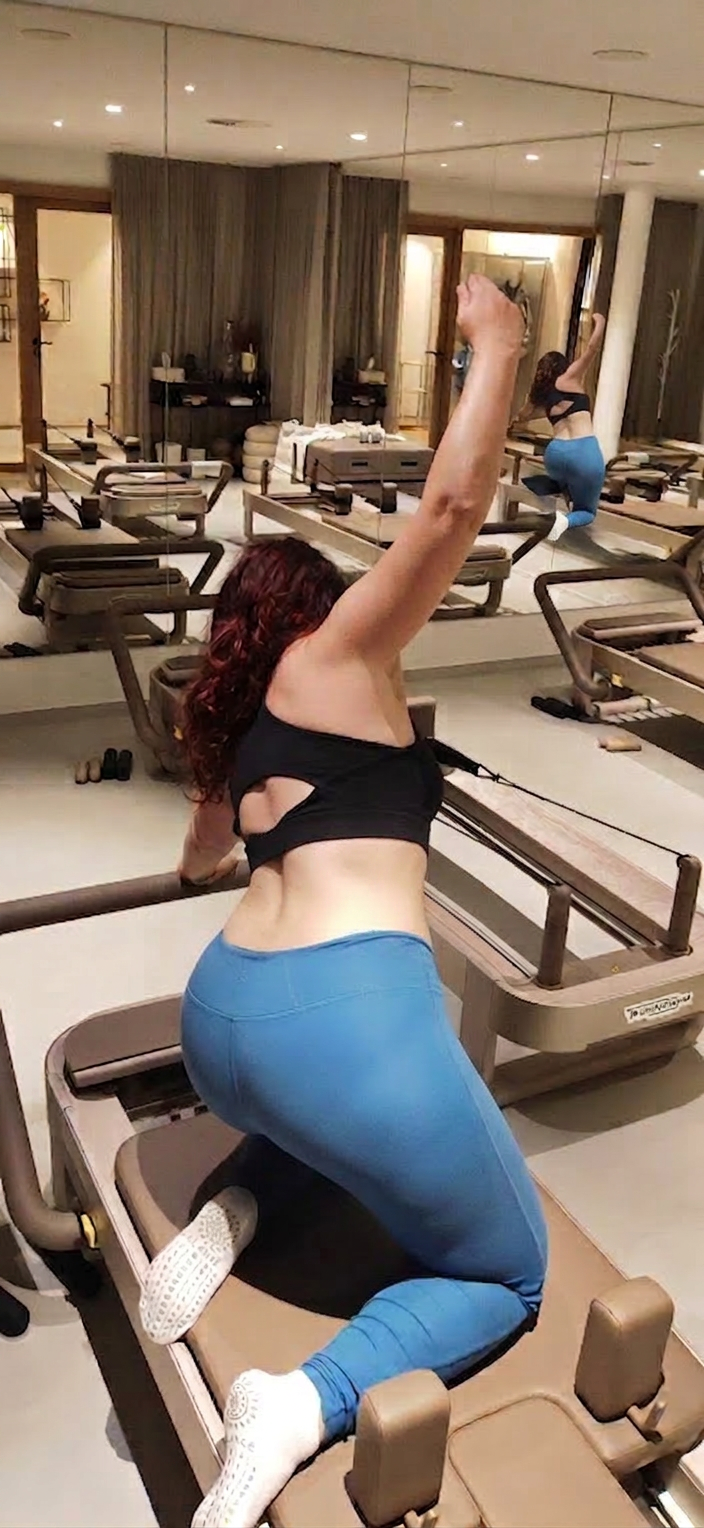
I also loved starting the day with the fitness team’s energy and strength training, which helped me focus on building my strength. Strength training feels less like repetition and more like feedback -how the body responds, where it resists, where it opens. There is a sense that you are no longer guessing your limits; you are meeting them in real time. Strength work becomes measured rather than forced, and the energy of the room is balanced by the watching Buddha.
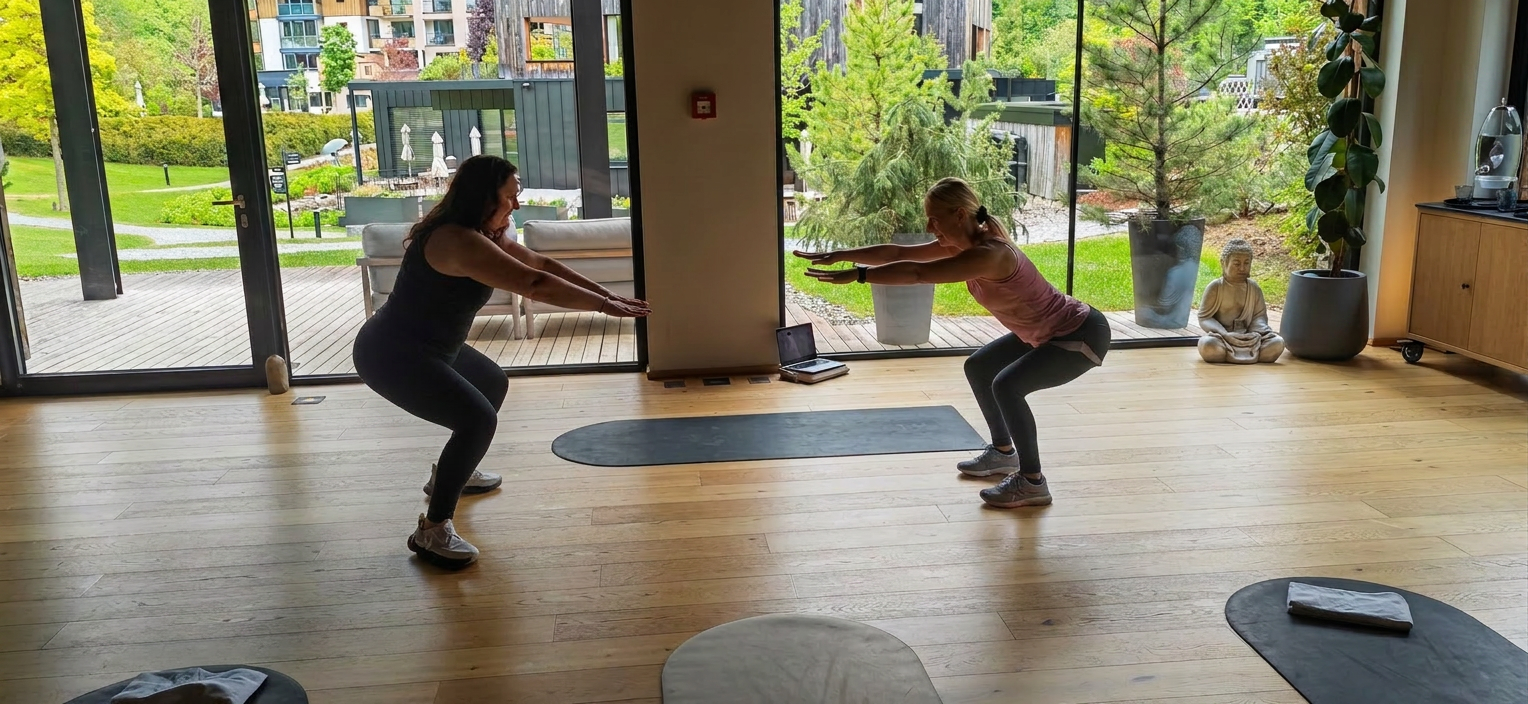
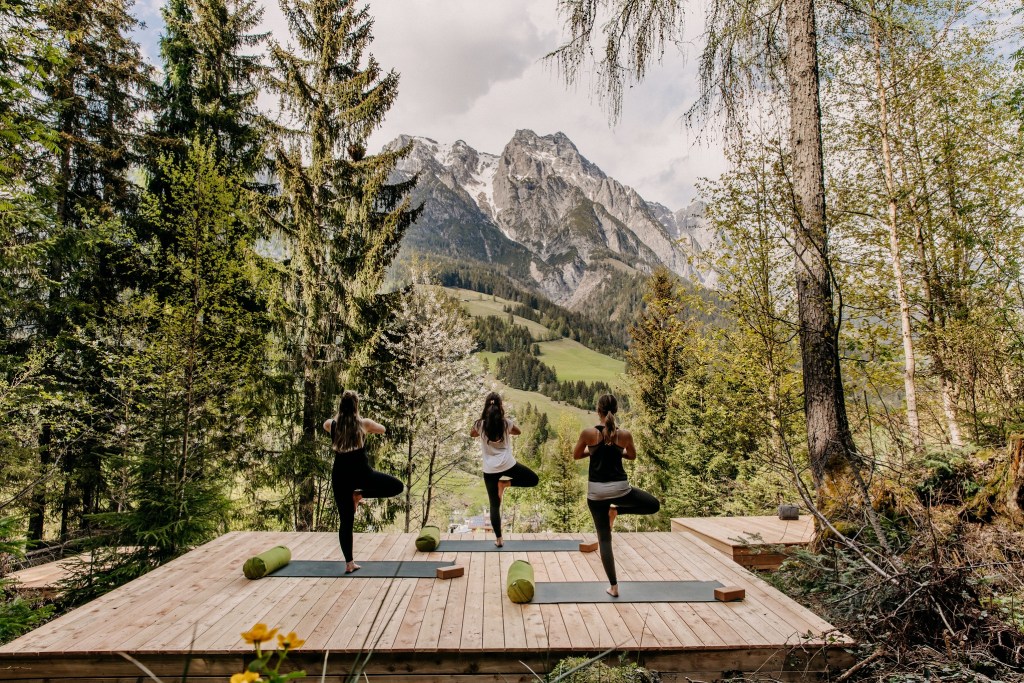
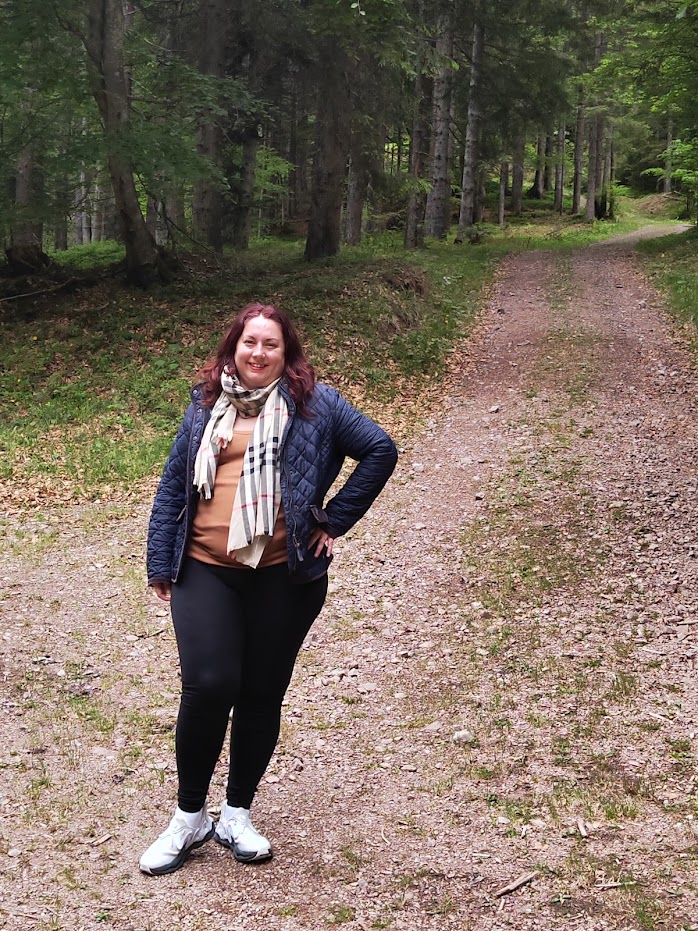
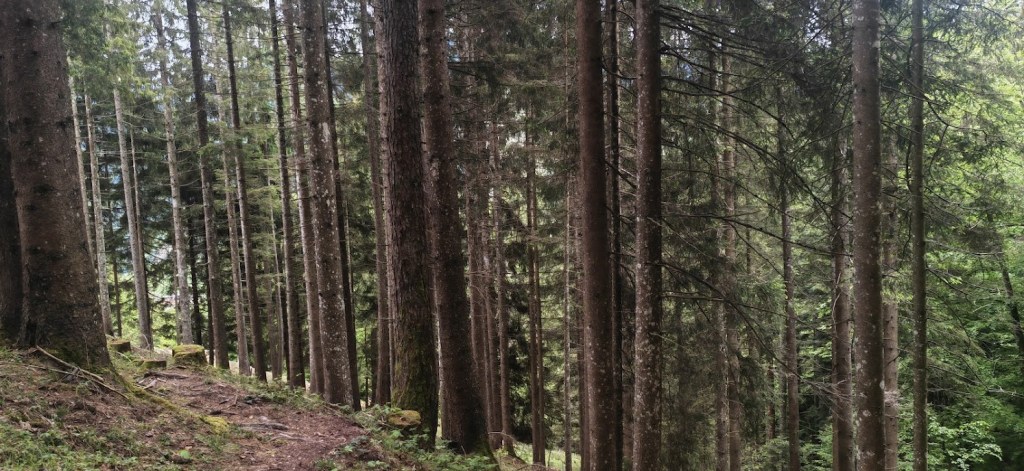
Outdoor activities here are simply better. One of my favourite moments was putting on my hiking boots and exploring forest trails with Klaus’s group. Walking through the forest air is incredibly restorative- breathing deeply, settling into a rhythm, and allowing the nervous system to reset as we follow the terrain. We moved together, exerted ourselves climbing uphill, and bonded through shared exercise. The Austrian hills look stunning with wildflowers, and the resort comes into view at the top. During the descent, we shared lots of laughs and exciting stories.
Riding beneath the Alpine sky
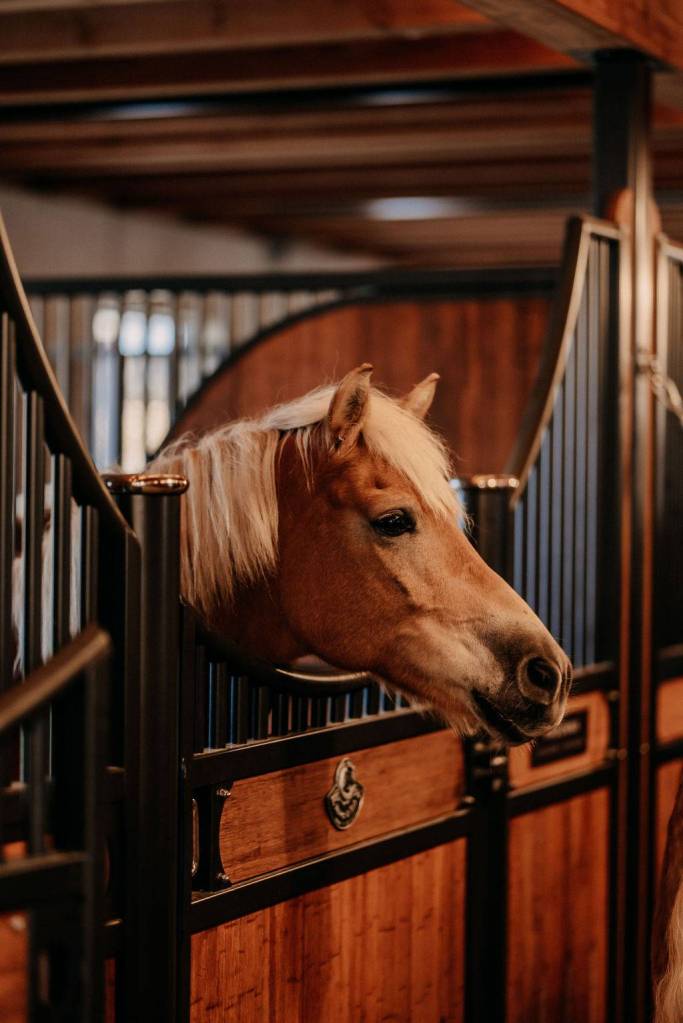
One of the most grounding experiences came through horse riding. Meeting Saphir felt significant immediately. She carried calmness, intelligence, and autonomy and being around creatures made me calmer. The moment I mounted, I felt her energy – instinctive, powerful, completely alive. The experience demanded presence. There was no illusion of mastery; only negotiation through breath, rhythm, and movement, and she had her own mind, just like me, not easily tamed or conformist -which I loved. Something unspoken passed between us- instinct recognised instinct. In motion, I felt free.
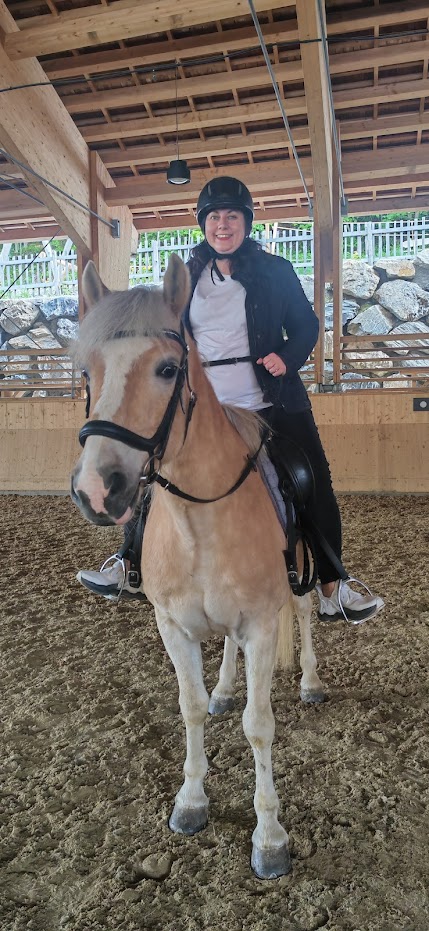
With alpine peaks behind us and wind moving through our hair, thought slowly dissolved into rhythm. I stopped trying to manage the experience and began responding to it instead. Trust was formed between us, and after she returned to her hay.
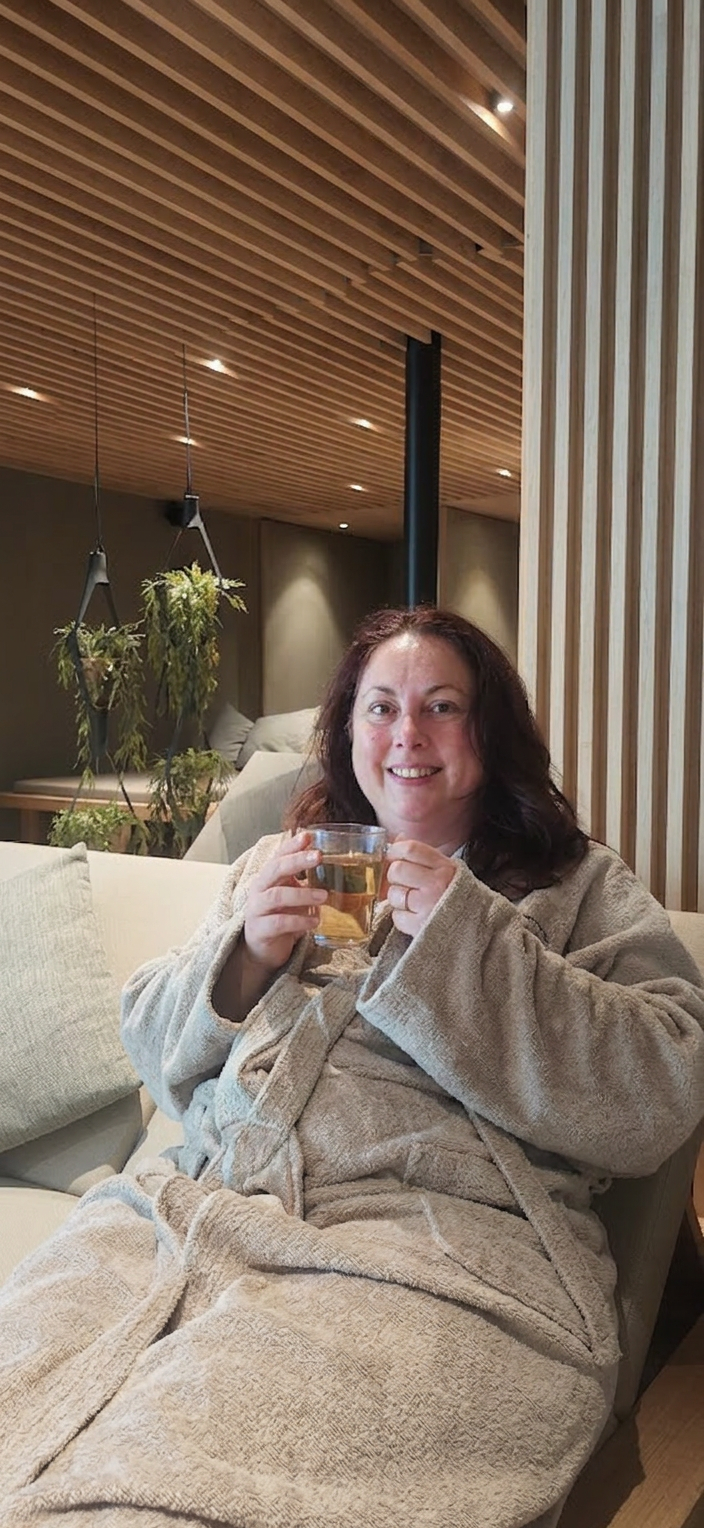
There was healing through touch, too. The massage I received felt deeply therapeutic rather than superficial. My spa therapist worked intuitively through layers of held tension with strength and precision, as though he understood exactly where the body had been compensating for too long. The release was immediate. Afterwards, there was a sense of internal space returning, something unclenching that I had not realised was still bracing.
“You carry a lot of stress here,” he said. He was right, but he worked it all out, and I felt amazing. The body keeps the score.
Food as Grounding
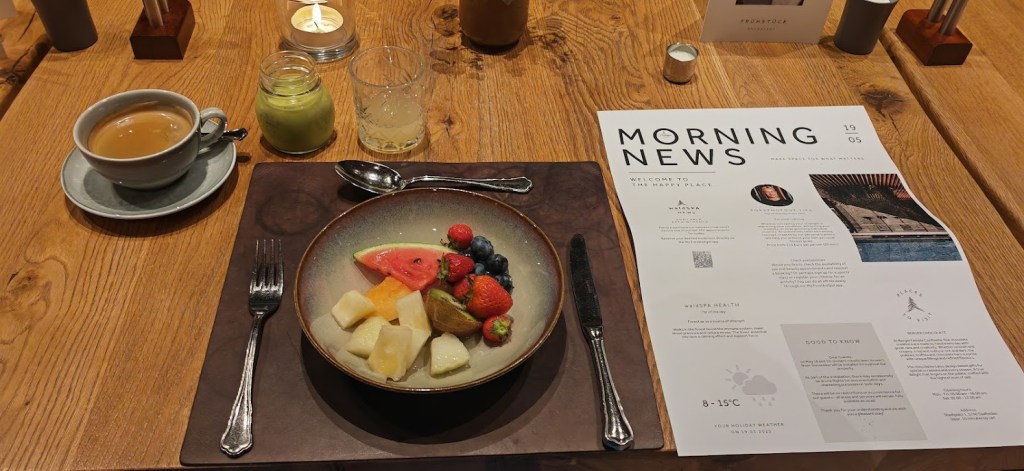
Meals here are shaped by restraint and place. Breakfast at the Delicacies Market is abundant but never heavy: choose from alpine cheeses, eggs, grains, fresh breads, juices, and lots of fruit and cereals; it’s food designed for energy and restoration rather than indulgence for its own sake, with a morning paper on the table with all the news and menus.
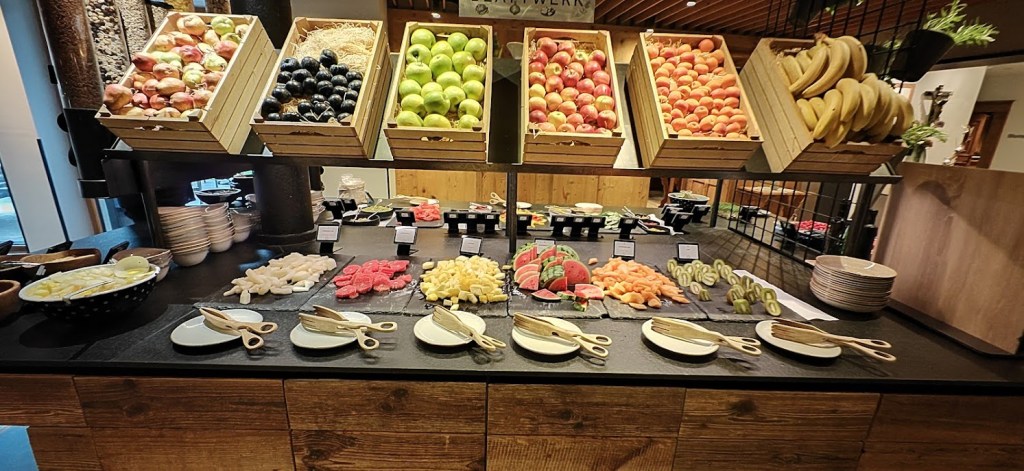
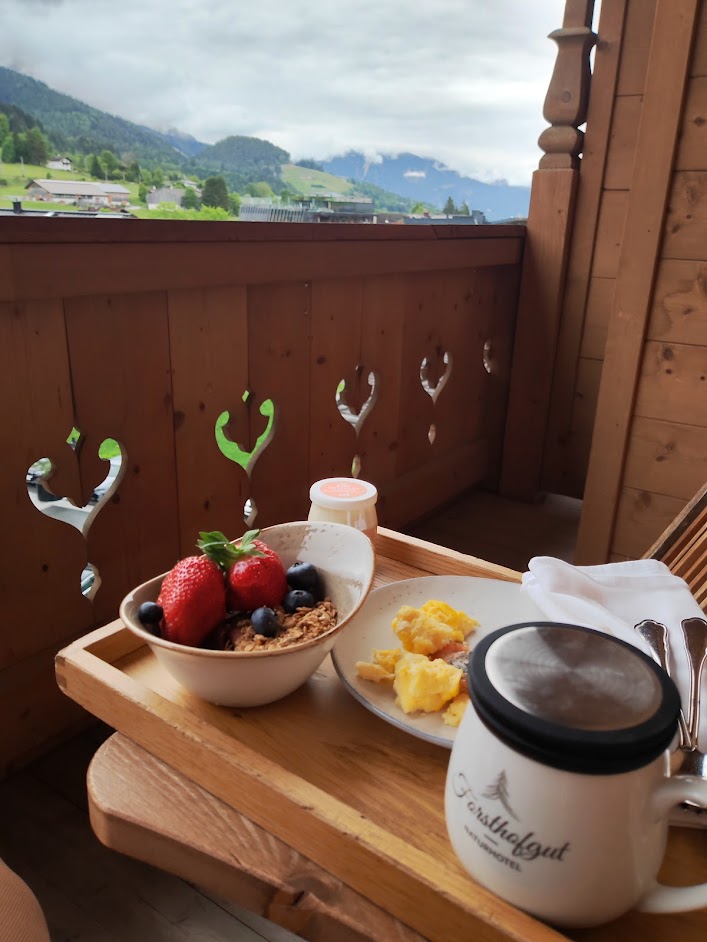
I stacked my tray with beetroot juice, ginger shots and kale drinks as well as protein eggs and delicious salads. It was perfectly nutritious and balanced. On another day, I sneaked back some fruit and granola to eat on my balcony, just admiring the view.
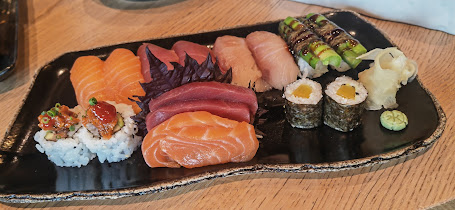
One day we ate in Mizumi, the Japanese restaurant—teppanyaki and sushi that arrived fresh and colourful, accompanied by a beautiful Japanese green tea, a quiet reminder that the hotel’s philosophy extends beyond Alpine borders.
The restaurant overlooks the water, and the setting alone changes the tempo of the meal. It felt like stepping into another rhythm entirely: sushi prepared with quiet precision, teppanyaki unfolding like a performance without spectacle. Even the green tea held its own stillness, as if time had been briefly decanted into a cup.
Sharing that space felt communal in a different way. Conversation softened, attention sharpened. Outside, the water shifted slowly beyond the windows, while inside, flavour arrived in deliberate, measured waves—each moment unhurried, intentional, and complete in itself.
There are three à la carte restaurants to choose from, 1617 – the year the farm was founded serves traditional Austrian tableside food, while lunch is not part of the half-board accommodation, an à la carte menu is available, guests are offered a sweet or savoury snack and cake from 2.30 pm.
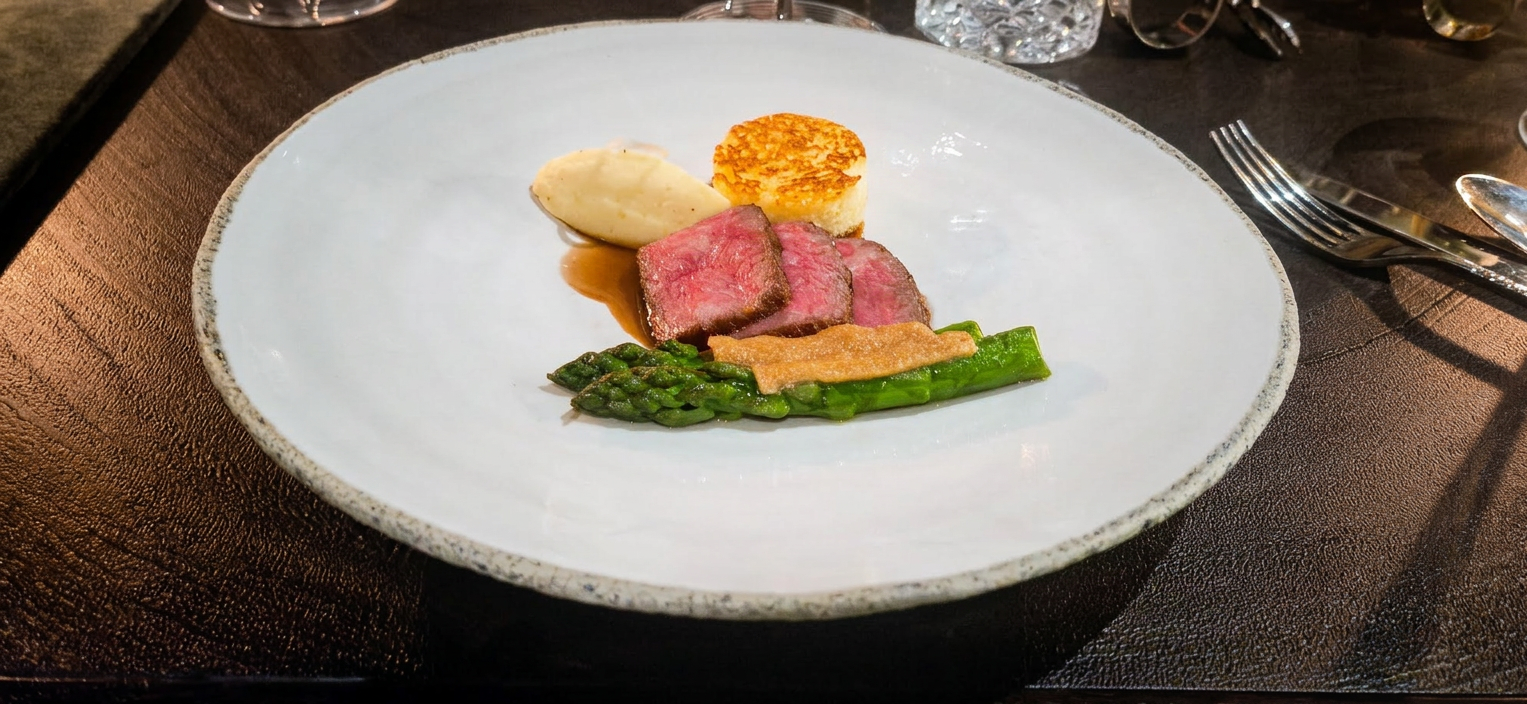
But it is silva is the emotional final chapter of the experience. The restaurant is intimate, almost secret. Head chef Michael Helfrich leads a kitchen that translates the forest into food – wild herbs, smoke, pine, mossy earth tones, meat, fish and vegetables which nourish and delight the senses at once. We enjoyed fabulous fish dishes with caviar and the most sublime Wagyu beef while Johann Koller guided the evening with a calm presence, delivering plates to the table with ease and sharing his deep knowledge of wine, spanning the old and new worlds, as well as regional delicacies. There are also non-alcoholic beverages -magical concoctions that make drinkers envious.
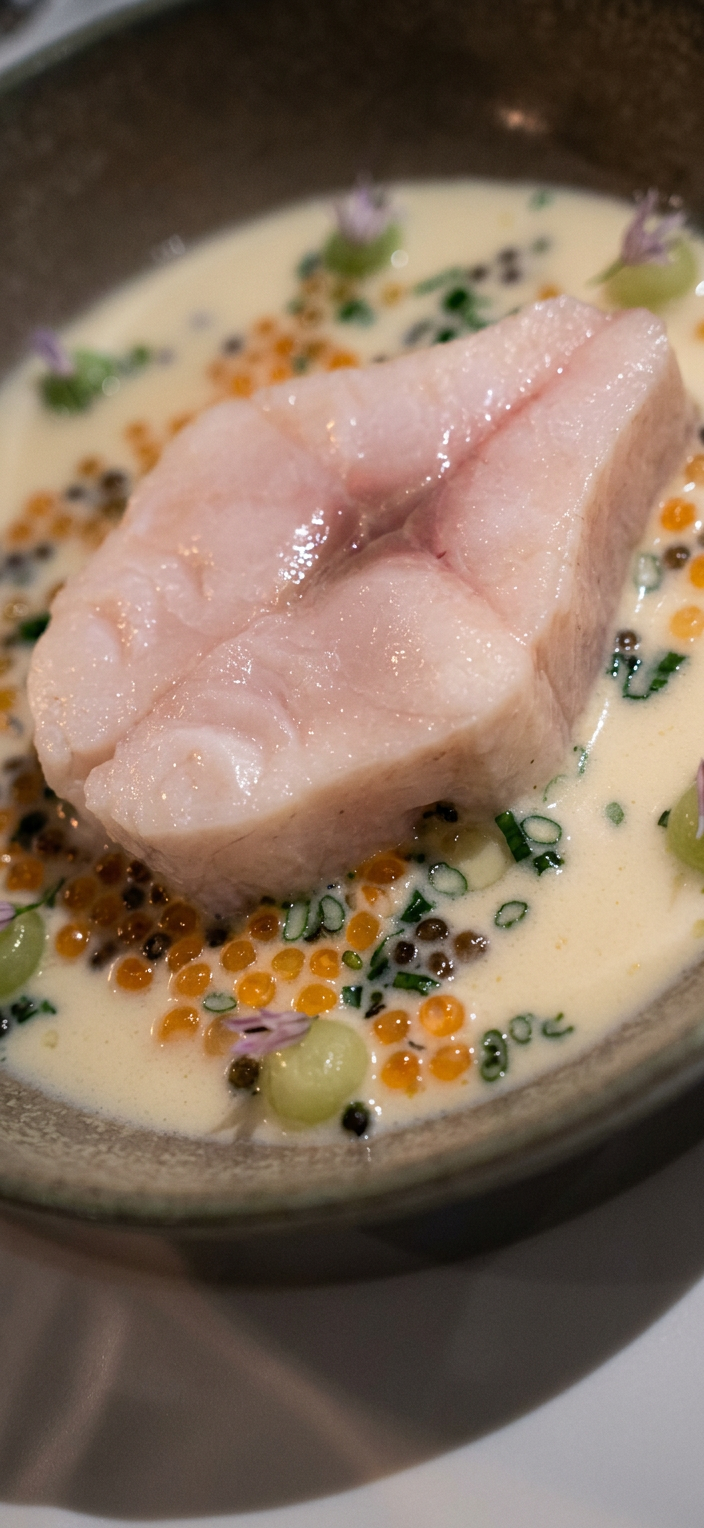
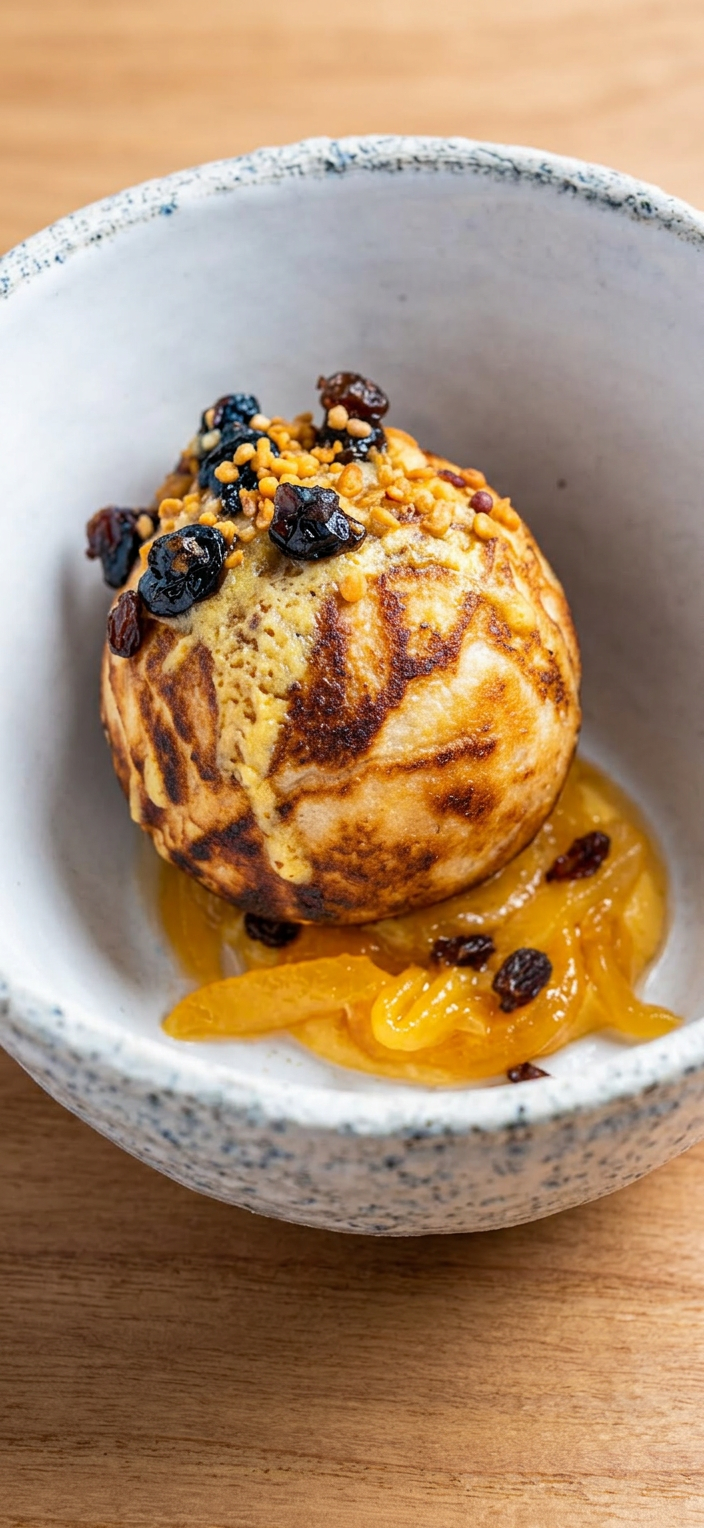
Meanwhile, pastry chef Birgit Tüchi adds a final, almost dreamlike precision to dessert. Recognised by Gault&Millau for its nature-led refinement, Silva feels less like a restaurant and more like a story told in courses. Each plate arrives like a fragment of the forest landscape – something foraged, something transformed, something remembered.
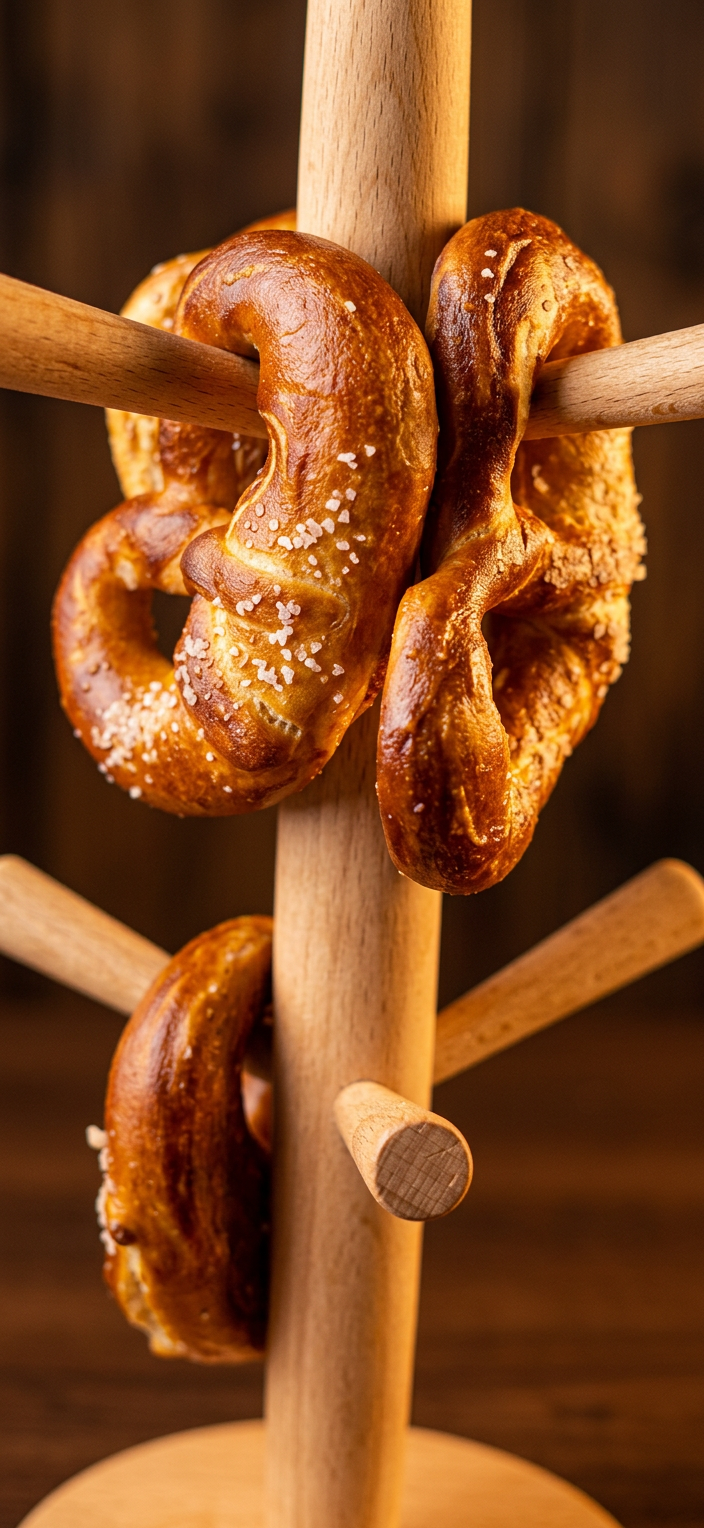
Guests can choose between two seasonal tasting journeys: the Wald (Forest) menu and the vegetarian Wiese (Meadow) menu. Crafted more like a narrative than a traditional sequence of dishes, with each course revealing another layer of the culinary experience. It all begins with small kitchen greetings and warm, fresh pretzels served with whipped butter and delightful sweet bread.
This introduction unfolds into a series of thoughtfully composed dishes featuring ingredients such as Wagyu beef, venison, fermented vegetables, wild herbs, consommés, and seasonal produce that change with the seasons. Focused on alpine ingredients and the rhythms of nature, the courses may also include lake fish.
By the time dessert arrives, guests can choose between a sweet finale or a savoury course of delicate cheese puffs, offering an unexpected and distinctly Alpine alternative to the traditional ending of a tasting menu.
The rhythm is slow and deliberate. Nothing rushes. The room itself encourages attention inward, with soft lighting, natural materials, and acoustics that gently soften the world outside.
By the final course, there is no crescendo – only quiet completion. A sense that something has been moved through rather than simply consumed. Yet silva is not defined by stillness alone. Each morning begins with a thoughtfully prepared newsletter delivered to guests, outlining the day ahead and reinforcing the hotel’s deeper philosophy of intentional living, connection, and wellbeing.
We began with Ruinart Champagne and continued with a curated selection of sparkling and still wines from leading European and international estates. Alongside this runs a fully integrated non-alcoholic pairing, built with the same intention and precision: sparkling teas, botanical infusions, ferments, shrubs, and alpine ingredients such as herbs, citrus, spruce, and green tea. It is not an alternative but an equal-tasting journey in its own right.
Everything returns to the same principle: rest and digest. A slowing down. A reminder that nourishment is not only about what is served on the plate, but how it is experienced.
Rituals of Return
Evenings at the hotel are wonderful. We were graciously hosted by the Schmucks for canapés and cocktails, and live entertainment is on most nights. The bartenders are attentive and create incredible cocktails.
Tom was especially great at looking after me, thanks to his impressive selection of drinks. All the staff are very friendly, and nothing is too much trouble for them. I enjoyed sitting outside in the sunshine, sipping a cocktail and taking in the beauty of the place.

Across the stay, rituals thread everything together: cocktails by the pool as light drains from the sky; herbal infusions after movement; sauna heat rising into cold alpine air. Each transition is its own kind of recalibration – tension, release, return and a rhythm forms.
And gradually, almost imperceptibly, something shifts.
My breath slows. My body stops bracing. My thoughts lose their edge.
I am not being rebuilt. I am being reconnected.
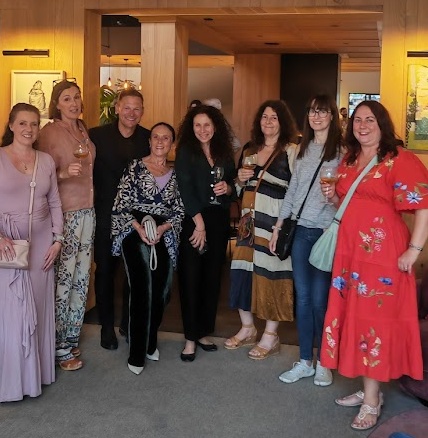
And somewhere between mountains, water, stillness -and a bundt cake still warm in a quiet room -I find my way back into myself and new friends made on the trip.
Find out more at: https://www.forsthofgut.at/en/
Naturhotel Forsthofgut offers double rooms from €295 per person per night based on two sharing for stays of seven nights or more. Three to six nights are from €315 per person, and overnight stays from €295.
The Health Escape, available from mid-March to early July and from early September to late November, is priced from €1,050 per person (two sharing) for three nights and includes a cryotherapy session, a TechnoGym body analysis, a hypoxia session, and a consultation with the waldSPA Health Manager.
W – www.forsthofgut.at/en
E – info@forsthofgut.at
T – +43 6583 8561.


Leave a Reply