By Donna Richardson
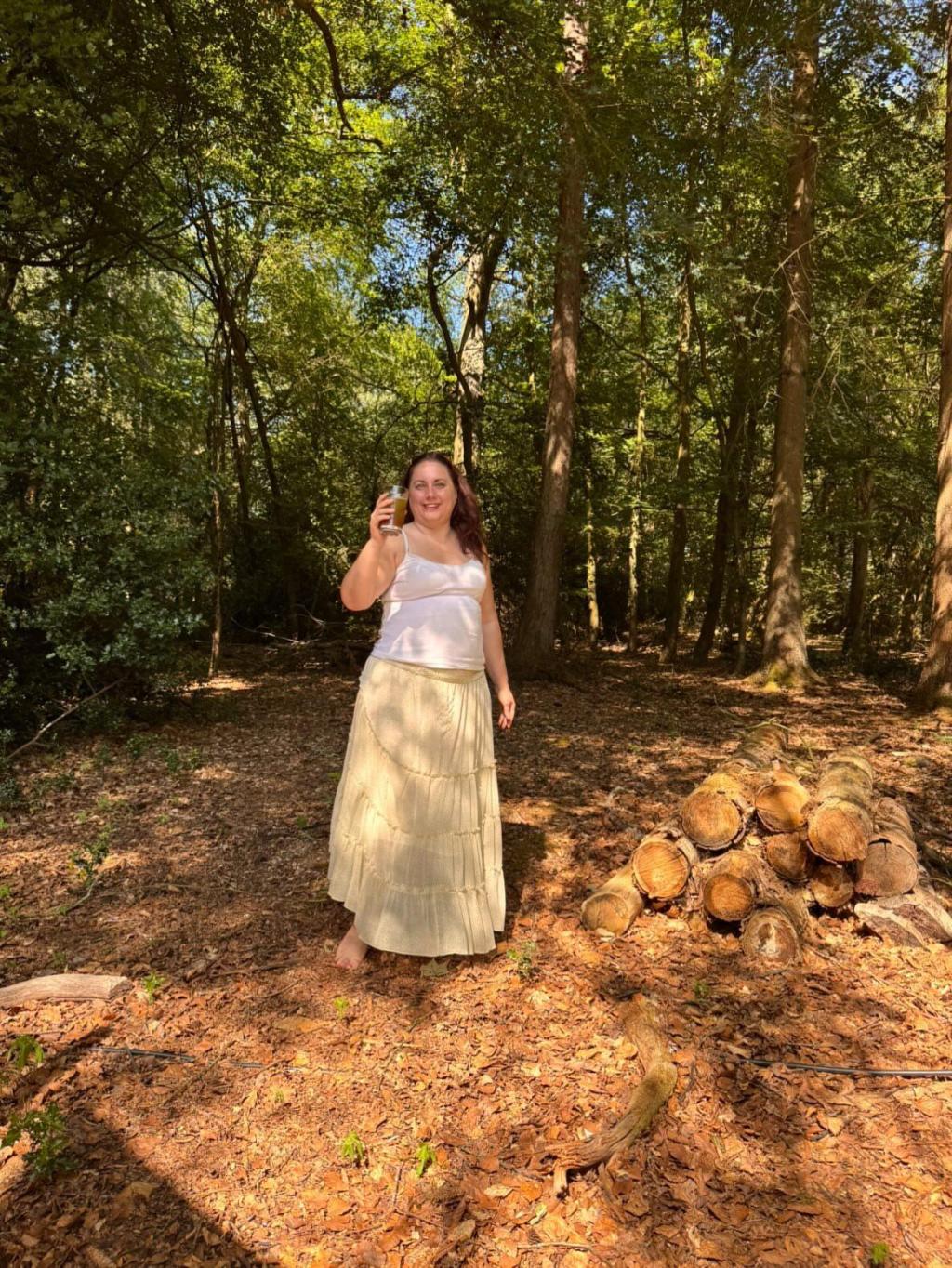
Hidden deep within the woods of Buckinghamshire, the UK launch of Eha felt less like an event and more like stepping into an old legend. Beneath towering trees at Nomadic, smoke drifted through the forest canopy while the scent of pine, fire, and earth settled into the evening air. Conversations softened. Time slowed. Nature took over.
On a warm, sunny day in the English countryside, nature seemed to welcome all of us simply to be present, to slow down, to quiet the mind, and to reconnect with ourselves beneath the trees. There was a feeling of calm carried through the woodland, but also energy, something restorative in the air that encouraged reflection, stillness, and connection.
It was the kind of atmosphere that made an ancient Estonian saying suddenly feel real: the forest is the Estonian’s church.
For centuries, Estonia’s relationship with nature has been shaped by folklore, myth, and pagan traditions rooted deeply in the land itself. Long before organised religion arrived, sacred groves known as hiis were protected forest spaces where people gathered for ritual, healing, storytelling, and spiritual connection. These woods were believed to hold unseen energy and ancient wisdom, places where the boundary between the physical and spiritual world felt thinner.
Estonian mythology itself is rich with stories passed through generations, a blend of folklore, spiritual belief, nature worship, and oral storytelling deeply connected to the land. Forests, coastlines, lakes, and sacred stones all carry meaning within these ancient tales. Many stories speak of guardian spirits watching over the wilderness, mythical creatures wandering deep forests, and unseen energies tied to nature itself.
In Estonian folklore, forests were never empty. They were alive with spirits, legends, and quiet mystery. Stories spoke of wandering forest guardians, ancestral souls carried on the wind, and sacred fires glowing deep within the wilderness. Old legends told of travellers hearing songs drifting through the trees at dusk, or finding hidden stones believed to hold protective power. On islands like Hiiumaa, stories of sea spirits, ancient healers, and mystical beings passed between generations for centuries, becoming woven into daily life and the landscape itself.
Nature was not only valued for survival but also regarded as something sacred.
That same spirit could be felt here. Even though Hiiumma is over 1,000 miles away, there was a stillness woven into the retreat, grounding, primal, almost mythic in its atmosphere. Firelight flickered against the trees while smoke curled through the darkness like something ancient awakening. The woods seemed to gather everyone together beneath their branches, as though the old stories of Estonia had travelled silently across the Baltic Sea into the Buckinghamshire forest.
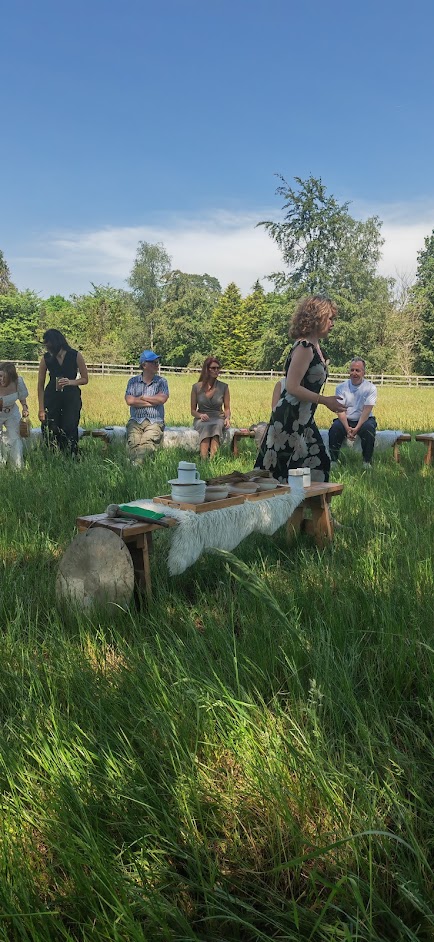
In a secluded wooded glade, guests gathered together in a spiritual circle surrounded by trees and firelight. There was a quiet sense of reflection and connection, not performative or forced, but something deeply natural. For a moment, strangers met as one beneath the canopy, sharing silence, stories, and stillness together in the heart of the woodland.
Wild flowers cascaded through the glades and along the forest floor, adding softness and colour to the untamed landscape. Their beauty felt effortless, as though the woodland itself had arranged them there. Between the smoke, candlelight, and scattered blooms beneath the trees, the setting felt almost dreamlike, suspended somewhere between folklore and reality.

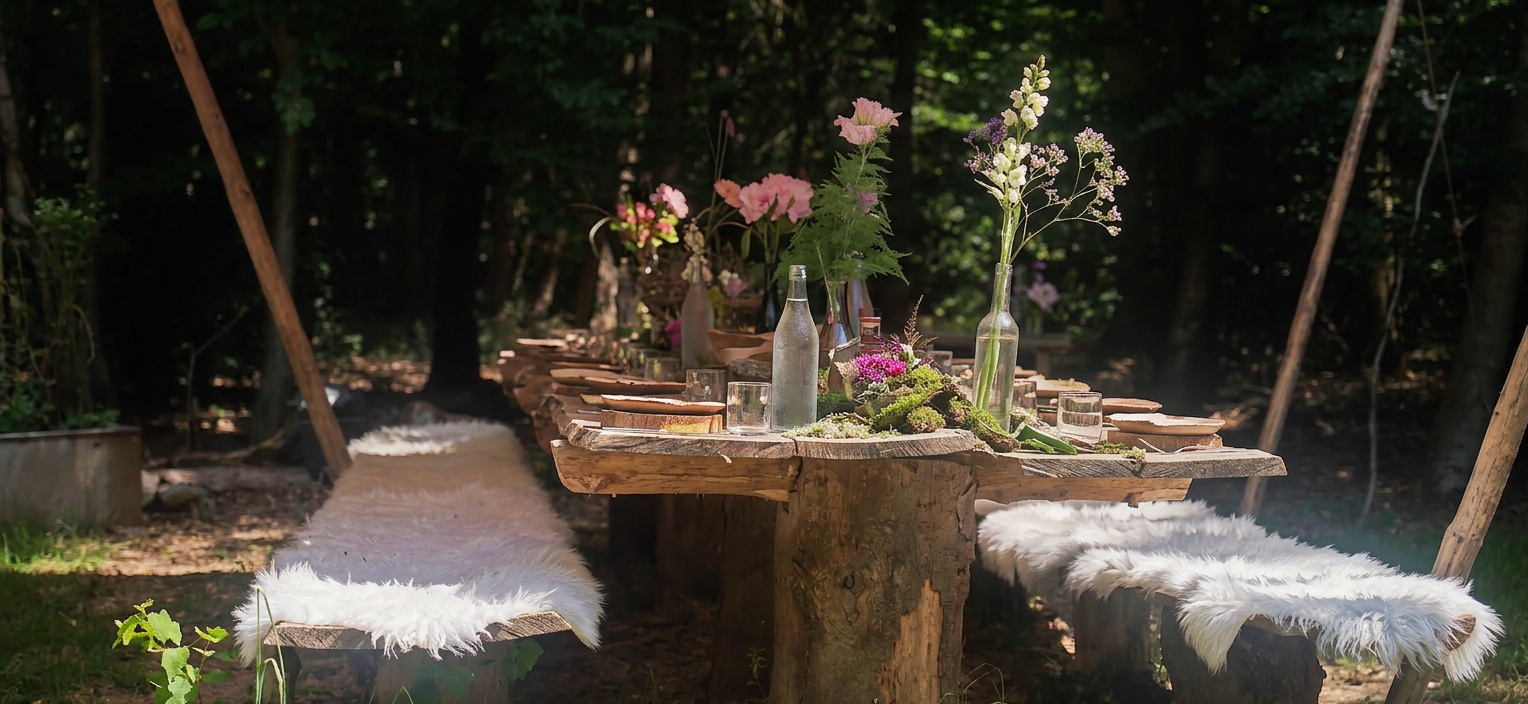
Afterwards, we sat together to eat beneath the trees, gathered around long tables glowing softly in the forest light. The tables were beautifully set with wooden placemats, flickering candles, and wild roses woven delicately through the setting. There was something wonderful about dining in nature like this, stripped back, grounding, and deeply human. The forest seemed to soften everything. Conversation became slower, laughter warmer, and the simple act of sharing food together felt far more meaningful beneath the canopy of trees.
Smoke drifted through the woodland as dishes arrived, each one reflecting the wild beauty of Estonia’s landscapes.
When I spoke to Eha cofounder Eva Maran, she explained that the retreat was created to reconnect people not only with nature, but with a slower, more meaningful way of living. She spoke about Hiiumaa as a place where folklore, landscape, and daily life still exist side by side, where the forests, coastline, silence, and changing seasons shape the rhythm of the island itself.

Hiiumaa is often said to experience five seasons rather than four. Alongside spring, summer, autumn, and winter comes the dramatic springrise season, when rising waters transform the landscape and nature briefly takes over once again. Forest paths flood, coastlines shift, and the island changes character entirely. Like much of Estonian folklore, the seasons are deeply connected to nature’s rhythms and remind people to live in harmony with the land rather than against it.
Fully immersed in the serene beauty and untouched wilderness of Hiiumaa Island, you will embark on a transformative journey towards an uplifted and awakened state of being.

I also spoke to the General Manager of Eha retreat, Amber Gauci Ward, who led our woodland meditation, and she said that the launch was going really well., she told me Eha, a new wellness destination set on the remote island of Hiiumaa, a UNESCO Biosphere Reserve in Estonia, will open on 7 September. Eha’s spaces, from serene guest rooms to inviting common areas, are designed with understated elegance, fostering calm, clarity, and a seamless connection to Hiiumaa’s natural beauty.

Designed as a space for immersive, slow-paced restoration, the retreat introduces a programming model shaped by the country’s distinct five seasons. The property features eight suites and three forest cabins, each conceived with a pared-back, sensory-led aesthetic using natural materials, alongside in-room elements such as guided sleep meditations to support rest from the moment of arrival. Each stay begins with a personal wellness consultation, forming the foundation for a personalised programme that evolves throughout the guest journey. At its core, Eha’s approach is centred on restoration and vitality, with circadian rhythm and the nervous system as the starting points. Treatments focus on regenerative, touch-led therapies that work with the body’s innate intelligence, rather than corrective or prescriptive methods.
A seasonal approach to wellbeing
Programming is shaped by Estonia’s changing landscape, with each season bringing a distinct focus. Autumn centres on clarity and recalibration, drawing guests outdoors for forest bathing, bog walks and mushroom foraging, alongside grounding movement practices and evening rituals including sound journeys, breathwork and stargazing. Winter shifts towards deep rest, with an emphasis on sleep and nervous system regulation, supported by gentle movement, red light therapy and restorative treatments such as botanical oil massages and honey body wraps. In Springrise — Estonia’s brief fifth season — the programme becomes more introspective, focusing on renewal through lymphatic and fascia flow, breathwork and grounding treatments, alongside activities that connect guests to the land, such as sap collection and herb blending. As the landscape shifts into spring, the focus turns to revitalising and renewed energy, while summer adopts a more expansive rhythm, shaped by long days and outdoor experiences that foster vitality and openness.

And although Hiiumaa sits far away on the Baltic Sea, for one afternoon the spirit of the island seemed to travel across the water and settle quietly within the English woodland. You could feel it in the smoke-filled air, the candlelit tables, the stillness between conversations, and the sense of reverence held beneath the trees.
At the heart of the event was food created by Estonian Green Michelin Star chef Peeter Pihel, whose dishes reflected the raw beauty and folklore-rich landscapes of Hiiumaa, Estonia’s mystical island known for its dense forests, rugged coastline, and deep cultural traditions. Every plate felt connected to the land itself, elemental, thoughtful, wild, and deeply evocative of the Baltic landscape.

Hiiumaa has long carried an almost mythical identity within Estonian culture. Legends tell of ancient seafarers guided by stars across the Baltic Sea, sacred stones hidden deep within forests, and spirits believed to protect the island’s wilderness. It is a place where silence feels powerful and nature still governs the rhythm of life. Walking through its forests or standing beside its windswept coastline feels less like tourism and more like entering a story that has existed for centuries.
That atmosphere travelled seamlessly into Eha’s UK launch. Smoke beneath the canopy. Shared stories around the fire. Folklore woven quietly into the evening air. A collective sense of slowing down together beneath the trees.
For a moment, modern life dissolved into something far older and far simpler.
And once again, the forest became a church.
Eha is set to officially launch in September, with the team now preparing to welcome guests into this immersive world shaped by nature, folklore, ritual, and connection. If the launch evening was any indication, Eha offers far more than a retreat. It offers an invitation to slow down, reconnect, and rediscover the ancient pull between people and the natural world.
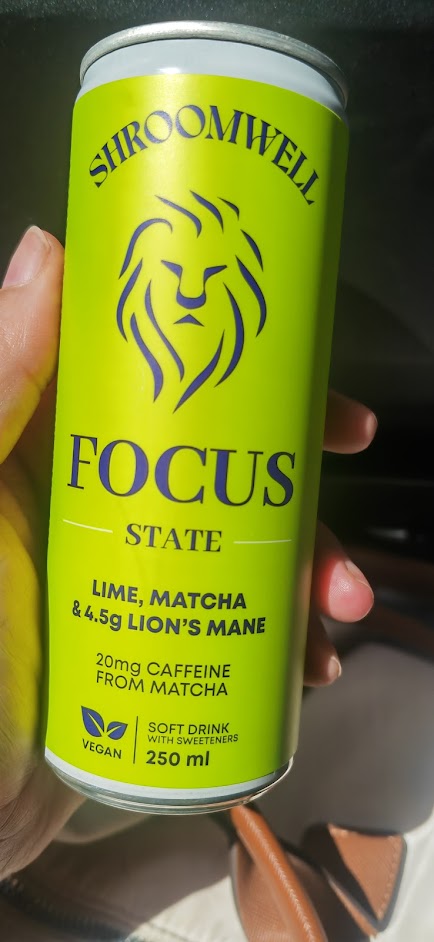
On the way to and from the event, we invited focus from drinking a mushroom drink developed by Eva and her team. I have to say I felt alert for the rest of the day.


Leave a Reply