By Donna Richardson
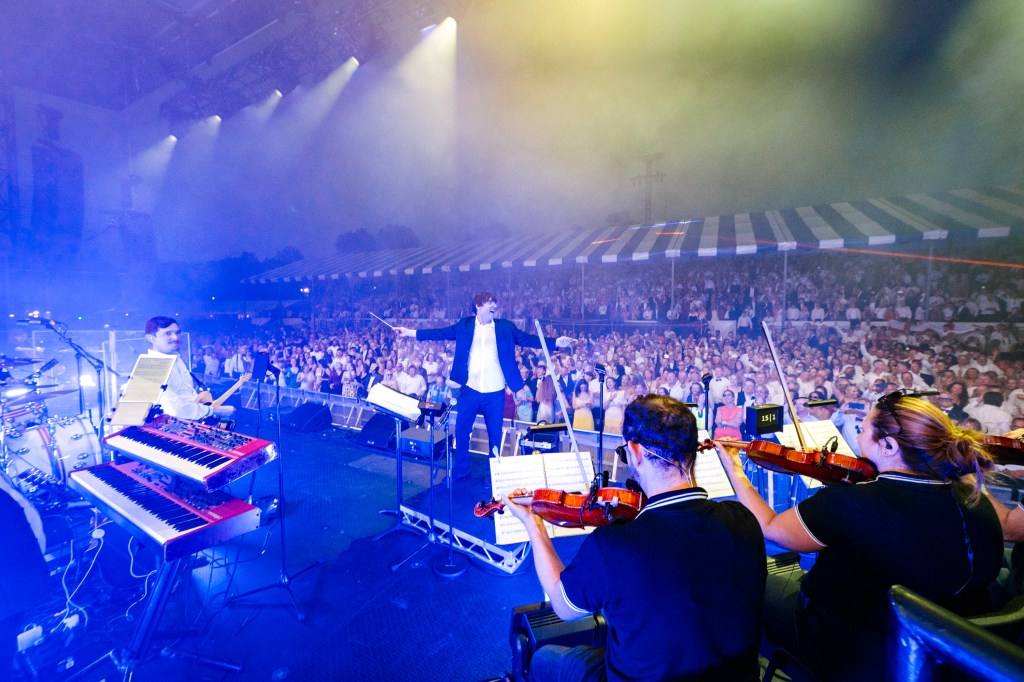
As I looked out across a sea of tailored suits and well-heeled revellers belting out Pulp’s Common People, Blur’s Country House and Oasis’ Roll With It at Henley Festival, I was transported back to the glory days of the 1990s. We were all here for Alex James’ Britpop Classical on a balmy Saturday evening in July.
The so-called Battle of Britpop was the defining moment of a musical movement that captured the mood of Britain in the mid-1990s. In August 1995, Blur and Oasis went head-to-head by releasing singles on the same day: Blur’s Country House and Oasis’ Roll With It. Oasis were widely seen as representing the North of England, while Blur embodied the South, turning the chart battle into a symbolic North-versus-South contest. It was billed by many as the greatest pop rivalry since The Beatles and The Rolling Stones in the 1960s, dominating newspaper headlines, television news and pub conversations alike.
Although Blur won the chart battle, debuting at number one ahead of Oasis, history has largely favoured Oasis, whose album (What’s the Story) Morning Glory? went on to become one of the biggest-selling British albums of all time. Yet the rivalry itself remains one of the defining moments in British popular culture, encapsulating the confidence, swagger and optimism of the Britpop era.
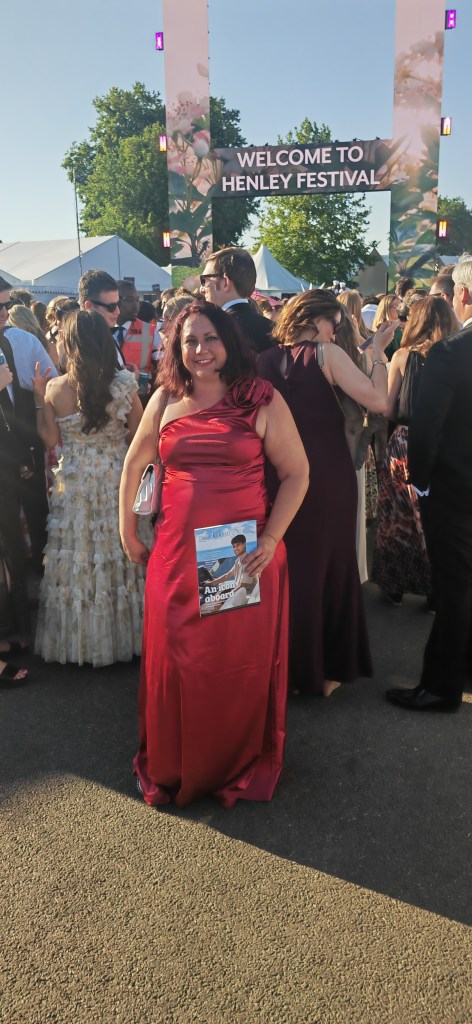
Standing at Henley- arguably one of Britain’s most quintessentially upper-class black-tie events—felt like life had come full circle. As a teenager, Britpop had been the soundtrack to my youth; now, decades later, I found myself surrounded by the very people Jarvis Cocker had so memorably satirised in Common People, all enthusiastically singing every word. The irony wasn’t lost on me. In that moment, class divisions, chart rivalries and 1990s tribalism seemed to melt away, replaced by a shared nostalgia for an era when British music dominated the cultural conversation and every anthem felt like it belonged to everyone.
Part of the appeal of the Battle of Britpop was that it wasn’t just about music—it became a proxy for Britain’s class system. Blur were portrayed as the educated, middle-class, almost “posh” band from the South, while Oasis were cast as the working-class voice of the North.
That image wasn’t entirely manufactured. Damon Albarn and Graham Coxon both studied at Goldsmiths, University of London, while bassist Alex James attended the prestigious public school Cheltenham College before briefly studying at King’s College London. In contrast, Noel and Liam Gallagher grew up on a council estate in Burnage, Manchester, attended local comprehensive schools and went straight into work rather than university.
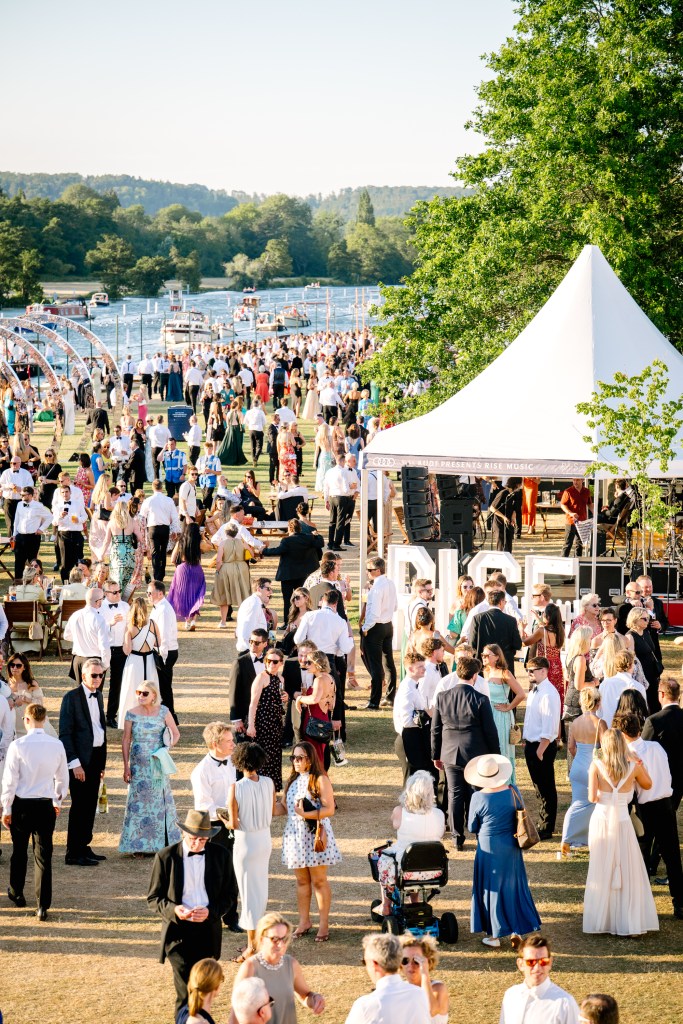
Standing at Henley Regatta, surrounded by tuxedos and ball gowns, champagne and black tie, it felt as though I had stepped into the very world Britpop so often explored and satirised. Yet what struck me most was not the divide, but how irrelevant it had become. The same impeccably dressed crowd sang every word of Blur’s Country House, Oasis’ Roll With It and Pulp’s Common People with equal enthusiasm. Three decades on, the class labels and regional rivalries that once defined Britpop had melted away. The songs had outgrown the stereotypes, becoming part of a shared national soundtrack that everyone -whether from Henley or Hulme—could celebrate together.
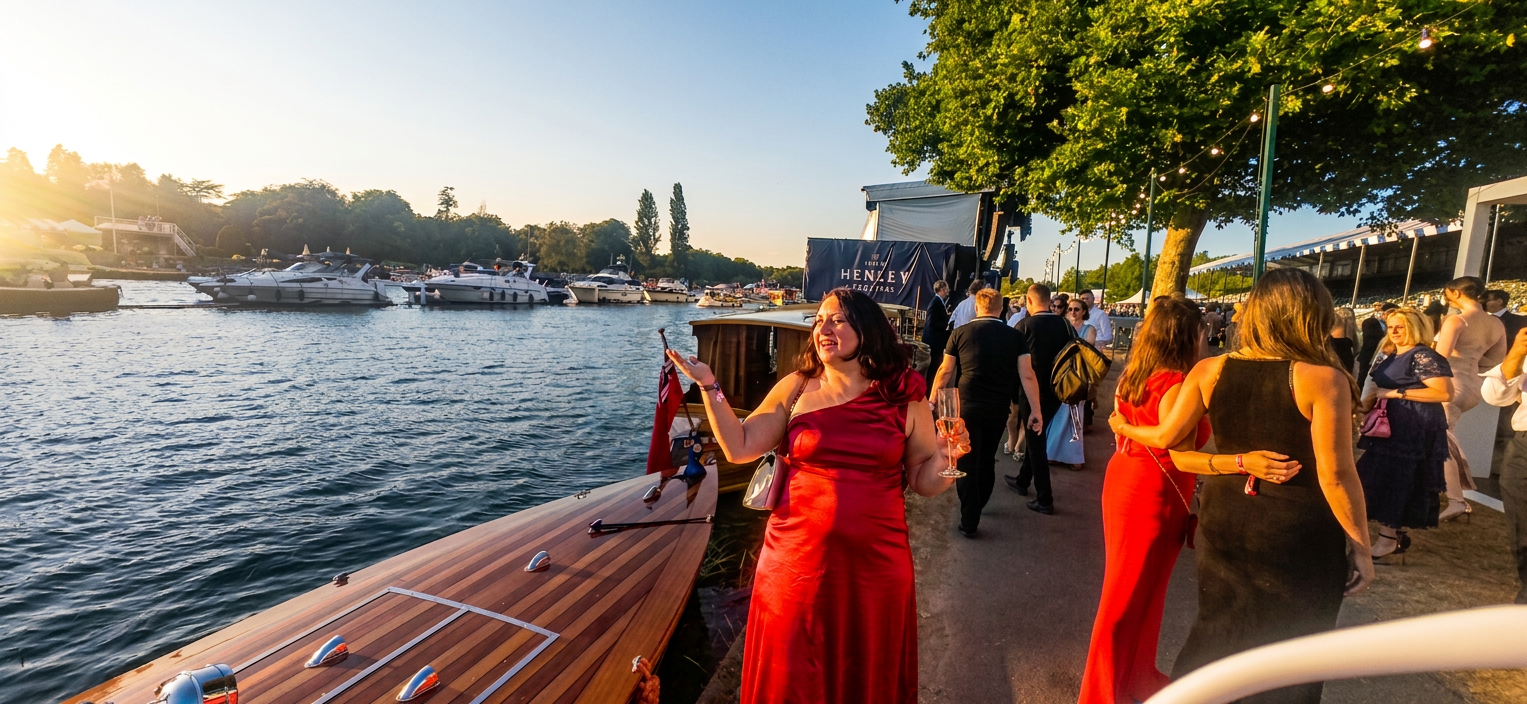
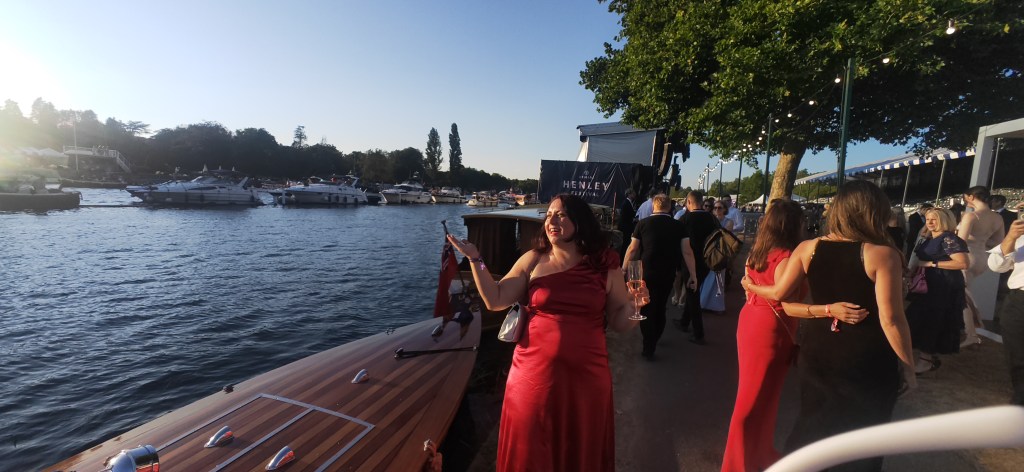
Strolling along the riverbank felt like stepping into a dream, with luxurious yachts shimmering under the sun and elegantly dressed individuals animatedly exchanging laughter and stories. I stopped at the Moët bar, savouring the delightful atmosphere that surrounded me. The sun shone brightly on this perfect summer day, and it was impossible to imagine a more enchanting place to be. As we made our way to the VIP section, the vibrant energy enveloped us, making it feel as though we were part of something extraordinary. Just one year ago, my mum’s friend and I had been here, captivated by Matteo Boccelli and Jamie Cullum’s performance. I was just a normal working-class girl who grew up on Oasis, but now I was in the land of Blur, and this time, however, I returned with a sense of belonging, as if the magic of the moment was meant for me.
The day before, Jo Whiley played the very best of 90s Anthems in the Festival Club, Pure Heaven.
The evening unfolded like a carefully curated celebration of British culture. From 5:45pm, the Audi Presents RISE Music Stage kicked off with Natalie McCool, followed by comedy across the festival grounds with Geoff Norcott at The Paradiso and performances from Aduja, Suzi Ruffell and Remi Bankyln across the various stages.
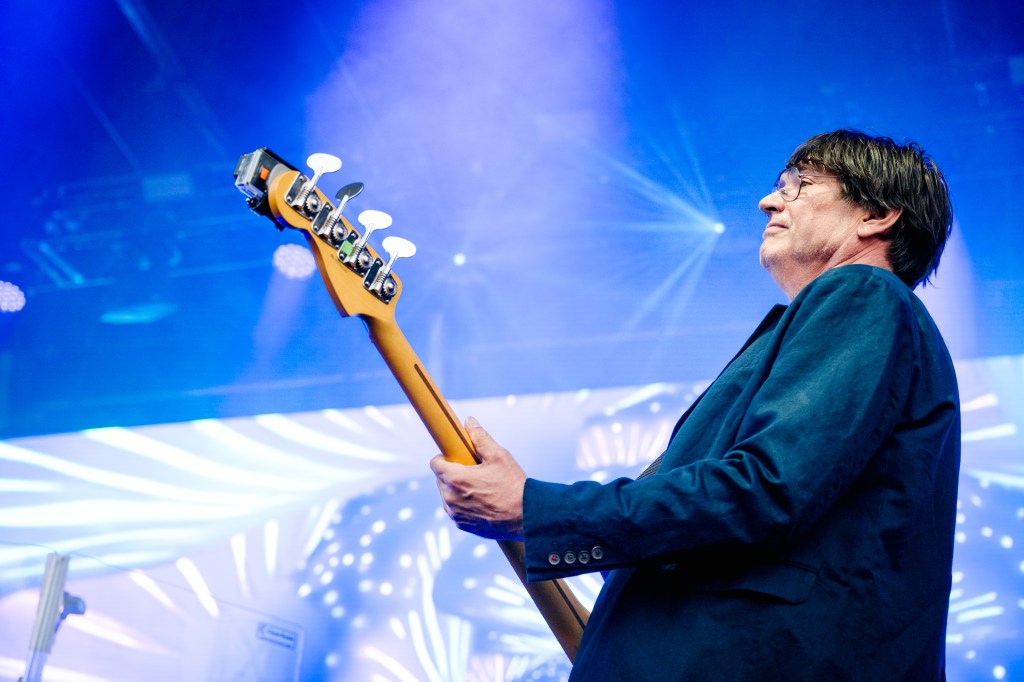
But the real moment of nostalgia arrived at 8:30pm on the Floating Stage with Alex James’ Britpop Classical. Against the backdrop of Henley’s unmistakable elegance, the Blur bassist brought the sounds of the 1990s back to life, blending the anthems of Britpop with a classical setting that felt both unexpected and completely fitting.
The spirit of the era was taken even further with the arrival of Republica, whose explosive mix of rock, electronic beats and attitude recalled the alternative energy of the mid-1990s. Their presence added another layer of Britpop nostalgia to a night already celebrating the soundtrack of a generation.

Then, as Titanium Fireworks were staged earlier than advertised, the festival moved into full celebration mode as England played the quarter-final and won, with DJs and live acts taking over the stages. From Pure Heaven’s Resident DJ to Natty Congeroo & The Flames of Rhythm, Vince Freeman and Black Gloss Wardrobe, the night continued into the early hours.
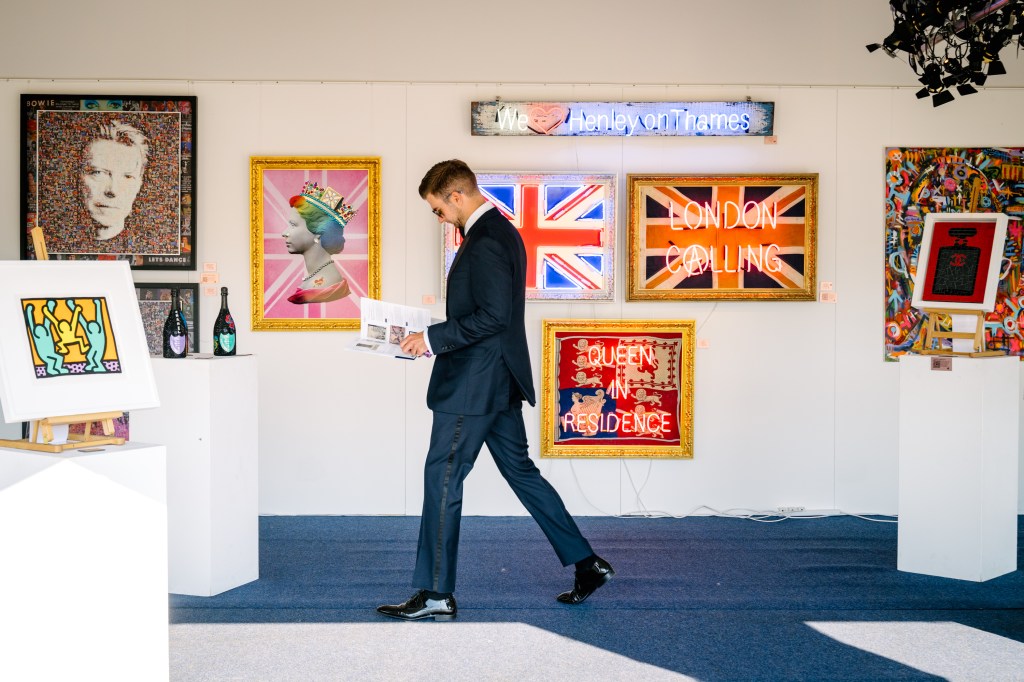
Accompanied by esteemed Steel Artist Tim Roper and his wife, we perused the sculptures, the art tents and then danced in the Steegle Tent. Tim also found the boats fascinating, including one he helped to refurbish for the anniversary of Dunkirk.
And perhaps that was the most fitting ending: a crowd dressed for one of the country’s poshest black-tie festivals, singing along to songs born from a very different era and place. The old rivalries between North and South, Blur and Oasis, indie kids and the establishment had disappeared. What remained was a shared love of British music—and the rare feeling that, for one evening at least, everyone belonged in the same crowd.
 LUXE Serendipity magazine
Leave a comment